Quick Guide
Let's cut straight to the point, because this is the question that keeps most first-timers up at night. Do you wear clothes in an onsen? The short, unequivocal answer is no. You do not wear any clothing, swimsuits, underwear, or towels into the actual bathing water of a traditional Japanese onsen. It's a naked affair. I know, I know. That single word—naked—triggers a wave of anxiety for anyone not used to communal bathing. My first time, I stood frozen outside the curtain, my mind racing with a hundred versions of this very question. "Do you wear clothes in an onsen? Surely there's a special exception for foreigners? Maybe a discreet pair of shorts?"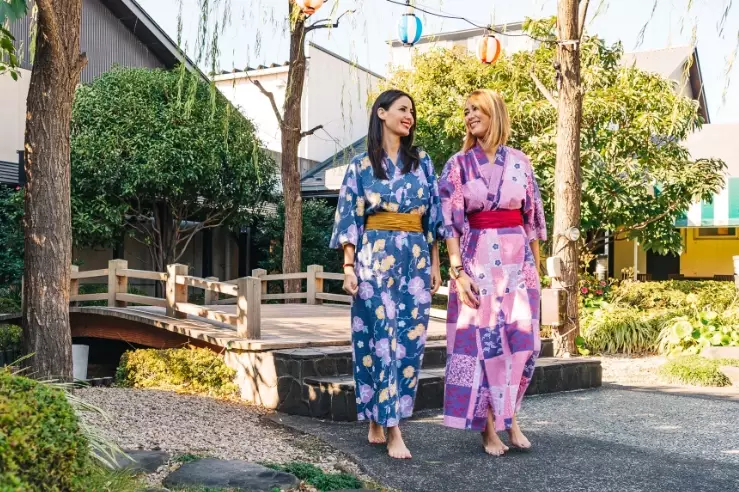
There isn't. And understanding the "why" behind this rule is the first step to not just accepting it, but appreciating the experience. This isn't about exhibitionism; it's about hygiene, purity, and a deeply ingrained cultural practice of communal cleansing. The water is considered shared and sacred, and introducing detergent-laden fabric (yes, even clean swimwear has residue) or personal bacteria from clothing is seen as contaminating it for everyone else. So, the rule is absolute. But before you click away, thinking this is a deal-breaker, let me walk you through everything. The separation of genders, the procedure, the little towels—it's all designed to make this feel normal and, honestly, incredibly liberating once you get past the initial hurdle.
Why Is It Naked? Understanding the Cultural Roots
You can't really talk about onsen rules without dipping a toe into the philosophy behind them. It feels weirdly formal to call it a philosophy, but it's there. In Japan, onsens aren't just hot tubs; they're considered a form of toji (balneotherapy), a therapeutic practice with history stretching back centuries. The water itself is the star, often sourced from mineral-rich volcanic springs, each with purported health benefits.
Because the water is shared for healing and relaxation, keeping it clean is paramount. Think of it like a giant, communal bath. Would you want someone getting in with their street clothes or a swimsuit they wore in the ocean? Exactly. The no-clothes rule ensures that only clean, rinsed human skin touches the water. It's a great equalizer, too. In that space, there are no status symbols, no fashion statements—just people sharing in the same soothing warmth. It strips away more than just fabric, if you'll pardon the pun.
I remember reading a piece from the Japan National Tourism Organization (JNTO) that framed it not as a rule, but as a custom of mutual respect. That shifted my perspective. It's not about what you're *not* wearing; it's about the shared commitment to preserving the purity of the experience for all.
The Step-by-Step Guide: What Actually Happens
Okay, so you've accepted the core premise. Now what? The process is ritualistic, and following it step-by-step is what makes you feel less like a clueless tourist and more like someone who gets it. Let's break it down from the moment you walk in.
1. Entering the Facility and Paying
You'll pay at the front. Many onsens have vending machines for tickets. Hand the ticket to the attendant. They might give you a locker key, a small towel, and sometimes a yukata if it's a ryokan with a bath. The small towel is your lifeline. Remember this.
2. The Dressing Room & Lockers
You'll see signs for男湯 (Men) and女湯 (Women). Do not get this wrong. Go to the correct side. Inside, you'll find rows of lockers and benches. This is your staging area. Take off your shoes before stepping onto the changing room floor (there are usually shoe lockers first). Then, strip everything off. Everything. Place all your clothes, phone, and belongings in the locker. Take only your locker key and the small towel with you. Some places have a plastic basket for the key and towel. This is the point where the question "Do you wear clothes in an onsen?" gets its final, definitive answer as you stand there in your birthday suit.
3. The Washing Station (The Most Important Part)
Walk into the bathing area. You'll see a row of shower stations with stools, faucets, and bowls. DO NOT, under any circumstances, walk straight to the big bath. Pick an empty station. Sit on the stool. Your mission is to get *completely* clean before you even think about the onsen. Use the shower, soap, and shampoo provided (or your own). Scrub every inch. Rinse off all suds thoroughly. Any soap residue is a major faux pas, as it pollutes the shared bath water. This pre-wash is non-negotiable and is the cornerstone of good onsen etiquette.
4. Entering the Bath & The Towel Etiquette
Now you're clean. Rinse off your small towel and wring it out. Here's the towel's main role: modesty management. You can place it on your head (common for men), fold it neatly next to your station, or carry it. When walking from your shower stool to the bath, it's acceptable to use the towel to cover your front as you walk. The moment you enter the water, you take the towel off. You do NOT wear the towel in the water. You can leave it folded on the side of the bath, or some people place it on their head while soaking. Never let it touch the bath water. Never submerge it, wring it out in the bath, or use it to wash yourself. It's a dry tool for when you're out of the water.
This towel dance is the practical answer to the modesty part of "Do you wear clothes in an onsen?"
5. Soaking and Behavior in the Bath
Enter the bath slowly and quietly. No splashing. No swimming. Just soak. Keep your hair out of the water if it's long. Be silent or speak in very low tones. This is a place for quiet contemplation. Don't stare at others. Just relax, look at the ceiling or the view if it's an outdoor bath. Soak for 10-15 minutes at a time, then take a break, hydrate, and repeat if you like.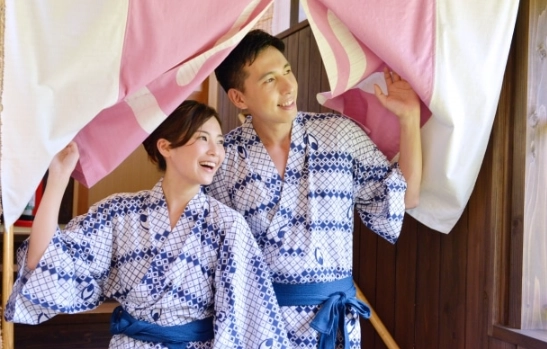
6. Exiting and Drying Off
When you're done, get out, use your small towel to pat yourself dry *lightly* (you don't need to be bone-dry), and walk back to the changing room. Get dressed there. Many facilities have post-bath relaxation areas where you can drink milk or tea. It's the perfect end.
Special Cases and Exceptions (The Fine Print)
Now, the world of onsens isn't completely monolithic. There are nuances. The strict "no clothes" rule applies to the main gender-segregated baths. But there are other setups.
| Type of Bath | Clothing Rule | Notes & Context |
|---|---|---|
| Traditional Gender-Segregated Baths (Men's/Women's) | Strictly Nude | The standard rule. No exceptions for swimwear of any kind. |
| Konyoku (Mixed-Gender Onsen) | Usually Requires Swimwear or Towel Wrap | Rare and often in remote areas. Rules VARY WIDELY. Some require women to wear a special wrap (yukata) or towel, men a towel. Some modern ones allow swimsuits. ALWAYS check the specific rules of that establishment. |
| Private/Family Bath (Kazoku-buro) | Your Choice | You rent the bath for just your group/family. You can wear swimsuits or go nude as you all agree. This is the best option for those uncomfortable with public nudity. |
| Modern "Super Sento" or Spa Resorts | Often Swimwear in Some Areas | Large complexes may have a traditional nude onsen area AND a separate pool/water park area where swimwear is mandatory. The zones are clearly marked. |
See that? The question "Do you wear clothes in an onsen?" gets a bit more complex with mixed-gender baths. But for 95% of the onsens you'll visit as a traveler—the standard public ones—it's the nude, gender-segregated model. If you're unsure, the Japan Spa Association (SPA) provides general guidelines that reinforce these standards.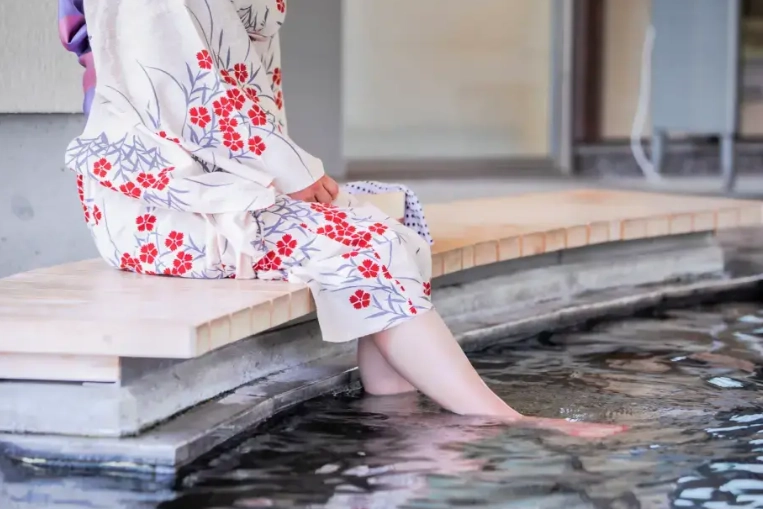
What to Bring (And What to Leave Behind)
Packing for an onsen trip is simple. Overthinking it is common. Here's your practical list.
What You Usually Need to Bring:
- A small towel: Most places rent/sell them for about 100-200 yen. It's easier to just get one there.
- Coins: For lockers (sometimes they require a 100-yen coin deposit) and vending machines for post-bath drinks.
- Basic toiletries: While soap and shampoo are almost always provided, if you have sensitive skin or prefer a specific product, bring a small bottle. Remember to rinse it completely off before entering the bath.
- A hair tie if you have long hair.
What to Absolutely Leave in Your Locker:
- Your swimsuit. Seriously.
- Your phone or camera. Photography is strictly, utterly forbidden in bathing areas. It's a massive violation of privacy.
- Jewelry. It can get damaged by the minerals and heat.
- Any sense of rush. This is slow-time.
Common FAQs and Unspoken Rules
What if I'm on my period?
This is a very common concern. Technically, you should not enter an onsen while menstruating. It's considered a hygiene issue for the shared water, similar to having an open wound. While some modern women use menstrual cups and feel comfortable, it's a gray area and a personal choice. Many Japanese women simply sit out during that time. If you do go with a cup, be extra certain of no leaks. It's a respectful courtesy.
Do you wear clothes in an onsen when walking between baths?
If the facility has multiple outdoor baths (rotenburo) in a garden, you walk between them naked, using your small towel for modesty if you wish. Everyone else is doing the same. It feels strange for about 10 seconds, then it's just...normal. Keep your eyes forward, mind your own business, and walk with purpose.
What about children?
Young children of the opposite gender are often allowed in the adult baths until a certain age (usually around 5-7, but it varies). After that, boys go with dad, girls with mom. It's very family-friendly.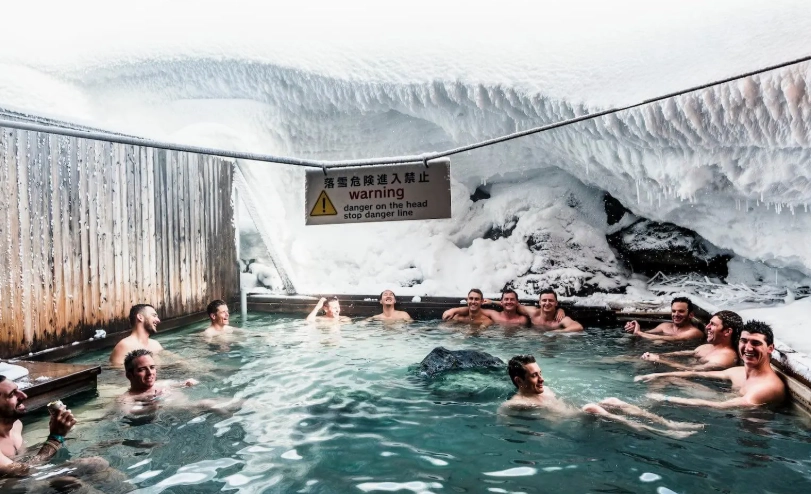
I'm really self-conscious about my body. How do I cope?
This is the biggest mental block. I was there. Here's the truth: nobody cares. Nobody is looking. Everyone is focused on their own relaxation, their own aching muscles, the view, the heat. The demographic is all ages, all body types. You will see bodies of every kind, and yours will just be one more. The anxiety is almost entirely in your own head. The act of just doing it, of stepping in, is incredibly empowering. You realize it was never about other people's judgment.
The fear is real, but the reality is mundane in the best way possible.
Can I wear a bathrobe or yukata?
In the changing room and hallways of a ryokan, yes, you wear the provided yukata. But you take it off in the changing room before entering the bathing area. It never goes into the wet zone.
My Personal Take and Final Nudge
Look, I'm not going to sell you some life-changing spiritual awakening. For me, the first time was awkward, then surprisingly functional, and eventually, just really, really nice. The heat on sore travel muscles is a miracle. The forced digital detox (no phone!) is a gift. The ritual of cleaning yourself meticulously is oddly meditative.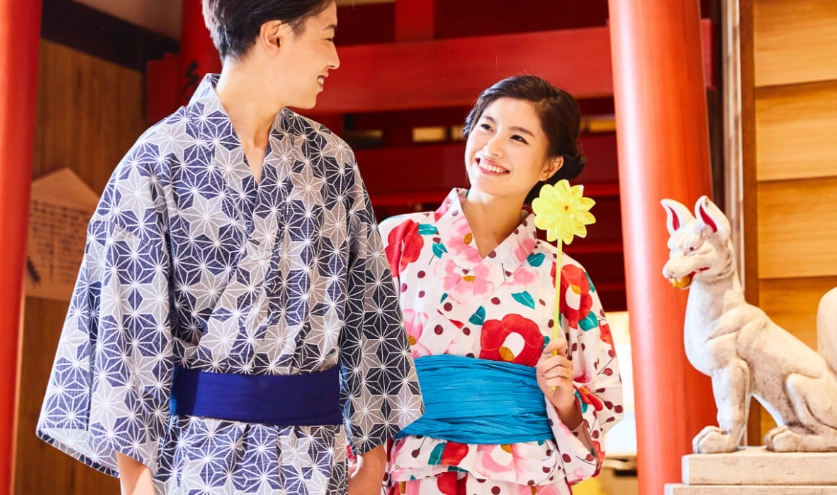
The question "Do you wear clothes in an onsen?" is a gateway. It leads you to confront a cultural difference head-on. You can choose to see it as a barrier, or you can choose to see it as an invitation to experience something genuinely Japanese, to step out of your comfort zone in a safe, rule-bound environment.
My advice? Book a ryokan with a private onsen for your first night if you're really nervous. It lets you control the environment. Then, for your second night, try a reputable public onsen. Follow the steps, keep your towel handy, and just get in. Don't overthink it. The water is hot, the minerals are doing their thing, and within minutes, the only question on your mind will be "Do I have to get out yet?"
It's an acquired taste, maybe. But it's a taste of Japan you won't get anywhere else. And honestly, after a long flight or a day of hiking, there's nothing better. Just remember: no clothes in the water, wash well first, be quiet, and relax. You've got this.

Comments