Quick Navigation
- The Short Answer vs. The Long Reality
- Breaking Down the Safety Puzzle: Where Concerns Actually Lie
- Safety for Specific Types of Travelers
- The Practical Side: Health, Food, and Getting Around
- How Safe Are Major Japanese Cities? A Quick Comparison
- Your Pre-Trip Safety Checklist
- Common Questions (The Stuff You Actually Search)
- The Final, Honest Verdict
Let's be real here. When you type "is Japan safe to travel" into Google, you're not just asking for a simple yes or no. You're probably sitting there with a mix of excitement and anxiety, maybe planning your first big trip to Asia, or maybe you're a seasoned traveler who's heard all the glowing reports but still has that nagging voice in the back of your mind. What about crime? Earthquakes? The language barrier? Is it *really* as safe as everyone says, or is that just tourist propaganda?
I've been there. I remember before my first solo trip to Tokyo, I was bombarded with well-meaning but worrying advice from friends and family. "Aren't you scared?" "It's so far away!" It's enough to make anyone second-guess their plans.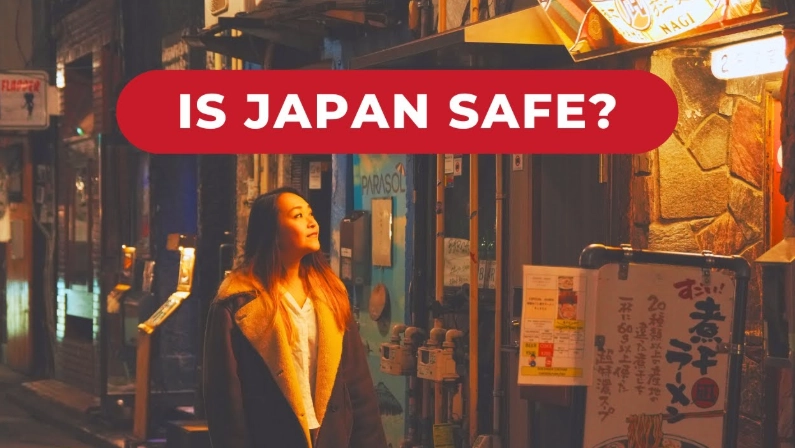
So, let's cut through the noise. This isn't a sugar-coated list of facts. It's a deep dive from someone who's spent months traveling across Japan, from the neon jungles of Shinjuku to the quiet mountain temples of Koyasan. We'll look at the hard data, the cultural nuances that guidebooks miss, and the practical, on-the-ground reality of safety in Japan for tourists. By the end, you'll have a clear picture, not just an answer.
The Short Answer vs. The Long Reality
Okay, the short answer is a resounding yes. Japan consistently ranks as one of the safest countries in the world for travelers. The Numbeo Crime Index regularly places Japanese cities like Tokyo, Osaka, and Kyoto at the very bottom of their crime scale (meaning lowest crime). The 2023 Global Peace Index by the Institute for Economics & Peace ranks Japan as the 9th most peaceful country globally.
But that's the macro view. When you're asking "is Japan safe to travel," you're asking about your specific experience. A solo female traveler walking back to her hostel at night has different concerns than a family with young kids navigating crowded trains. Safety isn't one thing; it's a combination of factors.
Breaking Down the Safety Puzzle: Where Concerns Actually Lie
Let's tackle the big worries one by one. This is what people are really searching for when they wonder about safety in Japan.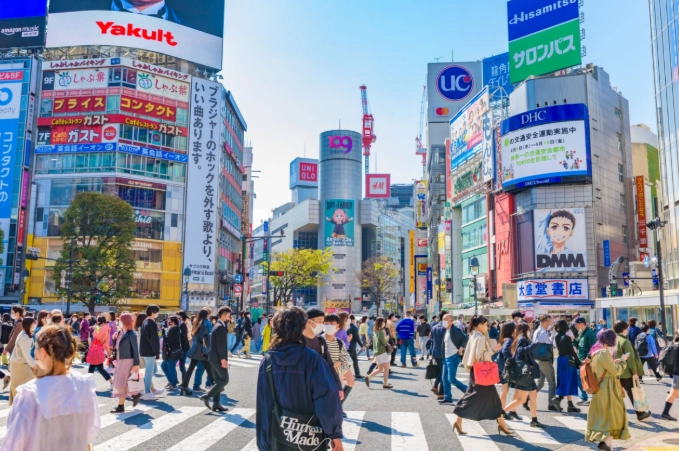
Crime and Personal Safety
This is the big one. The fear of theft, assault, or scams. Here's the truth: violent crime against tourists in Japan is exceptionally rare. You are far more likely to have your wallet returned if you drop it than to have it stolen. I'm not joking—there are countless stories of people retrieving lost items from police boxes (koban).
Petty theft like pickpocketing does exist, but it's concentrated in major tourist hubs like Shinjuku's Kabukicho area or Dotonbori in Osaka. Even there, it's low compared to European capitals. The real crime risk for tourists is often complacency. Leaving a laptop on a cafe table for 30 minutes is tempting fate anywhere.
Common-sense rules still apply:
- Use hotel safes for passports and excess cash.
- Be mindful of your belongings in packed trains (especially during rush hour).
- While drunk, friendly "touts" in nightlife districts might try to guide you to overpriced bars—a polite "no thank you" (iie, kekkou desu) and walking away is the best policy.
So, is Japan safe to travel regarding crime? Overwhelmingly yes, but don't switch off your basic traveler's radar.
Natural Disasters: Earthquakes, Typhoons, and More
This is a legitimate concern. Japan is seismically active. It experiences around 1,500 noticeable tremors a year. Typhoon season runs from about May to October, peaking in August and September. This isn't something to fear-monger about, but to prepare for.
The key is Japan's incredible preparedness. Building codes are among the strictest in the world. Early warning systems are sophisticated. Every hotel room has an evacuation map, and public announcements are made in multiple languages during major events.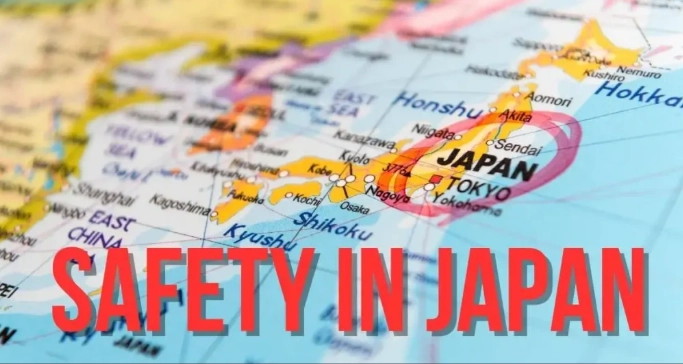
- Download the official Japan Meteorological Agency app or enable earthquake alerts on your phone.
- When you check into accommodation, note the emergency exits and locate your room's flashlight (often in the desk or bedside drawer).
- For typhoons, check forecasts on Japan National Tourism Organization's safety page and be flexible with travel plans. Trains and flights may be delayed.
During my trip in September, a typhoon was forecast to hit Kyoto. The hotel staff proactively gave us printed advice, and train companies announced potential delays days in advance. It was disruptive, but never felt unsafe because the information flow was clear.
Cultural Etiquette and Avoiding Offense
Safety isn't just physical; it's also social. The biggest "danger" for most tourists in Japan is accidentally being rude. Understanding a few key points can save you a lot of social anxiety.
- Queuing: Lines are sacred. Don't cut. Ever.
- On Trains: Talk quietly or not at all. Set phones to silent mode. Don't eat on short commuter trains (it's fine on Shinkansen). Priority seats are for the elderly, pregnant, disabled—avoid them if you can.
- Money: Use the tray provided at registers to pay. Handing cash directly to someone can be seen as rude.
- Onsen (Hot Springs): Wash thoroughly before entering the bath. No swimsuits. Tattoos can be problematic at public onsens (many have relaxed rules, but check).
Japanese people are incredibly forgiving of tourists who make mistakes. A little effort goes a long way. Trying to say "thank you" (arigatou gozaimasu) or "excuse me" (sumimasen) will often be met with smiles and appreciation.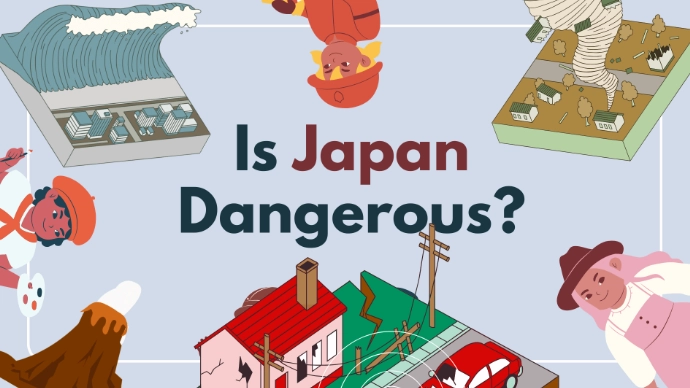
Safety for Specific Types of Travelers
The general stats are great, but your personal situation changes things. Let's get specific.
Solo Travelers (Especially Women)
Japan is a top destination for solo travel, and for good reason. As a solo traveler, asking "is Japan safe to travel" is paramount. Walking alone at night in most city areas feels remarkably secure. Well-lit streets, active koban (police boxes) on every few corners, and a general night-time civility contribute to this.
For solo female travelers, the experience is largely positive. However, it's not a complete utopia. Chikan (groping on crowded trains) is a known, though heavily stigmatized and illegal, issue. Women-only train cars are available during rush hours on many lines—look for the pink signs. I've spoken to many female travelers who've used them for peace of mind, even if they never had an issue.
Another minor annoyance can be the occasional curious stare or overly friendly (but usually harmless) older man in an izakaya. A firm daijoubu desu (I'm okay) usually ends it. The risk of more serious harassment is low, but situational awareness is your best tool.
Families with Children
Japan is a fantastic family destination from a safety perspective. Cleanliness, orderly queues, and widespread facilities make it easy. Things to know:
- Health & Hygiene: Tap water is safe to drink everywhere. Public restrooms are plentiful and clean (though sometimes only Japanese-style squat toilets in older places). Carry hand sanitizer.
- Getting Around: Trains are punctual and safe. Watch kids closely on crowded platforms. Strollers can be tricky on some older station staircases—look for elevators.
- Lost Children: If your child gets separated, go to any station staff or a koban. The system for helping lost children is swift and efficient.
LGBTQ+ Travelers
Japan is generally tolerant and safe for LGBTQ+ travelers. Public displays of affection are minimal across the board, so same-sex couples are unlikely to draw attention or open hostility. Major cities like Tokyo (especially Shinjuku Ni-chome), Osaka, and Sapporo have vibrant gay districts. The legal and social landscape is evolving, with increasing recognition of same-sex partnerships in some municipalities. The overall risk of discrimination or violence is very low.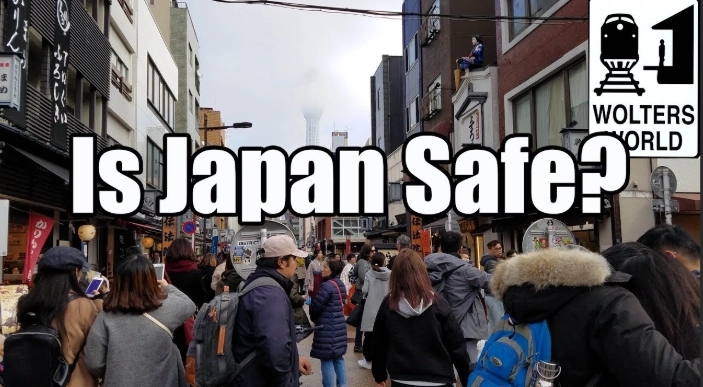
The Practical Side: Health, Food, and Getting Around
Food and Water Safety
You can eat and drink with near-total confidence. Food hygiene standards are extremely high. Street food at festivals is prepared meticulously. Tap water is potable nationwide. The main risk is overindulging in rich ramen or too much sake!
For those with allergies, it can be trickier. While awareness is growing, language barriers can be an issue. Carrying an allergy card in Japanese is a smart move. Many restaurant chains now have picture menus or allergen information.
Transportation Safety
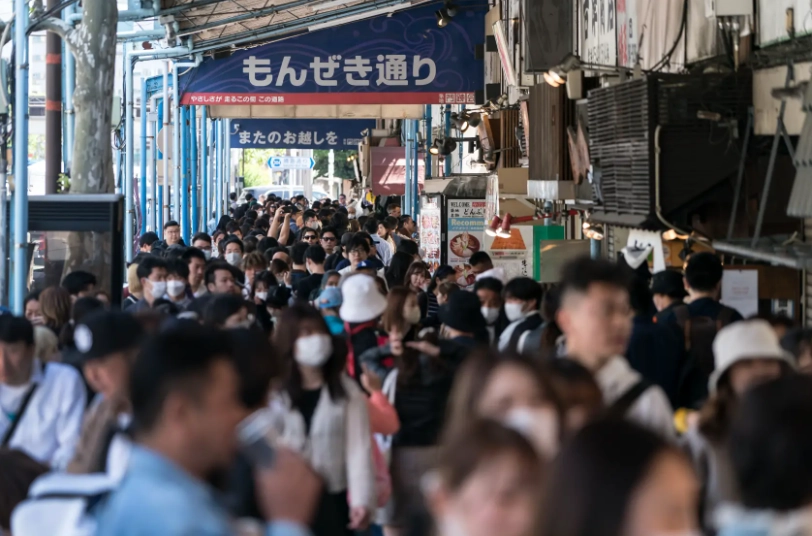
Japan's public transport is a model of safety and efficiency. Trains run on time to the second. Taxis are impeccably maintained and drivers are professional. The biggest hazard is the sheer volume of people during rush hour (think Tokyo's Yamanote Line at 8:30 AM).
Cycling is popular in cities like Kyoto. While generally safe, be aware that cyclists often ride on sidewalks, and rules can seem informal to outsiders. Always look both ways.
Healthcare and Emergencies
Healthcare quality is excellent, but it can be expensive without insurance. Pharmacies (yakkyoku or drugstore) are everywhere for minor ailments. For serious issues, major hospitals in cities often have English-speaking staff. The emergency number is 119 (for ambulance and fire). Police are 110.
Non-negotiable advice: Get comprehensive travel insurance that covers medical evacuation. It's the single most important thing for your safety and peace of mind.
How Safe Are Major Japanese Cities? A Quick Comparison
While all are safe, the vibe differs. Here’s a personal take:
| City | Safety Vibe | Notes & Considerations |
|---|---|---|
| Tokyo | Orderly Metropolis | Incredibly safe for its size. Be mindful in Kabukicho (Shinjuku) and Roppongi at night—stick to main streets. The sheer scale can be overwhelming, not dangerous. |
| Kyoto | Calm & Tourist-Friendly | Perhaps the easiest and most relaxed city for tourists. Crowds at temples are the main "hazard." Very walkable and gentle. |
| Osaka | Energetic & Direct | People are more outgoing. Areas like Dotonbori and Shinsekai are bustling and safe, but keep an eye on belongings in the thick crowds. Feels more "street" than Tokyo. |
| Sapporo | Spacious & Chill | Wide streets, friendly locals. The Susukino nightlife district is lively but generally well-policed. A very manageable city. |
| Fukuoka | Warm & Accessible | Great food scene, compact city center. The yatai (street food stalls) are safe and social. Feels welcoming and hassle-free. |
Your Pre-Trip Safety Checklist
Alright, let's get practical. Here’s what to do before you go to ensure your trip is as safe as can be.
- Insurance: Buy it. Seriously.
- Register with Your Embassy: Many countries offer free online registration for citizens abroad. It helps them contact you in a major emergency.
- Digital Preparedness: Save important addresses (your embassy, hotel) offline on your phone. Download Google Translate (the camera function is magic for signs) and a map app that works offline (like Maps.me).
- Cash is Still King: While credit cards are more accepted than before, many small restaurants, temples, and rural areas only take cash. Don't be caught short.
- Copy Your Documents: Have digital and physical copies of your passport, visa, and insurance details separate from the originals.
Common Questions (The Stuff You Actually Search)
The Final, Honest Verdict
So, after all this, is Japan safe to travel?
Look, no place on Earth is 100% risk-free. But Japan comes about as close as a major travel destination can. The overwhelming likelihood is that your trip will be free from any safety-related incidents. The biggest challenges you'll face will be cultural (figuring out the onsen rules) or logistical (navigating the complex but amazing train system).
The safety is woven into the fabric of daily life—the clean streets, the quiet trains, the honest citizens, the meticulous preparedness for nature's whims. It's a profound sense of order that allows for incredible freedom as a traveler. You can explore with a sense of ease that is rare in today's world.
Your job is to be a respectful and prepared guest. Get your insurance, learn a few phrases, understand basic etiquette, and keep your normal street smarts about you in crowded places. Do that, and you're set.
Stop worrying. Start planning. Japan is waiting, and it's not just safe—it's one of the most rewarding and mind-blowingly good travel experiences you'll ever have. The answer to "is Japan safe to travel" is a confident, well-informed yes. Now go book that ticket.
Comments