In This Guide
- The Unmissable Classics: Things to Do in Japan That Live Up to the Hype
- Going Deeper: Seasonal & Cultural Things to Do in Japan
- The Culinary Journey: Essential Things to Do in Japan for Your Stomach
- Beyond the Golden Route: Other Amazing Things to Do in Japan
- Practicalities: Making Your List of Things to Do in Japan Actually Happen
- Wrapping It Up: Your Japan, Your Way
Let's be real. When you think about things to do in Japan, your mind probably jumps straight to pictures of Mount Fuji, crowded Shibuya Crossing, and maybe a geisha in Kyoto. And sure, those are iconic for a reason. But Japan is a country that lives in its details, in the quiet moments between the bullet train rides, in the alleyway izakaya (pub) where salarymen unwind, and in the seasonal shifts that dictate everything from fashion to food. If you're just ticking off major sights, you're missing at least half the story.
I remember my first trip. I had a list. I checked it all off. And I came home feeling like I'd seen Japan, but not really felt it. It was on later visits, when I got lost (literally and figuratively), that I started to piece together what makes this place so endlessly fascinating. This guide is my attempt to save you from that same fate—to give you the classic hits and the deep cuts that make for a truly memorable journey.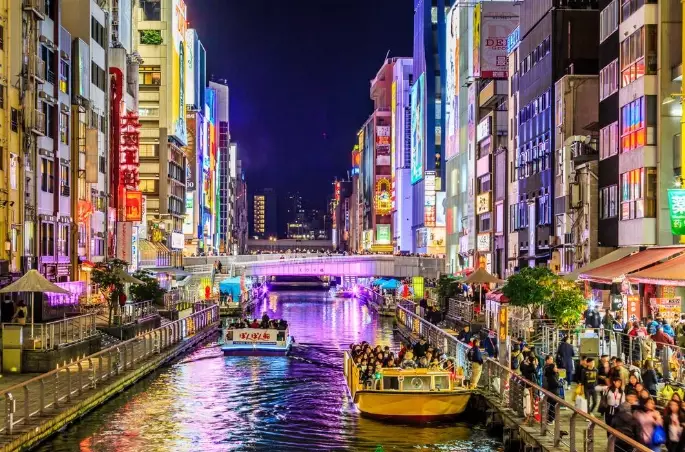
The Unmissable Classics: Things to Do in Japan That Live Up to the Hype
Okay, we have to start here. These are the pillars. You can't talk about things to do in Japan without them. But I'll try to give you a fresh angle on even the most well-trodden paths.
Tokyo: The Controlled Chaos
Tokyo feels like several cities fused together. You can spend a morning in serene, traditional Asakusa at Senso-ji Temple (get there early, I beg you, before the tour buses descend), and an afternoon in the hyper-futuristic, anime-soaked streets of Akihabara. The juxtaposition is the point.
Most guides will tell you to go to the Shibuya Scramble. Do it. It's dizzying and awesome. But then, walk five minutes to the tiny, tucked-away Nonbei Yokocho ("Drunkard's Alley"). These closet-sized bars, some seating only four people, are where you'll see the city's old soul. It's a world away from the mega-crossing.
Kyoto: Temples, Shrines, and the Hunt for Quiet
Kyoto is beautiful, and everyone knows it. That's the problem. Fushimi Inari at noon? A slow-moving river of people. Kinkaku-ji (the Golden Pavilion) is stunning, but the viewing path is a single-file shuffle.
The trick is vertical and temporal strategy. Go to Fushimi Inari at dawn, or hike all the way to the top—most crowds vanish after the first few bends. For temples, seek out the less famous ones. Ginkaku-ji (the Silver Pavilion) has a more subtle, refined garden than its golden cousin. Sanjusangendo Hall, with its 1001 statues of Kannon, is an interior experience that's quietly breathtaking.
And please, spend an afternoon in the Gion district just wandering. Don't stalk geiko (the Kyoto term for geisha) for photos—it's rude. Instead, appreciate the preserved machiya townhouses and the chance you might see one gracefully flit between engagements.
The Mount Fuji Factor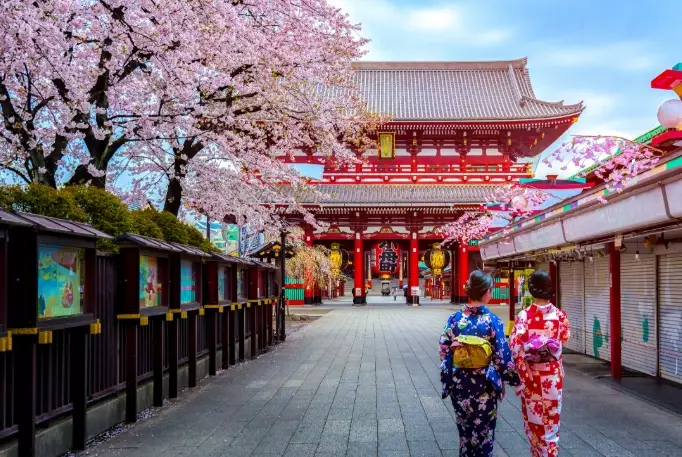
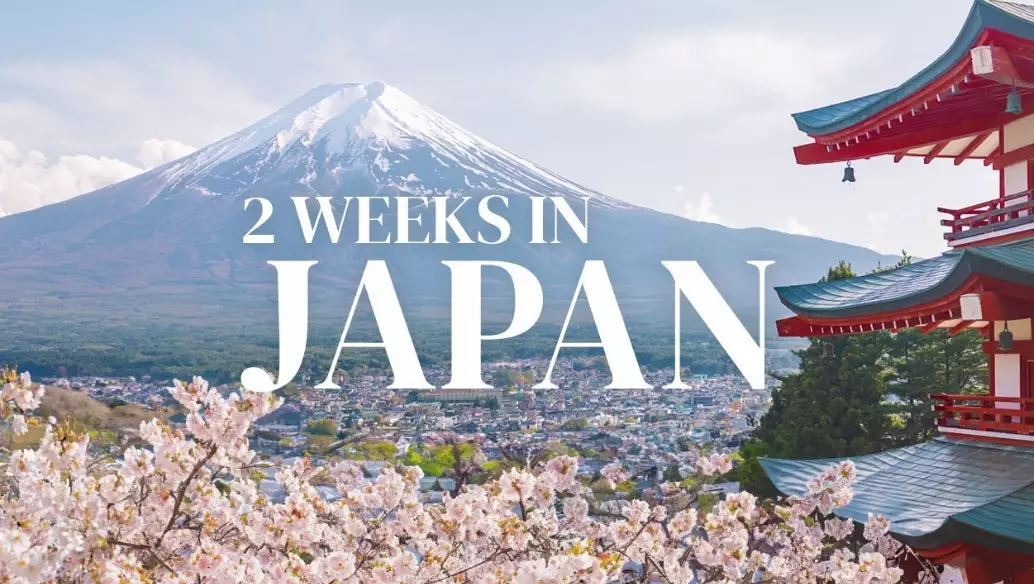
Seeing Fuji-san is a lottery based on weather. The classic view is from the Five Lakes region (Fujigoko), particularly Lake Kawaguchiko. But for a different, spectacular perspective, consider the Chureito Pagoda in Fujiyoshida. That postcard-perfect shot of the pagoda with Fuji behind it? That's real, and it's worth the climb.
If you're feeling active, climbing season is July-September. It's not a technical hike, but it's arduous. Most people climb overnight to see the sunrise (Goraiko) from the summit. A word of caution: the descent is brutal on the knees. I still feel it.
Osaka vs. Tokyo: A Quick Vibe Check
People always ask: should I spend more time in Tokyo or Osaka? They're only 2.5 hours apart by shinkansen, but worlds apart in attitude.
| Aspect | Tokyo | Osaka |
|---|---|---|
| Food Culture | Perfectionist, high-end, myriad specialties. | Hearty, bold, "kuidaore" (eat 'til you drop). Street food kings. |
| People's Vibe | More reserved, polite, fast-paced. | Open, humorous, direct. They'll chat with strangers. |
| Must-Do Experience | Shibuya Crossing, Tsukiji Outer Market, a depachika (department store food hall). | Dotonbori at night, eating takoyaki from a stall, Osaka Castle (great museum inside). |
| Best For | Culture vultures, fashion, cutting-edge tech, endless neighborhood exploration. | Foodies, nightlife, a more relaxed and gregarious urban feel. |
My take? Tokyo is the brain, Osaka is the stomach. You need both.
Going Deeper: Seasonal & Cultural Things to Do in Japan
This is where your trip transforms from a sightseeing tour to a cultural immersion. Timing your visit with a season or festival opens up a whole new list of things to do in Japan.
Chasing the Seasons: Hanami, Momijigari & More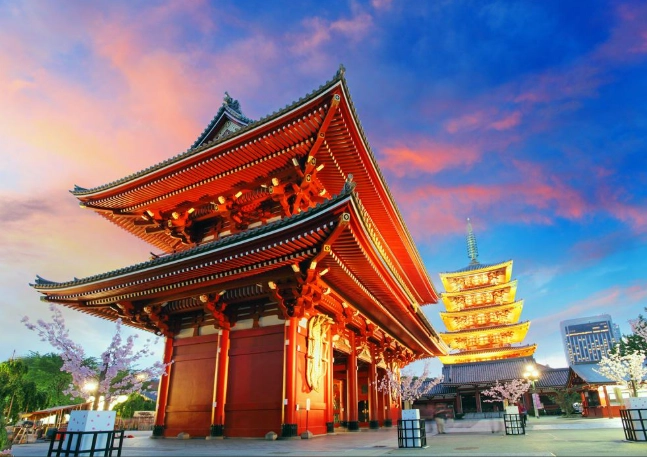
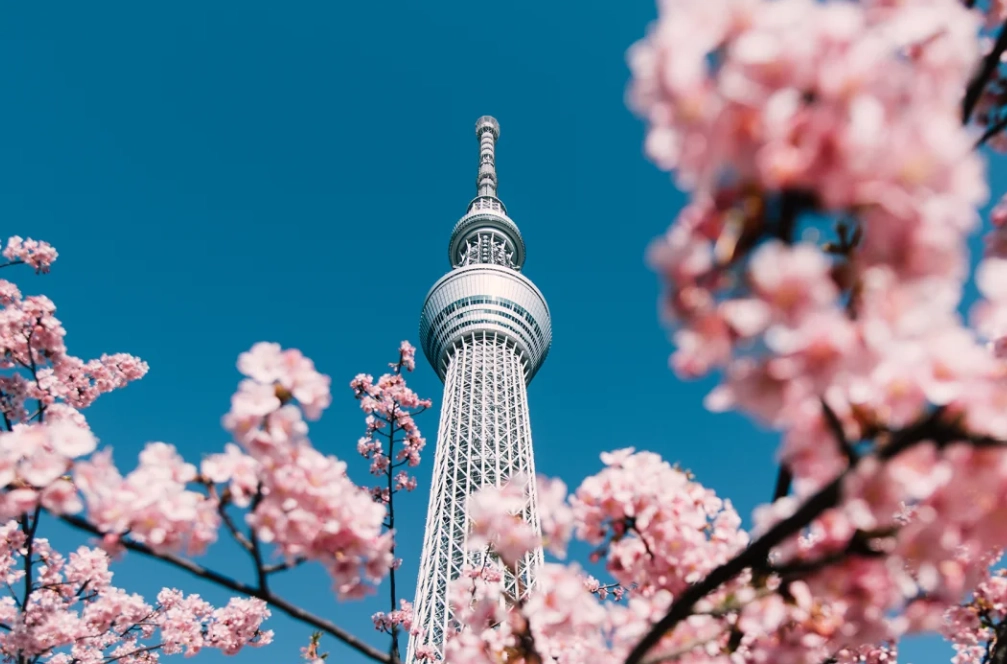
Spring (March-May) is, of course, cherry blossom (sakura) season. Hanami (blossom viewing) parties in parks like Ueno in Tokyo or Maruyama in Kyoto are festive. But it's competitive. For a less frantic experience, visit a castle grounds (Himeji is sublime) or even stroll along any city riverbank. The Japan National Tourism Organization (JNTO) website has a useful blossom forecast.
But spring isn't just sakura.
Wisteria tunnels at the Kawachi Fuji Gardens (near Fukuoka) in late April/May are a purple-hued dream. The fresh green of new leaves (shinryoku) is just as celebrated as the blossoms.
Autumn (October-November) brings koyo (foliage). The reds and golds of the maples are breathtaking. Kyoto's temples again become focal points. Eikando Temple is famous for its illuminations at night. Momijigari (autumn leaf hunting) in places like Nikko or the Japanese Alps is a perfect active pursuit.
Festivals (Matsuri): Controlled Mayhem
Japanese festivals are visceral, loud, and communal. The big three are often cited as:
- Gion Matsuri (Kyoto, July): A month-long affair with massive, ornate floats (yamaboko) paraded through the streets. The main processions are July 17th and 24th. Book accommodation a year in advance.
- Tenjin Matsuri (Osaka, July 24-25): One of Japan's best boat festivals, with a huge procession on land, then a dazzling parade of boats on the Okawa River, culminating in fireworks.
- Nebuta Matsuri (Aomori, early August): In the north, gigantic, fantastically illuminated paper lantern floats are paraded by dancers shouting "Rassera!" It's primal and unforgettable.
But smaller local festivals are everywhere. Ask at your hotel or look for posters. I stumbled upon a tiny neighborhood mikoshi (portable shrine) procession once—the joy and community spirit were palpable.
The Culinary Journey: Essential Things to Do in Japan for Your Stomach
Food isn't just sustenance; it's a primary activity. Here’s a hierarchy of food experiences, from easy to committed.
Must-Try Foods (The Starter Pack)
- Ramen: Not just a noodle soup, but a regional religion. Sapporo (miso), Hakata (tonkotsu), Tokyo (shoyu). Go to specialized shops. Slurping is encouraged.
- Sushi: Yes, have the high-end omakase once if you can. But don't sleep on conveyor-belt (kaiten) sushi for a fun, affordable meal, or standing sushi bars for a quick, fresh bite.
- Izakaya: This is where Japan dines. Order small plates, drink beer or shochu, and try things you don't recognize. Yakitori (grilled skewers) is a staple.
- Convenience Store (Konbini) Food: Seriously. 7-Eleven, FamilyMart, Lawson. Their egg salad sandwiches, onigiri (rice balls), and fried chicken are legendary for their quality and price. A lifesaver for breakfast or a train ride.
Leveling Up: Food Markets & Specialties
Tsukiji Outer Market (Tokyo) is still buzzing post the wholesale move to Toyosu. Go for fresh seafood bowls (kaisendon), tamagoyaki (sweet omelet), and street snacks.
Nishiki Market (Kyoto) is a narrow, covered "Kitchen of Kyoto." Try pickles, tamago (egg on a stick), and matcha everything.
Each region has its star: Hokkaido for dairy and crab, Osaka for okonomiyaki and takoyaki, Hiroshima for its style of okonomiyaki (with noodles!), Fukuoka for its ramen stalls (yatai).
Beyond the Golden Route: Other Amazing Things to Do in Japan
If you have time, escaping the Tokyo-Kyoto-Osaka circuit is rewarding. The crowds thin, the pace slows, and the landscapes change dramatically.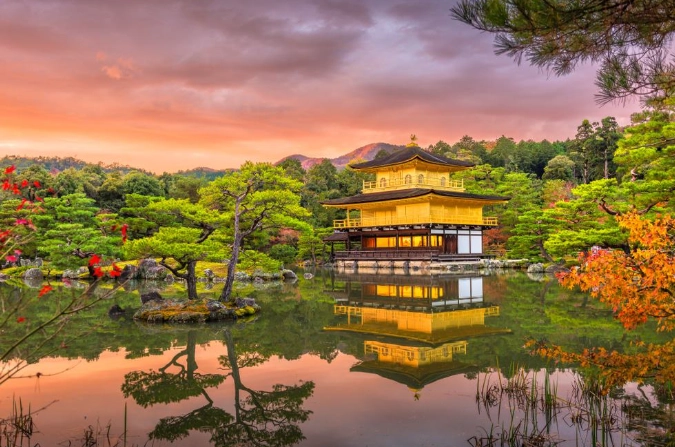
Japanese Alps & Historic Towns
Takayama feels like old Japan preserved. Its morning markets, beautiful old town (Sanmachi Suji), and proximity to the thatched-roof villages of Shirakawa-go and Gokayama (UNESCO sites) make it a perfect 2-3 day stop. The Hida beef is a rival to Kobe.
Kanazawa is often called "Little Kyoto" but without the crowds. Its Kenrokuen Garden is one of Japan's three great gardens, the Nagamachi samurai district is atmospheric, and the 21st Century Museum of Contemporary Art is fantastic. The seafood from the Sea of Japan is incredible.
The Deep South: Kyushu
Volcanic, onsen-rich, and with a distinct culture. Beppu is the hot spring theme park of Japan, with "hell" (jigoku) tours of steaming, colored ponds. Fukuoka is a vibrant, food-centric city. Nagasaki has a profound, layered history and a unique blend of Japanese and foreign influences. The Nagasaki Peace Park and Atomic Bomb Museum is a somber but essential visit.
The Frozen North: Hokkaido
A world apart. In winter, it's for skiers and the Sapporo Snow Festival (massive ice sculptures). In summer, it's a paradise of lavender fields (Furano), pristine national parks, and incredible seafood. Otaru, a canal city near Sapporo, is charming.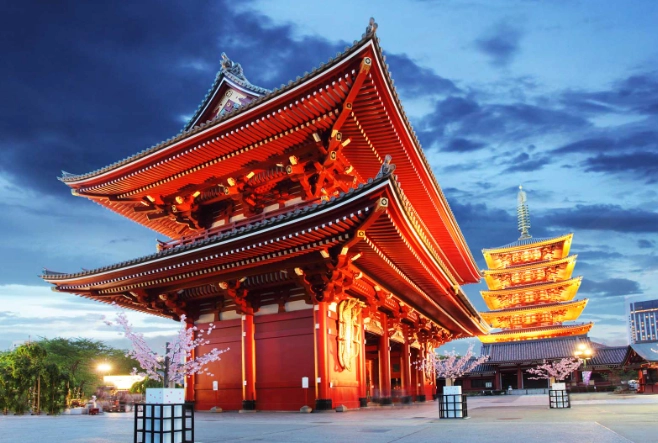
Practicalities: Making Your List of Things to Do in Japan Actually Happen
Getting Around: The JR Pass Math
The Japan Rail Pass is a famous money-saver, but its price has increased significantly. You need to do the math. Use a tool like Jorudan or Google Maps to price out individual shinkansen trips for your planned itinerary. If you're just doing Tokyo-Kyoto-Osaka roundtrip, a 7-day pass might not pay off anymore. If you're adding Hiroshima, Kanazawa, or Hokkaido, it likely will. Factor in convenience—it's nice to just flash a pass.
For local travel, a rechargeable IC card (Suica, Pasmo, Icoca) is essential for trains, buses, and even shopping at konbini.
Accommodation: From Pods to Ryokans
- Business Hotels (Toyoko Inn, APA): Small, clean, efficient, often near stations. Perfect for city stops.
- Ryokan: The traditional Japanese inn experience. Includes dinner and breakfast (kaiseki meals), futon on tatami, and often a private or communal onsen. It's pricey but a cultural immersion. Be aware of dinner times—they're usually strict.
- Capsule Hotels: Try it for one night for the novelty. They're surprisingly comfortable and clean, but storage for big luggage can be tricky.
Etiquette: The Unwritten Rules
Don't be intimidated, but being aware helps.
- Onsen/Bath Etiquette: Wash thoroughly at the shower stations before entering the communal bath. No swimsuits. Small towels are for modesty while walking or for washing, not for dipping in the water. Tattoos can be problematic at public baths; look for "tattoo-friendly" places or use private baths.
- Money: Cash is still king in many places, especially outside cities and at small shops/restaurants. Use the 7-Bank ATMs in 7-Elevens for international cards.
- Trash: Public bins are rare. Carry a small bag for your trash and dispose of it at your hotel or convenience store.
- Quiet on Trains: Speak softly. Don't take phone calls. Set your phone to silent.
Frequently Asked Questions (Stuff I Get Asked All the Time)

Wrapping It Up: Your Japan, Your Way
Look, the list of potential things to do in Japan is infinite. You could go a dozen times and barely scratch the surface. The key isn't to try and do it all. It's to find the blend that speaks to you.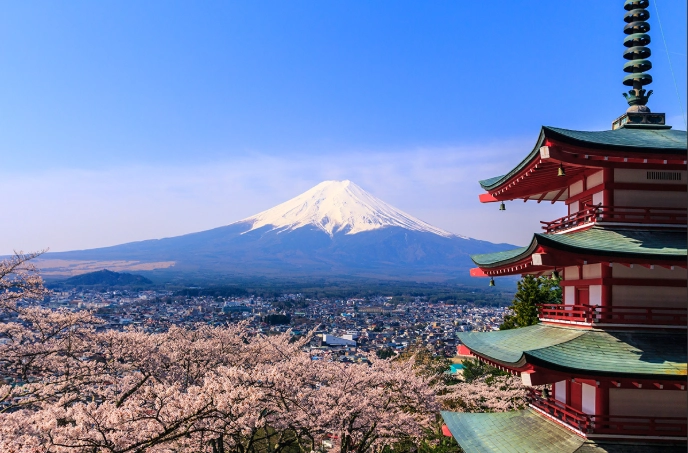
Maybe you're a foodie who plans every day around a market and a dinner reservation. Maybe you're a history buff who wants to walk every samurai street and castle keep. Maybe you just want to soak in onsens and stare at perfectly raked gardens.
All of those are valid ways to experience Japan. Use this guide as a menu, not a mandate. Pick a few classics, add a few seasonal or deep-cut experiences, leave some blank space in your itinerary for getting lost, and embrace the beautiful, orderly, sometimes wonderfully weird chaos of it all.
Start planning.
But more importantly, start getting excited. The things you'll do in Japan will likely stay with you long after the jet lag has faded.
Comments