Let's cut to the chase. You've got about ten days, it's your first time in Japan, and you want to see the iconic spots without the trip feeling like a frantic marathon. The classic "Golden Route"—Tokyo, Kyoto, maybe Osaka—exists for a reason. It works. But how you stitch it together makes all the difference between a trip you remember and a blur of train stations.
I've done this route more times than I can count, guiding friends and refining my own approach. The biggest mistake first-timers make? Trying to cram in too many day trips and underestimating travel time. This itinerary builds in breathing room and focuses on depth over breadth in each city.
Your 10-Day Japan Trip at a Glance
Before You Go: The Non-Negotiables
Sort these out before you even think about specific sights.
Connectivity: Pocket Wi-Fi or a SIM card is essential. Google Maps is your god for train times and walking directions. I prefer a pocket Wi-Fi device picked up at the airport (like from Ninja WiFi or Japan Wireless) for multiple devices and better battery life.
Cash: Yes, Japan is high-tech, but cash is still king at temples, small eateries, and markets. Get yen from an airport ATM. 7-Eleven ATMs rarely fail foreign cards.
The JR Pass Calculation: For this specific itinerary (Tokyo -> Hakone -> Kyoto -> Osaka -> Fly out of Osaka/Tokyo), a 7-day Japan Rail Pass activated on Day 5 for the trip to Hakone/Kyoto/Osaka usually makes financial sense. Use a JR Pass calculator with your exact dates to be sure. If it's close, the convenience of hopping on any JR train (including most Shinkansen) is worth the slight premium.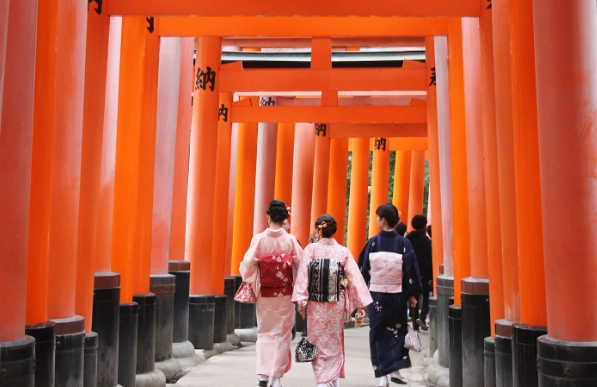
Days 1-4: Tokyo – The Modern Pulse
Fly into Tokyo (Narita or Haneda). The first day is for recovery and local exploration. Don't plan anything major.
Day 1: Arrival & Shinjuku After Dark
After clearing immigration and picking up your pocket Wi-Fi, take the Narita Express (N'EX) or Keisei Skyliner to the city. Check into your hotel. I recommend staying near a major Yamanote Line station like Shinjuku, Shibuya, or Tokyo Station for connectivity.
Evening: Head to Shinjuku. Feel the sensory overload in the Kabukicho area (stay on main streets). For dinner, head to Omoide Yokocho ("Memory Lane") or the more local Shinjuku Golden Gai for tiny, atmospheric bars and yakitori stalls. Don't be intimidated—just point at what looks good.
Day 2: Shibuya & Harajuku
Morning: Shibuya Crossing. It's cliché but impressive. For a great free view, go to the second-floor Starbucks in the Tsutaya building. Then, walk to Harajuku. Skip the overcrowded Takeshita Street on weekends. Instead, explore Omotesando, a beautiful tree-lined avenue of architecture and high-end shops.
Afternoon: Enter Meiji Jingu Shrine. The forest path is a stunning transition from Harajuku's chaos. It's free to enter. This is where you'll see your first Shinto shrine rituals.
Dinner: Find a tonkatsu (pork cutlet) or gyukatsu (beef cutlet) specialist in Shibuya. Buta no Mansei is a reliable chain.
Day 3: Asakusa & Tokyo Skytree
Morning: Go early to Senso-ji Temple in Asakusa to beat the crowds. Walk down Nakamise-dori for souvenirs. It's touristy, but the temple complex is genuinely historic.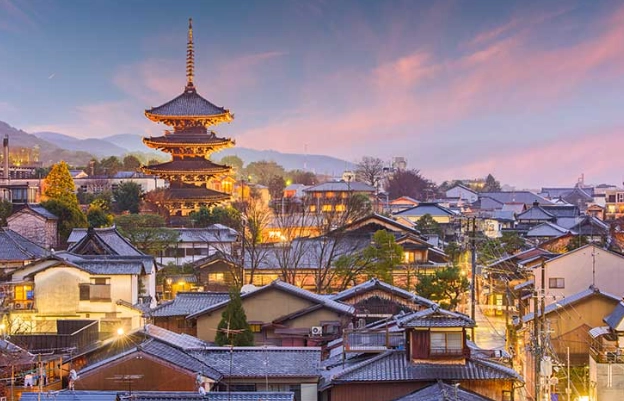
Afternoon: Walk or take a short train to Tokyo Skytree. Book tickets online to skip lines. The view is unparalleled, especially on a clear day. Alternatively, for a free view, the Tokyo Metropolitan Government Building in Shinjuku is great, but the Skytree feels more iconic.
Evening: Explore Akihabara if you're into electronics and anime, or head to Ueno for a more local vibe and amazing museums like the Tokyo National Museum.
Day 4: Tsukiji Outer Market & TeamLab
Morning (Very Early): The inner wholesale market moved to Toyosu, but the Tsukiji Outer Market remains. Go around 8-9 AM for incredibly fresh sushi breakfasts. Sushi Dai is famous, but the line is insane. Any stall with a local queue is a safe bet.
Late Morning: Head to TeamLab Planets in Toyosu (book tickets weeks in advance). It's an immersive digital art experience you walk (and wade) through. It's worth the hype and the ticket price (around ¥3,800).
Afternoon/Evening: Last-minute Tokyo shopping in Ginza or Shinjuku. Pack an overnight bag for Hakone; you can forward your main luggage to your Kyoto hotel via takkyubin (luggage delivery service) from your hotel or a convenience store. It costs about ¥2,000 per bag and arrives next day. Trust me, it's a game-changer.
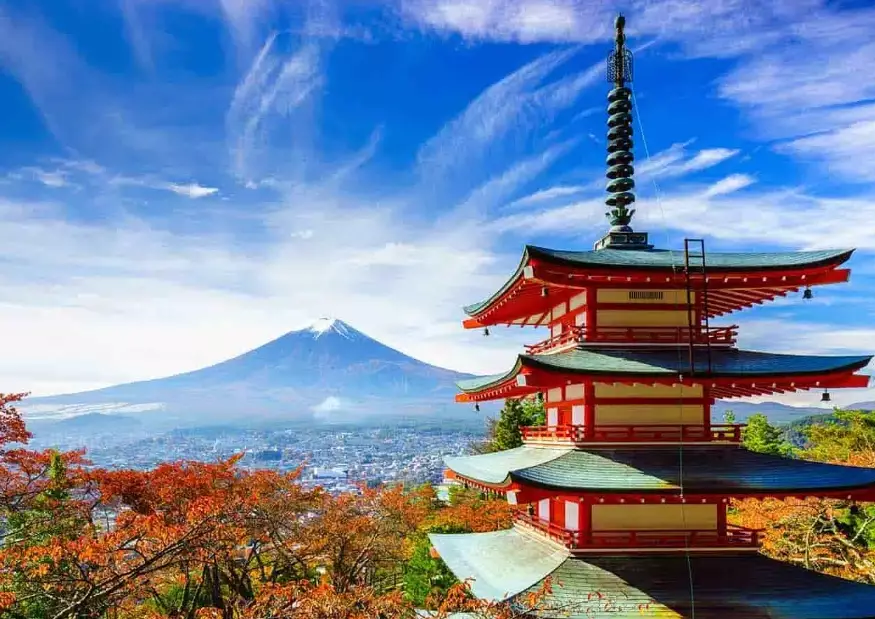
Day 5: Hakone – Mt. Fuji & Onsen
Activate your 7-day JR Pass today. Take the Shinkansen from Tokyo Station to Odawara (about 40 mins). From Odawara, use the Hakone Free Pass (not covered by JR Pass) for the local trains, cable cars, and pirate ships.
The classic Hakone Loop: Train to Hakone-Yumoto -> Cable car up to Owakudani (boiling volcanic valley, try the black eggs) -> Ropeway across the mountains -> Lake Ashi pirate ship cruise -> Bus back to your ryokan.
Stay in a ryokan (traditional inn) with kaiseki dinner and onsen baths. A mid-range option like Yama no Chaya or Gora Hanaougi offers the full experience. Budget ¥25,000-¥40,000 per person with meals. This is your splurge night, and it defines a Japan trip.
Days 6-8: Kyoto – The Ancient Heart
From Hakone, take the train back to Odawara, then the Shinkansen to Kyoto (about 2 hours total). Kyoto feels different—lower buildings, more temples, a slower pace.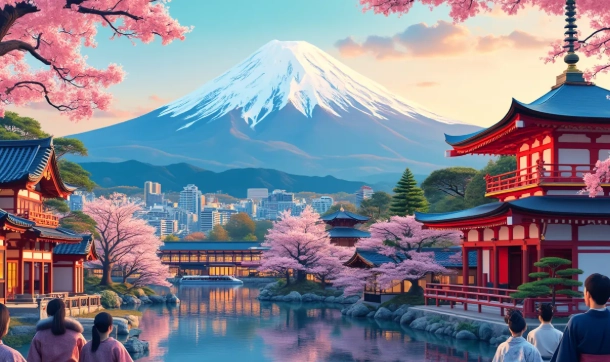
Day 6: Arashiyama & Kinkaku-ji
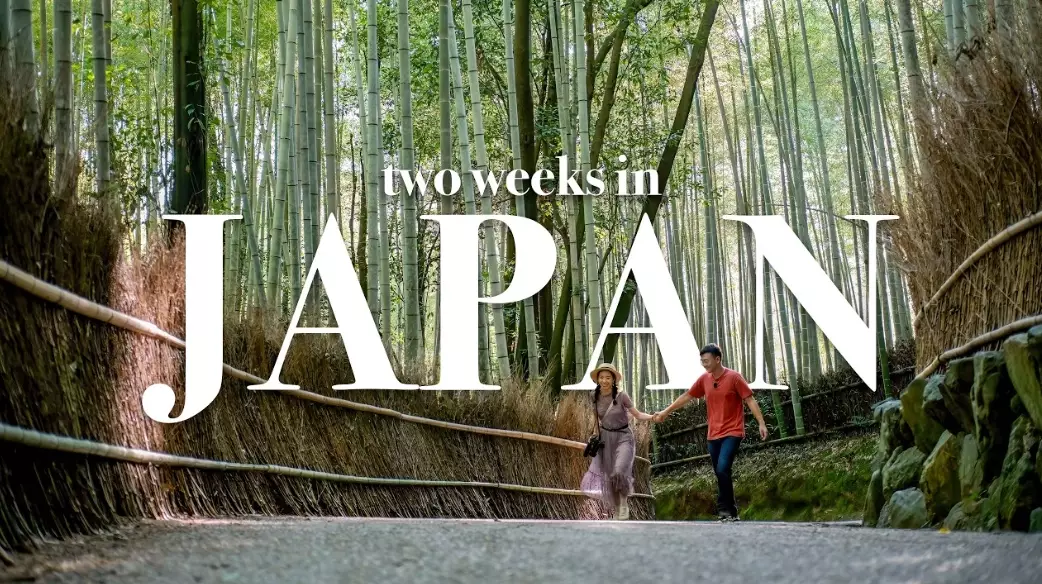
Morning: Go early (by 8 AM) to the Arashiyama Bamboo Grove. Later, it's a pedestrian traffic jam. After the grove, visit the nearby Tenryu-ji Temple (¥500) for its stunning garden.
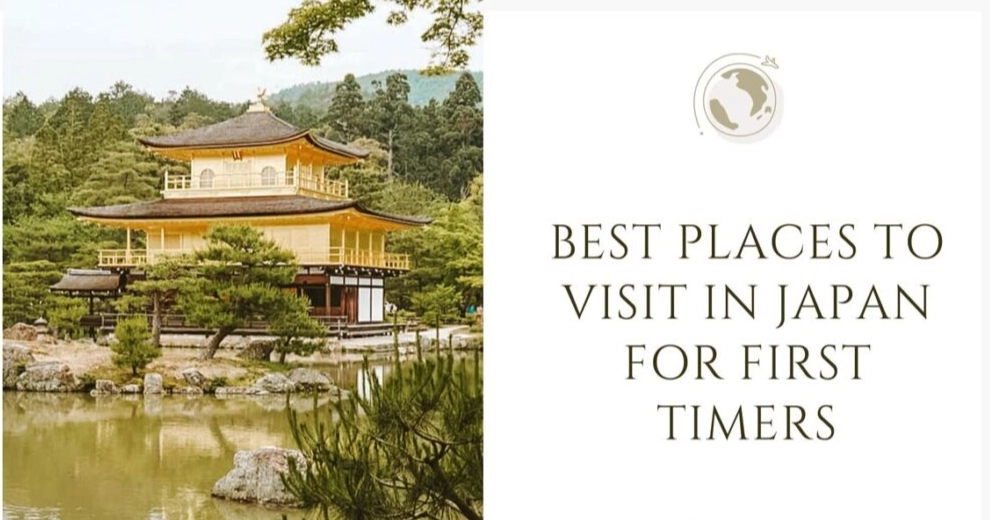
Afternoon: Take a bus across town to Kinkaku-ji, the Golden Pavilion (¥400). It's always crowded, but it's breathtaking. Pair it with the quieter Ryoan-ji rock garden.
Evening: Explore Pontocho Alley, a narrow lane packed with restaurants. Look for set menus or wander the Nishiki Market area earlier for food stalls.
Day 7: Higashiyama & Gion
Morning: Start at Kiyomizu-dera Temple (¥400), another early-bird spot. Walk down the preserved Sannen-zaka and Ninen-zaka slopes. Don't rush—this is the old Kyoto you imagined.
Afternoon: Continue to Yasaka Shrine and into Maruyama Park. Then, enter the iconic Fushimi Inari Taisha (free). Most people crowd the first few hundred meters of torii gates. Hike for 30-45 minutes up the trail to escape the crowds and find quieter, equally beautiful paths.
Evening in Gion: You might spot a geiko or maiko (Kyoto's geisha) scurrying to appointments around 5:30-6 PM. Be respectful—no blocking their path or shoving cameras in their faces.
Day 8: Nara Day Trip (or Kyoto Deep Dive)
Take a local train (about 45 mins, covered by JR Pass) to Nara. Feed the famous (and sometimes pushy) deer in Nara Park. The main event is Todai-ji Temple (¥600), housing a colossal Buddha statue in the world's largest wooden building. It's staggering.
If you're templed-out, skip Nara and explore Kyoto's Philosopher's Path or the Kyoto Imperial Palace. Or just get lost in the backstreets of Gion.
Days 9-10: Osaka – The Food & Soul
A short 30-minute train ride from Kyoto. Osaka is brasher, friendlier, and obsessed with food.
Day 9: Drop bags at your hotel (consider the Namba area). Head straight to Dotonbori in the evening. It's a neon-lit spectacle. Must-eats: takoyaki (octopus balls) from Kukuru, okonomiyaki (savory pancake) at Mizuno, and ramen from one of the countless shops. Don't just take a photo of the Glico Running Man sign—immerse yourself in the chaos.
Day 10: Visit Osaka Castle (the park is nice, the interior is a modern museum). Spend your last afternoon shopping for souvenirs in Shinsaibashi or at the Kuromon Ichiba Market. Have a final feast before heading to Kansai International Airport (KIX) for your flight home.
Comments