Your Quick Guide
Let's be honest. When you think of Japanese castles, your mind probably jumps straight to Himeji or Osaka. Wakayama Castle? It's often the one you hear about later, maybe from a friend who went off the beaten path. I was the same. I'd seen the pictures – a white keep perched on a hill, surrounded by trees. Nice, I thought. But is it worth going out of your way for?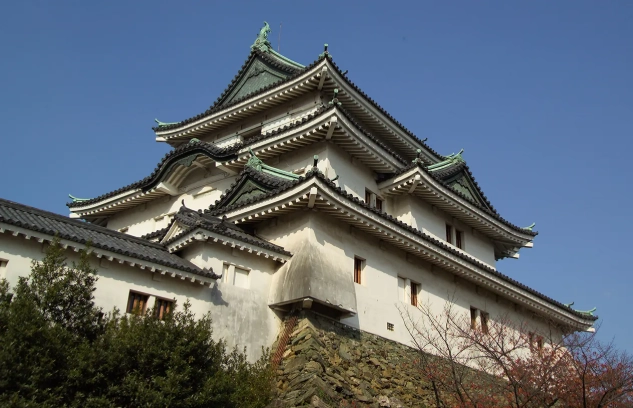
After finally visiting last fall, I can tell you it absolutely is, but maybe not for the reasons you'd expect. Sure, it's a castle. But the experience of Wakayama Castle is wrapped up in layers – history that's more dramatic than a samurai film, views that sneak up on you, and a feeling of discovering a place that hasn't been completely polished for mass tourism. It feels real.
This isn't just a list of facts. It's the guide I wish I'd had. We'll dig into the good, the bad (yes, there are a couple of letdowns), and everything in between to help you decide if Wakayama Castle should be on your Japan itinerary.
Quick Reality Check: First thing to know – the main keep (tenshukaku) you see today is a concrete reconstruction from 1958. If you're a pure history buff seeking only original Edo-period structures, that might be a deal-breaker. But dismissing it for that alone means missing out on a fascinating site that has been central to the region's power for centuries. The stone walls, the gates, the location – that's the real, centuries-old deal.
The Story in the Stones: A History of Power and Rebellion
To understand Wakayama Castle, you need to understand its role. It wasn't built for show. It was built for control.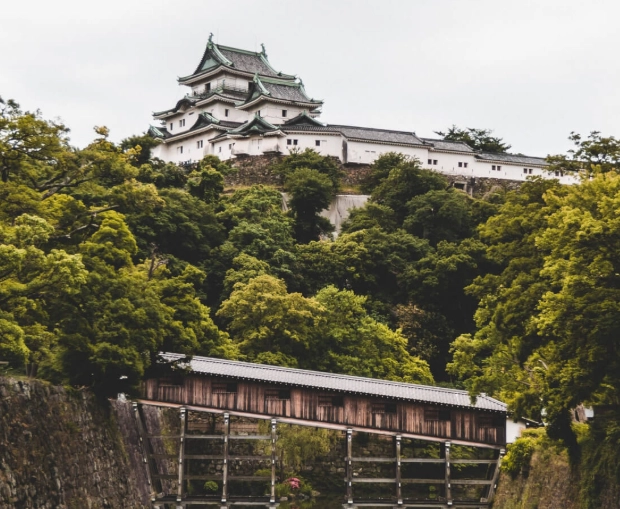
The story starts with Toyotomi Hideyoshi, the great unifier of Japan. In 1585, he ordered its construction, placing his brother Hidenaga in charge. Its position was strategic genius – guarding the entrance to the Kii Peninsula and overlooking the important Kitamaesen sea route. But the castle's destiny was truly shaped by another figure: Tokugawa Ieyasu.
After winning the decisive Battle of Sekigahara, Ieyasu gave Wakayama to his son, Yorinobu Tokugawa. This was huge. It made Wakayama the seat of one of the three great Tokugawa branch families, the Kishu-Tokugawa. These three families, known as the Gosanke, were next in line to provide a shogun if the main line failed. Wakayama Castle was essentially a nursery for future rulers of Japan.
And it did. Two shoguns, Yoshimune and Iemochi, came from the Kishu lineage based right here.
Walking around the base, you can feel that weight. The ishigaki (stone walls) are massive, built in the powerful and imposing nozura-zumi style (rough, uncut stones). They've withstood sieges, fires, and the passage of time. The castle was burned down not by war, but by lightning in 1846, only to be rebuilt... and then destroyed again by Allied bombing in 1945. The fact that it was rebuilt once more tells you how important this symbol is to the people of Wakayama.
Planning Your Visit: The Nitty-Gritty Details
Okay, let's get practical. How do you actually do this?
Getting There: Your Options, Ranked
Wakayama City is well-connected, but the castle is on a hill. Here’s how to tackle it.
| Method | How It Works | Pros | Cons | Best For... |
|---|---|---|---|---|
| Wakayama City Bus | Take bus #0 or #25 from JR Wakayama Station's Bus Pool #2. Get off at "Koen-mae" stop. | Cheap, drops you very close to the main Otemon gate. | Need to check schedule, can be crowded. | Budget travelers, first-timers. |
| Walking from JR Wakayama Station | A straight shot up Otemae Street. About 25-40 minutes uphill. | Free, lets you see the city approach the castle. | It's a steady climb. Can be tiring in heat. | Those with time and good stamina. |
| Taxi | Direct ride from station to castle entrance. | Fast, door-to-door, no hassle. | Most expensive option. | Families, groups, limited mobility. |
| Rental Bicycle | Rent from near the station (like at Wakayama Marina City). | Fun, flexible, can explore the park easily. | Still involves some uphill pedaling. | The adventurous, good weather days. |
I walked. I won't sugarcoat it – that last stretch up to the Otemon gate got my heart pumping. But turning around and seeing the view of the city slowly spreading out behind me was a reward in itself. If you're not up for the hike, the bus is painless and efficient.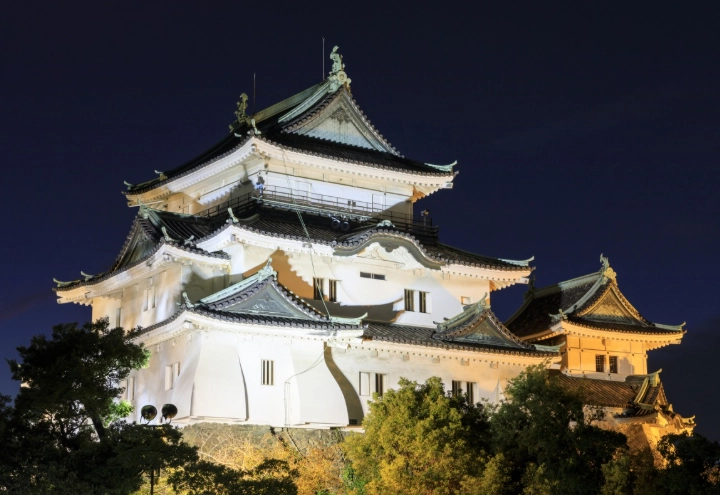
Tickets, Hours, and the Best Time to Go
- Admission Fee: A very reasonable 410 yen for adults (as of 2023). High school kids and below are cheaper or free. This gets you into the main keep museum.
- Hours: 9:00 AM to 5:30 PM (last entry at 5:00 PM). Closed from Dec. 29 to 31.
- Best Time of Day: Morning. The light is great for photos, and it's less crowded. Late afternoon is also beautiful for the golden hour glow on the white walls.
- Best Season: This is a tough one. Spring (late March - April) is the winner for most people because of the incredible cherry blossoms in the surrounding park. It's stunning, but also packed. Autumn (November) was my choice – the crowds were thin, the autumn colors were starting, and the air was crisp. Summer is hot and humid. Winter can be chilly but offers stark, beautiful views.
Pro Tip: Buy the combination ticket for 720 yen if you also plan to visit the nearby Wakayama Prefectural Museum. It's a good deal and the museum provides deeper context.
Inside the Keep: What You'll Actually See
So you've paid your 410 yen and stepped inside the reconstructed keep. What now?
The interior is a modern museum. Don't expect tatami mats and period rooms. It's open-plan floors with displays. Some people find this disappointing. I get it. You want to feel transported. But if you shift your expectations, there's value here.
The exhibits focus on the history of the Kishu-Tokugawa clan and the castle itself. You'll see:
- Armor and swords that belonged to the lords. The craftsmanship is breathtaking.
- Detailed models showing the castle's original, sprawling layout (it was much bigger).
- Historical documents and maps.
- Paintings and artifacts that give a glimpse into daimyo life.
The information is mostly in Japanese, but there are decent English placards for the major items. I spent about 45 minutes inside, reading the main displays.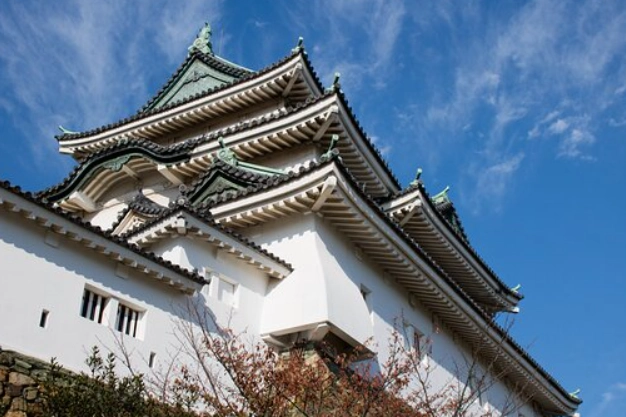
A Personal Take: The museum is informative, but it's not world-class. The real magic happens when you climb the stairs to the top floor. That's where the payoff is.
The Main Event: The View from the Top
This is it. The single best reason to visit Wakayama Castle.
You climb the final set of stairs and emerge onto the observation deck of the main keep. And wow. The 360-degree panorama is simply magnificent.
To the north, Wakayama City stretches out, a neat grid leading to the industrial port. To the south, you look over the lush, green expanse of Wakayama Castle Park and the Kii Mountains fading into the distance. On a clear day, you can see the curve of Wakayama Bay and even the Pacific Ocean.
It instantly clarifies the castle's strategic purpose. You see every approach, every road. You understand why a lord would feel in control here. I must have spent a good 20 minutes just slowly circling, picking out landmarks. It's one of the best urban castle views in Japan, in my opinion, because it combines city, mountains, and sea.
Bring your camera. Even a phone will capture stunning shots.
Beyond the Keep: Exploring the Castle Grounds
Don't make the classic tourist mistake of going up the keep, taking your photos, and leaving. The grounds of Wakayama Castle are a destination in themselves, especially the park that surrounds it.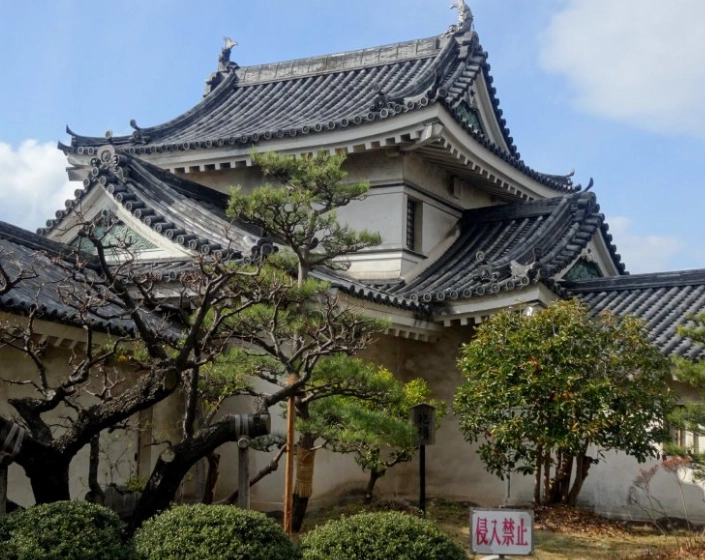
Wakayama Castle Park (Ohashi Roka)
This isn't just a lawn. It's a sprawling, beautiful park that was once part of the castle's innermost defenses. Now, it's a place for picnics, strolls, and, most famously, cherry blossoms.
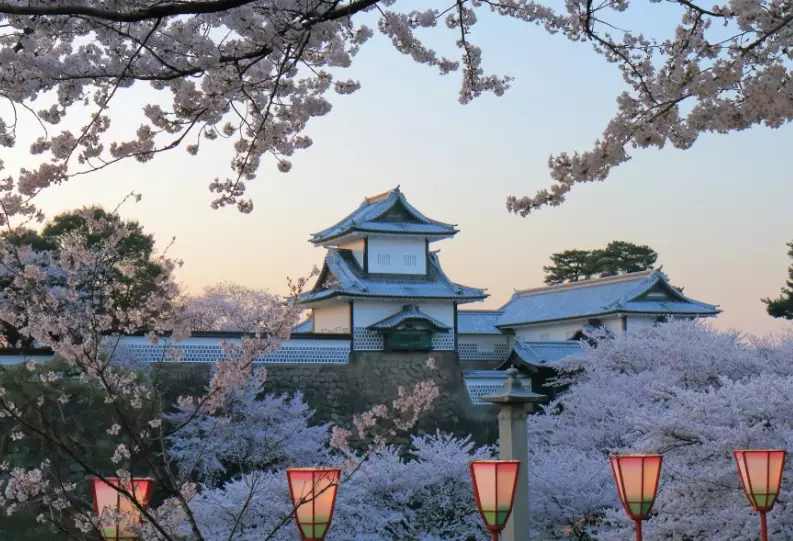
In spring, over 600 cherry trees burst into bloom. The sight of the white castle framed by soft pink sakura is iconic. The park gets lively with hanami (flower-viewing) parties. If you can handle the crowds, it's unforgettable. In other seasons, it's a peaceful green escape.
Key Structures to Look For
- Ohashi Roka (Covered Corridor Bridge): A beautiful, red-painted wooden bridge that once connected the main palace to the Ni-no-maru (second bailey). The current structure is a reconstruction, but it's incredibly picturesque, especially reflected in the moat.
- The Stone Walls and Gates: Wander the paths and really look at the masonry. The size of the stones at the base of the keep is humbling. Look for the Okaguchi Gate and the Tamon Yagura (a long, low defensive building on the walls), which are both original Edo-period constructions.
- The Inner Moat: Still filled with water, it's home to a surprising number of koi carp and turtles.
Yes, but for different reasons. Himeji is the ultimate pristine, original castle. It's a masterpiece of architecture. Wakayama Castle is about context, power, and a stunning view. It feels more integrated with its city and landscape. It's also far less crowded, which allows for a more relaxed experience. Think of Himeji as the grand opera and Wakayama as a compelling historical novel.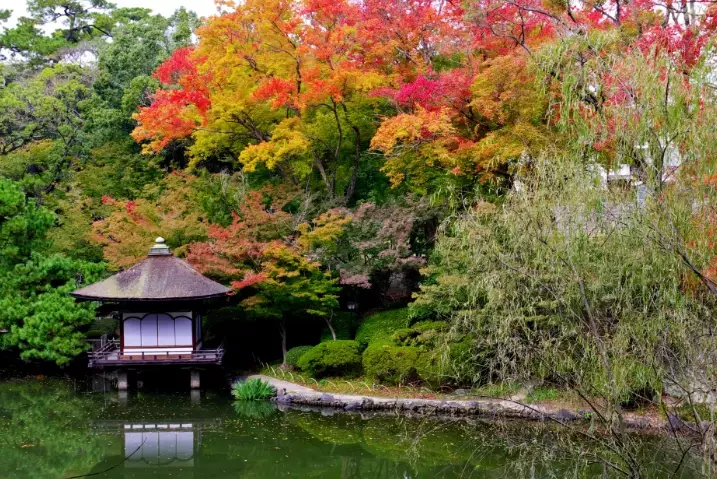
A solid half-day. Allow 1-1.5 hours for the castle keep and immediate grounds. If you want to leisurely explore the park, have a coffee, or visit the nearby prefectural museum, you can easily fill 3-4 hours.
This is a tricky one. The park paths are generally flat and accessible. However, the main keep is not. It has multiple flights of steep, traditional stairs with no elevator. The observation deck is only reachable by climbing. The stone paths around the base can also be uneven. For detailed accessibility information, it's best to check the official Wakayama Tourism website or contact them directly.
- From the park, looking up at the keep with cherry blossoms (spring) or autumn leaves.
- The reflection of the keep in the inner moat, near the Ohashi Roka bridge.
- The view FROM the top, obviously.
- Close-up of the massive stone foundations from the path below.
Wakayama Castle as a Gateway
One of Wakayama Castle's greatest strengths is its location as a starting point for deeper exploration. Wakayama Prefecture is a treasure trove.
After your castle visit, consider:
- Kumano Kodo Pilgrimage Trails: Wakayama City is a major gateway to the sacred Kumano Kodo UNESCO World Heritage routes. The castle lords were protectors of these trails. Visiting the castle first adds historical depth to a later hike.
- Wakayama Marina City & Porto Europa: A quirky, fun seaside resort with a European theme park. A complete contrast to the castle, perfect for families.
- Kishu (Kii) Toshogu Shrine: A gorgeously ornate shrine dedicated to Tokugawa Ieyasu, located in the foothills not far from the city. It's like a mini-Nikko and is directly connected to the castle's lords.
Final Verdict: Wakayama Castle surprised me. It's not the "greatest" castle in Japan by the strictest definition. But it offers a profoundly satisfying and layered visit. You get palpable history in the stones, a breathtaking panoramic view that explains its purpose, and a beautiful park to unwind in. It's a place that engages you more than it lectures you. Combine it with the friendly, unpretentious vibe of Wakayama City, and you have a perfect day trip or a compelling start to a deeper journey into the Kii Peninsula. Just wear good shoes for those hills.
So, should you go? If you want to check a perfect, textbook castle off a list, maybe not. But if you want to stand where shoguns were raised, to earn a view that makes you gasp, and to connect with a side of Japan that feels genuine and slightly undiscovered, then Wakayama Castle is waiting for you at the top of the hill.


Comments