Explore This Guide
- Getting Your Bearings: Where is Nagoya and How to Get There?
- The Heart of the City: Must-See Nagoya Attractions
- The Real Star: Nagoya's Food Scene
- Getting Around: Nagoya's Transportation Made Simple
- Perfect Nagoya Itineraries: From One Day to a Long Weekend
- Beyond the City: Unmissable Day Trips from Nagoya
- Where to Stay in Nagoya: Area Breakdown
- Final Thoughts and Practical Tips
Look, when most people plan a trip to Japan, they think Tokyo, Kyoto, Osaka. Nagoya? It's often that blur you see from the shinkansen window. I get it. I used to think the same. But after spending more time there than I'd planned (thanks to a missed connection and a genuine curiosity), I realized something. Nagoya gets a bad rap. It's not just an industrial hub or a Toyota company town. It's a city with its own distinct flavor, incredible history that's literally towering over you, and food that will make you question why you ever bothered eating elsewhere.
This isn't a fluffy, promotional piece. This is the Nagoya travel guide I wish I had. We'll talk about the famous spots, sure. But we'll also dig into the neighborhoods that feel real, the meals worth building a day around, and the day trips that are stupidly easy. We'll also talk about what's not worth your time. Because let's be honest, time is the one thing you never get back on a trip.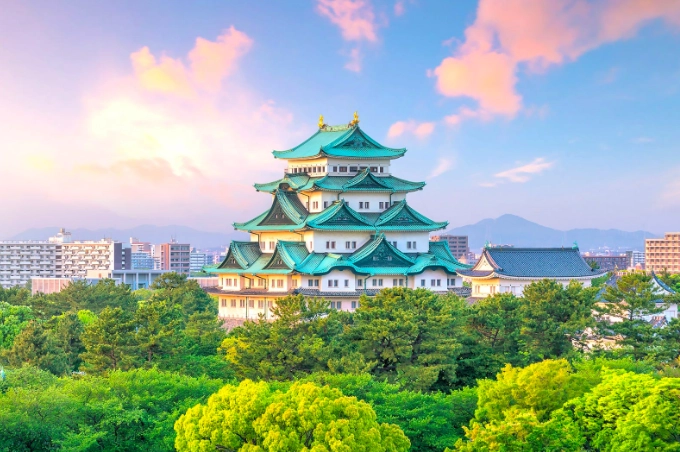
Getting Your Bearings: Where is Nagoya and How to Get There?
Nagoya sits smack in the middle of Japan's main island, Honshu. This central location is its secret weapon. It means you're within easy reach of pretty much everything. Kyoto? 35 minutes by bullet train. Tokyo? About 1 hour and 40 minutes. Ibaraki for the mountains? Not far. This makes Nagoya a fantastic base, not just a destination.
Flying into Chubu Centrair International Airport (NGO) is a breeze. The airport is on an island, and the express train (μ-SKY) gets you to Nagoya Station in 28 minutes. Simple. If you're coming from elsewhere in Japan, you'll likely arrive at Nagoya Station, which is a beast of a building—part train hub, part shopping labyrinth, part hotel complex. Don't panic. Find the central information desk; they're incredibly helpful.
A quick tip right off the bat: Get a Manaca or Suica IC card. It works on nearly all trains, subways, and buses in the city, and even in many convenience stores. Saves you from fumbling with change for every single trip.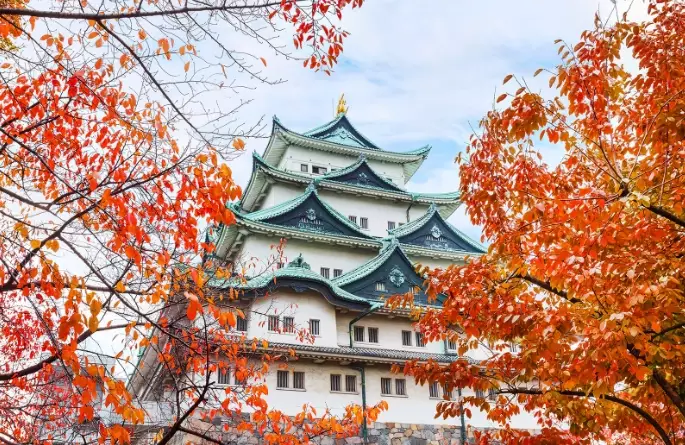
The Heart of the City: Must-See Nagoya Attractions
Let's cut to the chase. You're here to see stuff. Nagoya's attractions are a mix of majestic history and modern ingenuity. You can't talk about Nagoya travel without starting with its iconic symbol.
Nagoya Castle: The Phoenix (Literally)
The original castle, built in the early 1600s, was a masterpiece. It didn't survive WWII. What stands today is a concrete reconstruction from 1959. Now, some purists turn their nose up at this. "It's not authentic," they say. And technically, they're right. The interior is a modern museum.
But here's my take: Go anyway. First, the scale is still imposing. Those giant stone walls and the moat are the real deal. Second, the museum inside does a great job explaining the castle's history and the Oda, Toyotomi, and Tokugawa clans who shaped this region (and all of Japan). Third, and most importantly, you get to see the famous kinshachi—the golden dolphin-like creatures on the roof. They're stunning. The current castle is undergoing a long-term project to rebuild the main keep using traditional wooden methods—a project you can learn about on the official Nagoya Castle website. Check the status before you go.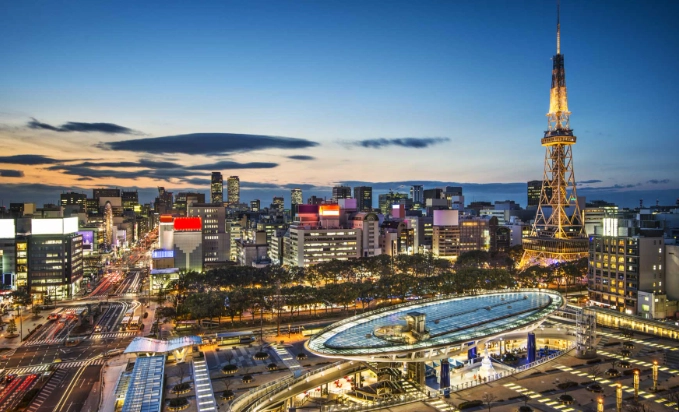
Atsuta Jingu Shrine: Where the Sacred Sword Resides
This is one of Japan's most important Shinto shrines, ranking right after Ise Grand Shrine. Why? It's said to house the Kusanagi-no-Tsurugi, one of the three Imperial Regalia of Japan (the sacred sword). You won't see it—it's never displayed—but you can feel the significance.
The grounds are vast and covered in ancient, towering camphor trees. The atmosphere is serene and powerful. It's a different energy from the bustling Fushimi Inari in Kyoto. This feels more solemn. After you pay your respects, you must try the shrine's specialty: kishimen noodles (flat udon) at one of the stalls or nearby restaurants. It's the perfect post-shrine visit meal.
Tokugawa Art Museum and Garden
If you have even a passing interest in samurai culture, fine arts, or what "old money" in Japan looked like, come here. The museum houses the private collection of the Owari Tokugawa family, who ruled the Nagoya domain. We're talking swords, armor, tea ceremony utensils, noh masks, and priceless scrolls like the 12th-century Genji Monogatari Emaki (The Tale of Genji Scrolls)—though these are only displayed during special exhibitions.
The adjacent Japanese garden is a stunner. It's a classic stroll garden with a large pond, carefully placed stones, and winding paths. It's quiet, contemplative, and a world away from the city just outside its walls. A fantastic one-two punch of culture and nature.
The Toyota Commemorative Museum of Industry and Technology
Don't let the dry name fool you. This isn't a corporate brochure. It's set in Toyota's original red-brick plant, and it tells the story of how a loom manufacturing company became a global automotive giant. The demonstrations of the old automatic looms are mesmerizing. The section on car manufacturing, with its rows of robots assembling parts, is pure sci-fi.
It's hands-on, engaging, and explains so much about Nagoya's modern identity. Even if you're not a car nut, the ingenuity on display is impressive. It's a testament to the city's spirit of monozukuri (craftsmanship and manufacturing).
The Real Star: Nagoya's Food Scene
Okay, let's get to the good part. For many, myself included, Nagoya travel is a culinary pilgrimage. The local cuisine (Nagoya meshi) is hearty, flavorful, and unabashedly proud of itself. It's comfort food with a distinct identity.
The Nagoya Food Hall of Fame
- Miso Katsu: The king. Forget the thin Worcestershire-based tonkatsu sauce. This is a deep-fried pork cutlet slathered in a thick, rich, dark red hatcho miso sauce. It's savory, slightly sweet, and utterly addictive. The miso has an umami punch that regular katsu sauce can't match. Go to Yabaton or Misokatsu Yabaton for the classic experience. They've been doing it forever.
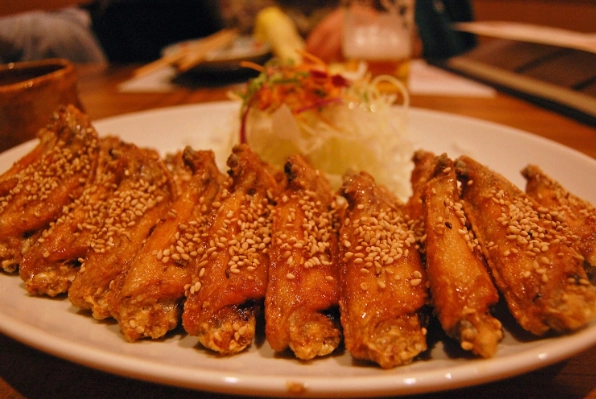
- Tebasaki: These aren't your average chicken wings. Nagoya tebasaki are twice-fried until crackling-crisp, then tossed in a sticky, sweet, salty, and peppery sauce. They're served without blue cheese dressing (heresy to some, perfection to others). Furaibō and Yamachan are the famous chains, and they're famous for a reason. Order a pile and a beer.
- Kishimen: As mentioned, those flat udon noodles. They have a wonderfully smooth, slippery texture and are usually served in a light broth with fish cake, spinach, and maybe a tempura shrimp on the side. The version at Atsuta Jingu is iconic, but you'll find it all over.
- Ankake Spaghetti: Yes, spaghetti. But it's topped with a thick, savory, stir-fry-like sauce usually containing vegetables, meat, and sometimes a raw egg. It sounds weird. It tastes like glorious, carb-loaded comfort. A staple at local kissaten (old-school coffee shops).
- Ogura Toast: A Nagoya breakfast classic. Thick toast slathered with butter and sweet red bean paste (anko). Don't knock it till you've tried it with a cup of black coffee. It works.
Where to eat? Besides the specific spots above, head to the Yabacho area near Sakae for a concentration of classic miso katsu and tebasaki joints. Osu Shopping Arcade is also packed with cheap, delicious street food stalls and tiny restaurants. Just follow your nose.
Getting Around: Nagoya's Transportation Made Simple
Nagoya's subway system is clean, efficient, and covers most places you'll want to go. The two main lines are the Red Higashiyama Line and the Blue Meijo Line (which runs in a loop). A day pass for the subway and city buses (Donichi Eco Kippu on weekends/holidays, Subway One-Day Pass on weekdays) is usually worth it if you're making more than two trips.
For wider exploration, the Noritake Garden and the Toyota Museum are a short walk from a different station (Sako on the Meijo Line, and Sako again plus a walk for the museum, respectively). Use Google Maps or Japan Travel by Navitime app—they're accurate for real-time train schedules and walks.
Perfect Nagoya Itineraries: From One Day to a Long Weekend
Here’s how I’d structure your time. These are realistic, accounting for travel time between spots and, most importantly, meal times.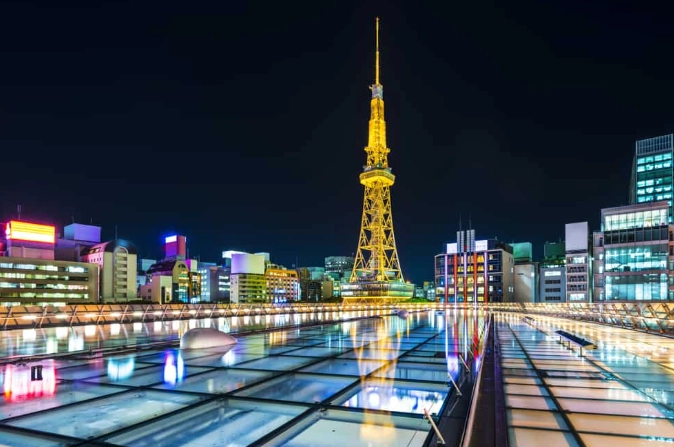
Nagoya in One Day (The Highlights Blitz)
This is tight but doable if you start early. Focus on the core.
- Morning: Nagoya Castle. Spend 2 hours here. Don't try to see every corner of the grounds; focus on the main keep and the view from the walls.
- Lunch: Head to the Yabacho/Sakae area. Get miso katsu. This is non-negotiable.
- Afternoon: Choose your vibe. Option A (History/Art): Tokugawa Art Museum & Garden. Option B (Modern/Industrial): Toyota Commemorative Museum. You won't have time for both.
- Late Afternoon/Early Evening: Osu Shopping Arcade. Soak in the chaotic, youthful energy, browse the weird and wonderful shops, and grab some tebasaki as a pre-dinner snack.
- Dinner: Find a local izakaya in the Sakae or Fushimi area for a wider taste of Nagoya fare and a drink.
The Ideal 2-3 Day Nagoya Itinerary
This is the sweet spot for Nagoya travel.
- Day 1: Follow the "One Day" plan above, but at a more relaxed pace. Maybe you do both the Tokugawa Museum and have a leisurely stroll in the garden.
- Day 2: Morning at Atsuta Jingu. Soak in the atmosphere, try the kishimen. Afternoon, head to the Port of Nagoya area. Visit the SCMaglev and Railway Park (if you like trains) or the Nagoya Port Aquarium. The Nagoya City Science Museum (with its giant globe planetarium) is also a hit, especially with kids. Have dinner in the port area with a view.
- Day 3: Day trip! This is where Nagoya shines. See the next section for your best options.
Beyond the City: Unmissable Day Trips from Nagoya
This is a huge part of the Nagoya travel appeal. You're centrally located for some of Japan's most profound and beautiful experiences.
| Destination | Travel Time (One Way) | Why Go | Key Experience |
|---|---|---|---|
| Ise Grand Shrine (Ise Jingu) | ~1.5 hrs by train | Japan's most sacred Shinto site. It's rebuilt every 20 years. | A spiritual walk through ancient forests to the inner shrine (Geku). |
| Inuyama Castle & Meiji Mura | ~30 mins to Inuyama | See one of Japan's 12 original castles (not a rebuild!) and an open-air architectural museum. | Climb the wooden keep of Inuyama Castle for stunning Kiso River views. |
| Gifu / Gujo Hachiman | ~30-45 mins to Gifu | Traditional castle town vibes. Gujo is famous for its pristine waterways and food replica samples! | In summer, see the cormorant fishing (ukai) on the Nagara River in Gifu. |
| Nabana no Sato (in Mie) | ~1 hour by bus | A massive flower park famous for its seasonal displays and one of Japan's best winter illuminations. | Walking through the breathtaking tunnel of lights (best visited Nov-March). |
| Kiso Valley (Tsumago & Magome) | ~1.5-2 hrs by train/bus | Hike a section of the historic Nakasendo trail between beautifully preserved post towns. | The 2-3 hour hike from Magome to Tsumago is a journey back in time. |
My personal favorite? The Kiso Valley. Getting to Nagiso Station and then taking a bus to the trailhead requires a bit of planning, but walking that stone path through the mountains, arriving in silent Tsumago where no cars are allowed... it's magical. It completely recontextualizes Japanese history after seeing Nagoya Castle.
Where to Stay in Nagoya: Area Breakdown
Choosing the right base makes all the difference. Here’s the lowdown:
- Nagoya Station Area: Best for convenience, especially if you're doing day trips. It's a major transportation hub with endless dining and shopping options (the Takashimaya and JR Gate Tower malls are right there). Can feel a bit impersonal and busy.
- Sakae/Fushimi: The downtown core. More nightlife, department stores (Matsuzakaya, Parco), theaters, and a central location for subways. This is where you feel the city's pulse. The Nagoya TV Tower and Oasis 21 complex are here.
- Kanayama: A quieter, more local alternative that's still just one subway stop from Nagoya Station and a few from Sakae. Good for a more relaxed, neighborhood feel with plenty of local restaurants.
I've stayed in all three. For a first-time Nagoya travel experience focused on sightseeing, I'd lean towards Sakae. You can walk to Osu, you're surrounded by food, and the subway access is perfect. If your trip is 90% day trips, then Nagoya Station wins for sheer efficiency.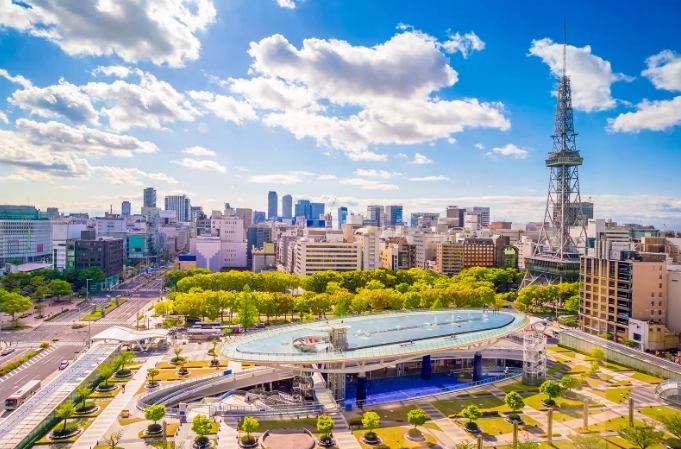
Common Nagoya Travel Questions (Stuff You're Actually Wondering)
Is Nagoya worth visiting or should I skip it?
Don't skip it if: You want a break from intense tourist crowds, you're deeply interested in Japanese history (samurai, Tokugawa, castles), you're a foodie on a mission, or you want a convenient base for exploring Central Japan. Skip it if: You have less than 5 days total in Japan and your heart is set on Tokyo/Kyoto/Osaka only.
What is the best time of year to visit Nagoya?
Spring (March-May) and Autumn (October-November) are ideal, just like most of Japan. Pleasant temperatures and fall colors at the castle are beautiful. Summer (June-August) is hot and humid. Winter (December-February) is cold but dry, and you have the bonus of illuminations like Nabana no Sato.
Is Nagoya expensive?
Compared to Tokyo, it's slightly cheaper for accommodation and dining. Compared to the Japanese countryside, it's more expensive. It sits comfortably in the middle. You can find excellent, budget-friendly meals (teishoku sets, ramen) easily.
How many days in Nagoya is enough?
Two full days for the city itself is perfect. Add one or two more days for day trips, and you have a fantastic 4-day regional itinerary. One day is enough for a taste, but you'll be rushing.
Can I use my JR Pass to get to Nagoya?
Absolutely. The Tokaido Shinkansen line (which connects Tokyo, Nagoya, Kyoto, and Osaka) is fully covered by the nationwide Japan Rail Pass. It's one of the best uses of the pass.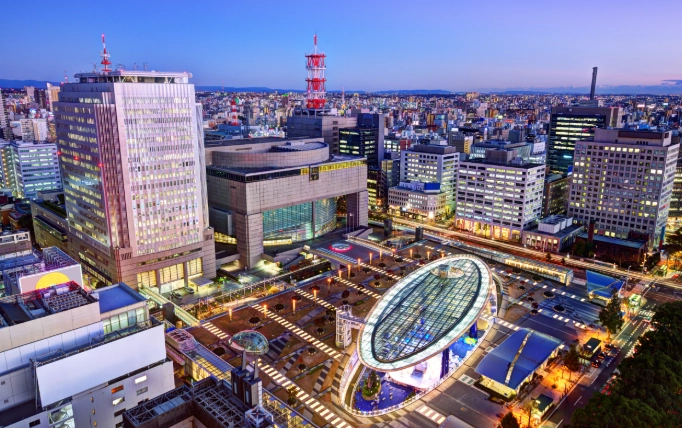
Final Thoughts and Practical Tips
Nagoya surprised me. It doesn't try to be Tokyo or Kyoto. It's confident in its own identity—a blend of proud history and no-nonsense modernity, all fueled by some of the best comfort food in the country. A successful Nagoya travel plan embraces that.
A few last, scattered tips:
- Learn the phrase "miso katsu onegaishimasu" (ミソカツお願いします). You'll use it.
- If you're into shopping for unique souvenirs, the Noritake Garden shop sells beautiful, often discounted, Noritake china. The Arimatsu area (a short train ride south) is famous for shibori tie-dye textiles.
- Check if your visit coincides with a festival. The Nagoya Festival in October with its parades is great, but even smaller local matsuri are fun.
- For the latest on events and specific opening hours, always double-check the official Nagoya Convention & Visitors Bureau website or the individual attraction sites. Schedules change, especially post-pandemic.
So, is Nagoya worth it? For the traveler looking to step off the well-worn Golden Route and into a city that feels genuinely lived-in, historically significant, and culinarily triumphant, the answer is a resounding yes. Give it two days. Let it surprise you. And for heaven's sake, order the miso katsu.



Comments