Let's be honest. You're standing in a crowded gift shop in Sendai, surrounded by rows of keychains, generic snacks, and mascot plushies. It all blurs together. You want something that actually says "Sendai," something your friends will remember, not just another trinket that ends up in a drawer. I've been there, guiding friends and family through this exact dilemma for years. The secret isn't just knowing what to buy, but understanding why these items matter here and where to find the good stuff away from the marked-up tourist spots.
This guide is different. We're skipping the fluff and getting straight to what makes a Sendai souvenir worth your suitcase space and your yen.
Your Quick Guide to Sendai Souvenirs
What Makes Sendai Souvenirs Unique?
Sendai isn't Tokyo or Kyoto. Its identity is rooted in the legacy of the Date clan, the lush greenery of the region, and a certain refined, understated elegance. The best souvenirs capture this spirit.
Forget plastic samurai helmets. Think of materials: exquisite tsumugi silk weaving, fragrant sasa (bamboo grass) crafts, and smooth kokeshi dolls from nearby Naruko Onsen. The flavors are earthy and seasonal—sweet pastes from edamame, robust beef jerky (sasakamaboko is the fish cake, but the beef is the sleeper hit), and savory sauces.
A common mistake? Buying a "Miyagi" souvenir that's actually mass-produced elsewhere in the prefecture. True Sendai items often have a direct link to the city's history or its specific craftspeople.
Top Sendai Souvenirs to Buy (Beyond Zunda)
Yes, zunda (sweet edamame paste) is the famous one. But it's just the opening act.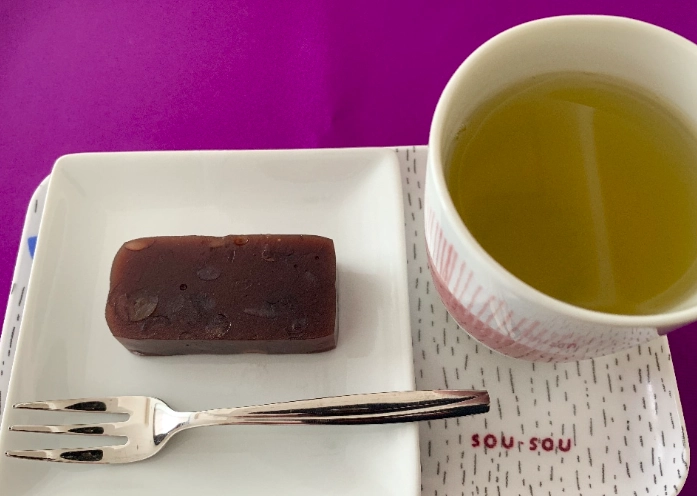
Food & Drink: The Edible Memories
Sendai Miso: Darker, richer, and aged longer than typical white miso. It's a umami bomb. Don't just get a small tub; look for miso-marinated snacks or even miso-flavored caramel. Ichimonya is a classic producer.
Gyutan (Beef Tongue) Items: You can't take the grilled restaurant experience home, but you can get gyutan jerky (gyutan biru) or vacuum-packed pre-marinated tongue to grill yourself. It's a bold, savory gift. Shops near the gyutan restaurants in the Ichibancho arcade are your best bet.
Sasa Kamaboko: This fish cake shaped like a bamboo leaf is iconic. It has a subtle, clean taste. The key is to buy it fresh from a dedicated kamaboko shop like Sasa-Kamaboko no Ajiwai near Jozenji-dori on your last day, as it only keeps for about a week refrigerated.
Crafts & Goods: Things That Last
Sendai Tansu: Obviously, you're not buying a full chest. But many workshops sell beautiful tansu-style boxes, jewelry cases, or coasters made with the same elaborate ironwork and woodworking techniques. They're heirlooms.
Miyagi Kokeshi Dolls: Specifically from the Naruko style, which often features a unique, squeaking head that twists. They're charming and represent the hot spring town just an hour from Sendai. Look for the artisan's signature on the bottom.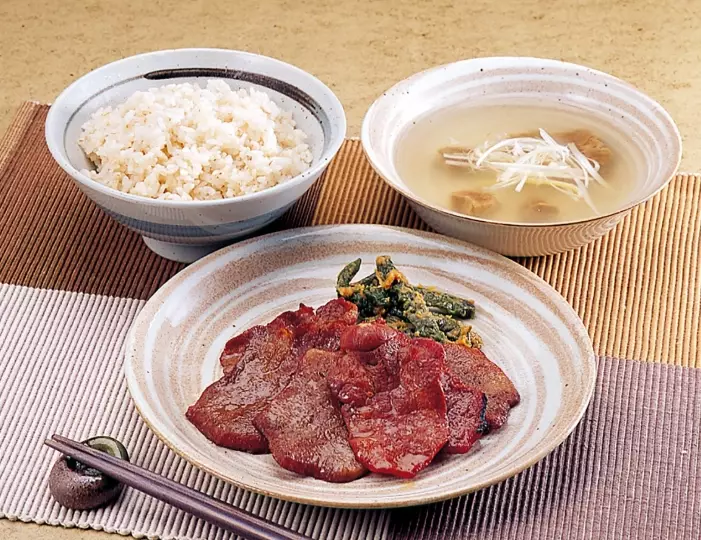
Sasa Leaf Crafts: From woven baskets to bookmarks and even small sake cups. The bamboo grass motif is everywhere in Sendai (it's Date Masamune's crest). It's a lightweight, natural, and distinctly local material.
A Quick Reference Table: Sendai Souvenirs at a Glance
Here’s a cheat sheet to help you prioritize based on taste, budget, and suitcase space.
| Souvenir | Category | Price Range (Approx.) | Best For | Key Consideration |
|---|---|---|---|---|
| Zunda Mochi/Monaka | Food | ¥800 - ¥2,500 | Sweet lovers, first-time visitors | Short shelf life (eat within 1-2 days). |
| Sendai Miso (Aged) | Food | ¥500 - ¥1,500 | Home cooks, umami seekers | Heavy! Consider a paste or snack form. |
| Gyutan Jerky | Food | ¥600 - ¥1,200 | Meat lovers, unique snackers | Long shelf life, easy to pack. |
| Sasa Kamaboko (Fresh) | Food | ¥400 - ¥1,000 per piece | Foodie adventurers | Needs refrigeration, consume fast. |
| Kokeshi Doll (Small) | Craft | ¥1,500 - ¥5,000 | Collectors, gift for homes | Fragile. Pack with care in clothes. |
| Tansu-style Small Box | Craft | ¥3,000 - ¥10,000 | Those wanting a lasting memento | Weight and value. A true craft item. |
| Sasa Leaf Coaster Set | Craft | ¥1,000 - ¥2,500 | Lightweight, natural gift | Eco-friendly and very "Sendai." |
Where to Shop for Sendai Souvenirs: A Location Guide
Location is everything. Here’s where to go based on your travel style.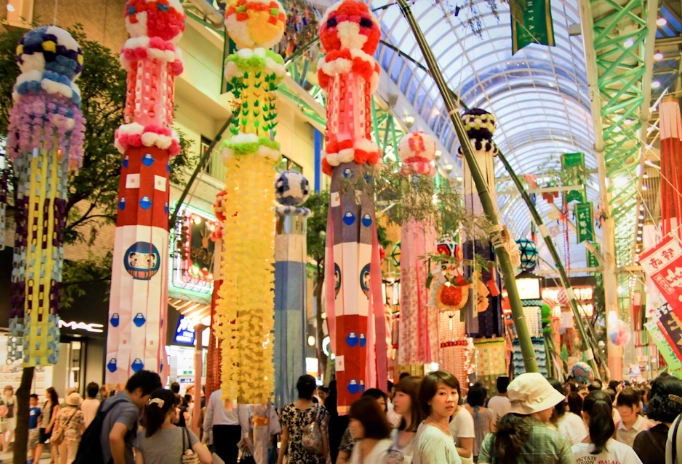
For Efficiency: Sendai Station & S-PAL Department Store
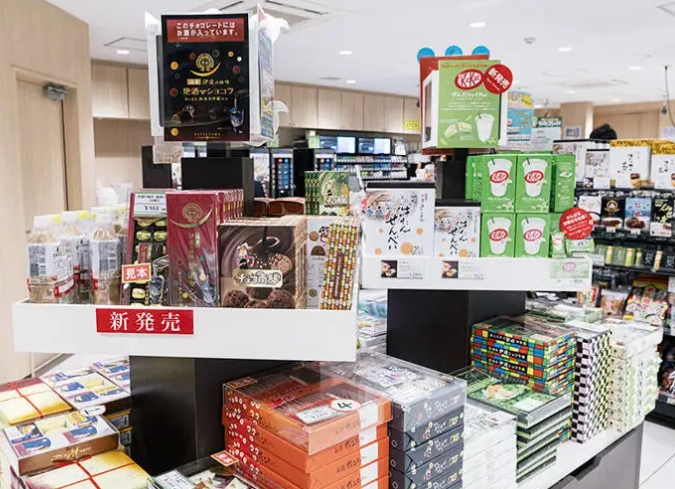
The "Miyagi Meisan Ichiba" (Miyagi Famous Products Market) in Sendai Station's basement is your one-stop-shop under pressure. It has everything from zunda to miso to crafts. It's convenient, slightly higher priced, and can be chaotic. S-PAL department store's food floor is more curated and upscale.
Perfect for: Last-minute shopping, wide selection in one place, rainy days.
For Authenticity & Atmosphere: The Side Streets of Ichibancho & Kotodai Koen
Step away from the station. The covered Ichibancho shopping arcade and the streets around Kotodai Park hide smaller, specialist shops.
- Kikukawa Sendai Miso: A historic shop where you can smell the aging miso barrels.
- Various Sasa Kamaboko specialty shops: Look for shops with workers shaping the paste right in the window.
- Local craft galleries: Often feature rotating works from Miyagi artisans, including tsumugi silk and lacquerware.
Perfect for: Finding unique items, talking to shopkeepers, supporting local businesses.
For the Experience: Sendai Airport
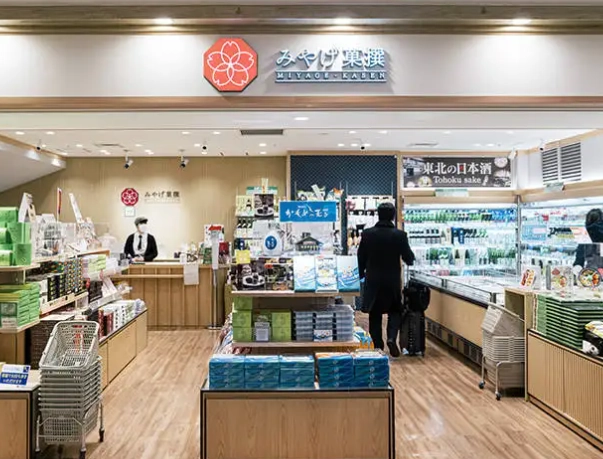
Sendai International Airport's departure lobby has a surprisingly excellent souvenir selection. It's your final safety net. They have all the major brands and regional specialties. Prices are fair, and they are experts at packing for travel.
Perfect for: Using up last yen, forgetting a gift for someone, buying fragile items right before your flight.
How to Choose the Right Sendai Souvenir
Ask yourself these questions before buying:
Who is it for? Your foodie brother? Gyutan jerky. Your minimalist friend? A sasa leaf bookmark. Your mom who loves crafts? A small kokeshi.
What's your luggage situation? Miso jars are heavy. Fresh kamaboko needs an ice pack (available at department stores). Dried goods and fabrics are your friends if you're packing light.
Do you value experience or object? Sometimes, bringing back a flavor to share over tea (like zunda or miso for soup) creates a better memory than a shelf object.
My personal rule? One "iconic" edible item (zunda), one "surprising" edible item (gyutan jerky), and one small, lasting craft item (a woven sasa trinket). This covers all bases.
Packing and Shipping Tips No One Talks About
This is where trips go wrong. Japanese department stores offer a legendary service: "takkyubin" airport delivery. You buy your heavy, fragile souvenirs, take them to the store's shipping counter (look for "Airport Delivery" or ask), and they ship them directly to the airport for pickup at your departure terminal. It costs around ¥1,000-¥2,000 per parcel and is worth every yen. S-PAL and major station shops do this.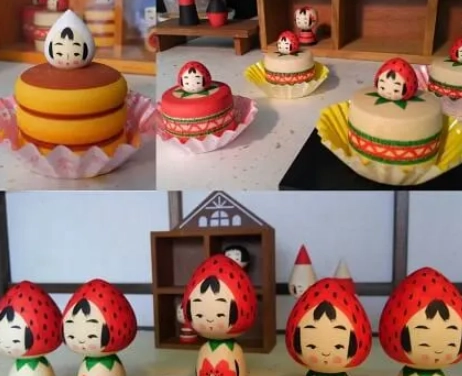
For food, most items clearly state shelf life. "Shohi kigen" is the expiration date. Anything with "生" (nama, meaning fresh) needs to be eaten quickly or refrigerated.
Pack crafts in the middle of your suitcase, wrapped in soft clothes. I've seen too many kokeshi dolls get a chip from a careless shoe.
FAQs Answered by a Local
Choosing Sendai souvenirs comes down to connecting with the city's character. It's in the deep flavor of aged miso, the clever ironwork on a small box, the rustle of a bamboo grass craft. Skip the generic stuff. Look for the items that tell a story about this dignified, green, and historically rich city. Your suitcase—and the people you gift—will thank you.

Comments