Quick Navigation
Ask someone what Shikoku is famous for, and nine out of ten will mention the 88 Temple Pilgrimage. That's the postcard answer. But if you stop there, you're missing the soul of the place. After spending weeks there, walking parts of the pilgrimage route and getting lost on backroads, I realized Shikoku's fame is a layered thing. It's in the springy texture of a perfect bowl of udon, the dizzying view from a vine bridge, and the quiet humility of a mountain temple far from the tourist trail.
The island, Japan's smallest main island, forces you to slow down. There's no bullet train cutting across it. That's its secret weapon.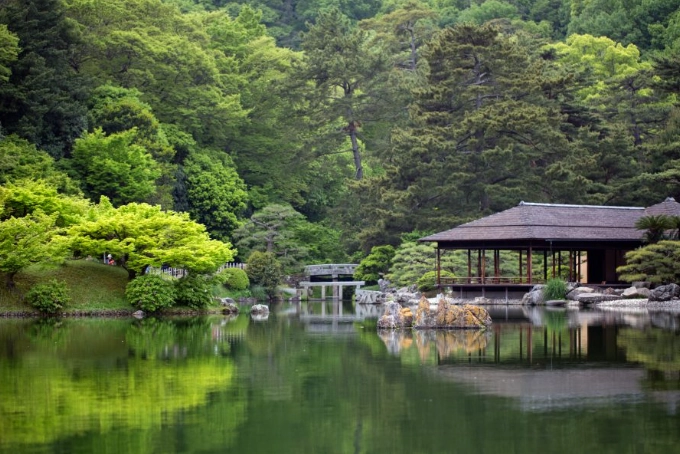
What is the Shikoku Pilgrimage? Beyond the Basics
The Shikoku Pilgrimage is a 1,200-kilometer circuit connecting 88 temples associated with the Buddhist monk Kukai. Pilgrims, called henro, walk it for spiritual growth. But here's the non-consensus part: you don't have to be Buddhist, or even walk the whole thing, to get its value.
The real magic often happens between the temples. You'll meet elderly locals who insist on giving you oranges or money (called osettai), a tradition of supporting pilgrims. The paths take you through forgotten villages and along stunning coastlines you'd never see from a car.
Thinking of Walking a Section?
The most popular starter section is the Shikoku Pilgrimage Temple 82 to 88, ending at Temple 88 in Kagawa. It's relatively gentle and well-serviced. Rent the white pilgrim gear (hakui coat) in Tokushima. It's not a costume—it signals your intent and often triggers incredible kindness from locals.
If walking isn't your thing, visiting a few key temples by car or bus is equally rewarding. Kotohira-gu (often called Konpira-san), while not part of the 88, is a massive shrine complex with 1,368 steps leading to a breathtaking view. It's a good test of stamina.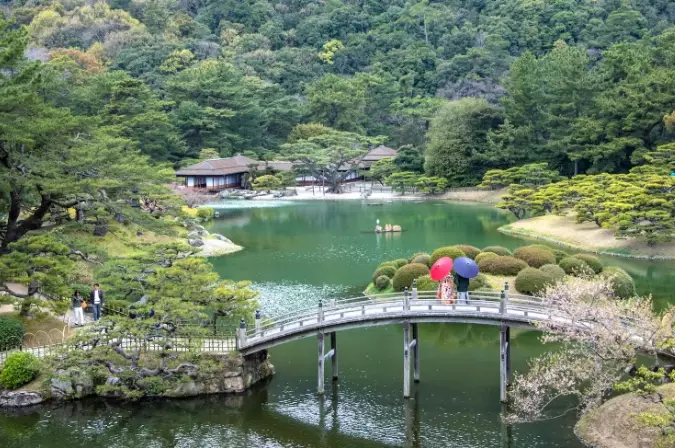
| Temple / Site | Prefecture | Key Feature | Access Tip |
|---|---|---|---|
| Ryozen-ji (Temple 1) | Tokushima | The starting point. Get your pilgrimage book (nokyocho) stamped here. | 10 min walk from Bando Station. Sets the tone. |
| Kongofuku-ji (Temple 38) | Kochi | Dramatically located on a rocky cape overlooking the Pacific. | Accessible by car. The ocean views are punishingly beautiful. |
| Unpen-ji (Temple 66) | Kagawa | The highest temple at 911m. Known for its 500 Rakan statues. | Drive or take a infrequent bus. The mountain air is crisp. |
| Kotohira-gu (Konpira-san) | Kagawa | Famous shrine with thousands of steps. Separate from the 88. | Train to Kotohira Station. Start early, wear good shoes. |
Shikoku's Natural Wonders: From Whirlpools to Hidden Valleys
Forget the crowds of Kyoto. Shikoku's fame also lies in its raw, accessible nature.
The Iya Valley: Japan's Last Hidden Frontier
Deep in Tokushima's mountains, the Iya Valley feels like a different world. It's famous for its vine bridges (kazurabashi), originally built by fleeing Heike warriors. The main one, Iya no Kazurabashi, is rebuilt every three years. Walking across the planks with gaps showing the river below is thrilling.
It sways. A lot.
Address: 162-2 Zentoku, Miyoshi, Tokushima 778-0102. Open: 8:00 AM - 5:00 PM (closes at 4:30 PM Dec-Feb). Admission: 550 yen. Getting there: You really need a car. It's about a 90-minute drive from Oboke Station. The winding roads are part of the experience.
The Naruto Whirlpools
Between Naruto City in Tokushima and Awaji Island, you'll find some of the world's largest whirlpools, caused by tidal currents in the Naruto Strait. You can view them from the Uzunomichi walkway underneath the Onaruto Bridge (free) or take a sightseeing boat for a closer, splashier look.
Ritsurin Garden: Perfection in Takamatsu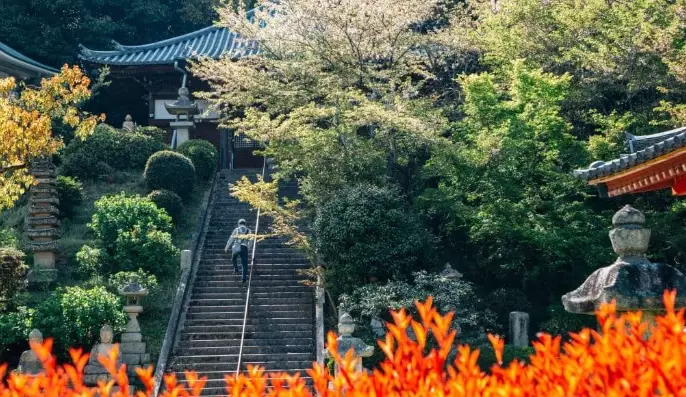
Often ranked as one of Japan's top gardens, Ritsurin Garden in Takamatsu is a masterpiece of the Edo period. It's not wild nature, but nature perfected. Stroll around the ponds, teahouses, and meticulously pruned pine trees for a couple of hours of pure calm.
Address: 1-20-16 Ritsurincho, Takamatsu, Kagawa 760-0073. Open: 7:00 AM - 5:00 PM (varies seasonally). Admission: 410 yen. Access: A 3-minute walk from JR Ritsurin-Koen Kitaguchi Station.
What is Shikoku Famous For? Food. Seriously.
This is where Shikoku punches way above its weight. Each prefecture has a signature.
Kagawa = Sanuki Udon. The kingdom of wheat. The udon here is chewy, smooth, and served in minimalist broths or with simple dips. Don't look for fancy decor; the best spots are often bare-bones.
My personal favorite is Yamagoe Udon in Takamatsu. It's in a grey industrial building, you get your noodles from a vending machine ticket, and you eat standing up at shared counters. It's perfect. Address: 5-20 Nakajimacho, Takamatsu. A bowl of classic kake udon is about 250 yen.
Kochi = Seafood. Known for katsuo no tataki—seared bonito tuna over straw fire, served rare with garlic, ginger, and ponzu. Try it at Hirome Ichiba, a huge, lively market hall in Kochi City where you can eat and drink at communal tables.
Tokushima = Sudachi & Awaodori Chicken. The tiny, fragrant sudachi citrus is in everything. The local chicken, Awaodori, is known for its rich flavor.
Ehime = Mikan & Jakoten. Ehime produces incredible citrus fruits (mikan). Jakoten is a unique fish cake made from ground local fish, delicious as a bar snack.
A Common Mistake
Tourists often stick to udon in Takamatsu and miss Kochi's vibrant food scene. If you love seafood and a lively atmosphere, allocate a full evening to Hirome Ichiba in Kochi City. It's not a sanitized tourist market; it's where locals go to unwind.
How to Plan Your Shikoku Trip: A Realistic Framework
Shikoku isn't a place you "pop into" for a day. The geography demands a plan.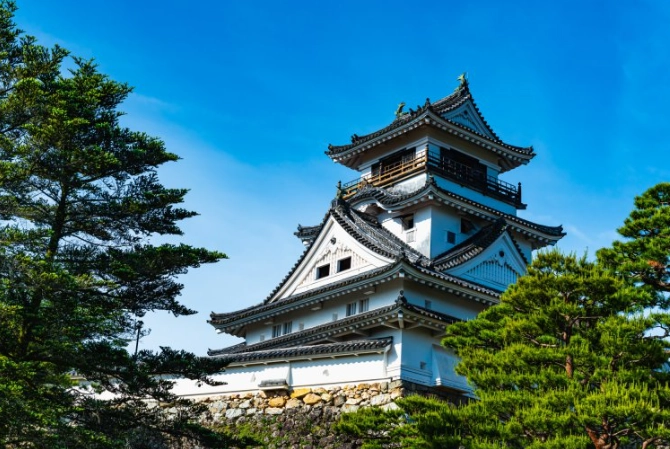
Getting There & Around
You'll likely enter via train from Honshu. The main gateway is Okayama, connecting to Takamatsu via the Seto Ohashi Bridge. There are also airports in Takamatsu, Matsuyama, Kochi, and Tokushima with domestic flights.
The golden rule: Rent a car. Public transport exists but is slow and infrequent outside cities. A car unlocks the Iya Valley, remote temples, and coastal drives. Companies like Toyota Rent-a-Car have offices at major stations and airports. Book early.
A Sample 5-Day Shikoku Itinerary
Day 1: Takamatsu. Arrive, pick up rental car. Ritsurin Garden, eat udon for lunch. Visit Yashima Plateau for views. Stay in Takamatsu.
Day 2: Tokushima & Iya Valley. Drive to Tokushima (1.5 hrs). Option to see Awa Odori Kaikan (dance museum). Drive deep into the Iya Valley (2+ hrs), cross the vine bridge. Stay at a traditional ryokan in the valley.
Day 3: Kochi. Drive from Iya to Kochi City (2.5 hrs). Visit Kochi Castle (one of Japan's few original castles). Evening at Hirome Ichiba market. Stay in Kochi.
Day 4: Matsuyama. Drive to Matsuyama in Ehime (2.5 hrs). Visit Matsuyama Castle via ropeway. Soak in the historic Dogo Onsen (check renovation status). Stay in Matsuyama.
Day 5: Return. Drive back to Takamatsu (2.5 hrs) or take a ferry from Matsuyama to Hiroshima.
This is a fast-paced loop. For a more relaxed trip focusing on one or two areas, add 2-3 more days.
Your Shikoku Travel Questions Answered
Is the Shikoku Pilgrimage only for religious people?
Not at all. While it has deep religious roots, many walk it for cultural immersion, personal challenge, or mental clarity. You can hike short sections, visit temples by car, or just explore the surrounding towns to soak in the atmosphere without any religious obligation. The community spirit along the route is the real draw.
What is the best food to try in Shikoku?
Sanuki Udon from Kagawa is non-negotiable—look for small, often family-run shops with a line of locals. In Kochi, try fresh ‘katsuo no tataki’ (seared bonito). Don't leave without sampling the myriad citrus varieties; a bottle of yuzu ponzu or sudachi juice makes a perfect souvenir. Skip the chain restaurants. Even convenience store onigiri made with local ingredients here are a step above.
How many days do I need to see Shikoku's highlights?
A tight 4-5 day loop by car can cover major sights: a day for Takamatsu (Ritsurin Garden), a day for the Iya Valley, a day in Kochi City and its castle, and a day for Naruto whirlpools or Dogo Onsen in Matsuyama. For a deeper dive, including a short pilgrimage hike, plan for 7-10 days. Rushing Shikoku misses the point.
Is Shikoku difficult to get around without a car?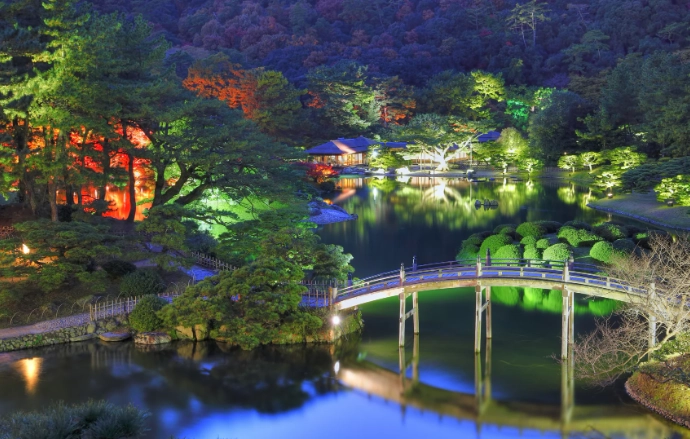
Major cities are connected by train, but exploring rural gems like the Iya Valley or remote temples requires a rental car. Public buses exist but are infrequent. For flexibility and access to the best views, renting a car is highly recommended, though an organized tour can be a good alternative if you're not comfortable driving. The train along the Seto Inland Sea coast is scenic, but it won't take you inland.
So, what is Shikoku famous for? It's famous for offering a version of Japan that feels more grounded, more generous, and less scripted. It's famous for challenges—whether climbing temple steps, crossing a wobbly bridge, or finishing a giant bowl of udon. It rewards the curious traveler who looks beyond the first, obvious answer.
My biggest regret? Not budgeting more time for the smaller towns along the pilgrimage route. Next time.

Comments