Let's talk about Sendai accommodation. You're planning a trip to Tohoku's largest city, maybe to see the famous Tanabata festival, visit the Sendai Castle ruins, or use it as a base for exploring Matsushima Bay. The first thing that hits you is the sheer number of options. Hotels near the station, business hotels tucked away on side streets, the occasional ryokan promising a traditional experience. It can be overwhelming.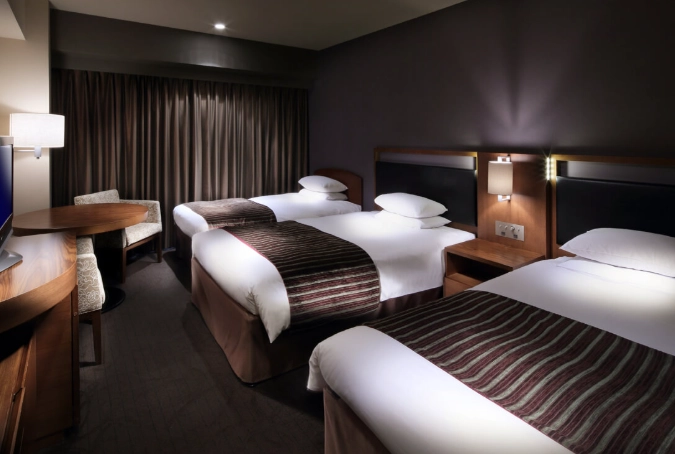
I've been traveling to Sendai for over a decade, for work and for fun, and I've made my share of booking mistakes. The biggest one? Picking a place just because it was cheap and close to the station, only to realize I was missing out on the quieter, more local neighborhoods that give the city its real charm. This guide is here to help you avoid that. We'll break down exactly what you need to know to book your perfect Sendai stay, whether you're a solo traveler on a budget, a family looking for space, or a luxury seeker wanting the best views.
Your Quick Guide to Sendai Stays
What Type of Sendai Accommodation Suits You?
Sendai's lodging scene isn't just about hotels. Your choice depends entirely on your trip's rhythm. Are you in and out for meetings? Here for a deep cultural dive? Let's match the place to the purpose.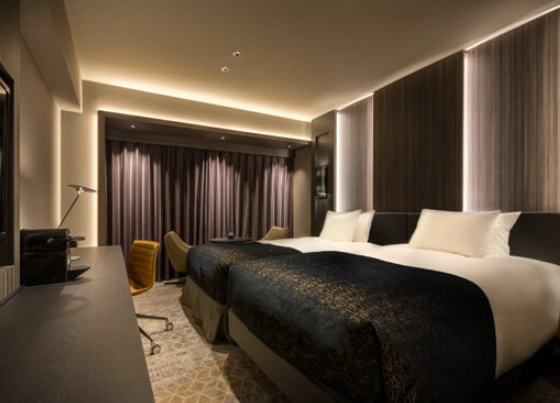
Western-Style Hotels: Efficiency and Convenience
This is the bread and butter of Sendai accommodation. You'll find international chains and reliable Japanese brands clustered around JR Sendai Station. They're predictable, clean, and incredibly functional.
| Hotel Name & Location | Key Features & Vibe | Price Range (per night) |
|---|---|---|
| Hotel Metropolitan Sendai (Directly connected to JR Sendai Station) | The ultimate in convenience. Walk off the Shinkansen and into the lobby. Great for short business trips or if you have heavy luggage. Rooms are modern but can feel a bit sterile. The breakfast buffet is legendary. | $$$ 18,000 - 30,000 JPY |
| Daiwa Roynet Hotel Sendai Nishikicho (5-min walk south of the station) | My go-to for a solid mid-range option. Slightly away from the station bustle, so it's quieter. Rooms are compact but smartly designed. They have larger "corner" rooms that are worth the upgrade if available. Free smartphone you can use for local calls and data. | $$ 9,000 - 15,000 JPY |
| Mitsui Garden Hotel Sendai (10-min walk east, near Kotodai Park) | A favorite for a more relaxed feel. It's close to the park and the Aoba-dori shopping street. The hotel has a nice public bath (onsen) on the top floor—a major perk after a day of walking. Less hectic than the station area. | $$ 10,000 - 18,000 JPY |
A common trap with these hotels is booking the cheapest "semi-double" room. They are often *tiny*, barely wider than the bed itself. If you're traveling with a suitcase larger than a carry-on, you'll be doing a puzzle to open it. Always check the room size in square meters if you value space.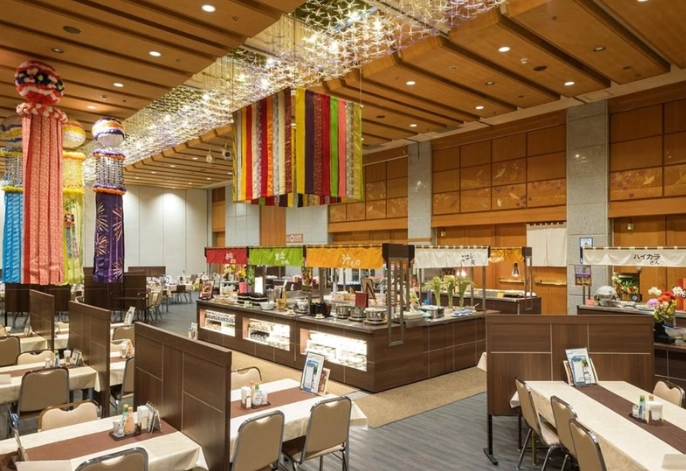
Ryokan and Guesthouses: The Local Experience
If you want to feel the texture of Sendai, look beyond the station. A ryokan (traditional inn) or a minshuku (family-run guesthouse) offers something hotels can't: a sense of place.
- Sakanaya Ryokan: This is a hidden gem in the Osaki Hachiman area, about a 15-minute subway ride from the center. It's a family-run ryokan that feels like a step back in time. You sleep on futons in tatami rooms, and the owner serves an incredible home-cooked breakfast featuring local Sendai specialties. It's not flashy, but it's authentic. Expect to pay around 12,000-20,000 JPY per person including breakfast. Book months in advance—they only have a few rooms.
- Sendai Guest House UNO: For the budget-conscious traveler who wants to meet people. Located in a quiet residential neighborhood near Toshogu Shrine, it's a bit of a walk (or a short bus ride) to the center. The atmosphere is friendly, the common area is great for swapping tips, and the price is unbeatable. Dorm beds start around 3,000 JPY, and private rooms are around 7,000 JPY.
Expert Tip: Many first-timers assume ryokans are only in rural areas. Sendai has a few, but they operate differently from famous onsen town ryokans. Dinner is often optional or not served at all. The focus is on the accommodation style and personal service, not necessarily a multi-course kaiseki meal. Always check what meals are included.
Where to Stay in Sendai: Picking the Right Area
Location is everything. Your ideal Sendai accommodation depends on what you want to do the moment you step outside.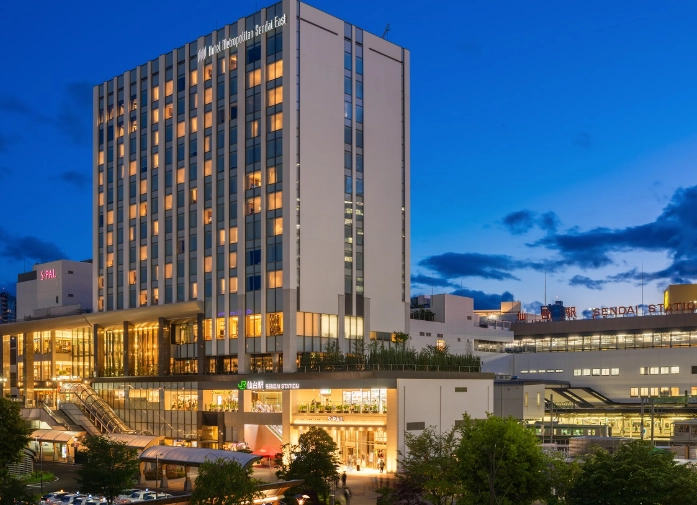
Sendai Station Area: The Transportation Hub
This is the obvious choice for many, and for good reason. JR Sendai Station is the nexus for all trains—Shinkansen, local lines, and the subway. The S-PAL and APITA department stores are attached, and dozens of restaurants are underground or within a two-block radius.
Best for: Business travelers, short stays (1-2 nights), travelers using Sendai as a transit hub to Yamadera, Matsushima, or Ginzan Onsen. Anyone who prioritizes ultimate convenience over local atmosphere.
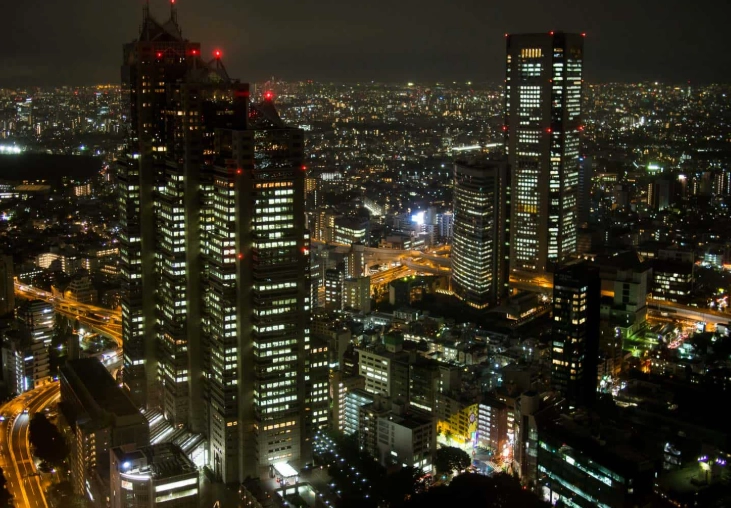
The downside: It's busy, can feel impersonal, and lacks the neighborhood charm you find elsewhere. After 9 PM, the immediate area can feel a bit deserted except for salarymen heading to izakayas.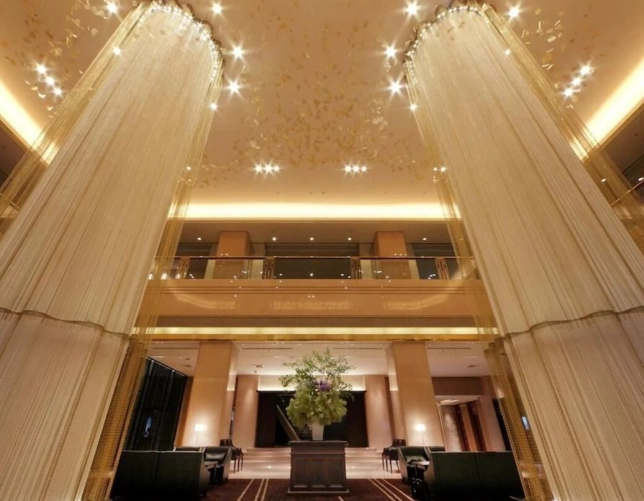
Kotodai Park & Ichibancho Area: Culture and Shopping
East of the station, along the tree-lined Aoba-dori avenue, you'll find a more refined vibe. This area is home to Kotodai Park, the Sendai Mediatheque, and the upscale Ichibancho shopping arcade.
Best for: Leisure travelers, couples, those interested in art and design. It's walkable to many sights (like the Sendai Castle site) and feels more "in the city" than just "at the station." The Sendai Official Tourism Website has great walking maps of this district.
Hotels here, like the Mitsui Garden I mentioned, offer a perfect middle ground. You're a 10-15 minute walk or a quick subway ride from the station, but you're immersed in Sendai's civic life.
Nishikicho & Asahicho: The Local Food Scene
South of the station, across the Hirose River, these neighborhoods are where locals live, eat, and drink. You'll find fewer big hotels and more business hotels, apartment-style hotels, and local izakayas. The vibe is residential and relaxed.
Best for: Travelers on longer stays, foodies who want to explore non-touristy restaurants, and those who prefer a quieter base. It's still very accessible—often just one subway stop from Sendai Station.
I stayed in a weekly apartment in Nishikicho once for a month. Waking up to shop at the local market and grabbing coffee at a neighborhood stand gave me a completely different perspective on the city.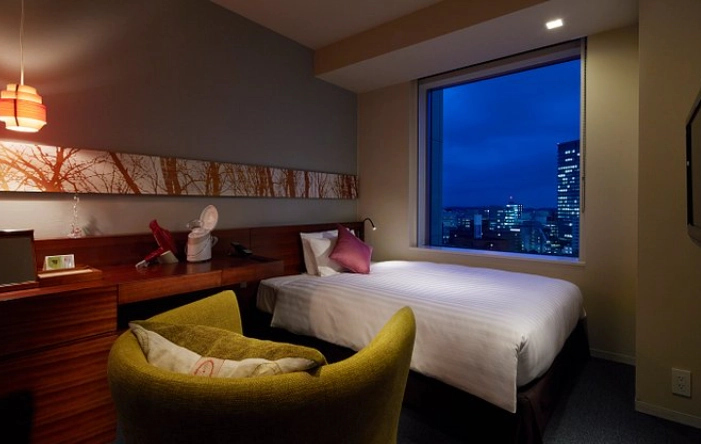
How to Book Your Sendai Stay Like a Pro
Finding Sendai accommodation is one thing. Booking it smartly is another.
Timing is Key: Sendai is a major business and university city. Avoid early April (university entrance ceremonies) and late November (corporate fiscal year-end events) if you want the best rates and availability. During the Tanabata Festival in early August, prices skyrocket and rooms sell out months in advance. Book at least 4-6 months ahead for that period.
Check Multiple Sites, Then Go Direct: Always cross-reference prices on aggregator sites (like Booking.com, Agoda) and then check the hotel's own Japanese website. Often, the direct site has "members-only" rates or packages that include breakfast or local gifts (like Sendai's famous zunda mochi). The Japanese site might also show room types that aren't listed on global platforms.
Consider an APA Hotel... Carefully: The APA chain is ubiquitous in Japan and in Sendai. They are ultra-efficient, very clean, and often the cheapest option. However, their rooms are famously, almost comically, small. The bathrooms are prefabricated plastic pods. They are perfect for a solo traveler who just needs a clean bed and a shower for one night. For anyone else, or for a stay longer than two nights, the cramped space can become oppressive. Know what you're signing up for.
Look for "Shower Room" vs. "Bathroom": In many Japanese business hotel listings, a room with a "shower room" only has a small stall. A room with a "bathroom" has a full tub. This seems minor, but after a long day of travel, a deep soak can be priceless. It's a detail often missed in translation.
Comments