Your Shikoku Adventure at a Glance
Shikoku isn't Japan's most famous island, and that's its greatest strength. Forget the crowds of Kyoto and the neon of Tokyo. A trip to Shikoku is a journey into the country's soul—ancient pilgrimage trails, misty vine bridges, wild coastlines, and onsen towns that feel lost in time. Figuring out the best things to do in Shikoku Japan requires a shift in mindset. It's not about ticking off a list; it's about immersion. This guide cuts through the generic advice. I've spent weeks driving its winding roads and talking to locals. I'll give you the actionable details you need to plan a trip that's truly yours, not just a copy of a tourist brochure.
Must-See Attractions & Hidden Gems in Shikoku
Shikoku's four prefectures—Kagawa, Ehime, Kōchi, and Tokushima—each have a distinct character. Don't try to see everything. Pick a few that resonate with you.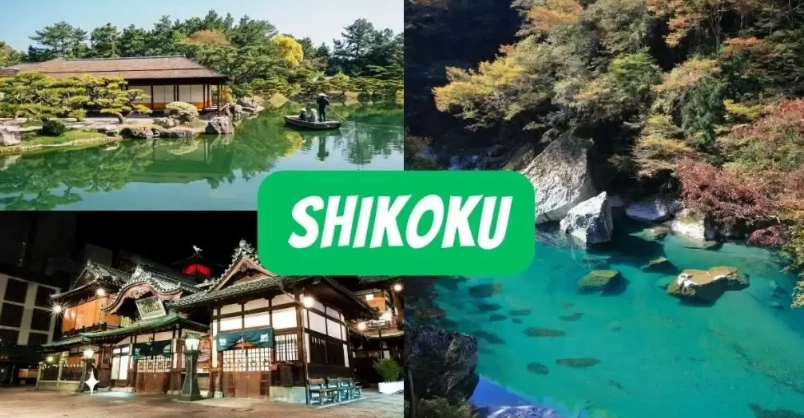
Kagawa Prefecture: The Refined North
Kagawa is famous for two things: udon and exquisite gardens.
Ritsurin Garden (Takamatsu): This isn't just a garden; it's a 16th-century feudal lord's masterpiece. You need at least two hours. The south garden is a classic "stroll garden" with ponds, bridges, and meticulously pruned pines framing the backdrop of Mt. Shiun. The admission is ¥410 for adults. It's open from 7:00 AM (8:30 AM from Oct to Mar) until 5:00 PM. A common mistake is rushing through. Sit at the Kikugetsu-tei tea house (¥500 for matcha and a sweet), gaze at the pond, and let the view sink in. It’s a 20-minute bus ride from JR Takamatsu Station.
Kotohira & Konpirasan (Kotohira-gu Shrine): The 1,368-step climb to the main shrine is a rite of passage. The real secret? The inner shrine, another 583 steps up, is where you'll find serenity and fewer people. The climb is free, but the treasure hall at the top (¥800) houses fascinating artifacts. The town of Kotohira below is charming. Skip the generic souvenir shops and look for workshops making traditional kagawa hariko papier-mâché toys.
Tokushima Prefecture: The Wild East
This is where Shikoku gets rugged and spiritual.
The Iya Valley: This is the heart of Shikoku's hidden Japan. The Kazurabashi (Vine Bridges) are the poster child. There are two: the tourist-focused one in West Iya (¥550, 9:00-17:00) and the more rustic, less crowded one in East Iya. My advice? See the West Iya one, but then drive deeper. The Scarecrow Village (Nagoro) is a haunting, beautiful art project by a local artist, Ayano Tsukimi. It's free and utterly unique. The Oku-Iya Double Vine Bridges are a tougher, more rewarding hike. To truly experience Iya, you need to stay overnight in a minshuku (family-run guesthouse). Driving is mandatory here; public transport is virtually non-existent.
Awa Odori Kaikan (Tokushima City): Even if you miss the insane August festival, this museum lets you experience it year-round. For ¥600, you can watch professional dancers, try on a festival costume, and even learn a few basic dance steps. It's kitschy but genuinely fun. Open 9:00-17:00.
Kōchi Prefecture: The Proud South
Kōchi people are known for their fierce independence, and the landscape matches that spirit.
Kōchi Castle: One of Japan's twelve original castles, not a concrete reconstruction. The main keep (tenshukaku) costs ¥420 to enter. You can climb all the way to the top floor for views over the city. The castle park is free and lovely for a stroll. It's a 25-minute walk or a short tram ride from JR Kōchi Station.
The Shimanto River: Called "Japan's last clear stream." The classic activity is a river boating (kawabune) tour near the iconic Chinkabashi (submersible bridges). A 30-minute boat ride costs about ¥1,500 per person. The real magic is driving along Route 381, stopping at small towns like Nakamura for sawachi ryori (large platter cuisine).
Cape Muroto: A dramatic, wind-swept cape with a lighthouse and walking trails. The Muroto Global Geopark center explains the unique geology. It's free. This is a place for atmosphere, not a checklist. Go at sunset.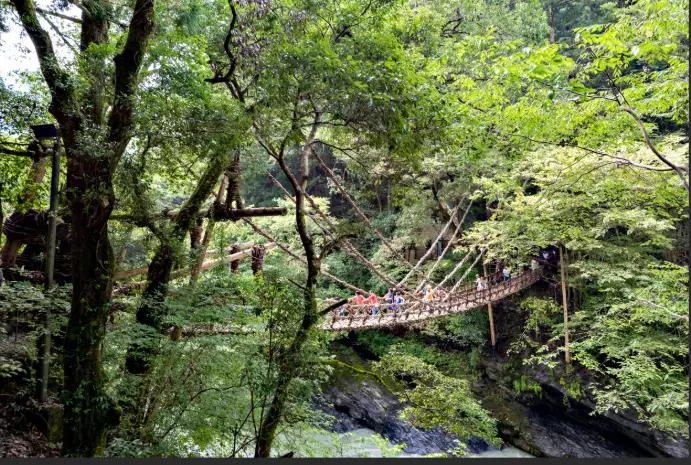
Ehime Prefecture: The Historic West
Ehime feels prosperous and cultured, centered around its beautiful castle town.
Matsuyama Castle: Accessible by chairlift or ropeway (¥510 round-trip) or a steep walk. The castle itself is another original. The view from the top over the Seto Inland Sea is worth the trip alone. Admission to the castle keep is ¥520. Combine it with a visit to the nearby Ninomaru Historical Garden.
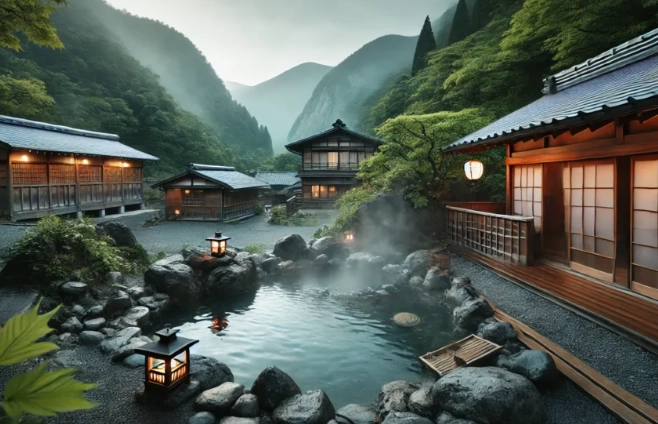
Dōgo Onsen Honkan (Matsuyama): This is the iconic, multi-story wooden onsen that inspired Miyazaki's Spirited Away. You have options: a quick public bath on the first floor (Kami-no-Yu, ¥450), a more elaborate bath with a tatami rest room (Tama-no-Yu, ¥1,550), or a private suite (¥2,050). Go for Tama-no-Yu to get the full experience, including yukata rental and tea in the gorgeous wooden rest hall. It's open from 6:00 AM to 11:00 PM (last entry 10:00 PM). A common error is going in the evening when it's most crowded. Try a morning visit for peace.
Uchiko: A perfectly preserved town known for its Yōkaichi Old Town street of white-walled merchant houses and the Uchiko-za, a beautiful 1916 kabuki theater. You can tour the theater for ¥400. It's a 30-minute train ride from JR Matsuyama Station on the private Iyo Railway. Much quieter than Takayama or Kurashiki.
The Perfect 7-Day Shikoku Itinerary
This loop itinerary assumes you're renting a car, which I strongly advise for flexibility. You can start from either Takamatsu or Matsuyama airports.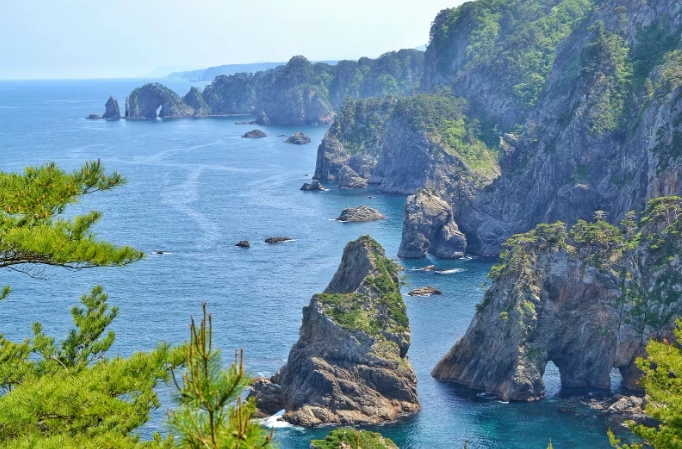
| Day | Route & Focus | Key Activities & Overnight | Driving Time |
|---|---|---|---|
| 1 | Arrive Takamatsu (Kagawa) | Pick up rental car. Visit Ritsurin Garden. Evening udon tasting in town. Overnight Takamatsu. | - |
| 2 | Takamatsu → Iya Valley (Tokushima) | Drive to Iya Valley via the scenic Oboke Gorge. Cross the Kazurabashi, visit Scarecrow Village. Overnight at a traditional ryokan or minshuku in Iya. | ~2.5 hours |
| 3 | Iya Valley → Kōchi | Morning hike or explore deeper Iya. Afternoon drive to Kōchi City. Visit Kōchi Castle (open late). Evening at Hirome Market for food stalls. Overnight Kōchi. | ~2.5 hours |
| 4 | Kōchi → Shimanto River → Cape Muroto | Drive to the Shimanto River for a boat tour or scenic drive. Continue to Cape Muroto for sunset. Overnight in Muroto or back in Kōchi. | ~3-4 hours (scenic) |
| 5 | Kōchi → Uchiko → Matsuyama (Ehime) | Drive north to Uchiko (stop for lunch and explore). Continue to Matsuyama. Evening soak at Dōgo Onsen. Overnight Matsuyama. | ~2.5 hours |
| 6 | Matsuyama → Kotohira → Takamatsu | Morning visit to Matsuyama Castle. Drive to Kotohira, climb Konpirasan. Drive back to Takamatsu. Overnight Takamatsu. | ~2 hours |
| 7 | Departure | Last-minute shopping (olive products, udon), return car, fly out from Takamatsu. | - |
If you don't drive, a truncated version using trains and buses is possible: Focus on Takamatsu, Matsuyama, and Kōchi City, doing day trips to Kotohira and Uchiko. You'll miss Iya and the Shimanto River, but you'll still get a great taste.
What & Where to Eat: The Food Highlights You Can't Miss
Shikoku's cuisine is regional and proud.
Sanuki Udon (Kagawa): This is Japan's udon capital. The noodles are chewy, square-cut, and served in a delicate broth. Don't just go to a fancy restaurant. The best experiences are at self-service teishoku shops. Try Kamameshi Shiraishi (Takamatsu) for their classic kake udon (¥500) or Yamadaya for niku bukkake udon (udon with seasoned meat).
Katsuo no Tataki (Kōchi): Seared bonito, a Kōchi specialty. The outside is charred over straw, the inside raw. It's served with garlic, ginger, and ponzu. Hirome Market in Kōchi City is the place to try it. Grab a plate from any stall (around ¥800), find a seat at the communal tables with a local beer.
Jakoten (Ehime): A fish cake made from ground white fish, deep-fried. It's a cheap, delicious snack. You'll find it in markets like Matsuyama Gintengai Arcade.
Sōmen Nagashi (Tokushima/Iya): In summer, some restaurants serve flowing cold noodles (sōmen) in a bamboo flume. You catch them with your chopsticks as they float by. It's as fun as it is delicious. Look for signs that say "流しそうめん" (nagashi sōmen).
Iya Soba (Tokushima): In the Iya Valley, buckwheat noodles are the staple. They're darker and more rustic than standard soba. Any local minshuku will serve an incredible homemade version.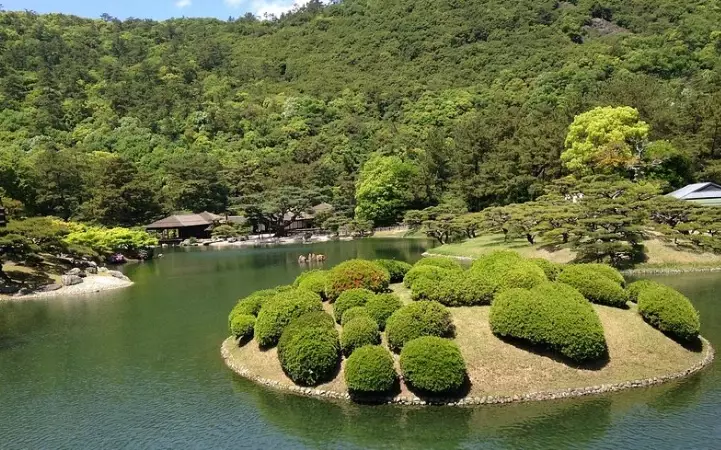
Practical Travel Tips & How to Get Around Shikoku
Getting There: Fly into Takamatsu (TAK) or Matsuyama (MYJ) from major Japanese hubs like Tokyo (Haneda), Osaka (Itami), or Fukuoka. You can also take a bullet train to Okayama on Honshu, then transfer to a limited express train over the Seto Bridge to Takamatsu (about 1 hour).
Getting Around:
- Rental Car: Essential for Iya, Shimanto, and Cape Muroto. Book in advance via Toyota Rent-a-Car, Nippon Rent-a-Car, or Times Car Rental. Pick up/drop off at an airport. Expect to pay ¥7,000-¥12,000 per day including insurance.
- Trains: Efficient for connecting major cities (Takamatsu, Matsuyama, Kōchi, Tokushima) on the JR Shikoku network. Consider a JR All Shikoku Rail Pass if doing a non-driving trip (3-day pass ~¥10,000).
- Buses: Necessary for some specific routes, like to the Iya Vine Bridge from Oboke Station, but infrequent. Timetables are your bible.
Accommodation: Mix it up. Book business hotels in cities (Toyoko Inn, Dormy Inn) for convenience. In Iya, splurge on a ryokan with a private onsen overlooking the valley. In Matsuyama, stay near Dōgo Onsen for the atmosphere.
Budget: Shikoku is cheaper than Tokyo or Osaka. A mid-range daily budget (mid-range hotel, car rental split between two, meals, attractions) is around ¥15,000-¥20,000 per person.
Your Shikoku Questions, Answered
How many days are enough for Shikoku?
A full week (7 days) is ideal for a relaxed yet comprehensive Shikoku trip. This allows you to cover the highlights of each prefecture—Tokushima, Kōchi, Ehime, and Kagawa—without rushing. You can dedicate a day or two to major attractions like the Iya Valley, Dōgo Onsen, and Kotohira, with time for scenic drives and spontaneous discoveries. If you're short on time, a 4-5 day trip focusing on two prefectures (e.g., Kōchi and Ehime) is possible but requires careful planning and likely skipping some remote areas.
Is it worth renting a car in Shikoku?
For exploring beyond the major cities, renting a car is highly recommended and often essential. Shikoku's most captivating sights—the Iya Valley, the Shimanto River, Cape Muroto—are in rural areas with infrequent or non-existent public transport. A car gives you freedom and saves significant time. However, if your trip is solely based in cities like Matsuyama or Takamatsu and you plan to use trains for inter-city travel, you can manage without one. Just be prepared for limited access to the countryside.
What is the best time of year to visit Shikoku?
Spring (April-May) and autumn (October-November) are the best times. Spring offers mild weather and cherry blossoms, particularly beautiful at places like Ritsurin Garden. Autumn provides comfortable temperatures and stunning fall foliage in the mountains of the Iya Valley. Summer (June-August) can be very hot and humid, though it's the season for wild river activities on the Shimanto. The Awa Odori festival in Tokushima in August is a major draw but books out far in advance. Winter is mild on the coast but cold in the mountains, with some onsen areas being particularly atmospheric.
Can I do the Shikoku Pilgrimage without walking the whole way?
Absolutely. While the traditional pilgrimage is a 1,200km walking route, modern visitors can experience it in many ways. You can visit a cluster of temples by car or bus, such as temples 1-5 near Tokushima City (Ryōzenji, Gokurakuji, etc.). Many choose to perform "o-settai" (offerings) to walking pilgrims instead of walking themselves, which is considered equally meritorious. For a deep dive, spend a day at one temple like Zentsū-ji (Temple 75, the birthplace of Kūkai), attend a morning service, and get your pilgrimage book stamped (nōkyōchō). This provides a meaningful connection to the practice without the multi-month commitment.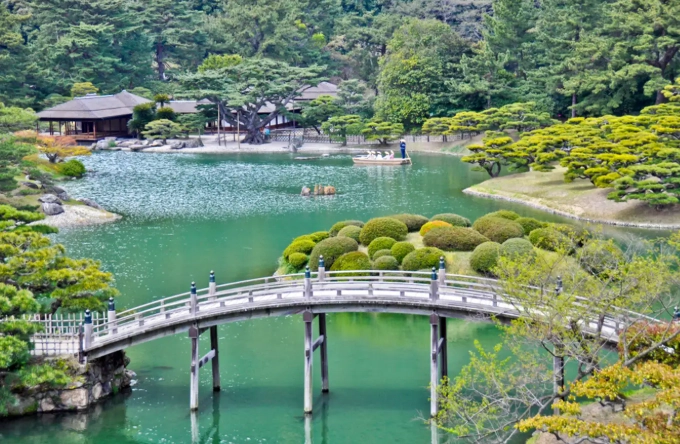
Planning your Shikoku trip takes a bit more work than booking a package tour to Kyoto. But the reward is immense. You get to experience a Japan that feels more authentic, more personal, and far from the crowds. Use this guide as your starting point, pick the things to do in Shikoku Japan that call to you, and get ready for an adventure you won't forget.

Comments