Let's cut to the chase. Is Japan good for solo travelling? The short answer is a resounding yes. It's one of the best destinations on the planet for anyone traveling alone, whether it's your first solo trip or your fiftieth. I've lost count of how many times I've been to Japan by myself, and each trip convinces me further. The combination of safety, mind-boggling efficiency, rich culture, and unique social structures creates an environment where the solo traveller isn't just tolerated but can genuinely thrive.
But it's not a perfect fairy tale. There are nuances, small cultural hurdles, and things you need to know to avoid feeling isolated or hitting a wall. This guide isn't just a list of places. It's a deep dive into the why and the how, packed with the kind of advice I wish I had before my first solo trip to Tokyo years ago.
Your Solo Japan Travel Blueprint
Why Japan is a Solo Traveller's Dream (It's More Than Just Safety)
Everyone mentions safety, and they're right. Walking back to your accommodation at 2 AM in Tokyo or Kyoto feels remarkably secure. Crime rates are low, and personal property is respected to a degree that still surprises me. But that's just the foundation. The real magic for solo explorers lies in the details.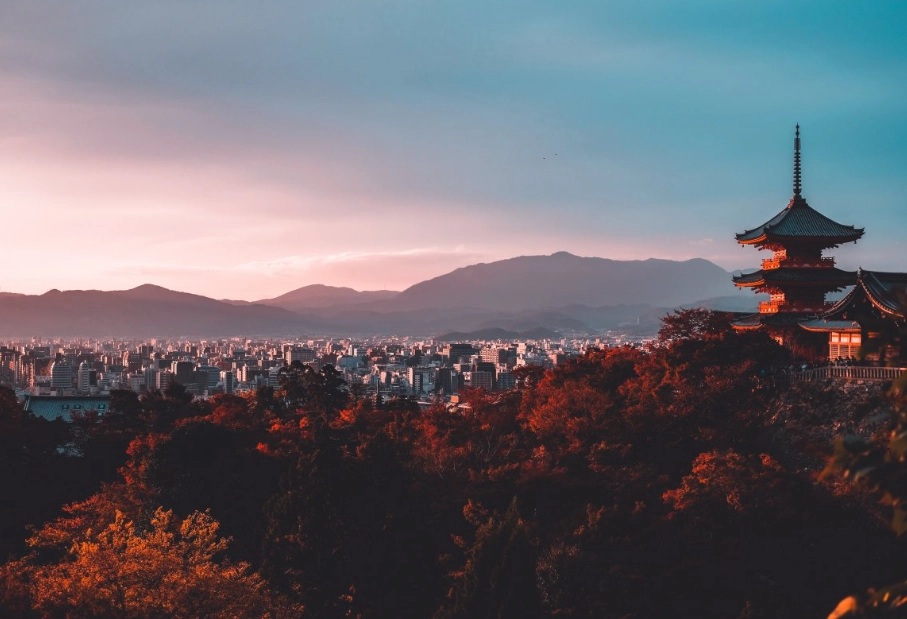
The Infrastructure is Built for One. Look around. Solo dining isn't a trend; it's a way of life. Countless ramen shops, sushi counters (kaiten-zushi), and even some izakayas have counter seating designed for individuals. You're not shoved into a corner table meant for two. In major cities, you'll find business hotels like APA Hotel or Dormy Inn that offer compact, efficient, and clean single rooms at reasonable prices. Capsule hotels take this concept further, though they're an acquired taste.
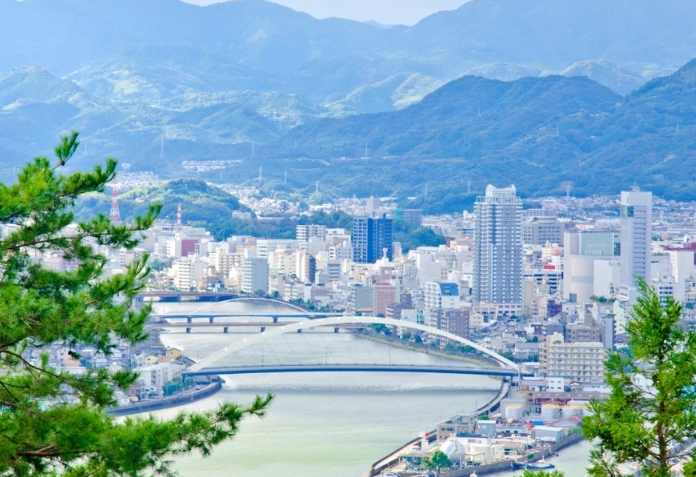
Public Transport is Your Best Friend. Getting lost is part of the fun, but getting *stranded* isn't. Japan's rail network, especially the Japan Railways (JR) system, is a marvel of punctuality and coverage. For a solo traveller, this is freedom. You can decide on a whim to hop on a train to Kamakura for the afternoon or take the shinkansen to Hiroshima for a day trip. The JR Pass can be a huge money-saver if your itinerary involves long-distance travel, but always do the math first using a Japan Guide fare calculator. For city travel, a rechargeable IC card (Suica or Pasmo) is indispensable.
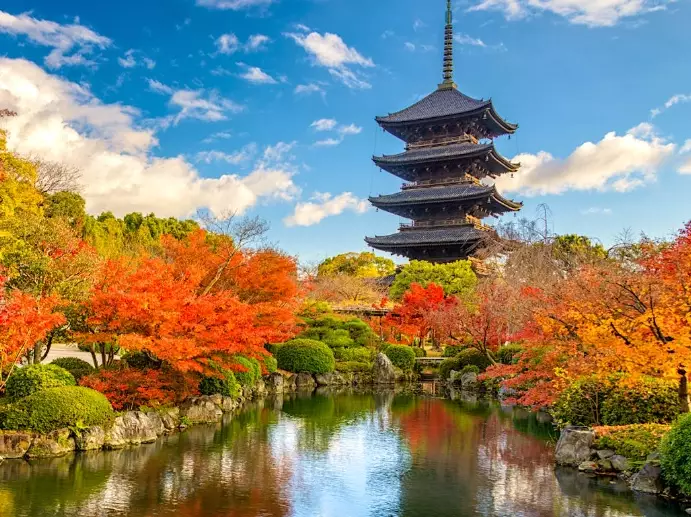
Culture that Values Quiet Contemplation. Many of Japan's greatest experiences are inherently introspective. Sitting in a serene temple garden in Kyoto, like Ryoan-ji with its famous rock garden, is arguably better alone. Hiking a portion of the ancient Kumano Kodo pilgrimage trails lets you connect with nature and history at your own pace. You're not interrupting a companion's experience with chatter, and vice versa.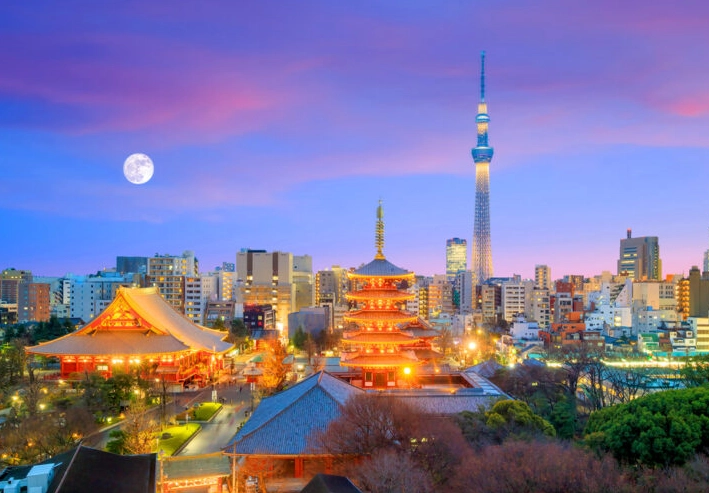
How to Plan Your First Solo Trip to Japan
Planning is half the adventure, especially when you're alone. Here's a framework to build your trip around.
Budgeting Realistically
Japan has a reputation for being expensive, but it's more about choices. You can easily blow a fortune on luxury, but you can also travel very smartly.
| Expense Category | Budget-Friendly Approach | Mid-Range Approach |
|---|---|---|
| Accommodation | Capsule hotels, hostel dorms, business hotel singles. Expect ¥3,000 - ¥6,000 per night. | Boutique business hotels, nicer hostels with private pods, budget ryokan. ¥7,000 - ¥12,000 per night. |
| Food | Convenience store meals (surprisingly good!), standing noodle shops, supermarket bento boxes, gyudon chains like Sukiya. ¥500 - ¥1,000 per meal. | Ramen shops, local izakayas, set lunches (teishoku) at casual restaurants. ¥1,000 - ¥2,500 per meal. |
| Transport | Local trains and buses, regional passes (e.g., Kansai Thru Pass), overnight buses for long distances. | 7-day nationwide JR Pass for extensive travel, Shinkansen trips, convenient taxis for short hops with luggage. |
| Activities | Free temples/shrines, city parks, hiking, window shopping in districts like Harajuku. | Museum entries (¥500-¥1,500), paid temple gardens, cultural workshops (e.g., pottery, calligraphy). |
For a comfortable 10-day trip focusing on Tokyo and Kyoto, a daily budget of ¥8,000 - ¥12,000 (excluding flights and a JR Pass) is a good target. Always carry some cash, as many smaller places still don't accept cards.
Crafting a Balanced Itinerary: The 7-Day Starter Template
Here’s a sample skeleton you can adapt. The beauty of solo travel is changing it up as you go.
Days 1-3: Tokyo - The Neon Immersion. Base yourself near a major station like Shinjuku or Shibuya. Don't try to see everything. Pick a vibe each day: the pop-culture chaos of Akihabara and Harajuku one day, the old-world sensibility of Asakusa (Senso-ji Temple) and Ueno Park the next. Spend an evening getting lost in the tiny bars of Golden Gai in Shinjuku – many are solo-friendly.
Days 4-5: Kyoto - Temples & Tradition. Take the shinkansen (about 2.5 hours). Kyoto can feel more spread out. Focus on one area per day: the Higashiyama district (Kiyomizu-dera, Sannen-zaka) and the geisha district of Gion; then the Arashiyama area (bamboo grove, Tenryu-ji temple). Get up early. I mean 7 AM early. You'll have the iconic spots almost to yourself before the tour buses arrive.
Days 6-7: Day Trip & Return. From Kyoto, take a day trip. My top pick for a solo traveller is Nara. It's a short train ride away. You can wander among the free-roaming deer, visit the colossal Buddha at Todai-ji, and enjoy a slower pace. On your last day, return to Tokyo for your flight out, or fly directly from Kansai International Airport (KIX) near Osaka.
Top Solo Travel Experiences You Can't Miss
These activities shine when you're on your own.
An Onsen Town Overnight. Places like Hakone or Kinosaki are built for relaxation. Staying in a ryokan (traditional inn) alone might seem daunting, but it's a profound experience. You get a full kaiseki meal in your room, can soak in the therapeutic hot springs at your leisure, and enjoy utter quiet. In Kinosaki, you buy a pass and wander the town in a yukata, hopping between seven public bathhouses. It's incredibly liberating.
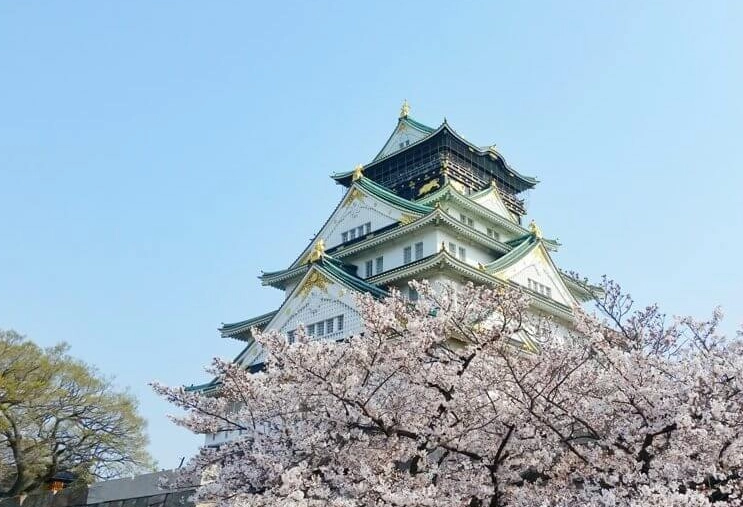
A Foodie Pilgrimage to Osaka. If Tokyo is for viewing, Osaka is for eating. The Dotonbori area is a sensory overload, perfect for grabbing takoyaki from one stall, okonomiyaki from another, and eating as you walk. The locals do it, so you won't feel out of place. Osakans are also famously more direct and outgoing, which can lead to fun, brief interactions with street vendors.
Getting Off the Beaten Path in Kanazawa. Often called "Little Kyoto," Kanazawa on the Sea of Japan coast has the historic geisha and samurai districts but a fraction of the crowds. You can spend a peaceful day at the breathtaking Kenrokuen Garden, one of Japan's top three, and explore the 21st Century Museum of Contemporary Art. The pace is gentle, ideal for solo reflection.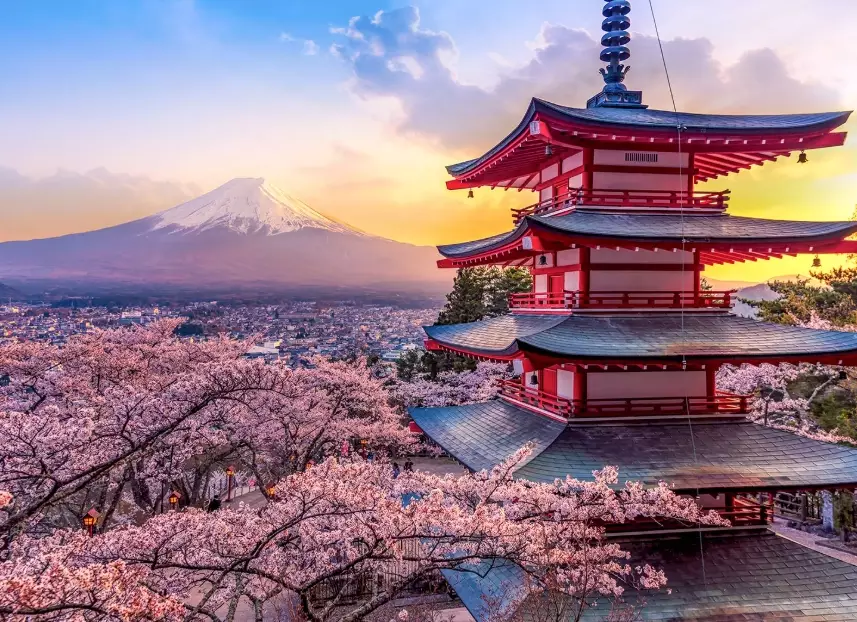
Navigating the Language Barrier: Real Talk
You don't need to speak Japanese. But knowing a few phrases (arigatou gozaimasu - thank you, sumimasen - excuse me/sorry) works wonders for politeness.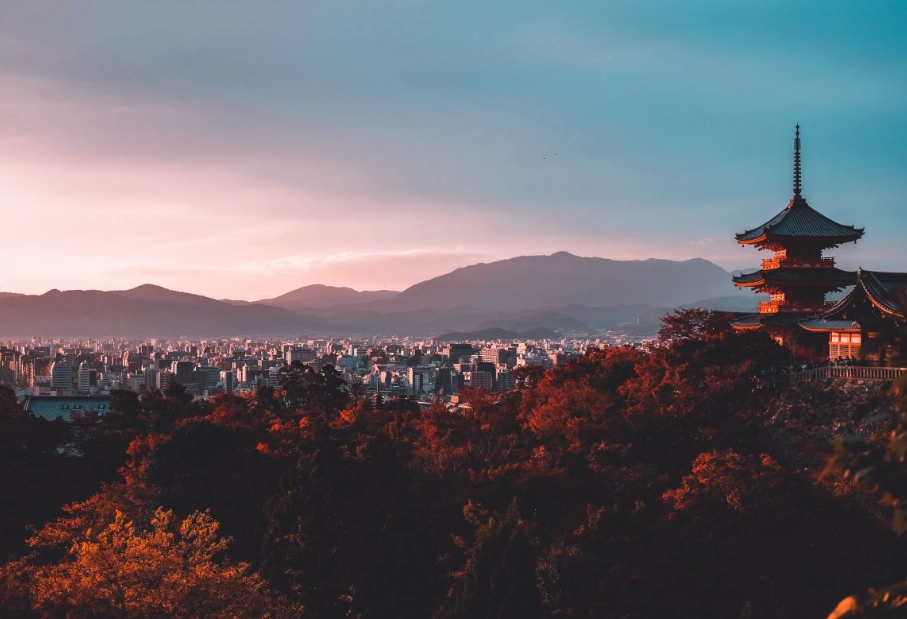
The bigger issue is the written language. Here's my practical toolkit:
- Google Translate's Camera Function: Lifesaver for menus without pictures. Just point and get an instant, rough translation.
- Google Maps: Not just for directions. It has train schedules (with platform numbers!), walking times, and user photos of restaurants which help you decide.
- A Pointing Smile: Seriously. At a bakery or a market stall, just point and smile. It's universally understood and low-pressure.
One subtle point: In many restaurants, especially ramen shops, you order and pay at a vending machine near the entrance. You get a ticket, hand it to the staff, and sit down. This completely eliminates any awkward conversation about ordering. It's a solo diner's secret weapon.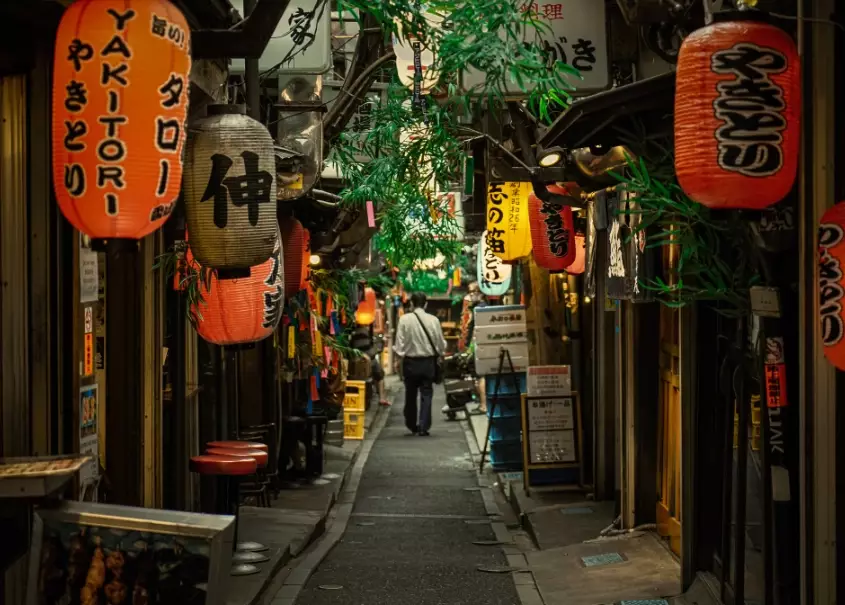

Comments