Let's cut to the chase. If you're looking for the absolute cheapest time to fly from the USA to Japan, you're aiming for mid-January through early March, and again in late September through November, excluding the Thanksgiving period. You can often find round-trip fares from major West Coast hubs like LAX or SFO to Tokyo (NRT/HND) for between $500 and $800 during these windows. From the East Coast, add roughly $200-$300 to those numbers. But “cheapest” isn't just about the flight ticket—it's the total trip cost, including crowds and weather. Picking the right time is a balance.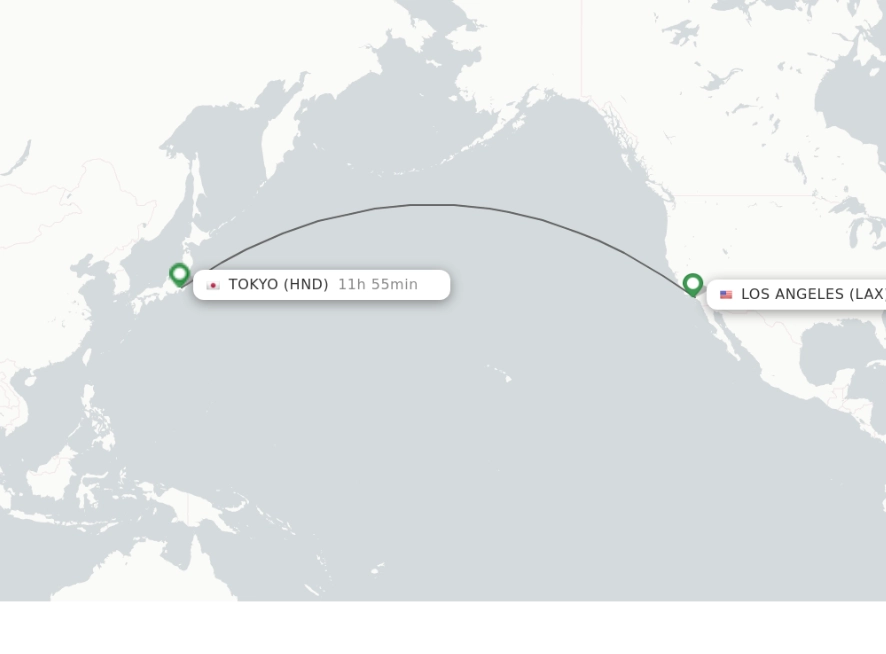
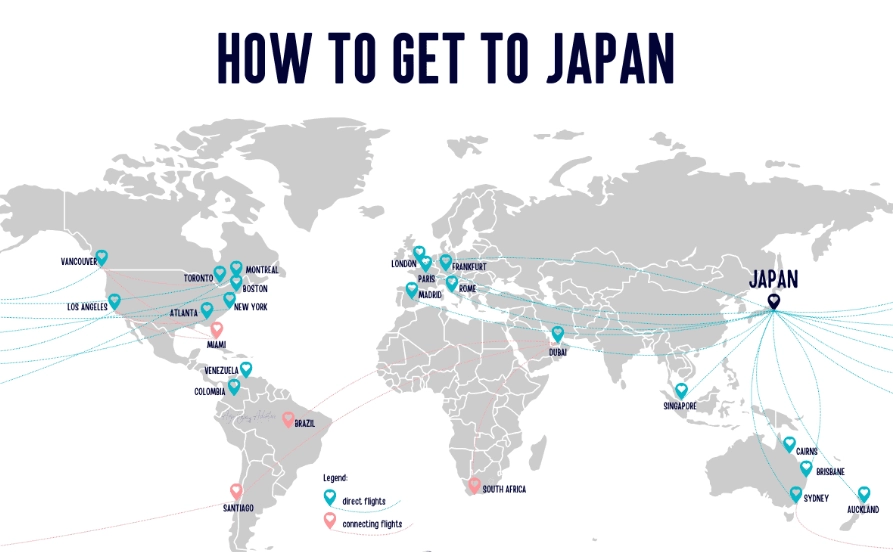
Your Journey Planning Map
Seasonal Price Breakdown: When Flights Are Lowest
Japan's travel costs are dictated by its iconic seasons and local holidays. Here’s the real breakdown, moving beyond the generic “shoulder season” advice.
Winter (January – Early March): The Undisputed Champion for Low Prices
This is it. After the New Year's rush settles around January 4th, prices plummet. You're facing colder weather, sure, but you get crystalline skies, snow-capped mountains (perfect for adding a cheap ski trip to Hokkaido), and minimal tourist crowds at major sites like Kyoto's temples.
Pro Tip: Look for flights landing on a Tuesday or Wednesday. The period from mid-January to the day before Chinese New Year (which varies between late Jan and Feb) is a sweet spot. Chinese New Year itself can cause a brief spike in regional travel demand, so avoid those exact dates.
What to expect cost-wise:
- Flights: $500 - $800 roundtrip from West Coast.
- Accommodation: Hostels from $25/night, business hotels (like APA or Dormy Inn) from $60/night in cities.
- Crowds: Very low. You'll have breathing room at Senso-ji in Tokyo or Fushimi Inari in Kyoto.
Shoulder Seasons (Late March – April & September – November): The Value Play
This is where most advice gets fuzzy. These periods are split.
Spring (Late March-April): This is cherry blossom season. It's stunning, but it's the most expensive time of year, not the cheapest. Flight and hotel prices easily double or triple. If you're on a strict budget, avoid this period entirely unless you book a year in advance and are willing to pay a premium.
Autumn (September-November): Here's the real shoulder season. September can still be humid and has typhoon risk, so prices start low. October and November, with their stunning fall foliage (koyo), are more popular and pricier, but still far cheaper than spring. The window after Thanksgiving until mid-December is a secret bargain.
| Season | Typical Flight Price (West Coast RT) | Pros for Budget Travelers | Cons & Considerations |
|---|---|---|---|
| Winter (Jan-Mar) | $500 - $800 | Lowest prices, fewest crowds, great for winter sports. | Colder weather, some rural attractions may have reduced hours. |
| Late Autumn (Sep, Late Nov) | $650 - $950 | Pleasant weather, fall colors (Nov), lower prices than peak. | September typhoon risk, November foliage draws crowds. |
| Summer (Jun-Aug) | $900 - $1300+ | Vibrant festivals, hiking. | Hot & humid, peak domestic travel (Obon in Aug), higher prices. |
| Spring (Cherry Blossom) | $1100 - $1600+ | Iconic cherry blossoms. | Extremely high prices and crowds, booked solid. |
How to Book Cheap Flights: Beyond the Calendar
Knowing the season is half the battle. The other half is booking smart.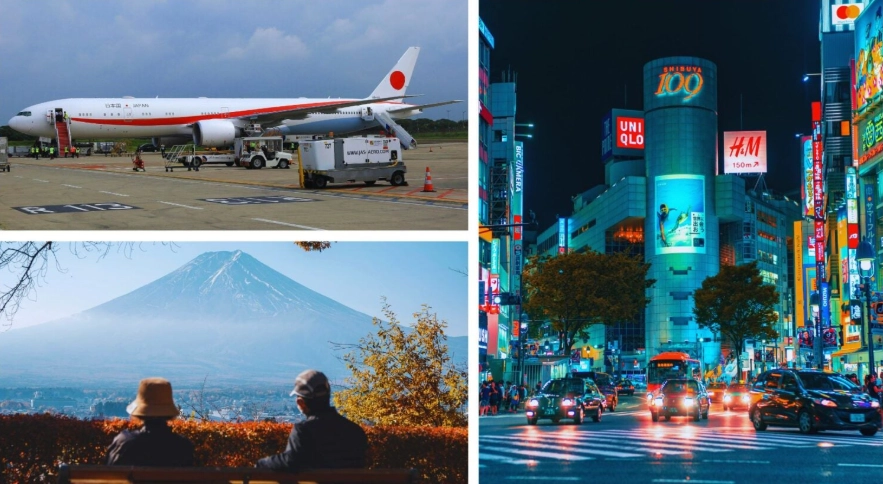
Be Flexible with Airports: Don't just search for Tokyo. Check fares into both Narita (NRT) and Haneda (HND). Sometimes flying into Osaka's Kansai Airport (KIX) is significantly cheaper, especially if your itinerary focuses on Western Japan (Kyoto, Osaka, Hiroshima). I once saved $280 by flying into Osaka and taking a budget airline to Tokyo for $50, rather than flying direct to Tokyo.
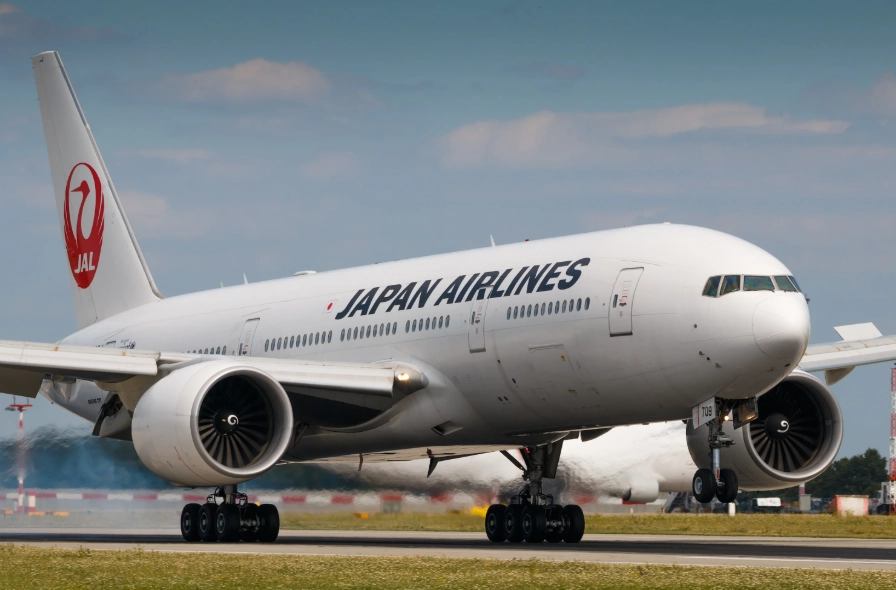
Use Flight Search Tools, But Don't Trust Them Blindly: Tools like Google Flights, Skyscanner, and Kayak are essential. Set up price alerts. However, a common mistake is only looking at aggregators. Often, the airline's own website, especially for budget carriers or during a sale, has the best price. Check Zipair (a JAL LCC), ANA's website for “Experience Japan” fares, and Peach Aviation for domestic hops.
Watch Out: The “cheapest” listing on an aggregator might be for a basic economy fare with no checked bag and brutal change fees. For a long haul to Japan, paying $40 more for a standard economy ticket that includes a checked bag is usually the smarter budget move.
Booking Lead Time: For the winter and autumn bargain periods, start looking 3-4 months out. Prices often dip slightly again 1-2 months before departure if the flight isn't filling up. For summer or spring, you need to book 5-6 months ahead.
Budget Itinerary Ideas for the Cheap Seasons
Here’s what a cost-conscious 10-day trip in late January or early February could look like, focusing on value.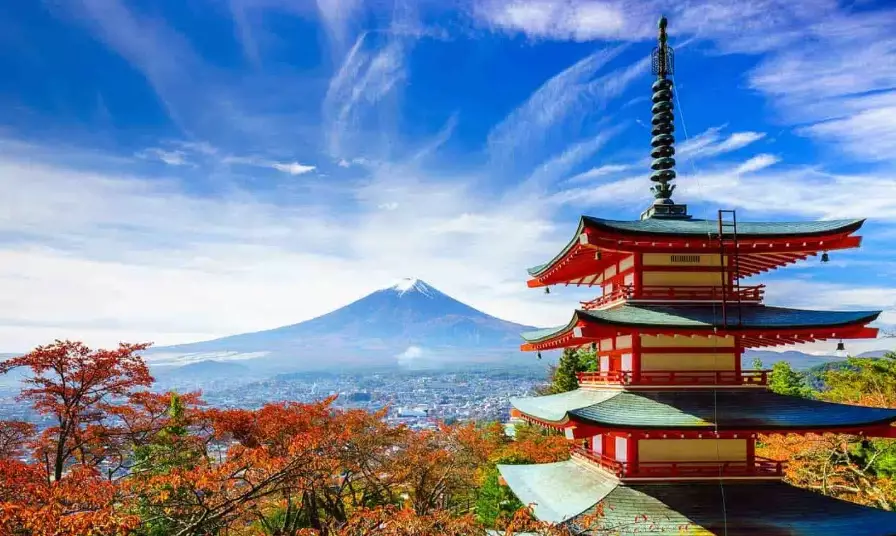
Days 1-4: Tokyo. Stay in a business hotel in Asakusa (access to cheap street food and Senso-ji) or Shinjuku. Visit free attractions: the Metropolitan Government Building observatory (free), Senso-ji, Meiji Shrine. Eat at ramen shops ($8-$12) and conveyor belt sushi ($1-$3 per plate). Use the 72-hour Tokyo Subway Ticket for unlimited travel.
Days 5-7: Kyoto. Take an overnight bus from Tokyo to Kyoto for around $60 (saves a night's accommodation and a Shinkansen fare). Stay in a guesthouse near Kyoto Station. Explore Fushimi Inari (free), Kiyomizu-dera (small fee), and Arashiyama. Rent a bicycle to save on transit.
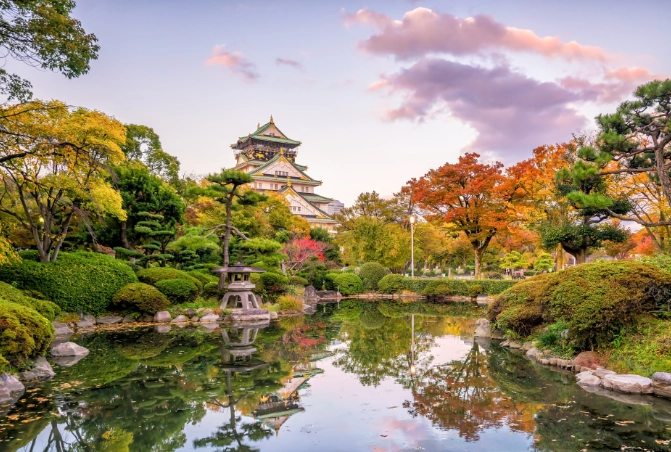
Days 8-10: Osaka. A short, cheap train ride from Kyoto. Focus on food in Dotonbori. Visit Osaka Castle. Consider a day trip to Nara to see the deer and Todai-ji temple. Fly home from Kansai (KIX).
Estimated Daily Budget (excluding flight): $70-$100 per person for dorm/hostel, food, local transport, and entry fees. This is very doable in the cheap seasons.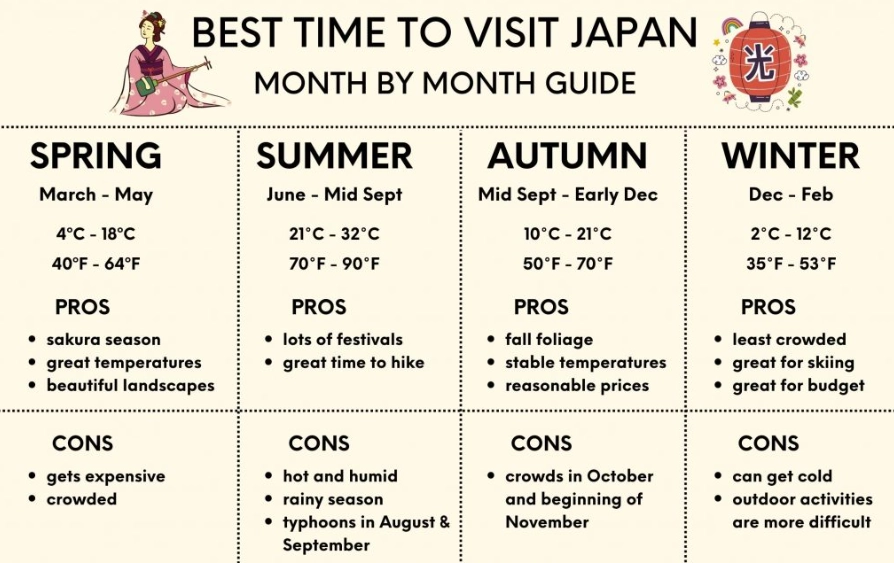
Common Mistakes to Avoid When Booking
I've seen these trip up savvy travelers.
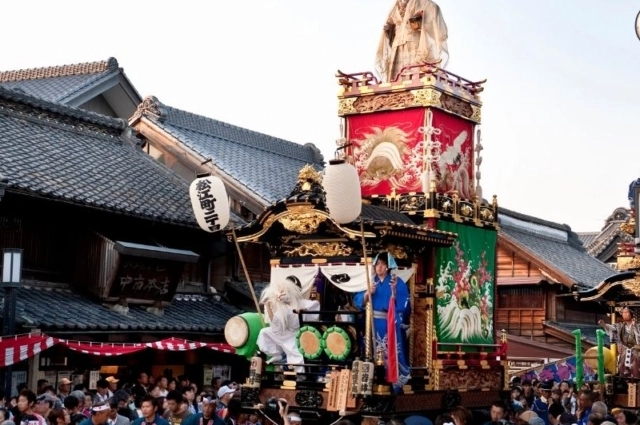
Ignoring Domestic Travel Periods: Golden Week (late April/early May), Obon (mid-August), and New Year (Dec 29-Jan 4) are Japan's biggest holidays. Everything books up, and domestic transport is packed. Avoid these dates even if international flights seem available.
Overlooking the Japan Rail Pass Math: The JR Pass price increased significantly in 2023. For a basic Tokyo-Kyoto-Osaka-Tokyo loop, it often does not pay off anymore. Use a calculator like the one on Japan Guide or just buy individual Shinkansen tickets. Regional passes (like a Kansai Area Pass) can still be valuable.
Assuming All “Cheap” Times Have Equal Weather: January is cold and dry. September is warm, humid, and risky for typhoons. “Cheap” doesn't mean “ideal.” Pack and plan accordingly.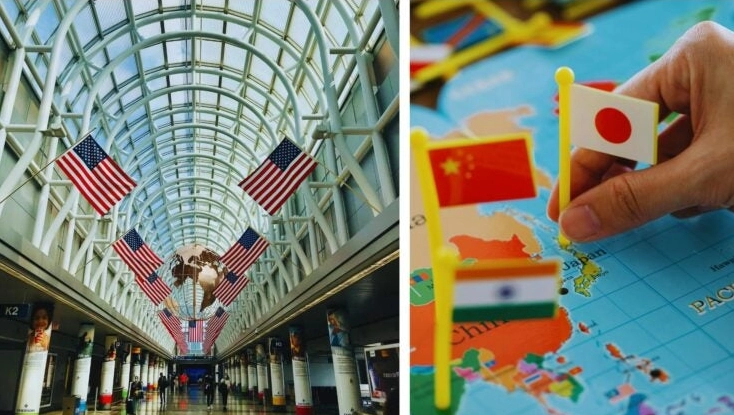
Your Questions on Cheap Japan Travel Answered



Comments