In This Article
The short answer is a definitive yes, $280,000 is more than enough to live a very comfortable, even affluent life in most of Japan. But that simple answer is almost useless. The real question isn't about survival—it's about what kind of life that money buys. Is it enough for a single professional to save aggressively in Tokyo? Can it support a family of four with kids in international school? Does it mean luxury or just upper-middle-class stability?
I've lived here for over a decade, watched friends on similar packages struggle and thrive, and navigated the tax system myself. The biggest mistake people make is looking at the pre-tax figure and dreaming of penthouse views. The reality is shaped by three brutal forces: Japan's progressive tax system, the staggering cost of certain "expat" essentials (looking at you, international schools), and the massive lifestyle cost gap between Tokyo and everywhere else.
Let's replace the dream with a budget.
How Much is $280k Really Worth in Japan After Tax?
Forget $280,000. The first thing you need to internalize is your net income. Japan has national income tax, local inhabitant tax, and social insurance (health, pension, unemployment). On a salary of $280,000 (approximately ¥39.2 million yen at ¥140/$1), a single person with no dependents will take home roughly ¥20.5 to ¥21.5 million per year.
That's about ¥1.7 to ¥1.8 million per month.
If you have a spouse and children as dependents, your take-home pay increases due to dependent deductions. A family with a non-working spouse and two kids might net closer to ¥22-23 million annually (¥1.83-1.92M/month). This is a critical advantage for families.
Many expats are also on a "gross-up" package where the company covers tax equalization, meaning you receive the net salary of a hypothetical home country calculation. If you're in this position, your financial picture is simpler and more protected. But if you're on local contract or direct hire, these are your numbers.
Tokyo vs. Osaka vs. Fukuoka: Your Lifestyle on $280k
Japan isn't one market. Where you live changes everything. Let's compare three major cities.
| Expense Category | Tokyo (23 Wards) | Osaka | Fukuoka | Notes |
|---|---|---|---|---|
| Housing (Rent) | ¥300,000 - ¥600,000 | ¥180,000 - ¥350,000 | ¥150,000 - ¥250,000 | For a modern 2-3LDK. Tokyo premium is for location/size. |
| Utilities (Gas, Elec, Water) | ¥25,000 - ¥40,000 | ¥20,000 - ¥30,000 | ¥18,000 - ¥25,000 | Winter heating (gas/kerosene) spikes costs. |
| Groceries (Family of 4) | ¥100,000 - ¥140,000 | ¥85,000 - ¥110,000 | ¥80,000 - ¥100,000 | Imported goods, organic produce drive up costs. |
| Dining Out (Mid-range) | ¥4,000 - ¥7,000 per person | ¥3,000 - ¥5,000 per person | ¥2,500 - ¥4,500 per person | Osaka/Fukuoka are food paradises with better value. |
| Monthly Commute Pass | ¥10,000 - ¥20,000 | ¥8,000 - ¥15,000 | ¥7,000 - ¥10,000 | Depends on distance. Many in Tokyo bike/walk short distances. |
The Tokyo Reality
On ¥1.75M/month, you live well. You can afford a nice 2LDK (two bedrooms, living-dining-kitchen) in a central ward like Minato or Shibuya for ¥400,000. You'll dine out weekly, enjoy weekend trips, and save. But owning a car is a pain (parking can be ¥50,000-¥100,000/month alone), and you won't feel "rich." You're upper-middle-class in one of the world's most expensive cities.
The Osaka & Fukuoka Advantage
This is where your income shines. In Osaka, that ¥400,000 Tokyo apartment becomes a spacious 3LDK+ in a prime location. In Fukuoka, it's a brand-new 4LDK near the subway. Your daily costs drop 15-25%. You can easily afford a car. Your quality of life—measured by space, convenience, and discretionary spending—skyrockets. The trade-off is fewer English-speaking services and a different, often more relaxed, business culture.
Monthly Budget Breakdown: Single, Couple, Family
Let's get practical. Here’s how the budget might look for different life stages, assuming a Tokyo base (subtract 15-20% for Osaka, 20-30% for Fukuoka).
Scenario 1: Single Professional in Tokyo
- Net Monthly Income: ¥1,750,000
- Rent (1LDK, Minato-ku): ¥250,000
- Utilities + Internet + Phone: ¥35,000
- Groceries & Household: ¥60,000
- Dining & Entertainment: ¥150,000
- Transport (Taxi/Pass): ¥30,000
- Travel Fund (Domestic/Int'l): ¥100,000
- Clothing, Misc.: ¥80,000
- Savings & Investments: ¥1,045,000
See that? A single person can easily save over ¥1 million yen per month. The challenge isn't affording life; it's managing wealth accumulation and avoiding lifestyle inflation.
Scenario 2: Couple (Dual Income, No Kids) in Tokyo
Assuming a partner earning a similar net, combined income of ~¥3.5M/month.
- Rent (Spacious 2LDK): ¥450,000
- Living Expenses (x2): ¥250,000
- Leisure & Travel (Upgraded): ¥300,000
- Joint Savings/Investments: ¥2,500,000+
This is financial freedom territory. Home ownership in a good area becomes a realistic goal within a few years.
Scenario 3: Family of Four (1 Income, 2 Kids in Int'l School)
This is the stress test for $280k. The single biggest line item isn't rent—it's education.
- Net Monthly Income (with dependents): ~¥1,900,000
- Rent (3LDK, family-friendly area): ¥500,000
- Utilities (Larger home): ¥50,000
- Groceries & Household (Family): ¥140,000
- International School Tuition (2 kids): ¥500,000 - ¥700,000
- School Buses, Activities, etc.: ¥100,000
- Family Leisure & Vacations: ¥150,000
- Savings: ¥260,000 - ¥460,000
The math gets tight. If your company doesn't cover schooling, it can consume 35-40% of your net income. You still live comfortably, but your savings rate plummets compared to the single professional. This scenario requires meticulous budgeting.
The Hidden Costs & Lifestyle Traps
Beyond the obvious, these are the expenses that surprise high-earning expats.
1. The Furnishing Hole: Japanese rentals are often empty—no lights, no fridge, no washing machine. Outfitting a home from scratch can be a one-time hit of ¥1-2 million for decent quality items.
2. Automobile Ecosystem: Buying a car is one thing. Then you need a parking space (¥20,000-¥100,000/month in cities), shaken (mandatory bi-annual inspection, ¥80,000-¥150,000), weight tax, and insurance. Annual cost of ownership can easily exceed ¥500,000 for a standard car.
3. "Expat" Premium Services: English-speaking doctors, international beauty salons, import grocery stores (like National Azabu), concierge services—all carry a significant markup.
4. Travel Home: International flights for a family of four during peak seasons (summer, year-end) can wipe out ¥1-1.5 million in one go.
Final Verdict and Actionable Planning Steps
So, is $280,000 enough? Absolutely. But your planning must be precise.
For Singles/Couples without kids: You will live an excellent life with high savings potential. Your focus should be on investment strategy and tax-advantaged accounts (like iDeCo/NISA). Consider if you want the buzz of Tokyo or the space and luxury of a regional city.
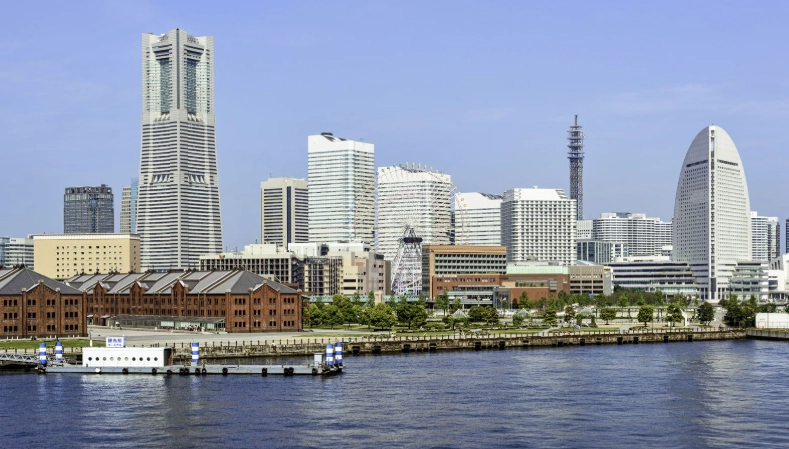
For Families: It's comfortable but not limitless. The non-negotiable first step is to get clarity on your company's education allowance. Negotiate it if possible. Your housing choice will be a direct trade-off with your savings rate. Consider suburbs with good public transport (e.g., parts of Yokohama, Saitama) for better housing value while keeping Tokyo accessible.
Your Pre-Move Financial Checklist:
- Get a formal tax simulation from your employer or a tax advisor. Know your exact net income.
- If you have children, lock down the school situation first. Apply, understand all fees (capital levy, PTA fees, bus).
- Create a draft budget using the scenarios above as a template. Use Numbeo or resources from the Japan External Trade Organization (JETRO) for current cost estimates.
- Plan your initial setup fund. Have at least ¥2-3 million available for initial rent deposit (often 5-6 months rent), furniture, and appliances.
- Research banking. Understand how you'll receive your salary and manage international transfers. Major banks like Shinsei or Sony Bank are expat-friendly.
Frequently Asked Questions (FAQs)
What is the net income after tax from a $280,000 salary in Japan?
For a single person with no dependents, expect to take home approximately ¥19.5 to ¥20.5 million yen annually, which breaks down to roughly ¥1.6 to ¥1.7 million per month. This figure deducts national income tax, local inhabitant tax, and social insurance (health, pension, unemployment). Having dependents like a spouse or children increases your deductions, leading to a higher net income—a family with a non-working spouse and two kids might net closer to ¥22-23 million per year.
Can a family of four live comfortably in Tokyo on a $280k income?
Yes, but "comfort" requires strict budgeting, and international school fees are the defining factor. After tax, you have about ¥1.6-1.7M monthly. A suitable 3LDK apartment in a family-friendly ward costs ¥300,000-¥400,000. However, tuition for two children at an international school can consume ¥500,000-¥700,000+ per month if not subsidized by your employer. This leaves ¥500,000-¥900,000 for all other living expenses, savings, and leisure. It's a solid upper-middle-class life, but not one of significant luxury or effortless wealth accumulation. Many families choose suburbs or neighboring prefectures for better housing value.
What are the biggest hidden costs for expats living in Japan on a high salary?
Most guides miss these three: First, Initial Furnishing & Appliance Costs. Moving into an empty apartment means a one-time outlay of ¥1-2 million for fridge, washer, lights, curtains, and basic furniture. Second, Total Automobile Ownership. Beyond the car price, budget ¥150,000+ annually for mandatory parking (expensive in cities), shaken inspection, weight tax, and insurance. Third, Expat Lifestyle Creep. The convenience of English-speaking services (doctors, contractors), import grocery stores, and international brands carries a hefty premium that can invisibly inflate your monthly spending by 20%.
Where in Japan does $280,000 offer the highest quality of life?
Outside of the Greater Tokyo Area. In regional metropolitan centers like Fukuoka, Osaka, or Sapporo, your housing budget secures a significantly larger, newer, and better-located home. Daily living costs are 15-25% lower across the board. The lifestyle shift is profound—you can afford a car with ease, dine out more frequently for less, and still have a high savings rate. The trade-off involves fewer immediately available English-speaking amenities and a different job market. For remote workers or those with localized positions, these cities offer a far superior balance of urban convenience and living standard on a $280k income.
Ultimately, $280,000 places you in the top tier of earners in Japan. The challenge shifts from "can I afford it" to "how do I optimize this excellent position?" By understanding the real post-tax value of your income, respecting the immense cost of international education, and seriously considering life outside Tokyo, you can craft a life in Japan that is not just comfortable, but truly exceptional.
Comments