Figuring out where to stay in Hiroshima can feel like a puzzle. Do you base yourself in the bustling city center for easy access to the sobering Peace Memorial Park and Museum? Do you splurge on a ryokan on Miyajima Island for that iconic torii gate view? Or do you play it safe near the Shinkansen station for maximum convenience? I've made all these choices on different trips, and let me tell you, picking the wrong area for your specific itinerary can add unnecessary stress.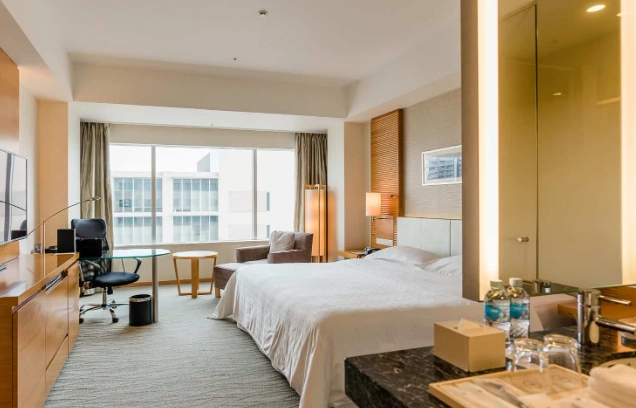
This isn't just a list of hotels. It's a strategic guide to matching your Hiroshima accommodation with your travel style. We'll break down the three main areas, give you specific, bookable options in each, and I'll throw in some hard-won lessons from missing the last ferry and dragging a suitcase across town.
Your Quick Guide to Hiroshima Stays
Area 1: Downtown & Peace Park (The Cultural Heart)
This is where most first-time visitors instinctively look, and for good reason. You're at the epicenter of Hiroshima's modern city life and its profound historical sites. The Peace Memorial Park is a walkable, contemplative space, and being able to visit early in the morning or late in the afternoon, when day-tour groups are absent, is a privilege. The downtown area (Hondori Street) is full of restaurants, bars, and shopping.
The catch? It's not the most convenient for getting to Miyajima or the Shinkansen. You'll rely on trams or taxis. If your trip is short (2-3 days) and focused on the city's core sights, this is your zone.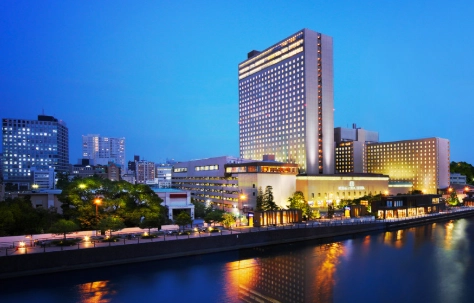
Top Picks for Downtown & Peace Park Stays
| Property | Address & Vibe | Key Features & My Take | Price Range (per night) |
|---|---|---|---|
| Hotel Granvia Hiroshima | 1-5 Matsubaracho, Minami-ku. Connected to JR Hiroshima Station's south exit. Modern business hotel. | Unbeatable for transit. Direct access to trains, buses, and a department store. Rooms are clean but compact (standard for Japan). Ideal if you're using Hiroshima as a base for day trips across western Honshu. | $$ 12,000 - 20,000 JPY |
| Mimaru Hiroshima Peace Park | 1-15 Kojinmachi, Naka-ku. Short walk to the Peace Park. Apartment hotel. | Perfect for families or small groups. Rooms have kitchenettes, washing machines, and separate living areas. The "Ninja Room" or "Train Room" for kids is a hit. This solves the space and laundry problem in one go. | $$ 18,000 - 30,000 JPY |
| Sheraton Grand Hiroshima Hotel | 12-1 Wakakusacho, Naka-ku. Adjacent to Hiroshima Station's Shinkansen exit. Luxury. | The top-tier choice for comfort and convenience. Spacious rooms by Japanese standards, excellent amenities, and you can be on your bullet train in under 5 minutes. The executive lounge is worth it for longer stays. | $$$ 25,000 - 45,000 JPY |
| Dormy Inn Hiroshima Annex | 3-20 Komachi, Naka-ku. Near the Hatchobori tram stop. Mid-range business hotel. | A fantastic value workhorse. Includes a decent free breakfast and a superb public bath (onsen) on the top floor—perfect after a long day of walking. The location is a sweet spot between the station (10-min tram) and Peace Park (15-min walk). | $ 9,000 - 15,000 JPY |
A Quick Tram Tip: The Hijiyama-sha tram stop is your best friend for Peace Park access. Hotels near Kamiyacho-nishi are great for downtown. Check your hotel's proximity to these stops on a map before booking.
Area 2: Miyajima Island (The Scenic Escape)
Staying on Miyajima is a completely different experience. The island transforms after the last ferry leaves. The crowds vanish, the deer become more curious, and you have the iconic Itsukushima Shrine and floating torii gate nearly to yourself, especially when it's illuminated at night.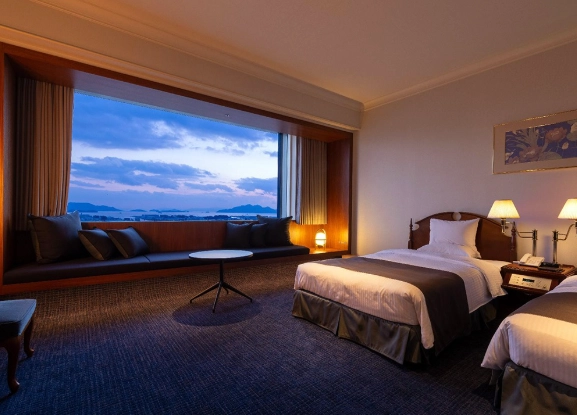
The reality check: You are on an island. Dining options shrink dramatically in the evening, and the last ferry back from the mainland is around 5:30-6:00 PM (check JR West for current schedules). This choice locks you into the island's schedule. It's perfect for a one or two-night immersive stay but can be cumbersome if you plan to explore Hiroshima city on multiple days.
Top Picks for Miyajima Island Stays
Iwaso Ryokan (Miyajima-cho, Hatsukaichi-shi). This is the classic. A historic ryokan nestled in Momijidani Park, a 2-minute walk from the shrine. You're paying for atmosphere, history, and impeccable multi-course kaiseki meals. Rooms are traditional tatami with garden or creek views. Book the separate "Hanare" cottage if you can—it's magical. $$$ 40,000 - 80,000 JPY per person (with meals).
Miyajima Grand Hotel Arimoto (Miyajima-cho, Hatsukaichi-shi). Offers a mix of Western and Japanese-style rooms, many with direct views of the torii gate from private balconies. The public baths also face the sea. It's slightly more modern than Iwaso but still offers a high-end ryokan experience. Their dinner is spectacular. $$$ 35,000 - 70,000 JPY per person (with meals).
Guest House Kikugawa (Miyajima-cho, Hatsukaichi-shi). The budget-friendly, social alternative. A cozy guesthouse with dormitory and private Japanese-style rooms. The owner is incredibly knowledgeable. It doesn't have the frills of a ryokan, but it puts you on the island affordably. You'll need to arrange your own meals. $ 4,000 - 10,000 JPY per person.
Area 3: Hiroshima Station & Shin-Hiroshima (The Transit Hub)
This area is often dismissed as "soulless," but that's a mistake if efficiency is your top priority. The area around JR Hiroshima Station (not to be confused with Shin-Hiroshima Station, which is the Shinkansen-only station a few stops away) is a practical hub. You have the local JR lines, trams, and buses all converging.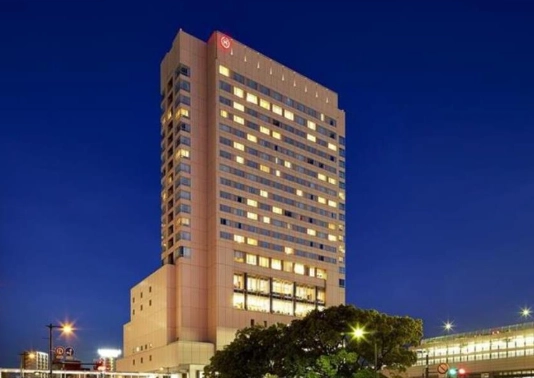
Shin-Hiroshima Station is purely for Shinkansen access. Staying there only makes sense if you are literally just passing through Hiroshima on a longer rail journey.
Why stay near the main station? If you have bulky luggage, are doing a multi-city Japan trip, or plan several day trips (like to Iwakuni or Onomichi), the ability to dump your bags and jump on a train is golden. The Hotel Granvia and Sheraton Grand (listed above) are the kings here.
Another great option is the RIHGA Royal Hotel Hiroshima. It's a short walk from the station, offers stunning city views from higher floors, and has a range of restaurants on-site. It feels more like a resort in the city.
How to Choose: Matching Your Stay to Your Trip
Let's make this actionable. Here’s my blunt advice based on common itineraries:
Scenario A: The 2-Day Hiroshima & Miyajima Blitz. You're short on time. Stay downtown (e.g., Dormy Inn Annex). Day 1: Peace Park and Museum. Day 2: Early train to Miyajima, explore, return in the evening. You minimize transit time to the city's main draw.
Scenario B: The Immersive Cultural Trip. You have 3-4 days and want depth. Split your stay. Book 2 nights at a downtown hotel and 1 night at a Miyajima ryokan (like Iwaso). Experience both worlds without the daily ferry commute.
Scenario C: The Wide-Ranging Chugoku Region Tour. Using Hiroshima as a base for trips to Okayama, Kurashiki, Tottori Sand Dunes. Stay at Hiroshima Station (Hotel Granvia or Sheraton). The time saved on transit each morning is invaluable.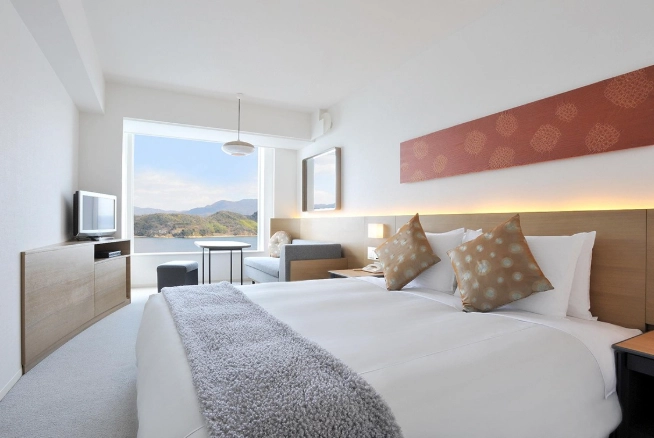
Practical Booking Tips & Tricks
Book ryokans on Miyajima months in advance, especially for autumn foliage season. They have limited capacity.
For city hotels, Japanese booking sites like Jalan or Rakuten Travel often have plans with breakfast or dinner included that are better value than international sites. Use them with a browser translator.
Always check the hotel's precise location on Google Maps in Street View. "A 10-minute walk from the station" might involve an overpass and stairs—a nightmare with bags.
If you're on a tight budget, consider business hotels a few tram stops away from the core areas. The savings can be significant, and the tram ride is cheap and efficient.
Your Hiroshima Accommodation Questions Answered
What is the best area to stay in Hiroshima if I have large luggage?
Is it worth staying overnight on Miyajima Island?
Are there any good family-friendly accommodation options in central Hiroshima?
What's a common mistake people make when booking Hiroshima accommodation?
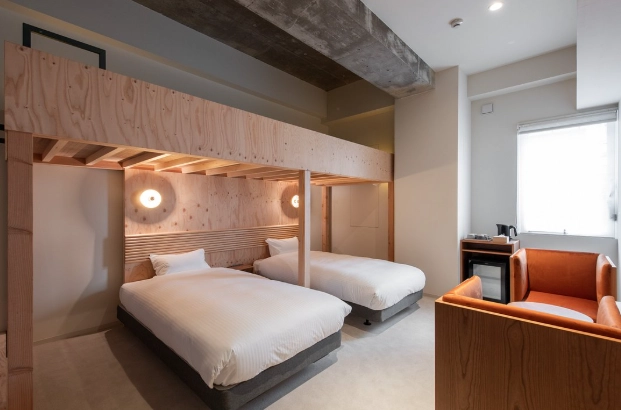
The right Hiroshima accommodation isn't just a place to sleep; it's the foundation of your daily logistics and overall experience. By honestly assessing your priorities—deep cultural immersion, scenic tranquility, or seamless travel efficiency—you can pick the area that serves you best. Whether it's the historic weight of the Peace Park neighborhood, the magical quiet of a Miyajima evening, or the effortless transit of the station area, your perfect base camp is here.



Comments