Quick Exploration
Let's be honest. When you search "what is Yamagata famous for," you probably already know about the cherries. Maybe you've heard whispers about the beef. But if you think that's the whole story, you're missing out on about 90% of what makes this place in Japan's Tohoku region so special. I spent a good chunk of time there, partly getting lost on mountain roads, partly eating way too much, and I came away realizing most guides just scratch the surface.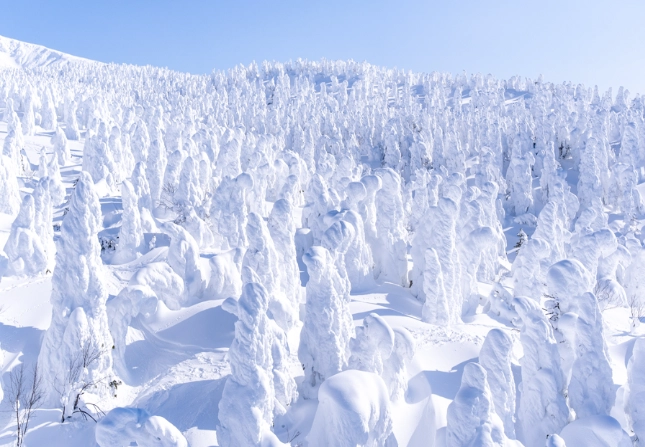
Yamagata is one of those prefectures that doesn't shout. It whispers. Its fame isn't built on a single mega-attraction like Tokyo's scramble crossing or Kyoto's golden pavilion. Instead, it's a layered, subtle kind of fame built on exceptional quality, deep history, and landscapes that change dramatically with the seasons. It's famous for things you experience, not just see.
Think of Yamagata's fame in three layers: the undeniable superstars (cherries, beef), the cherished local icons (onsen, festivals), and the deep-cut secrets (samurai history, temple trails) that most tourists never find. We're going to dig into all of them.
The Undeniable Superstars: What Puts Yamagata on the Map
Okay, let's start with the big hitters. The answers to "what is Yamagata famous for" that you'll find on every tourism poster.
The Cherry That Reigns Supreme
Yamagata is the largest producer of cherries in Japan, and that's not just a quantity thing. It's a quality crown. We're talking about the Sato Nishiki cherry, often called the king of cherries. What makes it special? The balance. It's not just sweet; it has a perfect, subtle acidity and a firm, juicy crunch that the mass-market varieties can't touch.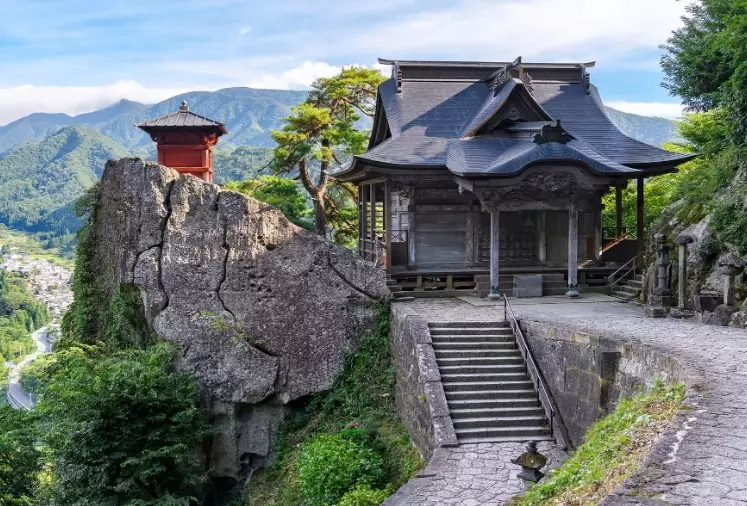
Visiting a cherry orchard in early summer is an experience. The trees are low, covered in nets to protect the precious fruit from birds. You pay to enter, get a bucket, and eat until you can't anymore. It's a straight-from-the-tree freshness you'll never forget. The season is short—mainly June—so timing is everything. The city of Yonezawa and the Higashine area are the epicenters of this cherry fame.
Yamagata Beef: The Underrated Rival
Everyone knows Kobe and Matsusaka beef. But ask a well-informed foodie in Japan what Yamagata is famous for in the culinary world, and they'll lean in and say, "Yamagata-gyu." This beef is a secret weapon. Raised in the clean air and pristine water of the region, the cattle produce meat with incredible marbling (that's the fat within the muscle) and a rich, melt-in-your-mouth flavor that's somehow both deep and clean.
It doesn't have the same insane marketing budget as its Kansai rivals, which means two things: it's often slightly better value for a comparable quality, and finding it feels like more of a discovery. You can enjoy it as steak, shabu-shabu, or sukiyaki. Head to Yonezawa city for some of the most legendary beef restaurants, many of which have been family-run for generations.
It's a core part of the region's identity. When people wonder what Yamagata is famous for, the answer isn't complete without mentioning this culinary heavyweight.
The Soul of the Region: Onsen, Mountains, and Spiritual Roots
This is where we move past the postcard and into the heart of Yamagata. The fame here is about atmosphere and feeling.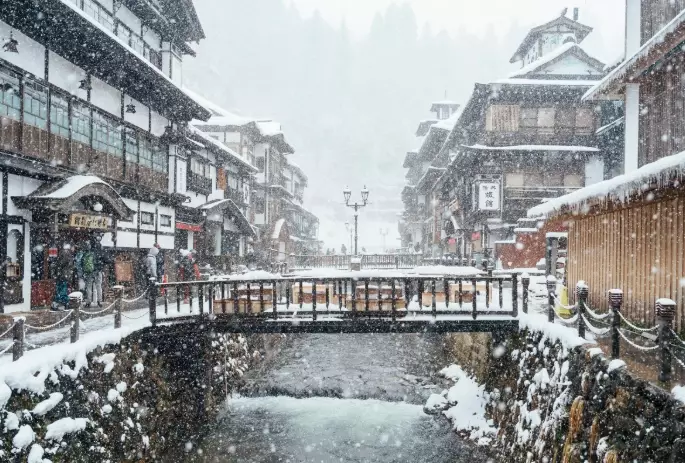
Hot Springs (Onsen) That Feel Frozen in Time
Yamagata is dotted with onsen towns, each with a different character. This isn't just a checklist item; it's a fundamental part of the culture. Soaking in a natural hot spring after a day of hiking or sightseeing isn't just relaxing; it's restorative.
| Onsen Town | Vibe & Key Feature | Best For |
|---|---|---|
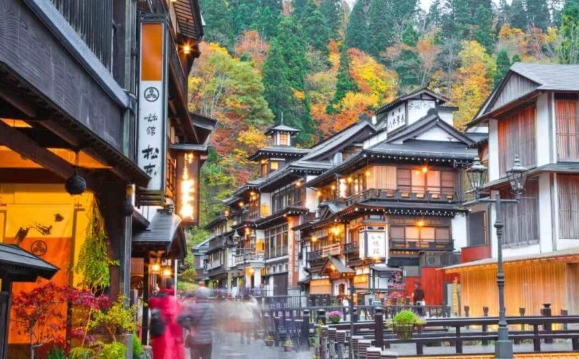
| Ginzan Onsen | The iconic one. Multi-story wooden ryokans lining a small river, lit by gas lamps at night. Looks like a scene from a Studio Ghibli film (and inspired some). | Photography, romantic getaways, experiencing a "lost in time" atmosphere. Can be very crowded. |
| Zao Onsen | A mountain resort town at the base of Mt. Zao. Famous for its milky, sulfuric waters said to be good for the skin. The gateway to the Okama crater and winter skiing. | Skiers, hikers, families. A more active, resort-style onsen experience. |
| Tendo Onsen | Lower key and more spread out. Known for its clear, simple springs. Tendo is also the heart of Japan's shogi (chess piece) production. | A quieter, more local feel. Combining onsen with a visit to a shogi workshop. |
| Atsumi Onsen | Overlooks the Sea of Japan. Unique for its seaside location and sunsets over the water from the bath. | Seafood lovers, those wanting a coastal twist on the onsen experience. |
Ginzan is stunning, sure. But it's also tiny and can feel like a theme park during peak hours. For a more authentic, less crowded soak, I often preferred the smaller, family-run inns in Zao or Tendo. The water is just as good, and you get a better sense of local life.
Mount Zao and the "Snow Monsters"
If you visit in winter, the answer to "what is Yamagata famous for" shifts dramatically. Mount Zao, a volcanic range, becomes home to the Juhyo or "Ice Trees." These are coniferous trees completely encased in wind-blown snow and ice, forming monstrous, surreal shapes. A ropeway takes you up into this alien landscape, and you can ski or snowboard through them. It's a sight you won't find anywhere else in Japan on this scale.
In other seasons, Zao is a hiker's paradise, with its famous Okama Crater, a vibrantly colored volcanic lake that changes hues with the weather. The hiking trails range from gentle walks to serious climbs, offering some of Tohoku's most dramatic vistas.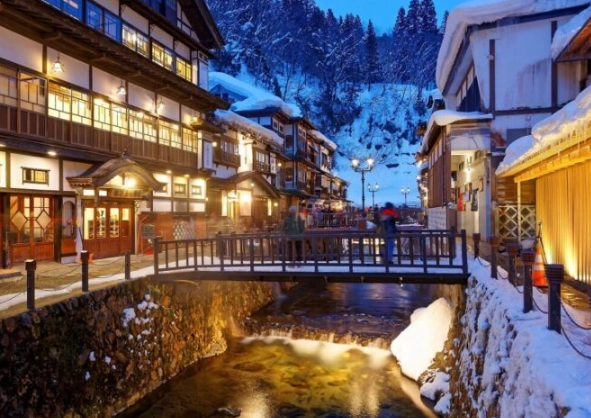
Local Tip: The weather on Zao is notoriously fickle, even in summer. Always pack a layer warmer than you think you'll need. The view from the top is often shrouded in cloud by midday, so aim for an early start.
Dewa Sanzan: The Mountain Pilgrimage
This is the deep, spiritual heart of Yamagata. For over 1,400 years, ascetic monks (Yamabushi) have undertaken pilgrimages to the three sacred mountains of Dewa Sanzan: Mt. Haguro, Mt. Gassan, and Mt. Yudono. This Shugendo practice is about rebirth and connecting with nature.
Mt. Haguro is the most accessible, with a beautiful, moss-covered stone stairway of 2,446 steps leading through a towering cedar forest to a five-story pagoda and a shrine at the top. You can feel the history in the air. It's a powerful place, even if you're not religious. For many seeking the spiritual essence of what Yamagata is famous for, this is the ultimate destination.
The official Dewa Sanzan Tourism Association website is an excellent resource for planning a visit, including information on guided pilgrimages with Yamabushi.
A Culture of Festivals, Crafts, and Quiet History
Beyond nature, Yamagata's fame is cemented by its vibrant living culture and historical legacy.
Festivals That Shake the Streets
Yamagata people know how to throw a party. Their festivals are intense, community-driven affairs.
The Yamagata Hanagasa Festival (August): Imagine thousands of dancers in matching cotton kimonos and straw hats, moving in sync to a powerful drum and flute song, chanting "Yassho! Makasho!" The energy is contagious and incredibly photogenic.
The Yonezawa Uesugi Festival (early May): A spectacular samurai pageant honoring the legendary lord Uesugi Kenshin. Over 1,000 armored participants parade through the streets. It feels less like a reenactment and more like the town's history coming alive.
Shinjō Festival (late August): Famous for its unique, ornate floats and a lively atmosphere. It's a UNESCO Intangible Cultural Heritage, which tells you something about its significance.
Attending one of these festivals will give you a raw, unfiltered sense of local pride and community spirit that no museum can match.
Samurai Heritage and Castle Towns
Yamagata was a key domain during the feudal era. The city of Yonezawa is deeply associated with the Uesugi clan, known for their military prowess and later, their successful shift to promoting local industries. Yonezawa Castle ruins (Matsugasaki Park) are lovely, especially during cherry blossom season.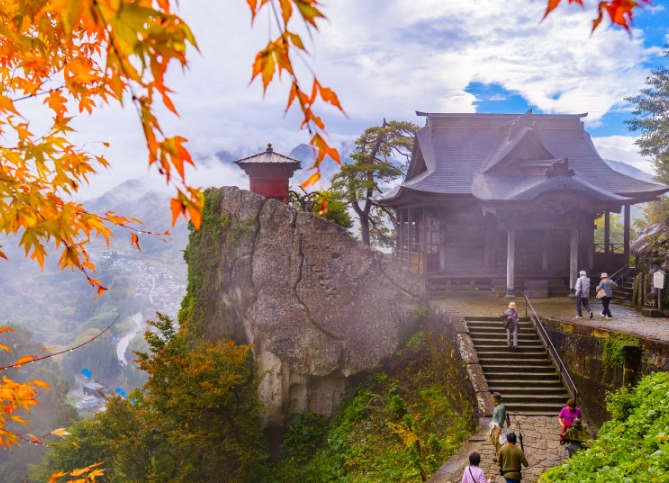
Kaminoyama is another castle town with a well-preserved samurai district. Walking these quiet streets, past old walls and gates, you can easily imagine the era of swords and clans. It's a quieter, more reflective kind of historical fame compared to the battlefields of Kyoto or Osaka.
Crafts with a Story
What is Yamagata famous for producing? It's not just food.
- Tendo Shogi Pieces: Over 90% of Japan's professional shogi (Japanese chess) pieces are made in Tendo. You can visit workshops to see the meticulous craftsmanship.
- Yamagata Ironware (Yamagata Imono): Traditional cast iron kettles and teapots known for their durability and ability to improve the taste of water over time.
- Cherry Wood Crafts: Local artisans use wood from aged cherry trees to create beautiful, finely grained lacquerware and furniture.
The Practical Guide: Answering Your Real Questions
Alright, so we've covered what Yamagata is famous for. But how do you actually experience it? Here’s the real talk.
- Yamadera (Risshakuji Temple): A breathtaking temple complex literally carved into a mountainside. A steep climb rewards you with views and profound serenity. It feels ancient and powerful.
- The Shonai Plain and Mt. Chokai: The western coast near Sakata has a totally different vibe—windswept, rural, with amazing seafood. The Sakata City tourism page has details on places like the historic Sankyo Soko rice storehouses.
- Obanazawa's Silent Manga Museum: A unique museum dedicated to wordless comics, in a quiet, charming town.
Pulling It All Together
So, what is Yamagata famous for?
It's famous for a taste—the perfect cherry, the rich beef, the clarity of a mountain spring.
It's famous for a feeling—the heat of an onsen bath under a starry sky, the awe of standing among snow monsters, the quiet reverence of an ancient forest path.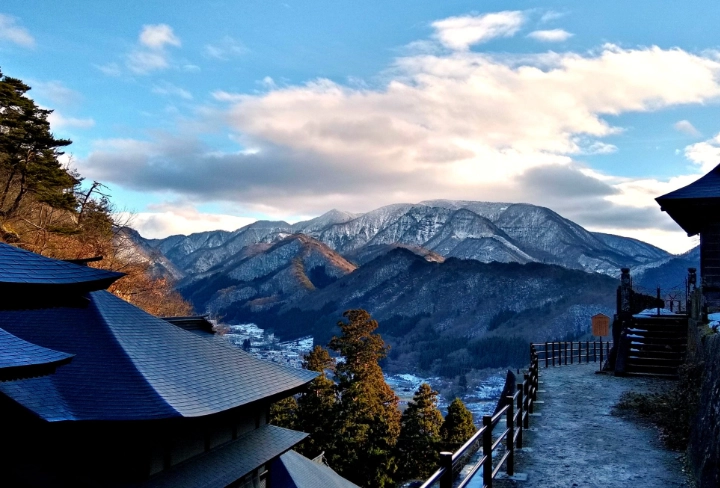
It's famous for a spirit—the thunderous drums of a summer festival, the legacy of samurai in a quiet street, the endurance of monks on a sacred peak.
Its fame isn't loud or flashy. It's the kind of fame that grows on you, that you appreciate more the deeper you go. It's not a checklist destination; it's a place to wander, to soak, to eat, and to be surprised.
Forget just ticking off "cherries and beef." Go find your own answer to the question. Maybe it'll be the sunset over the rice fields, the sound of geta clacking on a ryokan floor, or the smile of a farmer selling peaches by the roadside. That's the real fame of Yamagata.

Comments