If you're heading to Hokkaido, the Otaru Canal is almost certainly on your list. It's the postcard image of the port city, a slice of history preserved in stone and water. But here's the thing most blogs don't tell you: visiting at the wrong time can turn this romantic spot into a crowded, underwhelming walkway. I've seen it happen. I've also seen it absolutely empty, with snow gently falling on the gas lamps, and it's magic. This guide isn't just about what the Otaru Canal is; it's about how to experience it right.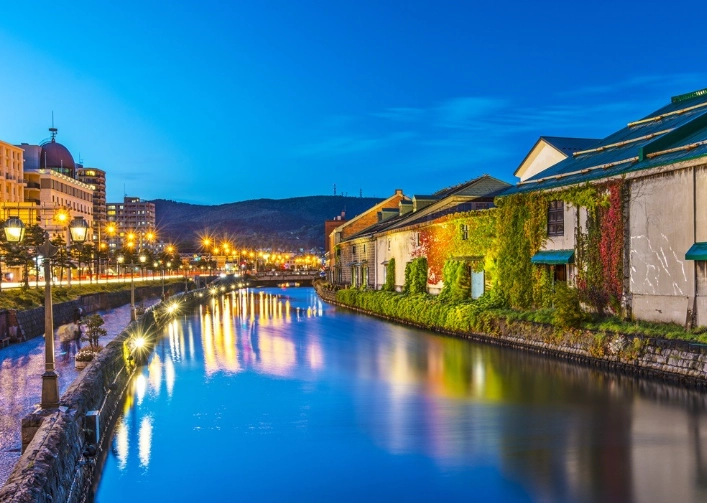
Your Quick Guide to Otaru Canal
How to Get to Otaru Canal
Otaru is a breeze to reach from Sapporo. The most straightforward way is the JR train. From Sapporo Station, take the JR Hakodate Line bound for Otaru. The rapid service takes about 30-40 minutes and costs 750 yen. The local train is cheaper (640 yen) but takes closer to 45-50 minutes. You'll get off at Otaru Station.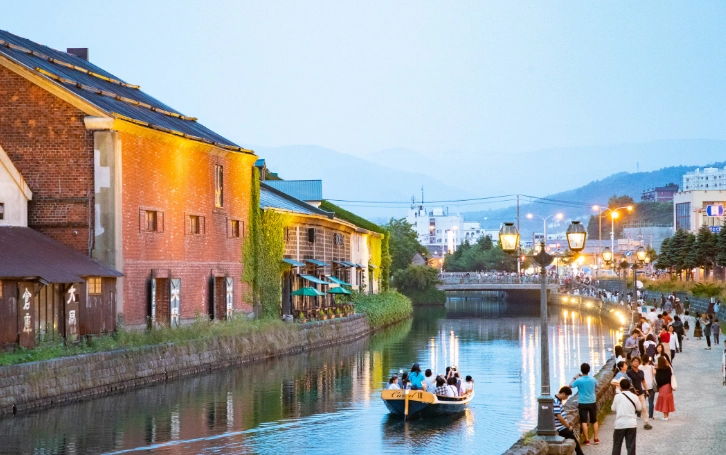
From Otaru Station, it's a 10-15 minute walk south to the canal. Just head out the main entrance and follow the signs or the crowd—everyone's going the same way. If you have heavy bags or mobility issues, there are taxis right outside the station; a ride to the canal area should be under 1000 yen.
Local Tip: Don't just walk directly to the canal from the station. Take a slight detour down Sakaimachi Street first. It's lined with old merchant shops, glassworks (like Kitaichi Glass), and music box stores. It feeds you right into the canal area and builds the atmosphere perfectly.
What is the Best Time to Visit Otaru Canal?
This is the million-dollar question. The answer completely changes your experience.
Season by Season Breakdown
| Season | Pros | Cons | Verdict |
|---|---|---|---|
| Winter (Dec-Feb) | Iconic snow scenery, Otaru Snow Light Path Festival (early Feb), magical evening atmosphere with lamps lit. | Extremely cold (often below freezing), can be icy underfoot, some canal cruises may not operate. | Best for photographers and those seeking the classic "Hokkaido winter" look. Dress in layers. |
| Spring (Apr-May) | Milder weather, cherry blossoms in late April (near the canal's northern end), fewer crowds than summer. | Early spring can still be chilly and slushy. The charm is less intense without snow or summer buzz. | A good, balanced choice if you dislike extreme temperatures. |
| Summer (Jun-Aug) | All activities (cruises, walking) are in full swing, pleasant weather, long daylight hours for exploring. | Peak tourist season. Can get very crowded, especially on weekends and during the day. | Visit early morning or after 5 PM to avoid the worst of the crowds. Evenings are lovely. |
| Autumn (Sep-Oct) | Beautiful fall foliage in the surrounding hills, crisp air, tourist numbers start to dwindle. | Weather can be unpredictable, turning rainy or windy quickly. | An underrated time for a visit, offering a different color palette. |
My personal, non-consensus take? Winter, but not during the Snow Light Path Festival unless you adore massive crowds. Go a week before or after. You'll still get the snow, the lamps, and the romance, but with space to breathe. Alternatively, a summer weekday evening is a close second—the stone warehouses are lit up, and the day-trippers have left.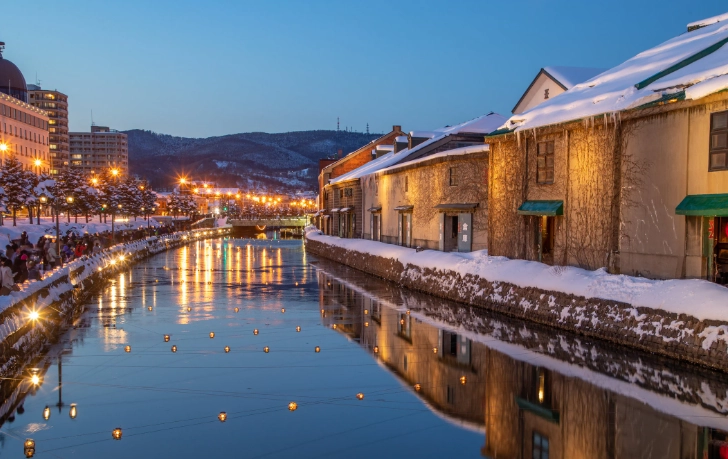
Top Things to Do at Otaru Canal
You don't just look at the canal. You engage with it. Here’s how.
1. Take a Canal Cruise
This is the classic activity. Several companies operate small boats that putter along the 1.3km canal, giving you a view from the water that you can't get on foot. The ride lasts about 40 minutes and includes commentary (usually in Japanese, but pamphlets in English are available).
- Price: Around 1,500 - 2,000 yen per adult.
- Operating Hours: Typically 9:00 AM - 6:00 PM (varies by season, shorter in winter).
- Where to board: The main boarding points are near the Asakusabashi bridge. Just look for the ticket booths along the promenade.
Is it worth it? For a first-time visitor, yes. It provides context and a relaxing break. For repeat visitors, maybe skip it and just walk.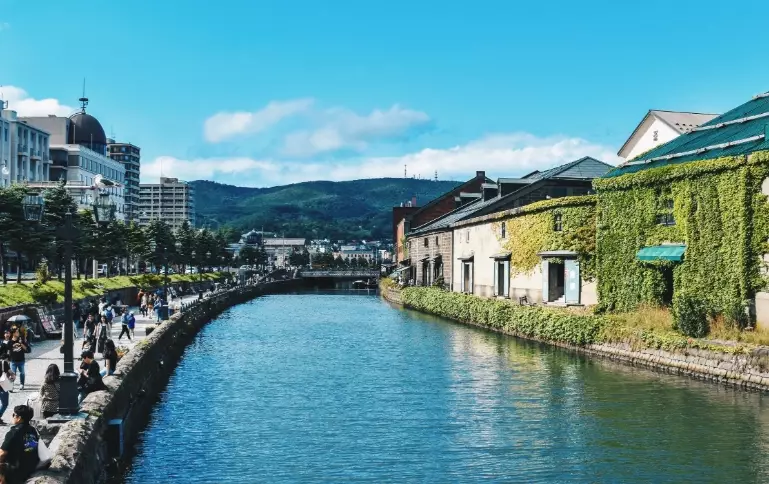
2. Walk the Promenade & Photograph the Warehouses
The old stone warehouses (kura) lining the canal are the main event. They once stored herring and goods shipped from across the world. Today, they house museums, shops, and restaurants. The best photo spot is from the opposite side of the canal, capturing the full reflection in the water. Early morning light is golden.
3. Visit the Otaru Canal Museum (Unga Soko)
Housed in a former warehouse, this free museum run by the city is small but informative. It explains the canal's construction in the early 1900s and Otaru's history as a major port. It’s a quick, worthwhile stop to understand what you're looking at. According to the Otaru City Museum's historical records, the canal was crucial for transferring cargo from large ships to smaller barges.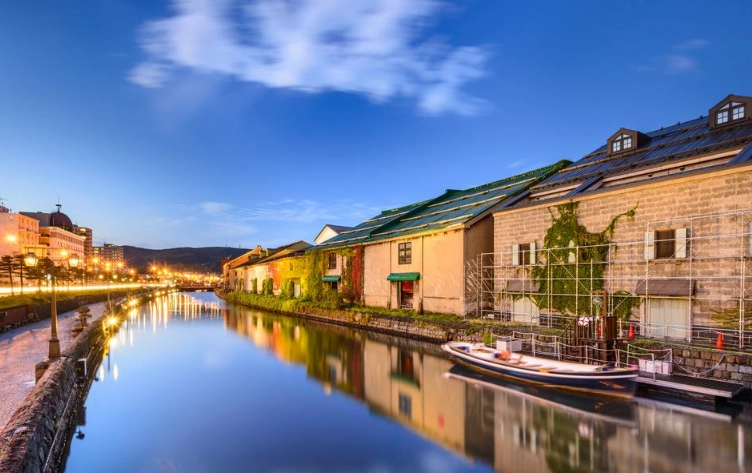
4. Eat & Drink in a Converted Warehouse
Dining here is about the atmosphere. The warehouses have been beautifully converted. Don't expect bargain prices, but the experience is unique.
- Otaru Warehouse No.1: A complex with multiple restaurants. Try Otaru Denuki Koji inside for a food alley vibe with ramen, sushi, and grilled Hokkaido beef. Address: 2-1-20 Ironai, Otaru.
- Otaru Beer: A microbrewery in a warehouse. Their German-style lagers and ales are perfect after a walk. A pint runs about 700-900 yen. Address: 5-4 Minatomachi, Otaru. Open 11:30 AM - 10:00 PM.
- For a sweet treat: Head back to Sakaimachi for LeTAO for their famous Double Fromage cheesecake. It's a pilgrimage site for dessert lovers.
Planning Your Otaru Day Trip from Sapporo
Most people visit Otaru as a day trip. Here’s a sample itinerary that flows naturally and avoids backtracking.
Morning (9:30 AM - 12:00 PM): Take the JR rapid train from Sapporo (arrive by 10:15 AM). Walk from Otaru Station down Sakaimachi Street. Browse the music box museum, Kitaichi Glass, and pick up some souvenirs.
Lunch (12:00 PM - 1:30 PM): Grab a famous Otaru sushi lunch. While the most famous places like Masazushi have long lines, smaller shops in the side alleys offer fantastic quality. Look for places with a local crowd. Expect to spend 2,000-4,000 yen for a good set.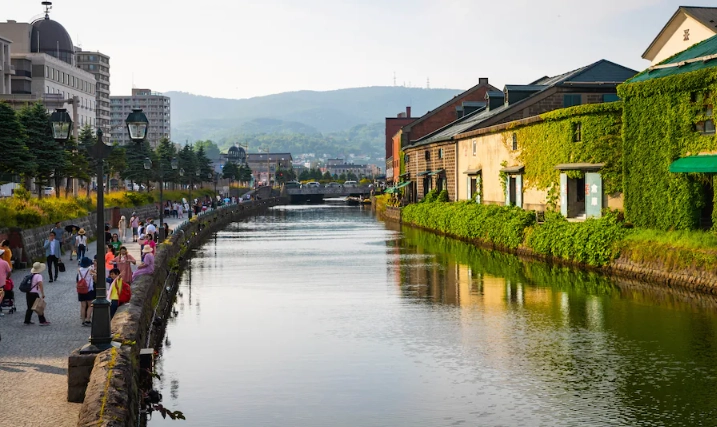
Afternoon (1:30 PM - 4:00 PM): Walk to the Otaru Canal. Stroll the promenade, take photos, visit the free Canal Museum. Consider a canal cruise if the weather is nice and lines aren't too long.
Late Afternoon (4:00 PM - 6:00 PM): Walk along the canal towards the sea to the Otaru Port area. It's more industrial but offers a different perspective. Then, head back towards the station via the other side of the canal.
Evening (6:00 PM onwards): The canal is lit up. Have dinner at one of the warehouse restaurants like Otaru Beer. Catch a train back to Sapporo. The last rapids leave around 11 PM.
Watch Out: Many shops on Sakaimachi Street close around 5:00 or 6:00 PM. Do your shopping earlier in the day. The canal area and restaurants stay open later.
Common Mistakes to Avoid at Otaru Canal
After multiple visits, I've seen these patterns.
Only visiting during the daytime. The canal is pretty by day, but it's atmospheric by night when the 63 gas lamps are lit. The stone warehouses are illuminated. The crowds thin out. Make sure you see it after dark.
Not dressing for the microclimate. Otaru is on the coast. It's almost always windier and feels several degrees colder than Sapporo, especially in winter. That sea breeze cuts right through you. A hat and gloves are non-negotiable from November to March.
Staying only on the main canal promenade. The most crowded stretch is between the Asakusabashi and Chuo bridges. Walk further north or south. You'll find quieter spots with the same beautiful views.
Missing the Otaru Snow Light Path Festival if you're there in early February. But also, only going to the canal during the festival. The main canal area is packed. The festival's real charm is in the smaller, hidden installations along the old railway line (Temiyasen Kaido) and in the park. Explore those.
The Otaru Canal isn't just a waterway; it's the heart of the city's story. By timing your visit right, dressing appropriately, and exploring beyond the obvious photo spot, you move from being a spectator to part of the scene. That's when it becomes unforgettable.





Comments