Tokyo's accommodation scene is a universe of its own. You've got everything from pod-sized capsules where you slide into bed to ryokans where you sleep on tatami mats, and skyscraper hotels with views that stretch forever. It's exciting, but honestly, it can be paralyzing. Picking the wrong place can mean a 45-minute subway slog every morning or a room so small you can't open your suitcase.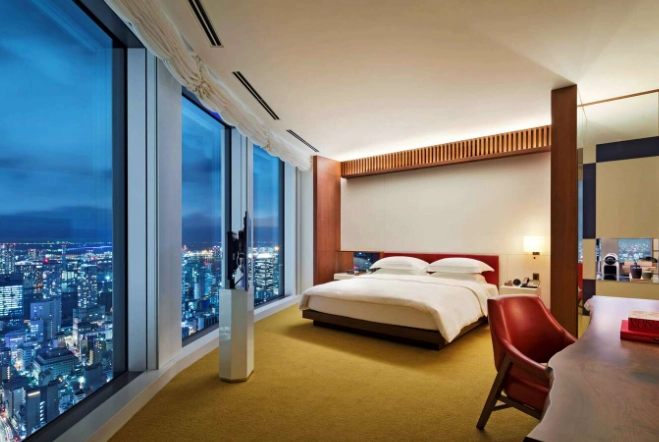
I've stayed in more Tokyo rooms than I can count—from a mistake in a love hotel (awkward) to a sublime ryokan in the middle of the city. The key isn't just finding a "good hotel." It's matching the hotel to your Tokyo.
Your Quick Tokyo Stay Navigator
Understanding Tokyo's Neighborhoods: The Key to Your Perfect Stay
Forget just looking at a hotel's star rating. In Tokyo, location dictates your daily experience. A great hotel in the wrong district is a missed opportunity. Tokyo is a constellation of cities, each with a distinct personality.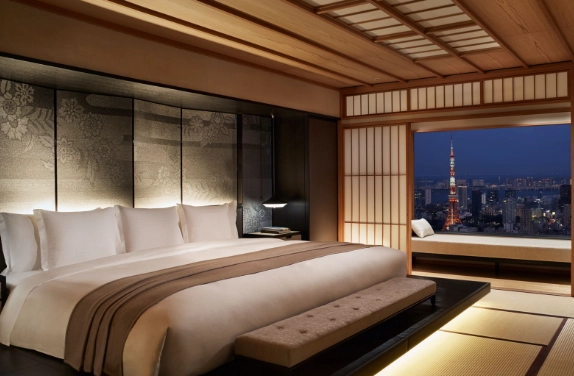
Here’s the breakdown that most generic lists miss: they tell you Shinjuku is busy, but not that certain exits from Shinjuku Station can add 15 confusing minutes to your walk back at night.
| Area | Vibe & Best For | Biggest Pro / Con | Price Range (Per Night) |
|---|---|---|---|
| Shinjuku | The hyper-energy hub. Perfect for nightlife, endless food options, and direct airport limousine bus links. Feels like the core of modern Tokyo. | Pro: Unbeatable transit (JR Yamanote, Metro, Odakyu lines). Con: Can feel overwhelming and crowded; some parts are seedy after dark. |
$$ - $$$$ |
| Shibuya | Youth culture, fashion, and buzzing energy. Ideal for shoppers, trendy diners, and people-watching. Close to Harajuku and Omotesando. | Pro: Centrally located on Yamanote Line, fantastic for exploration. Con: Can be very loud; accommodations are often smaller and pricier for the space. |
$$ - $$$$ |
| Ginza / Marunouchi | Upscale, polished, and sophisticated. Luxury shopping, high-end dining, and close to Tokyo Station (for Shinkansen trips). | Pro: Clean, safe, and elegant. Easy access to rest of Japan. Con: Can feel sterile at night; very expensive for dining/drinking. |
$$$ - $$$$+ |
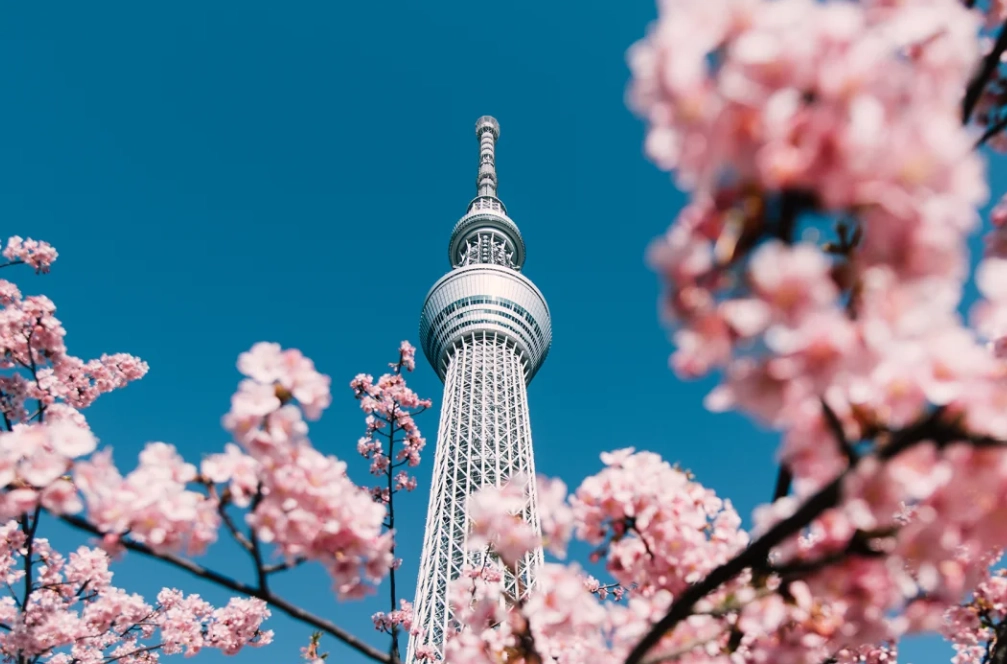
| Asakusa | Old Tokyo (Shitamachi) charm. Home to Senso-ji Temple, traditional streets, and river views of Tokyo Skytree. | Pro: Distinct cultural feel, great for photogenic mornings. Con: Further from western hubs like Shibuya/Shinjuku; fewer late-night options. |
$ - $$$ |
| Ueno | Practical and cultural. Major museums, Ueno Park, and Ameya-Yokocho market. Excellent value for money. | Pro: Great budget options, on Yamanote Line, direct Skyliner from Narita. Con: Less glamorous; area directly north of the station can be a bit rough. |
$ - $$ |
| Roppongi / Azabu | International and expat-heavy. Nightlife, art museums (Mori Art Museum), and upscale residential vibes. | Pro: Great dining variety, active nightlife for an older crowd. Con: Can be pricey; some nightlife spots are tourist traps. |
$$ - $$$$ |
How to Choose Your Tokyo Accommodation: A Step-by-Step Guide
Let's get practical. Follow this sequence to filter the overwhelming options.
1. Lock Down Your Budget (Realistically)
Tokyo accommodation isn't just the room rate. Think about:
- City Tax: Most hotels add a ~100-200 JPY per person per night "accommodation tax."
- Size vs. Price: A $150 room in Shinjuku might be 14 sqm. For the same price in Ueno, you might get 20 sqm. Decide what you value more.
- Breakfast: Hotel breakfasts in Japan are often fantastic buffets with Japanese and Western options. But you can also find incredible, cheap breakfasts at convenience stores (7-Eleven, Lawson) or cafes. Don't auto-include it.
2. Define Your Travel Style
Are you a "drop bags and explore" person or a "hotel as sanctuary" person? For the former, a clean business hotel near a station is perfect. For the latter, splurging on a room with a view or a ryokan with an onsen might be worth it. Traveling with family? Immediate access to a convenience store (for snacks, drinks, essentials) is more critical than being next to a club.
3. The Transportation Litmus Test
Open Google Maps. From your shortlisted hotel, map a walk to the nearest:
- JR Yamanote Line station (the green loop line that connects most major areas).
- Two different subway lines (more line options = more flexibility).
If the walk is over 7-10 minutes, especially in summer heat or winter cold, reconsider. A 5-minute difference twice a day adds up.
4. Read Reviews for Specifics, Not Just Stars
Ignore reviews that just say "great location." Look for:
- "Room smelled of smoke" (some hotels still have smoking floors).
- "The subway entrance was right outside" (gold).
- "Construction noise all day" (Tokyo is always rebuilding).
- "Beds were firm" (Japanese beds often are).
I rely on a mix of Google reviews, Booking.com, and for a local perspective, sites like Japan-Guide.
Specific Stays: From Luxury to Local
Here are concrete examples across the spectrum. Prices are approximate for a standard double room in peak season (spring/fall).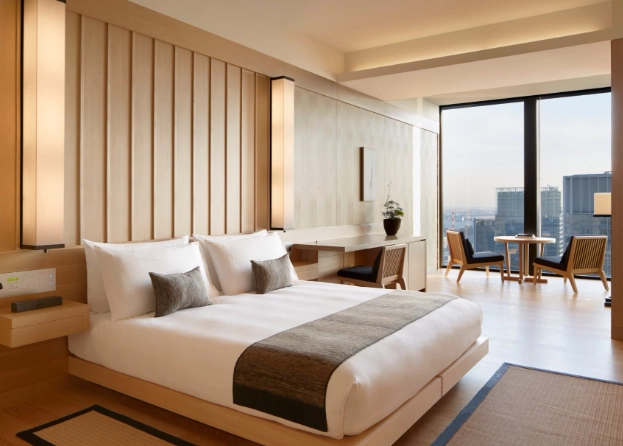
The Splurge (Modern Luxury)
It's not just a hotel; it's an experience 33 floors above the financial district. The lobby is a breathtaking atrium of Japanese minimalism. Rooms are vast by Tokyo standards, with furo (deep soaking tubs) and stunning views. It’s serene, disconnected from the chaos below. Perfect for a once-in-a-lifetime treat or if your priority is absolute peace. The location is great for Tokyo Station and Imperial Palace walks, but you'll need the subway to reach Shinjuku or Shibuya.
The Sweet Spot (Boutique & Design)
This place captures the creative, socially-conscious spirit of modern Tokyo. The design is sleek and sustainable (they have a zero-waste policy). The rooms are cool, not cookie-cutter. The real draw is the scene—the lobby and restaurant are hubs for stylish locals and travelers. It’s in the quieter Cat Street area of Shibuya, a short walk from the scramble. You're paying for atmosphere and ethos here.
The Workhorse (Business Hotel)
This is my go-to recommendation for value and quality. Part of a reliable chain, it's a 10-minute walk from Shinjuku's south side, right next to the serene Meiji Jingu Gaien park. Rooms are compact but efficiently designed, clean, and well-equipped. The huge public bath (onsen) on the top floor is a game-changer after a long day of walking. It’s quiet, well-connected, and offers a fantastic price-to-comfort ratio. Chains like APA Hotel (ubiquitous but rooms are tiny) and Dormy Inn (known for their free noodle snacks and onsens) operate on a similar model.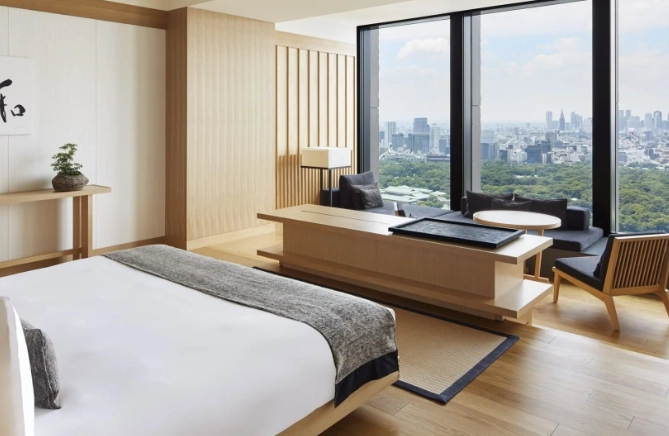
The Unique Experience (Ryokan)
For a genuine ryokan stay in the city. You sleep on futons on tatami, wear yukata robes, and are served a multi-course kaiseki dinner (optional). The service is deeply personal. It’s located on a quiet street in Asakusa, moments from Senso-ji. The catch: it's a traditional experience—shared bathrooms (though some rooms have private toilets), strict meal times, and it's not cheap. Worth it for one or two nights to immerse yourself. For a more modern take with private onsens, look at Hoshinoya Tokyo in Ōtemachi (luxury ryokan).
Booking and Practical Tips for a Smooth Stay
Book Directly? Sometimes. Always check the hotel's own website. They might offer perks like free breakfast, room upgrades, or flexible cancellation that aggregators don't have. But aggregators (Booking.com, Agoda) are great for comparing many options at once.
Cancellation Policies: Japanese hotels often have stricter policies than Western ones. "Non-refundable" usually means exactly that. Pay attention.
Check-in/out Times: Often 3 PM or 4 PM check-in and a sharp 10 AM or 11 AM check-out. Business hotels usually let you store luggage before/after. Luxury hotels are more flexible.
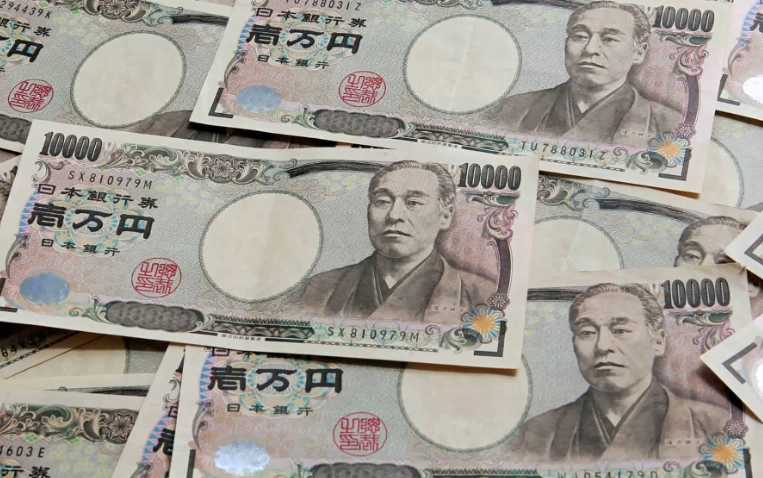
Payment: Most accept international credit cards. Some smaller ryokans or guesthouses might prefer cash upon arrival. Have yen ready.
Language: At any hotel above a basic hostel, staff will speak functional to excellent English. Don't worry.
Your Tokyo Accommodation Questions Answered
Is Shinjuku the best area to stay in Tokyo for first-time visitors?
Shinjuku is popular for good reason: it's a major transport hub with endless dining and nightlife. However, 'best' is subjective. For a more balanced first-timer experience, consider Shibuya for youthful energy and shopping, or the Ginza/Marunouchi area for upscale vibes and easy access to the Imperial Palace and Tokyo Station. If you prioritize a traditional feel and proximity to Senso-ji Temple, Asakusa is a strong contender, though it's slightly less connected to western Tokyo districts.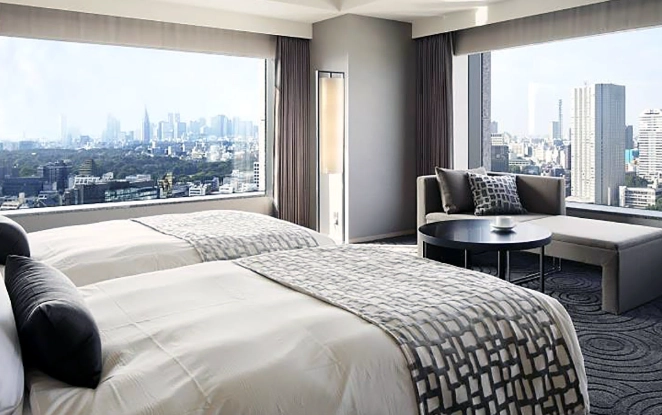
Are capsule hotels in Tokyo suitable for families or long stays?
Almost never for families, and rarely for long stays. Most capsule hotels are single-gender, have strict luggage size limits, and offer minimal personal space. They are designed for solo business travelers or budget tourists needing a single night. For a family, look for business hotels with triple or quadruple rooms, or serviced apartments. For a stay longer than three nights, the lack of personal storage and living area in a capsule will likely become frustrating.
Should I book an Airbnb or a hotel in Tokyo?
It depends on your travel style. Hotels offer predictability, front desk service, daily cleaning, and are often located near major stations. Airbnbs (or similar vacation rentals) can provide more space, a kitchen, and a local neighborhood feel, which is great for longer stays or families. The crucial check: ensure the Airbnb listing has a valid registration number. Unregistered listings are illegal and could be cancelled last minute. Also, read reviews specifically about noise and neighbor relations.
How far in advance should I book Tokyo accommodation during peak seasons?
For peak seasons like cherry blossom (late March-early April), Golden Week (early May), and autumn foliage (November), aim to book 4 to 6 months in advance, especially for popular ryokans or highly-rated mid-range hotels. For other times, 2-3 months is usually safe for a good selection. Last-minute deals exist but are a gamble; you'll often be left with less desirable locations or higher-priced luxury rooms.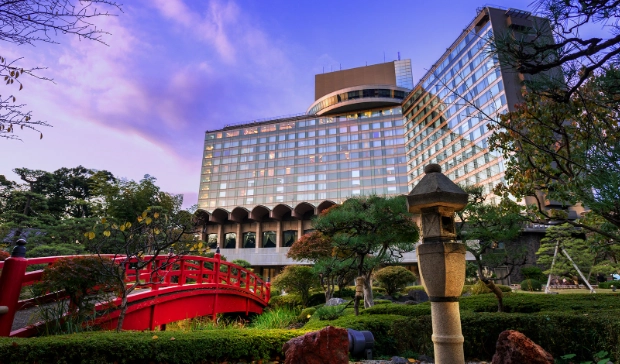

Comments