Let's get one thing straight. Sapporo food isn't just about eating; it's about experiencing Hokkaido's ridiculously rich land and sea on a plate. The island's cold waters, vast farmlands, and pure air create ingredients with a depth of flavor that chefs in other parts of Japan are jealous of. I've lost count of the times I've taken a bite of something here—a piece of salmon, a spoonful of soup, a slice of melon—and just stopped talking.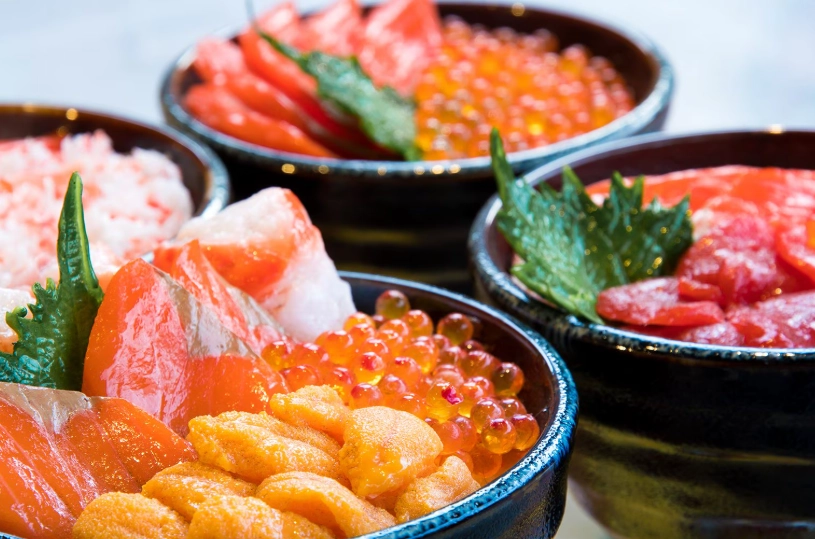
This guide won't just list famous dishes. It'll tell you where to find the real deal, how to avoid tourist traps, and how to eat like someone who knows the city's backstreets.
Your Sapporo Food Journey Starts Here
The Non-Negotiable Classics You Must Try
You can't leave Sapporo without trying these. They're iconic for a reason.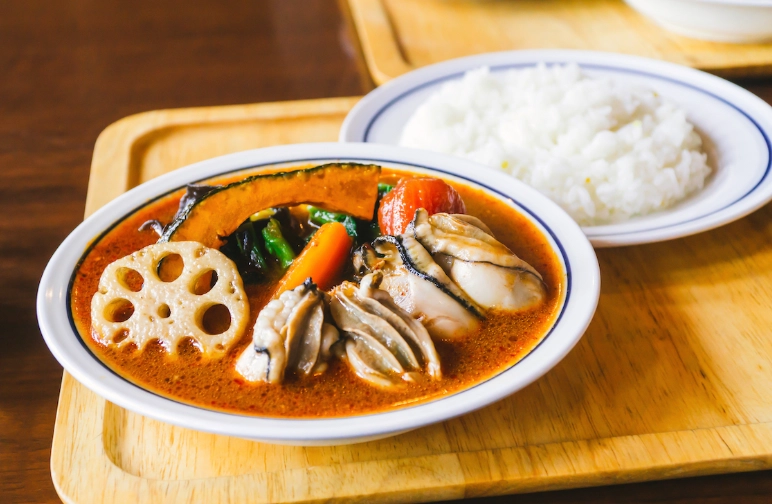
Sapporo Miso Ramen
Forget everything you think you know about ramen. Sapporo's version is a hearty, complex beast born from necessity to warm people during long winters. The key is the miso paste, which is stir-fried with vegetables and minced meat before the broth is added. This creates a rich, almost gravy-like soup that clings to thick, curly noodles. It's robust, savory, and deeply satisfying. A common rookie mistake is ordering a large bowl right before a big night out—it can sit in your stomach like a warm, delicious brick.
Soup Curry (Su-pu Karē)
This is not your typical Japanese curry. Imagine a fragrant, broth-based soup, infused with a complex blend of spices (not just heat), filled with massive vegetables and a protein of your choice—chicken leg, pork cutlet, or seafood. The vegetables are often left in huge, crunchy chunks. You get to choose your spice level, from mild "1" to face-melting "10." Start with a 3 or 4. Trust me. Places like Suage+ and Picante have made this a culinary art form.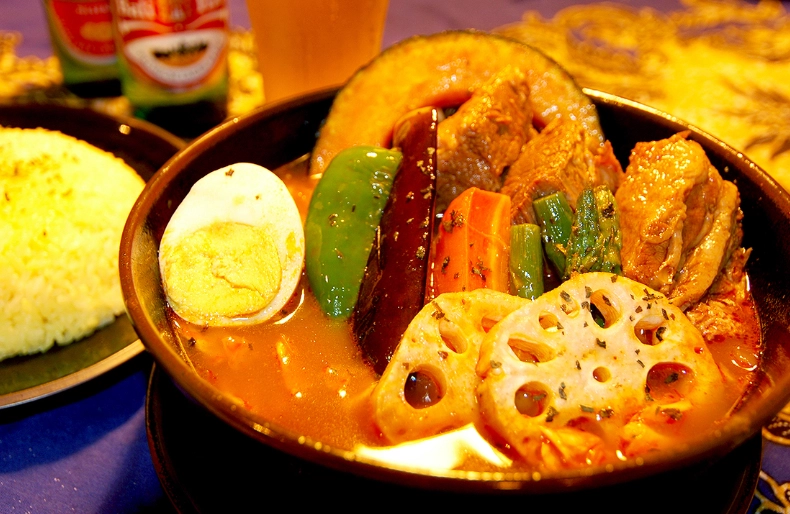
Genghis Khan (Jingisukan)
Hokkaido's famous lamb and mutton barbecue. The dome-shaped grill represents a soldier's helmet, and the meat sizzles in the center. The lamb here is exceptionally tender and mild, with almost no gamey smell. It's grilled with bell peppers, beansprouts, pumpkin, and cabbage, which soak up the delicious meat juices. Dip it in the special sauce. Head to Daruma chain for the classic, no-frills experience. It's loud, smoky, and perfect for groups.
Kaisendon (Seafood Bowl)
Hokkaido is seafood heaven. A kaisendon is a bowl of sushi rice topped with a mind-boggling array of the day's freshest catch: uni (sea urchin), ikura (salmon roe), crab, scallop, salmon, and sweet shrimp. The quality is so high it can ruin sushi elsewhere for you. For the ultimate experience, go to Nijo Market early in the morning. Don't just stare at the famous crab legs—the uni here is creamy and sweet like ocean custard.
Where to Eat: Top Restaurant Picks
This table isn't just a list. It's a curated starting point based on years of eating around the city, balancing iconic spots with local favorites.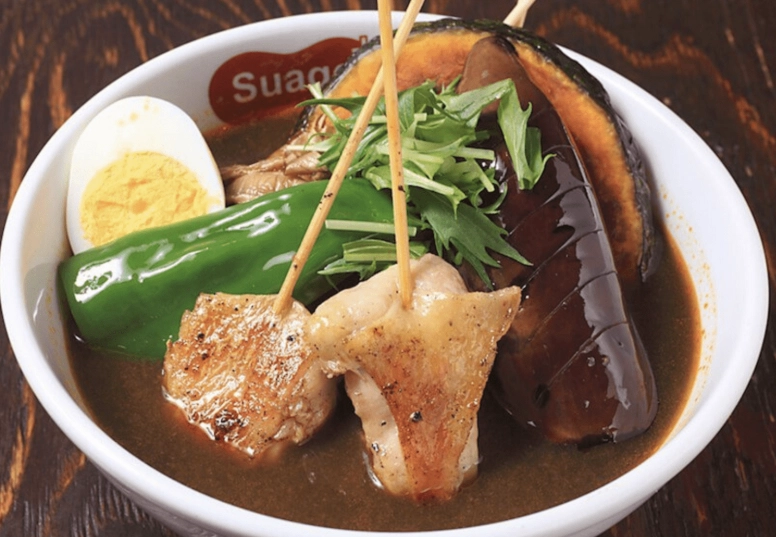
| Restaurant | What to Get | Address / Area | Price Point | Notes |
|---|---|---|---|---|
| Ramen Shirakaba Sansou | Miso Ramen (Butter & Corn topping in season) | Multiple locations. South 5 West 3, Chuo-ku is main. | ¥800 - ¥1,200 | My personal favorite for classic, balanced miso ramen. Less heavy than some. Expect a line. |
| Kani Honke | Snow Crab Course, Grilled Crab, Crab Sashimi | 3 Chome-2-1 Minami 4 Jonishi, Chuo-ku (Susukino) | ¥8,000 - ¥20,000+ | The iconic, multi-story crab temple. A splurge, but the quality and variety are unmatched. Reserve. |
| Soup Curry & Dining Suage+ | Chicken Leg Soup Curry (Level 3 Spice), add cheese | 4 Chome-5-28 Minami 5 Jonishi, Chuo-ku | ¥1,000 - ¥1,500 | Modern, popular soup curry spot. Rich broth, huge portions. The cheese topping is a game-changer. |
| Jingisukan Daruma (Main Shop) | Lamb Set, Garlic Rice | 5 Chome Minami 4 Jonishi, Chuo-ku (in the alley) | ¥3,000 - ¥5,000 | The original and still one of the best. Noisy, bustling, authentic. The smell of grilled lamb is the ambiance. |
| Sushi Zen | Omakase (Chef's Choice), Seasonal Sashimi | 1 Chome Minami 3 Jonishi, Chuo-ku | ¥5,000 - ¥15,000 | High-end sushi without Tokyo prices. The chef sources directly from Hakodate and Otaru markets. |
| Nijo Market Stalls | Fresh Uni, Scallop, Kaisendon | 1 Chome Minami 3 Johigashi, Chuo-ku | ¥2,000 - ¥6,000 | Not a single restaurant. Wander, sample, and pick a stall with fresh seafood and a short line. |
You'll notice I didn't list the famous Ramen Alley (Ganso Ramen Yokocho) as a top pick. It's a fun historical spot to see, but the bowls are often smaller, pricier, and tailored for the tourist circuit. Go for the atmosphere, have a mini-bowl, but save your serious ramen appetite for the standalone shops like Shirakaba.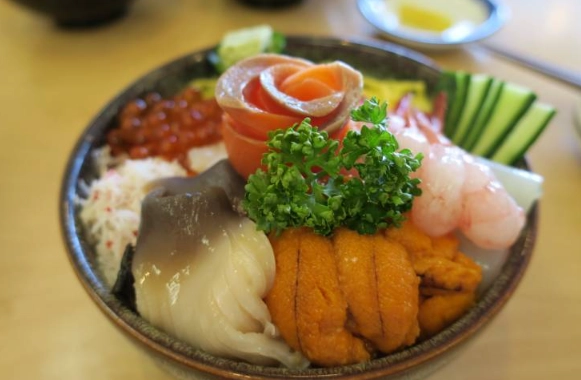
Eating Well Without Breaking the Bank
Sapporo can be incredibly kind to your wallet if you know where to look.
Izakayas in Susukino's Backstreets: Step away from the neon lights of the main Susukino strip. The narrow alleys are packed with tiny, standing-room-only bars (tachinomi) and local izakayas. For ¥500-¥800 you can get a draft beer and a plate of grilled skewers (yakitori) or edamame. It's where salarymen unwind.
Department Store Basements (Depachika): Places like Stellar Place under Sapporo Station or Paseo are food heavens. Around 7-8 PM, many prepared food sections discount their bento boxes, sushi sets, and side dishes by 30-50%. You can assemble a gourmet picnic for your hotel room for under ¥1,500.
Convenience Store (Konbini) Gourmet: Hokkaido's konbini are on another level. 7-Eleven's Hokkaido Milk Soft Cream is legendary. Their egg salad sandwiches are creamier. Lawson's "L Chiki" fried chicken is a cult favorite. Don't sleep on the onigiri (rice balls)—the salmon and cod roe ones are fantastic.
Teishoku (Set Meal) Restaurants: Look for signs offering lunch sets. You'll get a main dish (like grilled fish or tonkatsu), rice, miso soup, pickles, and sometimes a small salad for ¥800-¥1,200. It's the best value lunch in town.
How to Eat & Drink Like a Local
Blending in is half the fun. Here's how to navigate the scene.
First, embrace the seasons. In summer, ramen shops add butter and corn to your bowl—it sounds weird, but the sweet corn cuts through the rich broth perfectly. In autumn, look for mushroom-based dishes and sanma (Pacific saury). Winter is all about hot pots (nabe) and crab.
Second, learn a tiny bit of ordering etiquette. When you enter a ramen shop, you'll often buy a ticket from a vending machine first. Point at the picture, insert money, get your ticket, then sit down and hand it to the staff. At an izakaya, you'll often get an otoshi (a small appetizer) as soon as you sit, even if you didn't order it. It's a cover charge, usually ¥300-¥500, and will be added to your bill.
Third, drink like a Hokkaido native. That means Sapporo Classic beer (only available in Hokkaido) and local shochu like Mugi Shochu (barley shochu). In winter, try hot sake. Don't pour your own drink—keep an eye on your companions' glasses and refill them when they're empty. They'll do the same for you.
Finally, use the subway to explore food neighborhoods. Get off at Odori for department store food halls and cafes. Susukino is for nightlife, ramen, and seafood. Maruyama Koen station gives you access to a quieter, upscale dining area with great coffee shops and bakeries.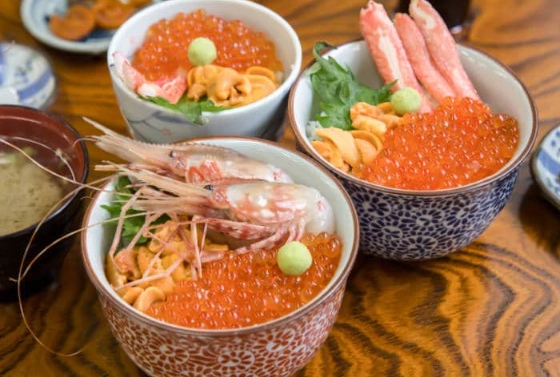
Your Sapporo Food Questions Answered
Sapporo's food scene is a direct reflection of Hokkaido itself—generous, robust, and deeply satisfying. It's not about delicate, tiny portions. It's about warmth and abundance. Start with the classics, use the subway to explore, and don't be afraid to point at something that looks good. Your stomach will thank you.
Comments