Let's get this out of the way first. Yes, Kobe beef is incredible. It's the reason most food lovers put this port city on their Japan itinerary. But if you leave Kobe thinking only about that melt-in-your-mouth steak, you've missed about 70% of the story. Kobe food is a layered narrative of international trade, local craftsmanship, and a sweet tooth that rivals Paris. It's about the sake breweries tucked in the Nada district, the European-style bakeries in Kitano, and the sizzling street food of Nankinmachi. This guide is for the eater who wants the full picture.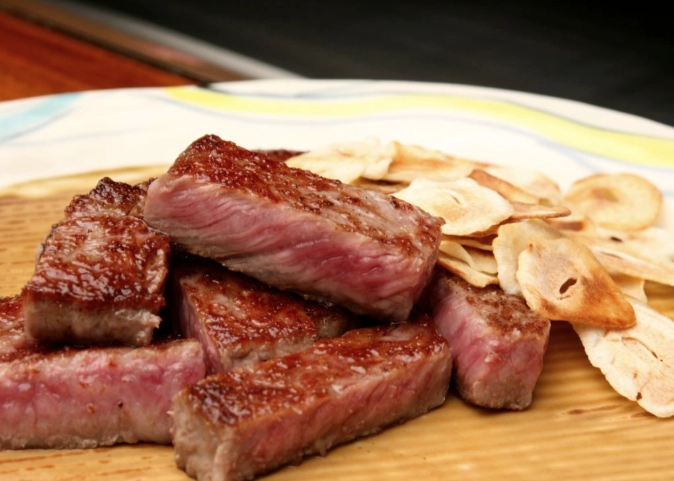
Your Quick Bite-Sized Guide
What Exactly is Kobe Beef? (The Real Details)
Everyone throws the term around, but let's nail down what it actually means. Authentic Kobe beef comes from Tajima cattle raised in Hyogo Prefecture, under a strict certification system. It's not just about marbling; the meat must score a yield grade of A or B and a meat quality grade of 4 or 5 (with 5 being the highest). The famous marbling, or shimofuri, creates that buttery texture.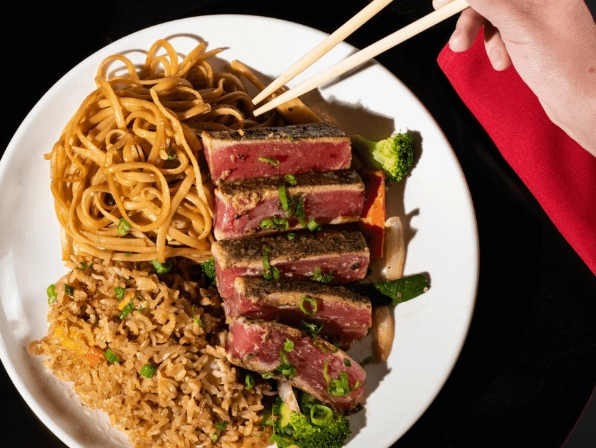
Where should you eat it? The classic experience is teppanyaki, grilled right in front of you. But you'll also find it as sukiyaki, shabu-shabu, or even in a burger (though I'd save that for a less premium beef experience).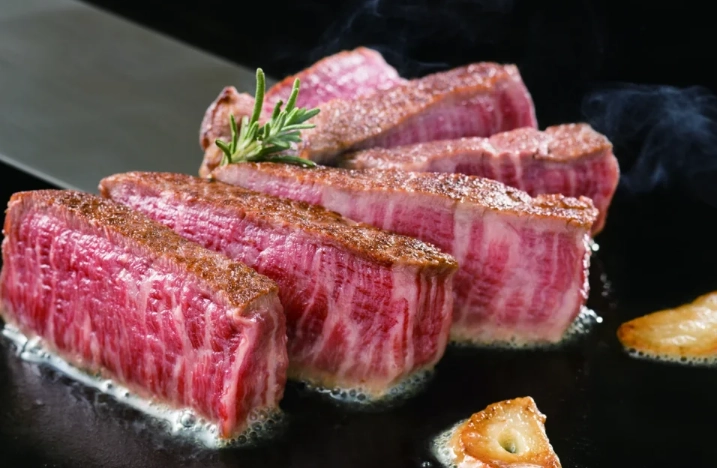
Top-Tier Kobe Beef Restaurants: A Comparison
td>¥25,000 - ¥40,000+| Restaurant | Style & Vibe | Price Point (Dinner) | Why It Stands Out | Booking Note |
|---|---|---|---|---|
| Mouriya Gion | Refined, classic teppanyaki. Smaller, intimate setting. | Historic brand (since 1885). Focuses on the pure flavor of the beef with minimal seasoning. | Essential. Book 3-4 weeks ahead for prime time. | |
| Steakland Kobe Honten | Lively, larger restaurant. Popular with tourists and locals. | ¥10,000 - ¥20,000 | Great value lunch sets. Offers a clear view of the chef's skills in a bustling atmosphere. | Very popular. Book at least 2 weeks in advance. |
| Kobe Plaisir Ginza | Modern, upscale. Harbor views. | ¥20,000 - ¥35,000 | Stunning location in Kobe Harborland. Excellent wine pairing options. | Concierge or online booking recommended. |
I had my first real Kobe beef at Mouriya Gion. The chef cooked the fat trimmings first, used them to grease the grill, and then presented the steak in stages—with garlic chips, with salt, with wasabi. It was a lesson in simplicity. The steak itself was so tender the knife felt unnecessary. But the bill? A gentle reminder that this is a once-in-a-while splurge.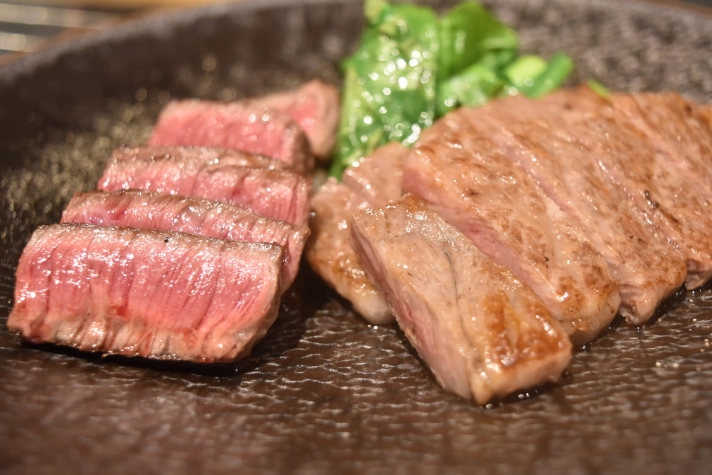
The Other Pillars: Kobe Sweets & Sake
Kobe's history as an international port (opened in 1868) left a delicious legacy: confectionery. European bakers settled here, and their craft evolved into something uniquely Kobe.
You must try Fujiya Heiseido's "Castella" sponge cake (their main shop is on Ikuta Road). It's lighter and less sweet than the Nagasaki version. Then there's Konigs-Krone, a German-style bakery in Kitano famous for its Baumkuchen (tree cake). For something more Japanese, seek out wagashi (traditional sweets) shops near Ikuta Shrine.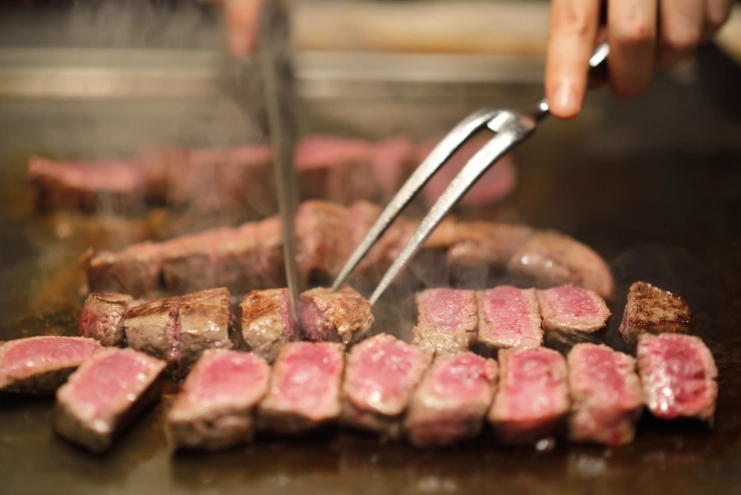
Kobe Sake 101: The Nada-Gogo area, between Kobe and Nishinomiya, produces about 30% of Japan's sake. The hard water (miyamizu) here is perfect for brewing clean, crisp sake. You can tour breweries like Hakutsuru (free museum) or Kiku-Masamune (they have a paid tasting). The best way to sample is at a good izakaya in Sannomiya—ask for a hyakunen (century) or Nada no sake.
Exploring Kobe's Food Neighborhoods
Kobe's food scene is geographically distinct. Knowing the neighborhoods saves time.
Sannomiya & Motomachi: The central hubs. Ramen alley, countless izakayas, department store depachika (food halls) for gourmet souvenirs. Start at Ramen Kaiko for a rich, chicken-based ramen if you need a break from beef.
Nankinmachi (Chinatown): Compact but packed. Go for street food: pork buns (butaman), steamed dumplings, and sesame balls. It's loud, crowded, and utterly fun. Don't expect a sit-down culinary journey here; it's about grabbing and going.
Kitano (Ijinkan-gai): The former foreign settlement. The food here reflects that history. Charming cafes serve yoshoku—Japanese interpretations of Western dishes like omurice (omelette rice) and hayashi rice (hashed beef stew). Perfect for a quirky, nostalgic lunch. Try Kitano Club in a historic building.
Harborland: Tourist-friendly with waterfront restaurants. The food can be a bit generic, but the views are spectacular. Better for a drink than a dedicated food pilgrimage.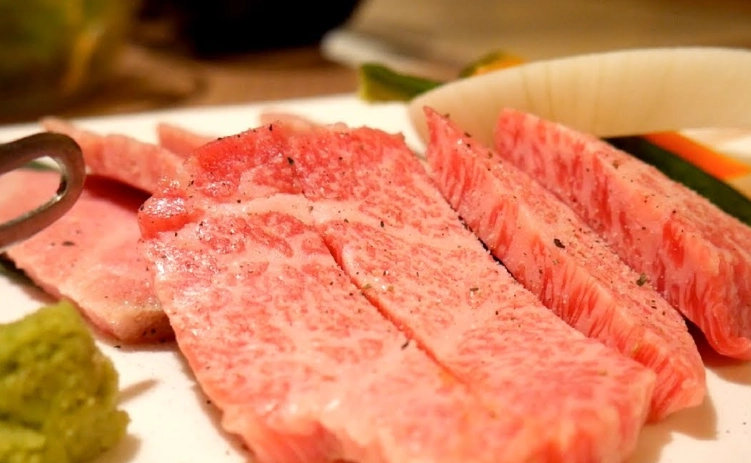
How to Experience Kobe Food Like a Local
Skip the hotel breakfast. Head to a kissaten (old-school Japanese coffee shop) in the morning for a thick slice of toast and a hand-drip coffee. For lunch, follow office workers to the alleys behind Sannomiya Station for teishoku (set meal) shops offering grilled fish, tempura, or tonkatsu for under ¥1000.
My favorite local secret? The small standing bars (tachinomi) near Sannomiya. You'll elbow salarymen, order a cheap beer and some yakitori (grilled chicken skewers), and feel the city's pulse. They don't cater to tourists, so a few basic Japanese phrases or a point-and-smile attitude goes a long way.
Also, visit a local supermarket like Izumiya or Life in the evening. Their prepared food sections are incredible and half-priced after 7 PM. You can assemble a fantastic picnic.
Crafting Your Perfect Kobe Food Itinerary
Here’s a realistic, packed one-day plan focused purely on eating.
Morning (9:00 AM): Start in Kitano. Grab a coffee and a pastry at a European-style cafe. Walk off the carbs exploring the historic Ijinkan houses.
Late Morning (11:30 AM): Head to Nankinmachi. It's less crowded before the lunch rush. Sample a couple of street food items. Don't fill up.
Lunch (1:00 PM): This is your Kobe beef moment. Book a lunch set at Steakland or a similar mid-range teppanyaki. You'll get the experience at a fraction of the dinner cost.
Afternoon (3:00 PM): Sweet recovery. Walk to Fujiya Heiseido on Ikuta Road for Castella cake. Then, take the train one stop to Sannomiya and explore the depachika at Daimaru or Sogo for sake and sweet souvenirs.
Evening (6:30 PM): Dive into the izakaya scene. Find a small spot in the backstreets of Sannomiya. Order sake from Nada, some local akashiyaki (octopus dumplings, a Hyogo specialty), and grilled vegetables. Let the chef recommend dishes.
Late Night (9:30 PM): If you have room, find a ramen shop. The ones open late are usually the best.
Kobe Food FAQs Answered
Kobe food is a dialogue between its global past and its Hyogo roots. The beef is the headline act, but the supporting cast—the bakers, the brewers, the izakaya masters—steals the show. Plan for the steak, but wander for everything else. Your stomach will thank you.

Comments