You want that perfect photo under a canopy of pink. You've dreamed of the hanami picnics. But if you get the timing wrong, you'll see bare branches or a sad carpet of fallen petals. The short, frustrating answer is: it depends entirely on the year and where in Japan you go. There's no single "best week" for the whole country. After tracking blooms for over a decade and yes, missing them completely once in Kyoto, I've learned that planning a sakura trip is part science, part art, and a whole lot of strategic flexibility.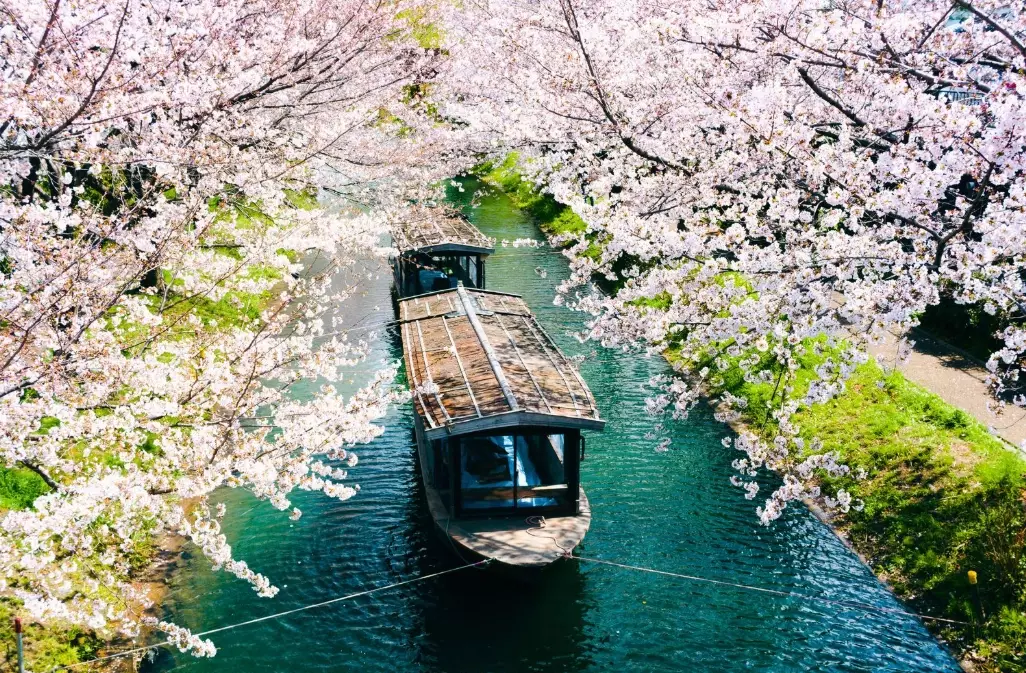
This guide won't just give you generic dates. We'll dive into how the sakura forecast works, break down the country region by region, and give you the tools to make your own call—even if the weather decides to throw a curveball.
Your Sakura Trip Roadmap
- The Core Question: Peak Bloom vs. Your Visit
- Why the Dates Shift Every Year
- Best Time by Region: A Detailed Breakdown
- How to Read and Use the Sakura Forecast
- Planning Your Itinerary: From 5 Days to 2 Weeks
- Top Spots and Hidden Gems for Each Bloom Phase
- Common Mistakes First-Timers Make
- Your Sakura Season Questions, Answered
The Core Question: Peak Bloom vs. Your Visit
First, let's define our terms. The "best" time is subjective.
Peak bloom (mankai) is when 80% of the flowers on a given tree are open. It's the iconic, full-pink moment. This period typically lasts only about 5 to 7 days before the wind and rain start scattering the petals.
But here's a pro tip: the week leading up to peak bloom is often more enjoyable. The flowers are opening daily, the crowds are slightly thinner, and you avoid the anxiety of the petals falling. The atmosphere is one of anticipation, which in Japan, is half the fun.
Visiting during full bloom is spectacular, but it's also a logistical challenge. Parks are packed, hotels are at their priciest, and you're racing against the next rain shower.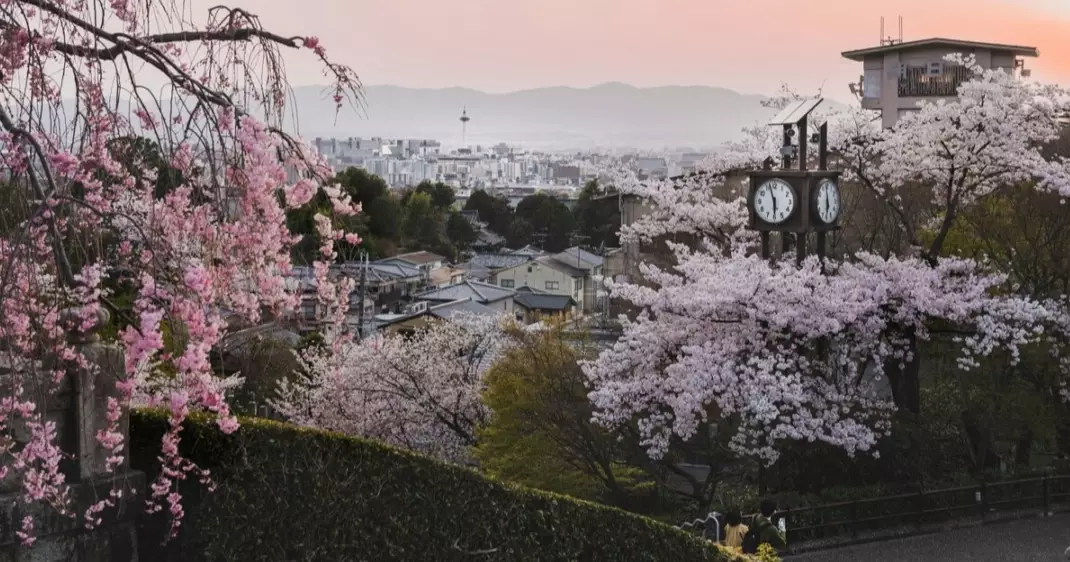
The Sweet Spot: Aim to arrive 2-3 days before the forecasted peak bloom date for your target city. This gives you a buffer for forecast errors and lets you experience both the opening act and the main event.
Why the Dates Shift Every Year: It's All About the Winter
People think spring warmth brings the blossoms. That's only half the story. The trigger is actually the winter chill.
Cherry trees need a sustained period of cold (dormancy) before they can wake up. A mild winter can delay blooming. Then, the cumulative warmth of March pushes them over the edge. Meteorologists track "growing degree days." It's complex, but the result is that a warm February followed by a cool March can create a later bloom than a cold February with a warm March.
That's why the historical average is just a guide. In 2023, Tokyo peaked on March 22, well ahead of its average of March 28. In 2021, it was April 1. That's an 11-day swing. Basing your flights on "late March" is a gamble.
Best Time to Visit Japan for Cherry Blossoms: A Region-by-Region Breakdown
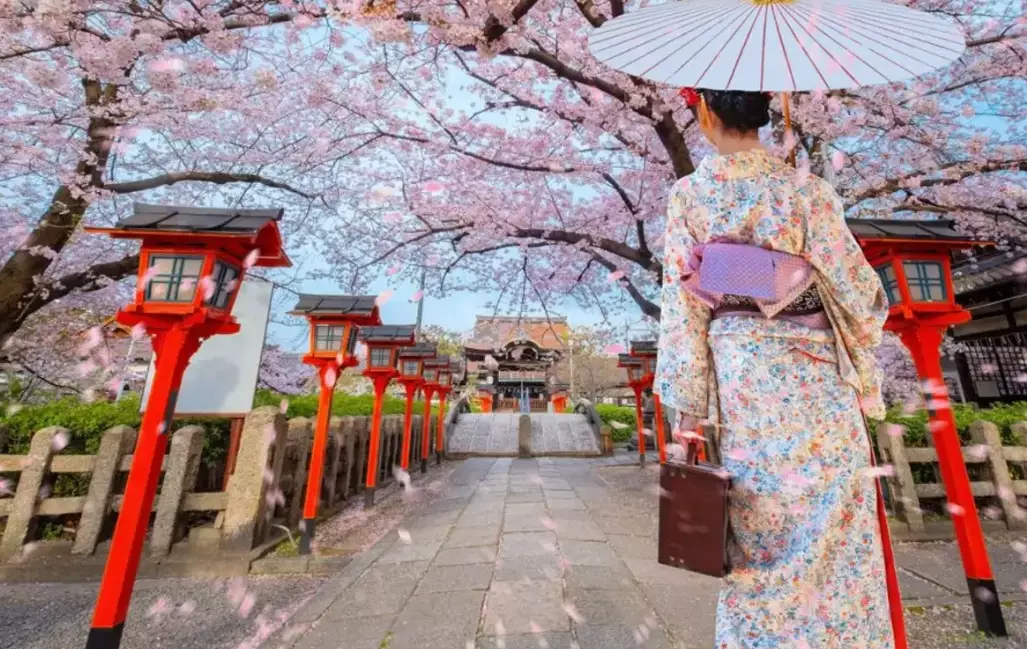
Japan stretches over 3,000 km from north to south. The bloom moves like a wave, called the sakura zensen (cherry blossom front). It usually starts in the south in late March and sweeps north into May.
| Region & Major Cities | Typical Peak Bloom Period | Character & Tips |
|---|---|---|
| Kyushu & Shikoku (Fukuoka, Kumamoto, Takamatsu, Matsuyama) |
Late March to early April | Often the starting line. Warmer, chances of rain. Great for early birds. Check Japan National Tourism Organization for festival dates at places like Kumamoto Castle. |
| Kansai (Kansai Region) (Kyoto, Osaka, Nara, Kobe) |
Last week of March to first week of April | The classic postcard scene. Expect maximum crowds. Temples and castles provide stunning backdrops. Book everything a year in advance. |
| Kanto (Kanto Region) (Tokyo, Yokohama, Kamakura) |
Late March to early April | Similar timing to Kyoto but with more modern contrasts. Megacity parks like Ueno and Shinjuku Gyoen are packed but epic. River scenes at Chidorigafuchi are a must. |
| Chubu (Chubu Region) & Hokuriku (Nagoya, Kanazawa, Matsumoto) |
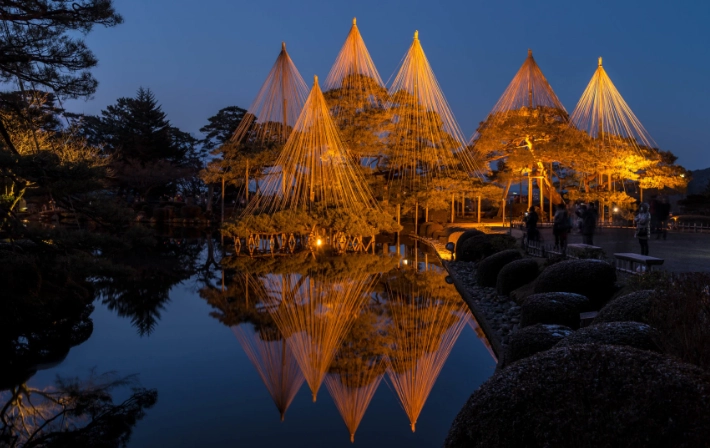
Early to mid-April | A fantastic "goldilocks" zone. Slightly later than Tokyo/Kyoto, often less crowded. Kanazawa's Kenrokuen is a top-three garden for a reason. |
| Tohoku (Tohoku Region) (Hirosaki, Kakunodate, Fukushima) |
Mid to late April | If you miss the main cities, head north. Hirosaki Park is arguably Japan's best sakura spot, with a castle, moats, and over 2,500 trees. |
| Hokkaido (Sapporo, Hakodate, Matsumae) |
Late April to early May | The grand finale. Often coincides with Golden Week holidays (late Apr-early May), meaning domestic travel is hectic. Book transport early. Matsumae has late-blooming varieties into May. |
The Wild Cards: Okinawa and the Fuji Five Lakes
Okinawa has a completely different cherry tree variety (hikanzakura) that blooms as early as January to February. It's a subtropical pink haze, not the classic somei yoshino clouds.
Around Mt. Fuji, especially at the Chureito Pagoda in Fujiyoshida, the bloom is usually in mid-April. The combination of pagoda, blossoms, and (hopefully) a clear view of Fuji is worth the later date.
How to Read and Use the Sakura Forecast: Your Planning Bible
From February onward, start watching the forecasts. Don't rely on just one source.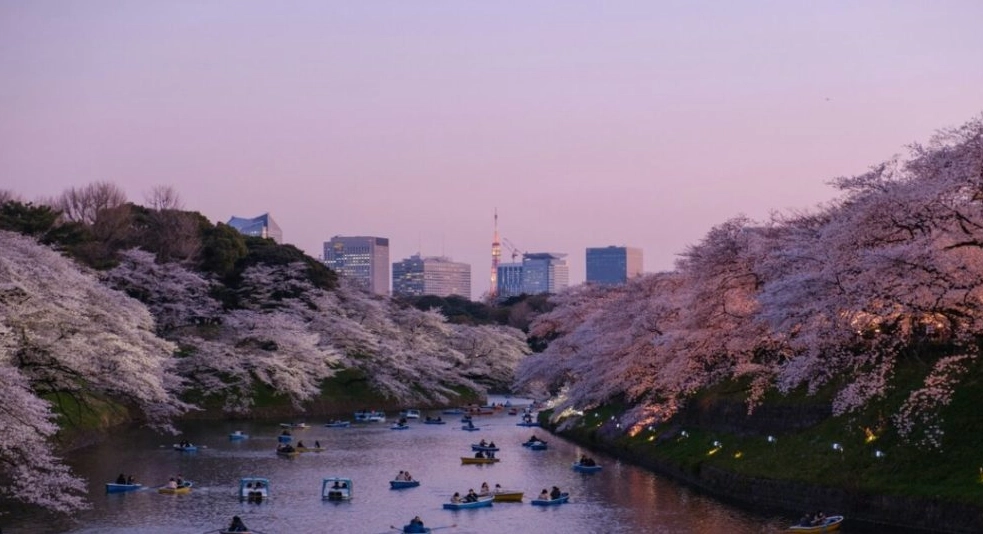
- Japan Meteorological Corporation (JMC): The most cited commercial forecast. Their maps are clear and updated frequently.
- Weather News: Another major player with detailed city-by-city predictions.
- Tenki.jp: Often has a more conservative, meteorological-agency-linked forecast.
Here's what most blogs don't tell you: the first forecast of the year is the least accurate. Look for convergence. When 2-3 major forecasts settle on similar dates for a city (usually by early March), you can be more confident. Also, watch for the "kaika" (first bloom) announcement. Once a city's first bloom is declared, peak is usually 7-10 days later.
Planning Your Itinerary: From 5 Days to 2 Weeks
Let's get practical. How do you build a trip around an unpredictable natural event?
For a 5-7 day trip: Pick one region and stick to it. Don't try to chase the front from Tokyo to Kyoto. If the forecast shifts, you're stuck. Base yourself in Tokyo or Kyoto/Osaka and do day trips. This minimizes hotel changes and gives you multiple spot options within a short train ride.
For a 10-14 day trip: You can ride the wave. A classic south-to-north route: Start in Kyoto (late March), move to Kanazawa (early April), and finish in Hirosaki (mid-late April). This requires flexible accommodation (book refundable rates!) and a Japan Rail Pass.
The "Safety Net" Itinerary: Plan your core trip for a major city during its average period. Then, keep 2-3 flexible days at the end. If you're early, use those days to day-trip to higher-elevation spots that bloom later (like Yoshino). If you're late, take a shinkansen north to Sendai or Morioka.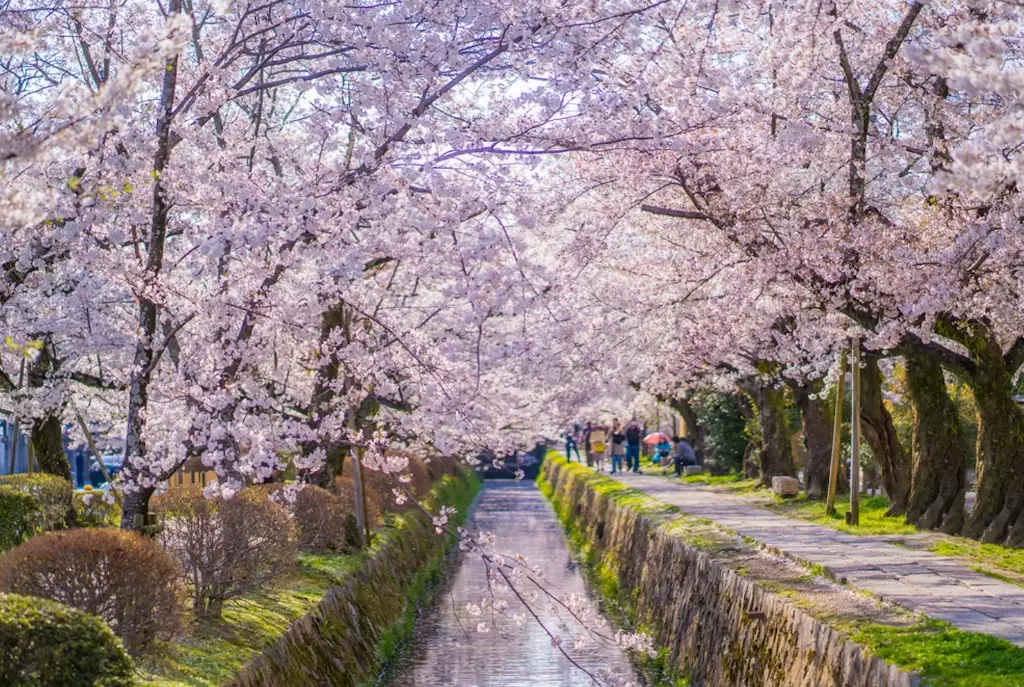
Top Spots and Hidden Gems for Each Bloom Phase
For Early Bloom (Kaika):
Shinjuku Gyoen (Tokyo): Has both early and late-blooming varieties. If you're in Tokyo at the very start of the season, you might catch something here. Opens at 9 AM, 500 yen entry. Get there early.
For Peak Bloom (Mankai):
Philosopher's Path (Kyoto): Yes, it's famous. Yes, it's crowded. It's still magical. Go at sunrise if you want photos without people. It's free and always open.
Meguro River (Tokyo): Less of a park, more of an urban riverwalk lined with trees. Illuminated at night. The crowds are intense on weekends but manageable on a weekday evening. Free.
For the Fallen Petals (Hazakura):
This is a secret mood. The ground is covered in pink snow. Fewer people. Try the canal paths in Okazaki, Kyoto (near Heian Shrine), or the moats of any castle. Hirosaki Castle's moat becomes a pink river.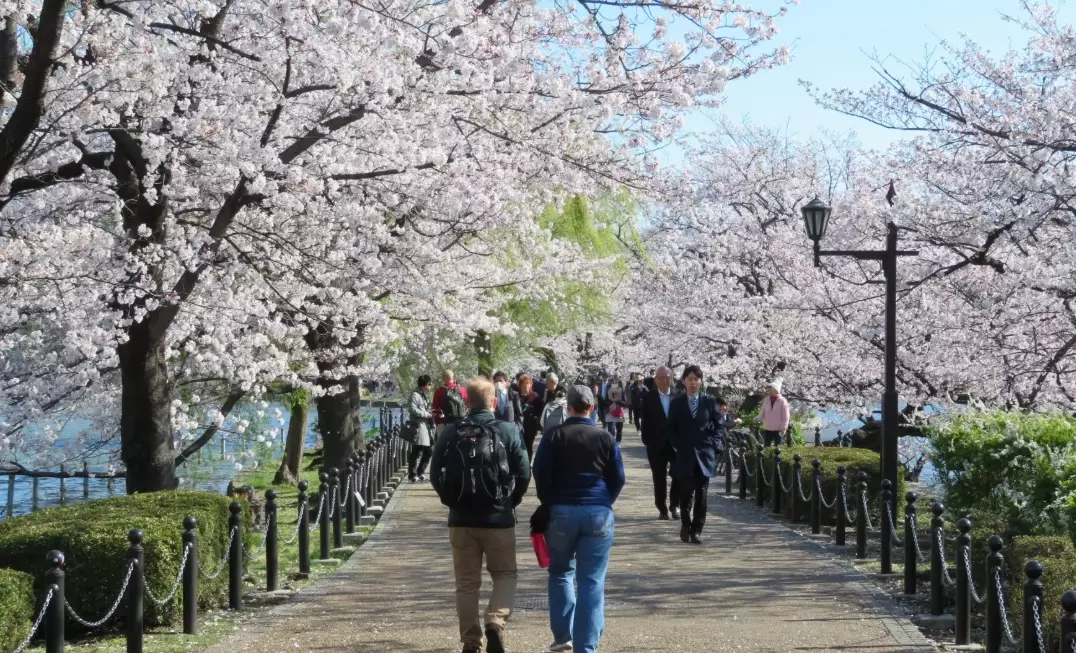
Common Mistakes First-Timers Make (And How to Avoid Them)
I made the hotel mistake. I booked a non-refundable room in Kyoto for April 5th based on an "average" year. The bloom peaked on March 28th. I saw green leaves. Don't be me.
- Mistake 1: Booking non-refundable flights/accommodation for specific peak dates a year in advance.
- Fix: Book refundable rates or target the shoulder period before the average peak. Use flight search tools with flexible date grids.
- Mistake 2: Only planning for famous parks like Ueno or Maruyama.
- Fix: Have a B-list. Neighborhood shrines, university campuses (like University of Tokyo), and local riverbanks often have beautiful trees and 5% of the crowd.
- Mistake 3: Packing for spring weather.
- Fix: Late March/early April can be cold, especially at night. Pack layers, a warm jacket, and a compact umbrella. A waterproof layer is crucial.
Your Sakura Season Questions, Answered
Is it better to visit Japan at the very beginning or very end of the cherry blossom season?
The beginning, without a doubt. The mood is upbeat, the flowers are pristine, and you have the full progression to enjoy. The end of the season feels fleeting and can be dampened by rain and wind. A late-season trip risks seeing only a few straggler trees or just green leaves, which is a major letdown after a long flight.
What if my trip dates are fixed and I miss peak bloom by a week?
All is not lost. First, search for late-blooming varieties. The yaezakura (double-flowered cherry) and shidarezakura (weeping cherry) bloom 1-2 weeks after the main somei yoshino trees. Places like Kyoto's Ninnaji Temple (famous for its late-blooming Omuro cherries) or the Tokyo Metropolitan Government's tourism site often list spots for these varieties. Shift your focus to other spring joys: fresh green leaves, wisteria (late April/May), or tulip festivals.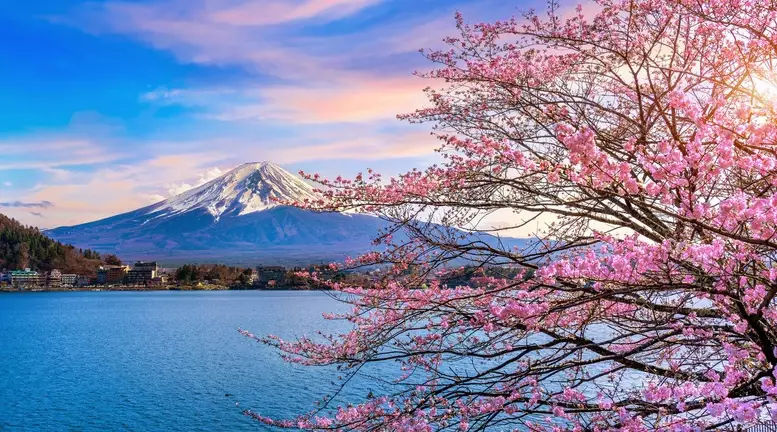
How crowded does it really get, and are there any peaceful alternatives?
The top 10 spots in Kyoto and Tokyo feel like a festival crowd—shoulder-to-shoulder. For peace, go vertical. Visit spots on hillsides (like Kyoto's Daigoji Temple) or rent a bicycle and explore the paths along the Kamo River in Kyoto away from the central bridges. In Tokyo, Kitanomaru Park near the Imperial Palace is often less chaotic than neighboring Chidorigafuchi. Or, take a 60-90 minute train trip out to a smaller city like Saitama's Kawagoe or Chiba's Sakura City (yes, literally named "Sakura").
I'm planning for next year. When should I book hotels and flights?
Book flights as soon as schedules are released (usually 10-11 months out) to get the best prices. For hotels in prime locations like Kyoto, Gion, or near Ueno Park, many allow bookings 6-12 months in advance. Book then, but prioritize properties with free cancellation. Lock in your room, then adjust or re-book if the forecast drastically changes your ideal city order. Never book a non-refundable room before the first reliable forecast in March.
The best time to visit Japan for cherry blossoms isn't a date on a calendar. It's a moving target defined by a specific weather pattern in a specific region. By understanding the bloom wave, religiously following the forecasts from multiple sources, and building a flexible itinerary with refundable bookings, you stack the odds dramatically in your favor. Embrace the uncertainty as part of the adventure. The year I missed the peak in Kyoto, I took an impulsive train to the Japan Alps and found a valley of trees just opening up, with no one else around. Sometimes, the best view isn't the one you planned for.
Comments