Three weeks in Japan is the sweet spot. It's enough time to move beyond the classic Tokyo-Kyoto-Osaka triangle, breathe, and actually experience the country instead of just rushing past it. You can dive into hyper-modern districts, get lost in ancient forests, and eat your way through a lifetime's worth of incredible food without feeling completely exhausted. This 21-day Japan itinerary is built from multiple trips and a lot of trial and error. It's designed for first-timers who want the highlights, but with enough flexibility and local secrets to feel like your own adventure.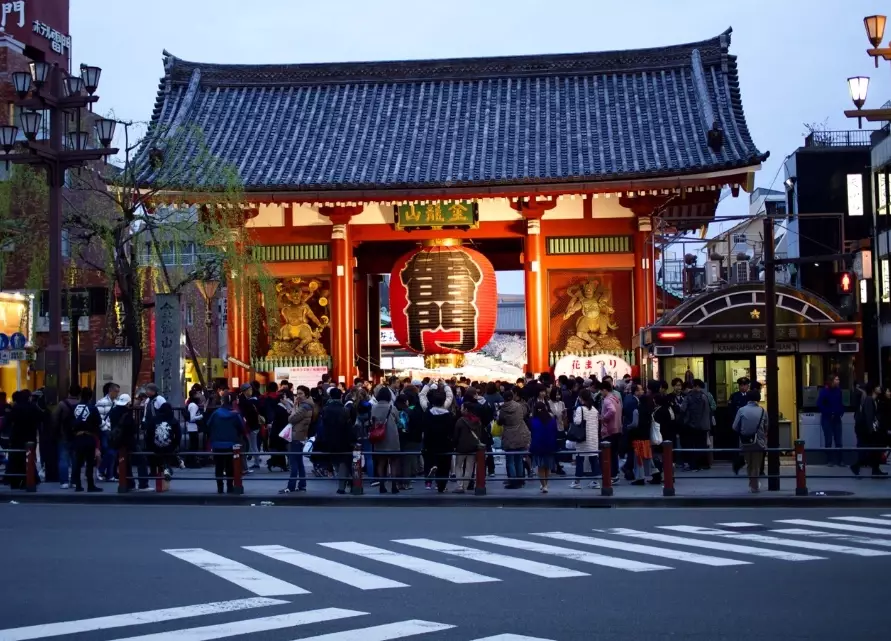
Your 21-Day Japan Journey at a Glance
The 21-Day Japan Route Map
This itinerary follows a logical geographical flow to minimize backtracking. We start in the buzzing capital, head into the mountainous heart of the country, then travel west to the historical Kansai region and beyond, ending with a choice between the northern island of Hokkaido or the southern island of Kyushu. The backbone is the famous Shinkansen (bullet train) network, but we'll also use local trains, buses, and even a ferry.
The biggest mistake I see? People trying to cram Hokkaido, Kyoto, and Okinawa into three weeks. The distances are vast. This plan is realistic.
Phase 1: Tokyo & Side Trips (Days 1-7)
Jet lag is real. Don't schedule a 6 AM temple visit on day one. Use the first week to acclimate in Tokyo, with breaks built in.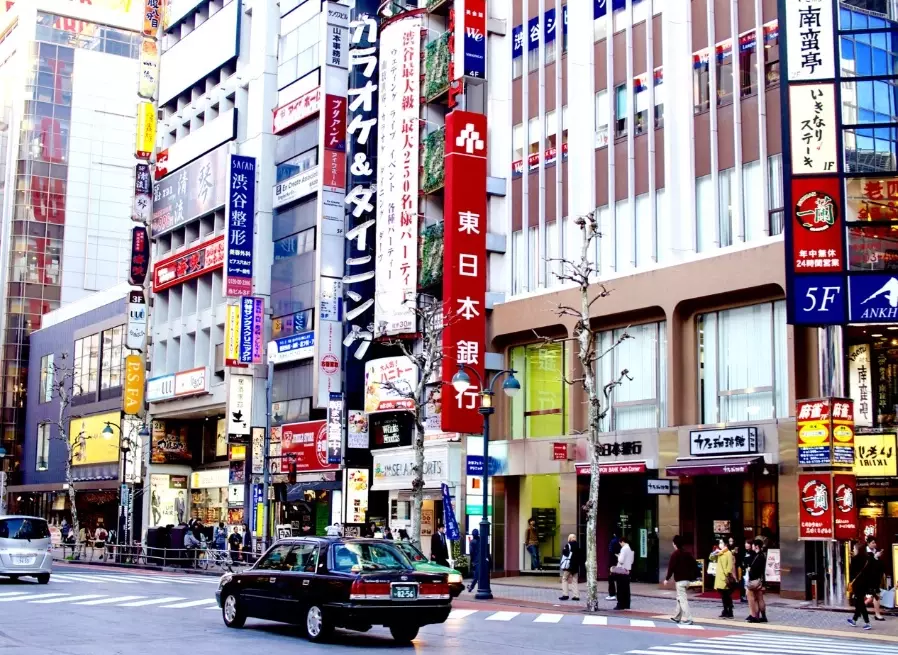
Days 1-3: East Tokyo & Sumo Culture
Base yourself in Ueno or Asakusa. These older neighborhoods have direct airport access (Keisei Skyliner to Ueno) and a more traditional feel. Asakusa's Senso-ji Temple opens early (6 AM), so you can see it without the crushing crowds. Skip the touristy nakamise street food and head a few blocks west for Dempoin-dori, a street lined with authentic craft shops.
If your dates align with a Grand Sumo Tournament (Jan, May, Sep in Tokyo), buy tickets in advance on the official sumo website. Even if not, visit the Ryogoku Kokugikan area to see the Sumo Museum and maybe spot a wrestler. For lunch, try Chanko Tomoegata (1-29-5 Ryogoku, Sumida-ku) – they serve chanko-nabe, the protein-rich stew sumo wrestlers eat.
Days 4-5: West Tokyo & Pop Culture
Shift your exploration to the west. Shibuya Crossing is a must-see, but the best view isn't from the Starbucks. Go to the L'Occitane Cafe on the 2nd floor of the Shibuya QFRONT building. Order a coffee and get a window seat for free. In Harajuku, ditch the packed Takeshita Street after one walk-through and explore the backstreets of Ura-Harajuku for unique designer boutiques.
Shinjuku at night is an experience. The Tokyo Metropolitan Government Building observatories (North or South) are free and offer stunning views, open until 11 PM. For a memorable dinner, try Omoide Yokocho ("Memory Lane") for tiny yakitori stalls, or Robot Restaurant if you want the most bizarre, over-the-top show on earth (it's expensive and cheesy, but you'll never forget it).
Days 6-7: Day Trips from Tokyo
This is crucial. A day trip breaks up the city intensity. Nikko is my top pick. It's a 2-hour train ride to a World Heritage site of stunning shrines (Toshogu) set in a mountainous forest. Buy the Nikko World Heritage Pass from Tobu Railway. It covers round-trip train and local buses. Get there early to beat the tour buses to Toshogu.
Alternative: Kamakura for the Great Buddha and easy beach access, or Kawagoe ("Little Edo") for a preserved old town feel just 30 minutes from Ikebukuro.
Phase 2: Central Japan & The Alps (Days 8-14)
Time to activate your Japan Rail Pass (if you purchased a 14-day one). Take the early morning Hokuriku Shinkansen from Tokyo to Kanazawa.
Days 8-9: Kanazawa – The Samurai Town
Kanazawa is Kyoto without the crowds. The Kenrokuen Garden is one of Japan's top three. Visit the Nagamachi Samurai District and the Omicho Market for incredibly fresh seafood bowls (kaisendon). Stay in a machiya (traditional townhouse) guesthouse for a real feel. Try Mikawaya (1-5-2 Higashiyama) for gold leaf ice cream – yes, real gold.
Days 10-11: Takayama & Shirakawa-go
A scenic bus ride (covered by JR Pass) takes you into the Japanese Alps to Takayama. The old town (Sanmachi Suji) is beautifully preserved. Rent a bicycle to explore. The morning markets (Miyagawa and Jinya-mae) are fantastic. From here, take a bus to Shirakawa-go, the UNESCO village with iconic gassho-zukuri farmhouses. Stay overnight in one (book months ahead!) to experience the village after the day-trippers leave. I stayed at Shirakawa-go no Yu – basic but with an incredible onsen overlooking the valley.
Days 12-14: Kyoto – The Cultural Heart
Travel from Takayama to Kyoto via Nagoya (about 4 hours total). Kyoto requires a strategy. Do not try to see it all. Pick one area per day.
- Day 12 (East): Higashiyama. Start at Kiyomizu-dera (opens 6 AM, 400 yen). Walk down Sannenzaka and Ninenzaka paths to Yasaka Shrine. Continue to Gion in the evening. You might spot a geisha, but please be respectful and don't block their path for photos.
- Day 13 (West): Arashiyama. Get to the Bamboo Grove by 7:30 AM. It's magical when empty. Afterwards, visit Tenryu-ji Temple and its garden. In the afternoon, take the Sagano Romantic Train for beautiful valley views.
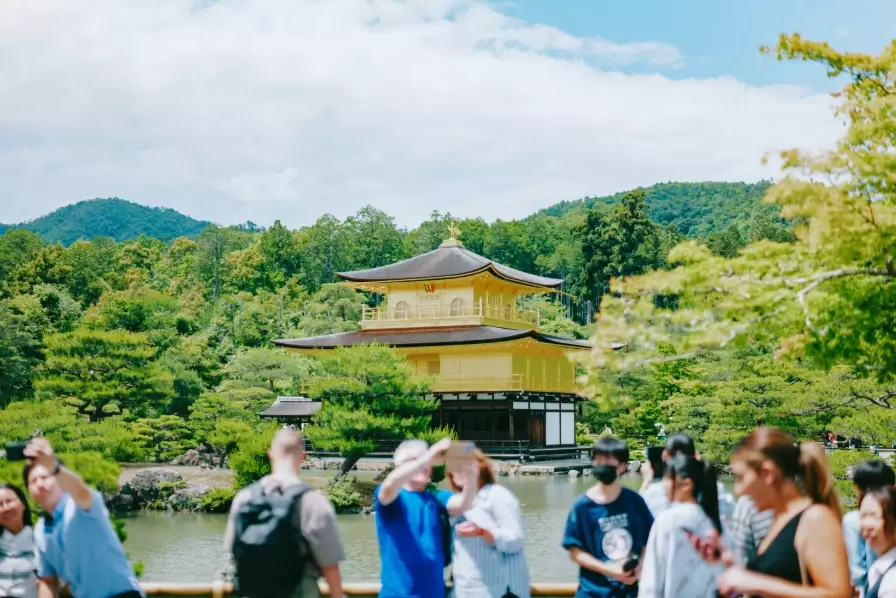
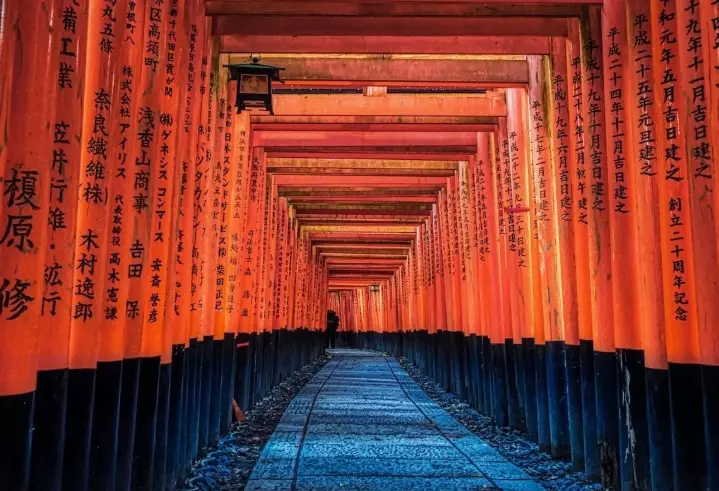
- Day 14 (North/South): Choose. Fushimi Inari Shrine (South) is open 24/7. Go for sunrise or late at night to avoid crowds. The torii gate path goes all the way up the mountain – most people only do the first 10 minutes. Or head north to Kinkaku-ji (the Golden Pavilion) and Ryoan-ji with its famous rock garden.
Phase 3: Western Japan & The Seto Inland Sea (Days 15-21)
Most 3-week itineraries stop at Kyoto. This is where ours gets interesting, venturing further west.
Days 15-16: Osaka & Nara
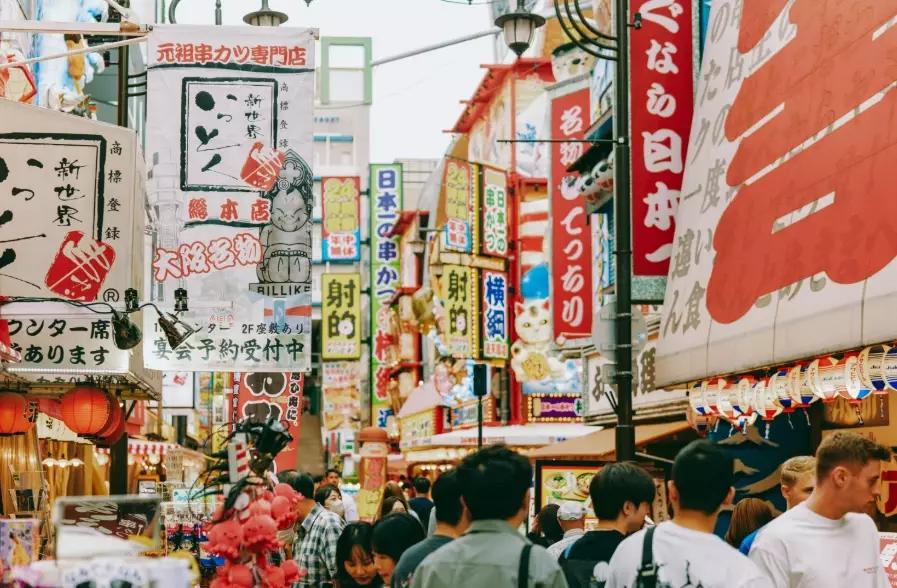
A short 30-minute train from Kyoto. Osaka is about food and nightlife. Stay near Namba. Dotonbori at night is sensory overload in the best way. Must-eats: takoyaki from Wanaka, okonomiyaki from Mizuno, and kushikatsu (deep-fried skewers) in Shinsekai. Do a day trip to Nara. Feed the deer in the park, but beware – they can be aggressive if they see you have crackers. The real star is Todai-ji Temple, housing a colossal Buddha statue.
Days 17-18: Hiroshima & Miyajima
The Shinkansen from Osaka to Hiroshima takes about 1.5 hours. The Peace Memorial Park and Museum is a profound, somber, and essential visit. Allow at least 3 hours. In the afternoon, take the local train and ferry to Miyajima Island. The floating torii gate of Itsukushima Shrine is iconic. Stay on the island overnight. When the last ferry leaves, the day-trippers vanish, and you have a serene, magical island almost to yourself. The Miyajima Guest House Mikuniya is a lovely, affordable ryokan-style stay.
Days 19-21: Choose Your Final Adventure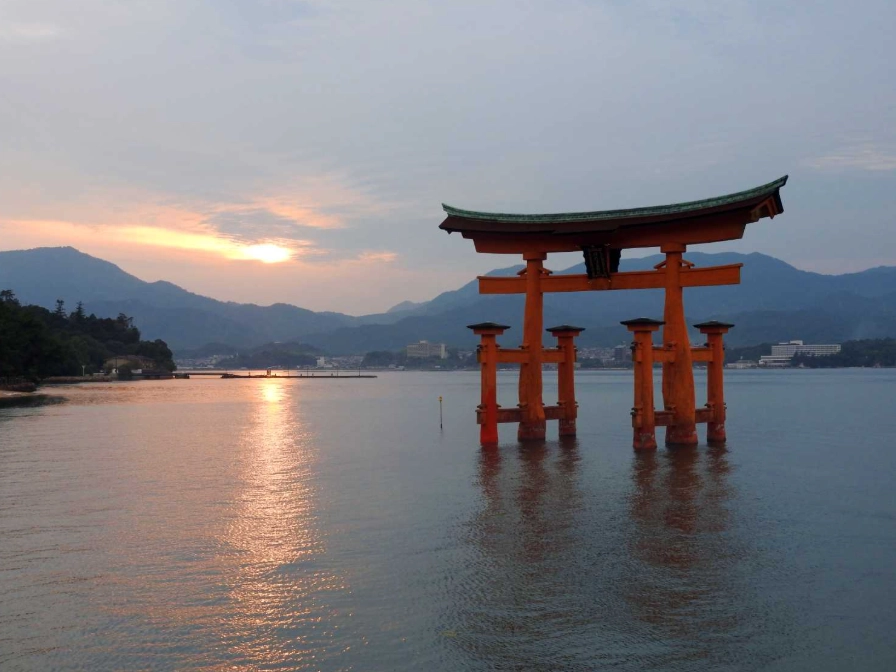
Here's a non-consensus split. You have time for one major region before flying out of Tokyo or Osaka.
Option A (North): Fly to Hokkaido (Sapporo). If you're traveling between late July and September, this is unbeatable. Rent a car and explore Furano (lavender fields), Biei (rolling hills), and the dramatic coastline of Shakotan Peninsula. The seafood and dairy are the best in Japan.
Option B (South): Train to Kyushu (Fukuoka). Great for foodies and onsen lovers. Fukuoka is famous for tonkotsu ramen from yatai (street stalls). Take a day trip to see the active volcanoes of Mt. Aso (check access status) or soak in the steamy, rustic onsens of Kurokawa Onsen village.
On your final day, take a domestic flight back to Tokyo (Haneda/HND) or Osaka (KIX/ITM) for your international departure.
Essential Japan Travel Logistics
For this 21-day route, a 14-day Japan Rail Pass activated on Day 8 (Tokyo to Kanazawa) makes financial sense. Calculate your long-distance trips first. Use the official JR Pass calculator. Book Shinkansen seat reservations as soon as you activate your pass, especially for popular routes like Tokyo-Kanazawa.
Pocket Wi-Fi is a lifesaver. Rent one online for pickup at the airport. Google Maps is flawless for train times and platform numbers.
Where to Stay: A Quick-Reference Table
Accommodation fills fast. Book at least 3-4 months ahead, especially for popular ryokans. Here's a mix of types and budgets for key stops.
| City | Area to Stay | Mid-Range Hotel Example | Budget/Unique Option | Why This Area? |
|---|---|---|---|---|
| Tokyo | Ueno/Asakusa | Mitsui Garden Hotel Ueno | Grids Hostel & Hotel Ueno | Airport access, traditional vibe, good value. |
| Kanazawa | Near Kanazawa Station | Hotel Nikko Kanazawa | Share Hotels Hatchi | Transport hub, modern conveniences. |
| Kyoto | Near Kyoto Station | Hotel Granvia Kyoto | Piece Hostel Sanjo | Best for train/bus connections to all sights. |
| Osaka | Namba (Dotonbori) | Hotel Nikko Osaka | Hotel The Flag | Heart of the action, food, and nightlife. |
| Miyajima | On the Island | Miyajima Grand Hotel Arimoto | Miyajima Guest House Mikuniya | Experience the island after dark. Essential. |
Your Japan Itinerary Questions Answered
 What's one packing mistake everyone makes for a 3-week Japan trip?
Comments