Let's be honest. The thought of applying for a US tourist visa (the B1/B2 visa) from Japan can feel overwhelming. The forms, the fees, the interview—it's a process shrouded in uncertainty for many. I've helped friends through this, and I've seen the same mistakes repeated. This guide cuts through the confusion. We'll walk through every single step, from the first click online to walking out of the US Embassy in Tokyo, with clear, actionable advice you won't find in the official instructions alone.
Your Quick Navigation Map
Who Actually Needs a US Tourist Visa from Japan?
This is the first checkpoint. If you hold a Japanese passport, you're in luck. You don't need a visa for short tourist or business trips under the Visa Waiver Program (ESTA). This guide is for everyone else living in Japan without that privilege—think long-term residents, students, workers, and dependents from countries that require a visa.
You're applying as a resident of Japan. That's your key advantage. The consular officer in Tokyo will assess your ties to Japan, not your home country. Your job, your apartment lease, your family here—that's what matters.
The Complete Step-by-Step Application Process
Think of this as a five-stage journey. Miss one, and you're stuck.
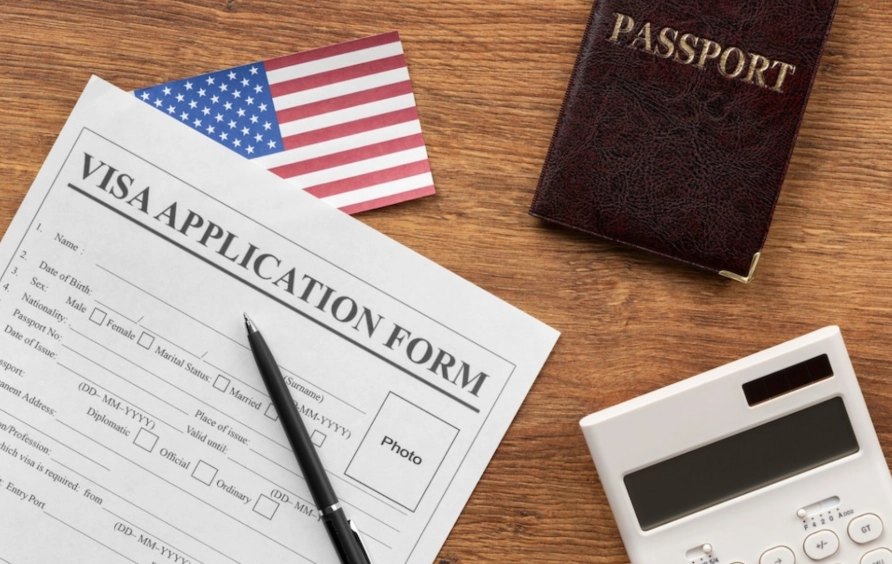
1. The DS-160 Online Nonimmigrant Visa Application
This is your foundation. Go to the CEAC website and start a new application. The number one mistake? Rushing. The form asks for your travel history for the past 15 years, addresses, employment, and more.
My advice: Have a digital copy of your passport and resume open. For "Purpose of Travel," be specific. Don't just put "tourism." Write "Two-week holiday to visit Disneyland in California and national parks in Utah." Specificity shows planning.
You'll upload a photo. The requirements are strict—5x5 cm, white background, recent. Just go to a photo booth in any station (like those by Passport Photo Booths). Tell them it's for a US visa. It costs about 1,000 yen and saves massive headaches.
2. Pay the Visa Application Fee (MRV Fee)
After submitting the DS-160, you need to pay the non-refundable Machine Readable Visa (MRV) fee. As of now, it's $185 USD for a B1/B2 visa. You pay this at a designated convenience store in Japan (Lawson, FamilyMart, etc.) or via online banking.
The payment slip is generated on the visa appointment website. You cannot book an interview without this receipt number.
3. Schedule Your Two Appointments
You'll use the US Travel Docs website for Japan. You need to book TWO separate appointments:
- Document Delivery Information: This is where you choose how to get your passport back (usually via Japan Post's courier service). Do this first.
- Consular Interview Appointment: This is the main event at the US Embassy in Tokyo (1-10-5 Akasaka, Minato-ku). Slots open up sporadically. Check early in the morning Japan time.
The wait time for an interview can vary wildly—from a few weeks to several months. Plan your travel dreams accordingly.
4. Attend the Required Visa Interview
The embassy is near Tameike-Sanno Station. Get there 15 minutes early. No phones, no large bags. There's a coin locker shop across the street if you need it.
The interview itself is often brief, 2-5 minutes. But those minutes are everything. We'll dive deep into preparation next.
How to Prepare for the US Visa Interview in Tokyo
This is where applications are won or lost. The officer's job is to determine if you have "strong ties" to Japan that will compel you to return after your US holiday.
Documents You Must Bring
Organize these in a clear folder:
- Mandatory: Appointment confirmation, DS-160 confirmation page, current passport, old passports, photo (if the upload failed).
- Core Proof of Ties to Japan: Your Residence Card (在留カード), Japanese driver's license.
- Financial Evidence: Recent Japanese bank statements (6 months), tax documents, employment letter stating your position, salary, and approved leave.
- Travel Proof (Optional but helpful): A simple itinerary, hotel bookings (refundable), flight inquiries (not purchased tickets!).
Answering Interview Questions with Confidence
Questions are direct. Your answers should be too. Be honest and concise.
Q: "Why are you going to the USA?"
Weak: "For vacation."
Strong: "I have a two-week holiday from my company in Osaka. I'm planning to visit New York City to see the Statue of Liberty and Broadway shows, then visit a college friend in Boston."
Q: "What do you do in Japan?"
Weak: "I work for a company."
Strong: "I've been an English teacher at ABC School in Nagoya for three years. I have a full-time contract renewed every year."
The second answers demonstrate specific plans, stable employment, and social ties. That's what they want to hear.
Costs, Timeline, and What Happens After
Let's talk numbers and waiting. Here’s a breakdown of the total costs you're looking at.
| Fee Item | Approximate Cost (in JPY) |
|---|---|
| MRV Visa Application Fee | ¥27,000 - ¥29,000 |
| Passport Photo | ¥800 - ¥1,200 |
| Document Courier Return | ¥1,500 - ¥2,500 |
| Travel to Tokyo (if applicable) | Variable |
| Estimated Total | ¥30,000 - ¥35,000+ |
Timeline: From completing the DS-160 to having visa in hand, budget 2 to 4 months. The interview wait is the wild card. After a successful interview, processing and passport return usually takes 5-7 business days.
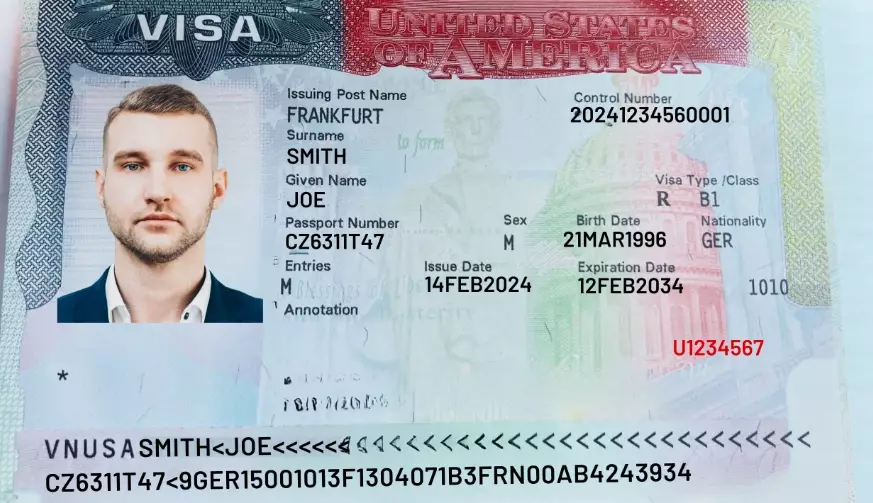
If Approved: The officer will keep your passport. You'll get it back via courier with the visa stamped inside. Check the details immediately—validity dates, number of entries (usually multiple).
If Denied: Your passport is returned to you on the spot. The officer will give you a slip citing the section of law (often 214(b) - "immigrant intent"). You can reapply, but you must address the reasons for the previous refusal with new or stronger evidence.
Your Burning Questions Answered (FAQ)
Can I apply for a US tourist visa if I'm a student in Japan with no income?
How long before my trip should I start the visa application?
 My Japanese spouse has an ESTA. Can we apply together for my visa?
I have an old, expired US visa in my passport. Do I still need an interview?
What's the single most important thing for visa approval from Japan?
 The process is bureaucratic, but it's not a mystery. It's about preparation, honesty, and clearly presenting your life in Japan as your permanent home base, with a US trip as a temporary, well-planned excursion. Gather your documents, fill the forms carefully, practice your interview answers, and walk into the embassy with confidence. Safe travels.

Comments