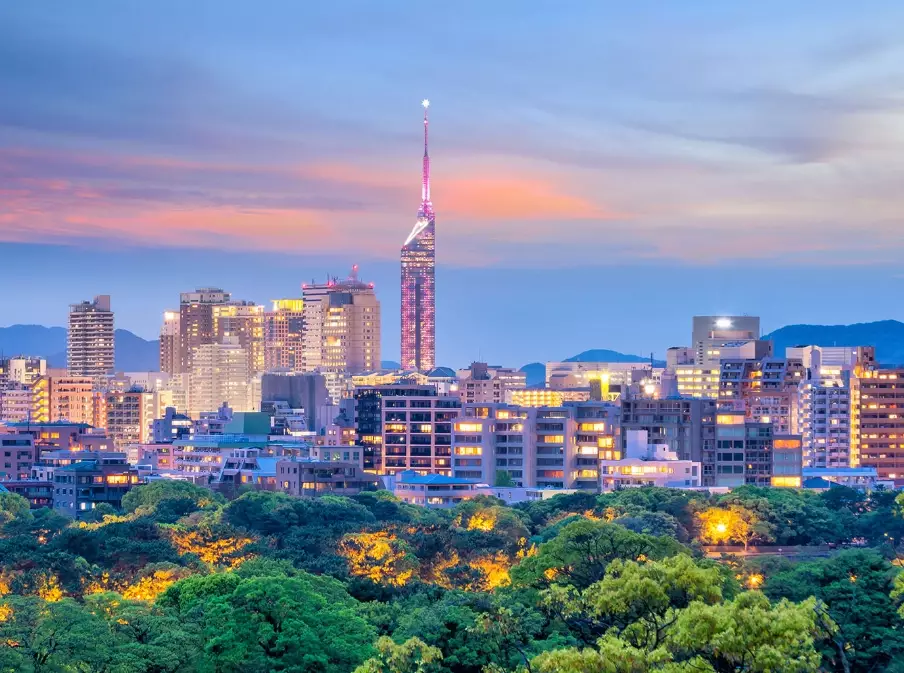
Forget Tokyo's bustle and Kyoto's crowds for a second. If you want a Japanese city that feels alive, approachable, and utterly obsessed with good food, Fukuoka is your answer. It's not just another stop; it's a destination with its own distinct heartbeat, born from the fusion of two old towns—merchant-centric Hakata and samurai-led Fukuoka. Today, it's the vibrant capital of Kyushu, a place where ancient shrines sit a few blocks from neon-lit entertainment districts, and the world's best ramen is served from a street cart after midnight.
I've lost count of my visits, but each time I'm struck by how easy it is to connect here. The airport is a subway ride from downtown. The people are famously friendly. And the pace? It's energetic but not frantic. This guide isn't a list of every single attraction. It's a curated walkthrough of what makes Fukuoka special, built from repeated trips, conversations with locals, and more than a few bowls of transcendent tonkotsu ramen.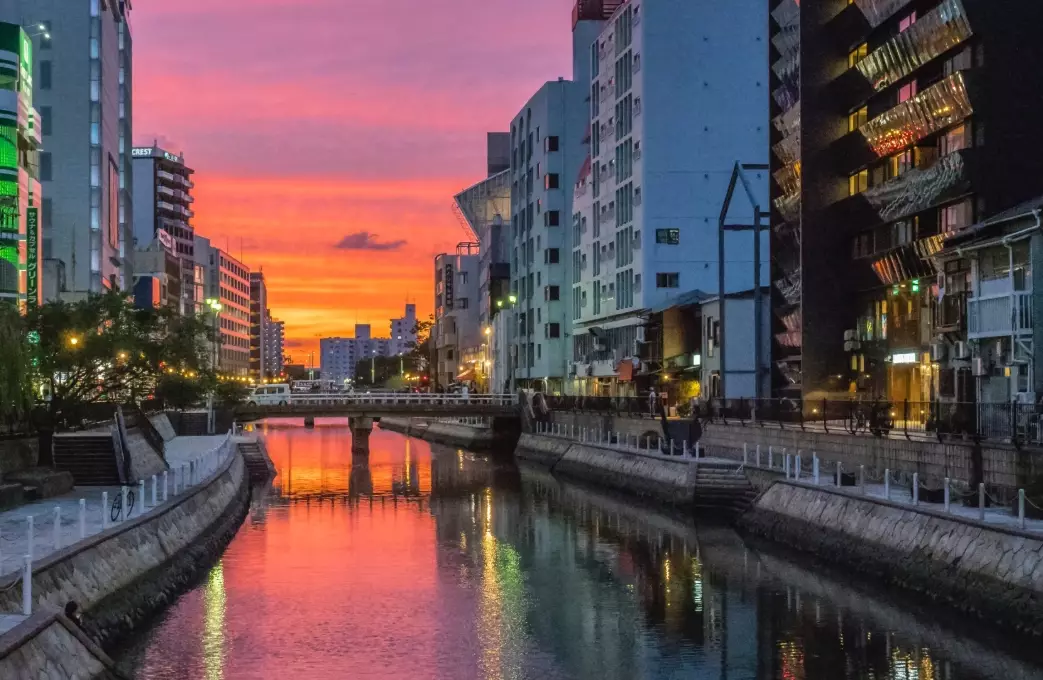
Your Fukuoka Journey at a Glance
Why Fukuoka is a Food-First City
Let's be clear: you come to Fukuoka to eat. The city's location—a major port on Hakata Bay—means access to fresh seafood. Hakata's history as a merchant hub means a culture of quick, delicious meals. This isn't about fine dining; it's about culinary mastery in simple forms.
Tonkotsu Ramen: Forget the heavy, milky tonkotsu you might have tried elsewhere. Fukuoka's style is defined by its straight, thin noodles and a clear, porky broth that's simmered for hours. You'll slurp down a bowl in minutes. Ichiran is famous, but for the real deal, head to Shin-Shin near Canal City or a stall in the Nakasu Yatai area.
Mentaiko: Spiced cod roe is Fukuoka's gift to the world. You'll find it on pasta, in omurice, or simply grilled over rice. Fukutaro in Tenjin is a mentaiko-specialist restaurant.
Motsunabe: This offal hotpot is a winter warmer but available year-round. It's rich, communal, and surprisingly delicious. Motsunabe Yamaya in Nakasu is a local institution.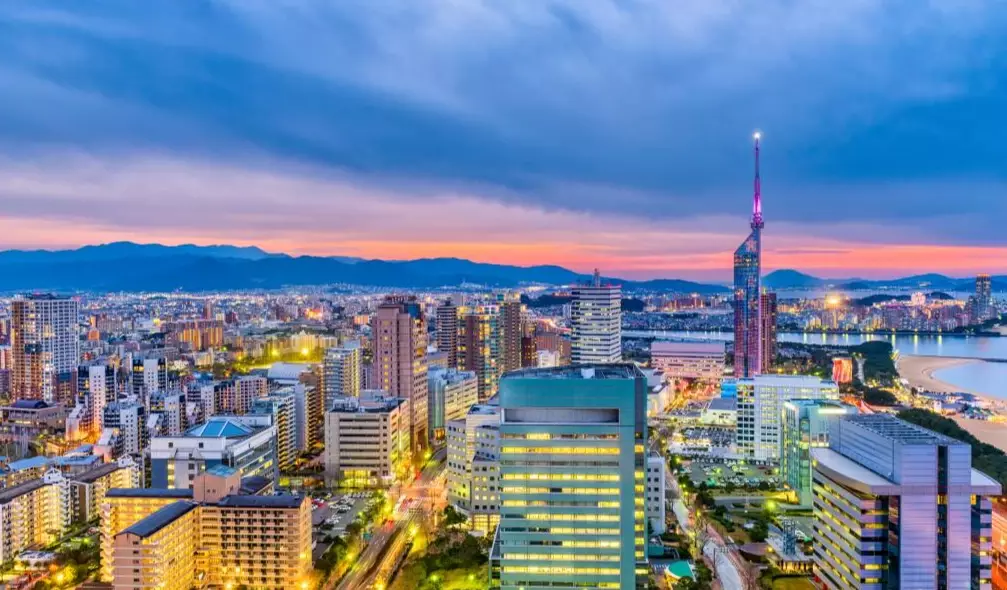
Local Tip: Don't just queue for Ichiran. The best ramen experience is often at a smaller, local shop where the master has been perfecting his broth for decades. Look for places where the line is mostly locals.
Top Things to See and Do in Fukuoka
1. Fukuoka Castle Ruins & Maizuru Park
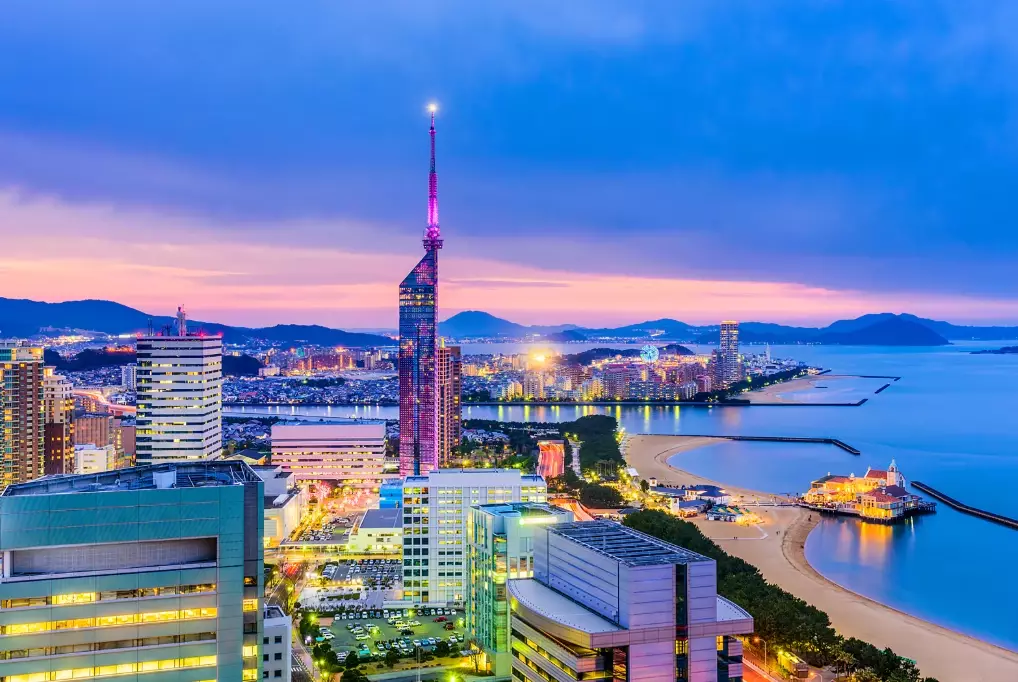
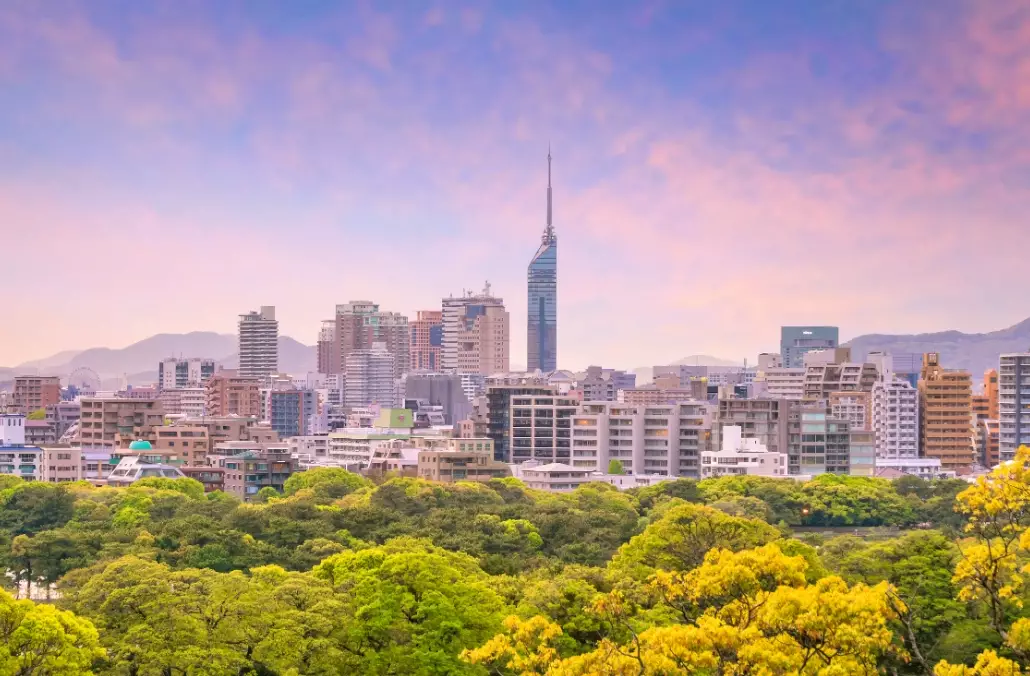
Not a castle, but castle ruins on a hilltop offering panoramic views of the city. The stone walls and moats are impressive. Maizuru Park is famous for its 1,000 plum trees and over 2,000 cherry trees. It's a peaceful escape from the downtown buzz.
- Address: 1-4 Jonai, Chuo Ward, Fukuoka, 810-0043
- Hours: Park is always open. Castle grounds accessible during daylight.
- Entry: Free.
- Getting There: A 10-minute walk from Ohori Koen Station (Kuko Line).
2. Ohori Park & Fukuoka Art Museum
Ohori Park is built around the old castle moat. It's a beautiful place for a walk, with swan boats for rent. The Fukuoka Art Museum here houses a fine collection of Asian art, including works by famous Japanese artists and artifacts from the Silk Road.
- Address: 1-6 Ohorikoen, Chuo Ward, Fukuoka, 810-0051
- Hours: Park always open. Museum: 9:30 AM - 5:30 PM (closed Mon).
- Entry: Park free. Museum ~¥200-400 depending on exhibition.
- Getting There: Directly connected to Ohori Koen Station (Kuko Line).
3. Kushida Shrine & Hakata Gion Yamakasa Museum
The heart of Hakata. This 8th-century shrine is dedicated to the gods of prosperity. The adjacent Hakata Gion Yamakasa Museum is a must-visit. It explains the famous July festival where teams race through the streets carrying massive, ornate floats. You can see the floats up close and even try lifting a (smaller) replica.
- Address: 1-41 Kamikawabatamachi, Hakata Ward, Fukuoka, 812-0026
- Hours: Shrine: 4 AM - 10 PM. Museum: 10 AM - 5 PM (closed 4th Tue).
- Entry: Shrine free. Museum ~¥400.
- Getting There: 5-minute walk from Gion Subway Station (Hakozaki Line).
4. Canal City Hakata
More than a mall, it's an architectural spectacle. A canal runs through its center, with daily fountain shows set to music. It houses shops, a cinema, two hotels, and the Ramens Stadium—a floor dedicated to ramen shops from across Japan. Even if you're not shopping, it's worth seeing.
- Address: 1-2 Sumiyoshi, Hakata Ward, Fukuoka, 812-0018
- Hours: Shops 10 AM - 9 PM, restaurants until 11 PM.
- Entry: Free to enter.
- Getting There: 10-minute walk from Hakata Station or a short bus ride.
5. Day Trip: Dazaifu Tenmangu Shrine
One of Japan's most important Tenmangu shrines, dedicated to the god of learning. Students flock here to pray for exam success. The approach is lined with shops selling umegae mochi, a grilled rice cake with sweet bean paste. The Kyushu National Museum next door is also excellent.
- Address: 4-7-1 Saifu, Dazaifu, Fukuoka 818-0117
- Hours: Shrine grounds: 6 AM - 7 PM (varies seasonally).
- Entry: Free (main shrine). Treasure Hall ~¥500.
- Getting There: From Tenjin Station, take the Nishitetsu train to Dazaifu Station (approx. 30 mins).
| Attraction | Best For | Time Needed | Budget |
|---|---|---|---|
| Kushida Shrine & Museum | Culture & History | 1.5 hours | Low (Museum fee) |
| Canal City Hakata | Shopping, Food, Architecture | 2-3 hours | Variable |
| Ohori Park & Art Museum | Relaxation, Nature, Art | 2-3 hours | Low (Museum fee) |
| Dazaifu Tenmangu | Day Trip, Culture, Souvenirs | Half Day | Low (Train fare + snacks) |
Where to Stay in Fukuoka: Area Guide
Where you stay defines your Fukuoka experience. Here’s the breakdown: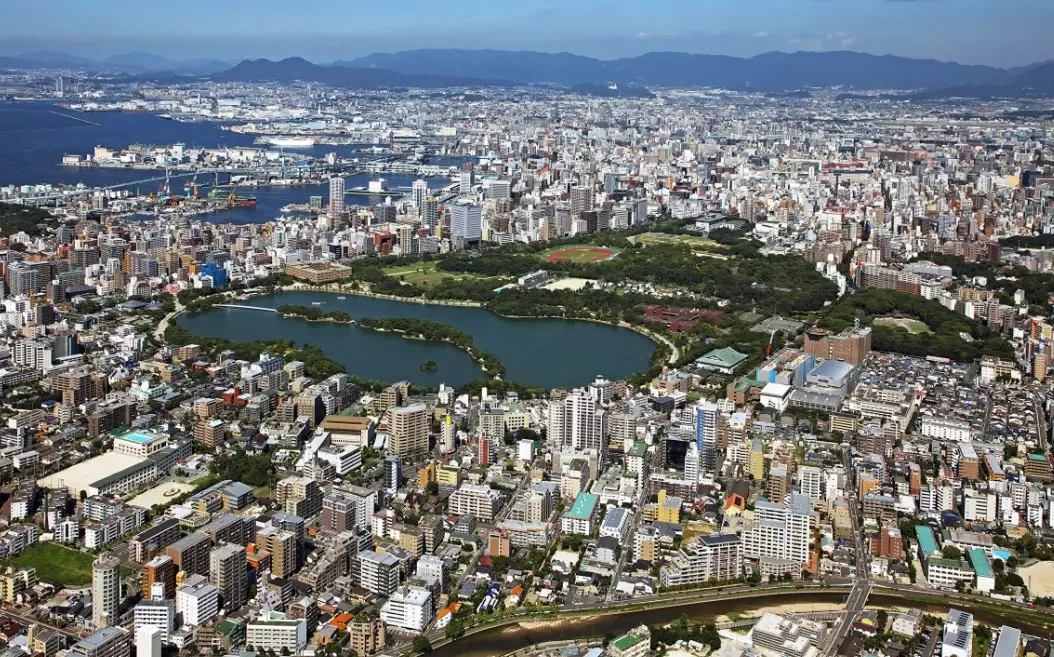
Hakata Station Area
Best for: First-time visitors, convenience, business travelers.
You're right at the main transport hub (Shinkansen, airport subway). Packed with department stores (Hakata City, AMU Plaza) and underground malls. Slightly less atmospheric at night compared to Tenjin, but supremely efficient.
Hotel Pick: The Royal Park Hotel Fukuoka is connected directly to the station. For something stylish, Hotel Nikko Fukuoka is also nearby.
Tenjin
Best for: Nightlife, shopping, dining, central location.
The commercial heart. Endless shopping (Tenjin Underground Mall, Daimaru), bars, and restaurants. Very lively at night. Well-connected by subway.
Hotel Pick: Hotel Okura Fukuoka offers luxury. For great value, Hotel Mystays Fukuoka Tenjin is reliable and well-located.
Nakasu/Kawabata
Best for: Foodies, budget travelers, experiencing local life.
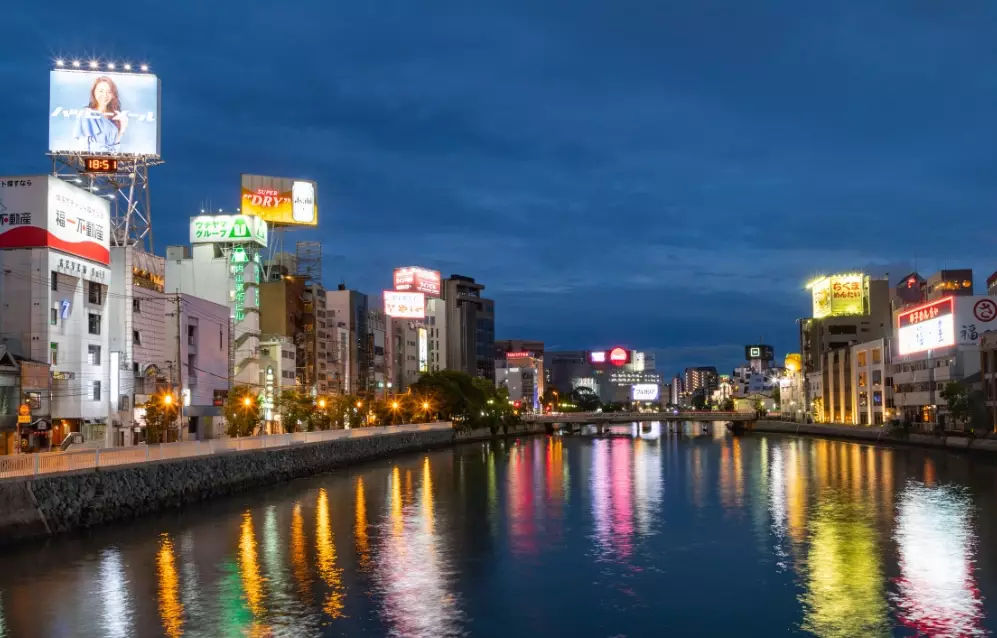
Nakasu is the entertainment district with yatai stalls. Kawabata Shopping Arcade is a covered street with old-school shops. More local flavor, close to Kushida Shrine.
Hotel Pick: Options are more budget-friendly here. Look for business hotels like Dormy Inn Hakata Gion (has a free ramen breakfast!).
Getting Around Fukuoka
Fukuoka is incredibly easy to navigate.
- Subway: Three lines (Kuko, Hakozaki, Nanakuma) cover all major areas. Get a one-day pass (~¥640) if you plan 3+ trips.
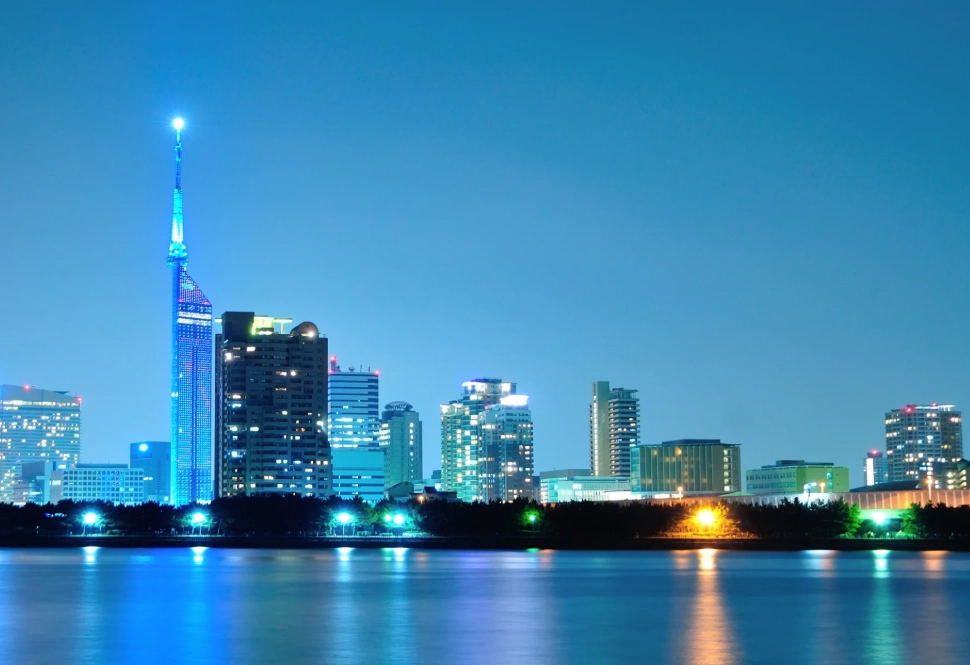
- Bus: Nishitetsu buses are comprehensive. Useful for reaching Fukuoka Tower or specific temples.
- Bicycle: The city is flat. Many hotels rent bikes, and there's a city bike-share system called Charichari.
- From the Airport: Fukuoka Airport (FUK) is the closest major airport to a city center in Japan. The subway gets you to Hakata Station in 5 minutes, Tenjin in 12 minutes.
Transport Pass Tip: If you're arriving via Fukuoka Airport and plan to use the subway a lot, the Fukuoka Tourist City Pass (1-day subway/bus) is sold at the airport and is excellent value.
Fukuoka Travel FAQ
 Is Fukuoka a walkable city for tourists?


Comments