Let's be real. Planning a two-week Japan trip is exciting, but the budget question can be a headache. You see articles saying you can do it on $50 a day, then others claiming you need $300. The truth is somewhere in the middle, and it entirely depends on your travel style. I've done this trip multiple times, from shoestring to splurging. This guide won't give you vague ranges. We'll break down exact costs for accommodation, transport, food, and activities for a classic Tokyo-Kyoto-Osaka itinerary, giving you a clear template to plan your own 2 weeks in Japan budget.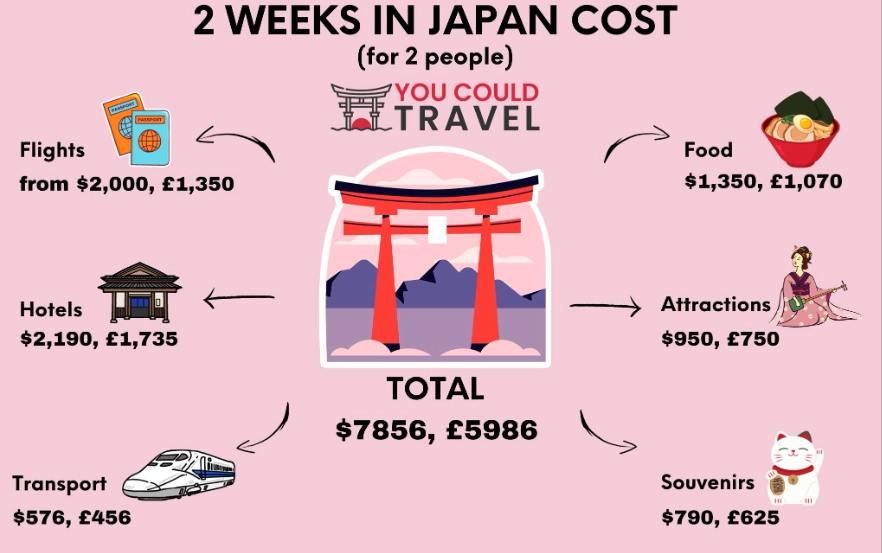
Your Quick Budget Trip Navigator
- A Realistic 2-Week Japan Budget Breakdown
- How to Save on Accommodation in Japan?
- What's the Realistic Daily Budget for Food in Japan?
- Navigating Transport Costs: Trains, Buses & Passes
- A Sample 14-Day Japan Itinerary with Cost Estimates
- Attraction Tickets & Activity Costs You Can't Miss
- Pulling It All Together: Your Total 2-Week Japan Budget
- Japan Budget Travel FAQ: Your Tough Questions Answered
A Realistic 2-Week Japan Budget Breakdown
Forget per-day estimates for a second. Let's look at the major spending categories for a solo traveler or a couple. This table is based on a comfortable mid-range experience—you're not sleeping in internet cafes, but you're also not dining at Michelin-starred places every night.
| Category | Budget Range (Per Person) | What This Gets You |
|---|---|---|
| Accommodation | $700 - $1,200 | Clean business hotels, capsule hotels (for singles), or mid-range ryokan for 13 nights. |
| Food & Drink | $400 - $800 | Mix of convenience store breakfasts, affordable lunch sets (teishoku), ramen/udon dinners, occasional sushi splurge, vending machine drinks. |
| Intercity Transport | $450 - $600 | 7-day Japan Rail Pass (JR Pass) OR a mix of Shinkansen and regional trains/buses. Local transport (subway/bus) is extra. |
| Local Transport & SIM | $100 - $150 | Subway/bus passes in cities (like Tokyo 72-hr ticket), a pocket WiFi rental or SIM card for navigation. |
| Attractions & Activities | $200 - $350 | Major temple/shrine entries (¥300-¥600 each), a museum or two, maybe a day trip to Nara or Nikko. |
| Miscellaneous & Souvenirs | $150 - $300 | Gachapon, snacks, a nice souvenir, laundry, unforeseen costs. |
See? The core trip—sleeping, moving between cities, eating, and seeing sights—falls roughly between $2,000 and $3,400 per person for two weeks. Now let's dig into how you can control each of these costs.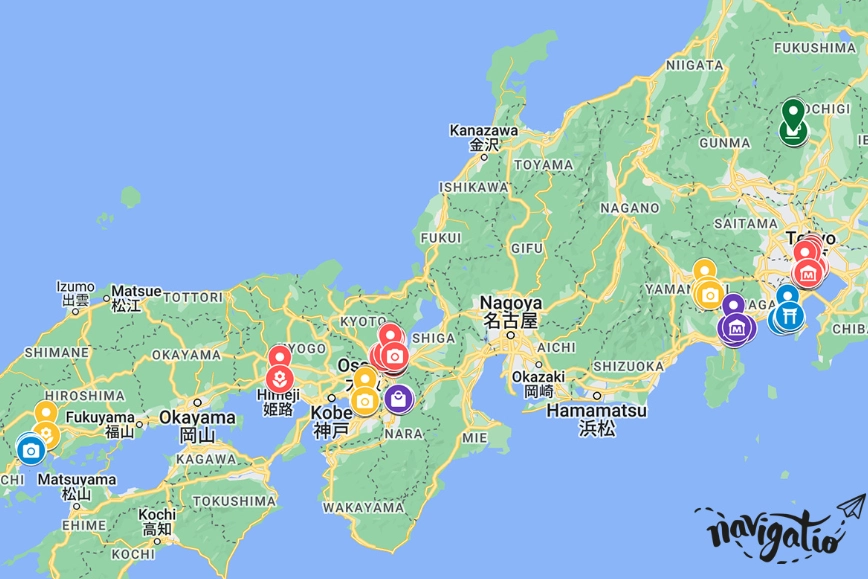
How to Save on Accommodation in Japan?
This is your biggest fixed cost. The golden rule: book early, especially for popular seasons (cherry blossom, autumn leaves). Prices can double closer to the date.
Tokyo: Capsule Hotels & Business Hotels
For solo travelers, capsule hotels are a uniquely Japanese, budget-friendly option. The Millennials Shibuya is a step above, with pod-style beds, a great lounge, and free breakfast. Expect ¥4,000 - ¥6,000 per night. For privacy, business hotel chains are reliable: Toyoko Inn, APA Hotel, or Dormy Inn. A double room typically runs ¥8,000 - ¥12,000. I stayed at an APA in Shinjuku—tiny room, but impeccably clean and with a good bath.
Kyoto: The Budget Challenge
Kyoto is expensive and books up fast. Here's a non-consensus tip: Consider staying in Osaka. It's a 30-minute train ride away, hotels are cheaper and larger, and you get a more vibrant nightlife. If you insist on Kyoto, look near Kyoto Station or along the subway lines, not just in Gion. A decent business hotel here costs ¥9,000 - ¥15,000. For a cultural experience, a budget ryokan (traditional inn) with shared bathroom can be found for ¥7,000 - ¥10,000 per person with breakfast.
Osaka: Value for Money
Osaka offers better value. Areas like Namba or Umeda are full of affordable options. The Hotel Nikko Osaka is a reliable mid-range choice near the station. You can find comfortable rooms for ¥7,000 - ¥11,000.
Pro Tip: Don't overlook hotel booking sites' "member rates" or direct booking discounts. Sometimes calling the hotel directly (if you speak Japanese or they have English staff) can get you a better deal, especially for longer stays.
What's the Realistic Daily Budget for Food in Japan?
You can eat incredibly well in Japan without blowing your budget. The key is understanding the meal hierarchy.
Breakfast (¥300-¥500): Skip the hotel buffet (unless included). Combini (convenience store) breakfasts are legendary. A sandwich, onigiri (rice ball), and coffee from 7-Eleven or Lawson is delicious and cheap. Family restaurants like Saizeriya also offer ¥300 morning sets.
Lunch (¥800-¥1,500): This is where you score deals. Many restaurants offer special teishoku (set meals) at lunch that cost 30-50% less than dinner. A tonkatsu set, tempura set, or even a good bowl of ramen fits here. The ramen chain Ichiran is famous, but local shops are often better and cheaper. For example, a top-rated ramen shop in Tokyo's Nakano area might charge ¥850 for a superb bowl.
Dinner (¥1,000-¥2,500): You have options. Izakaya (Japanese pub) hopping is fantastic—order a few small plates and a beer each. Chains like Torikizoku have all items at ¥330+ tax. A conveyor belt sushi dinner at Kura Sushi or Sushiro can be under ¥2,000. For a splurge, a good yakitori or okonomiyaki meal might hit ¥3,000.
Add ¥500-¥1,000 for drinks/snacks. Vending machine drinks are ¥100-¥150. This puts a realistic daily food budget at ¥2,500 - ¥4,500 ($22 - $40) per person.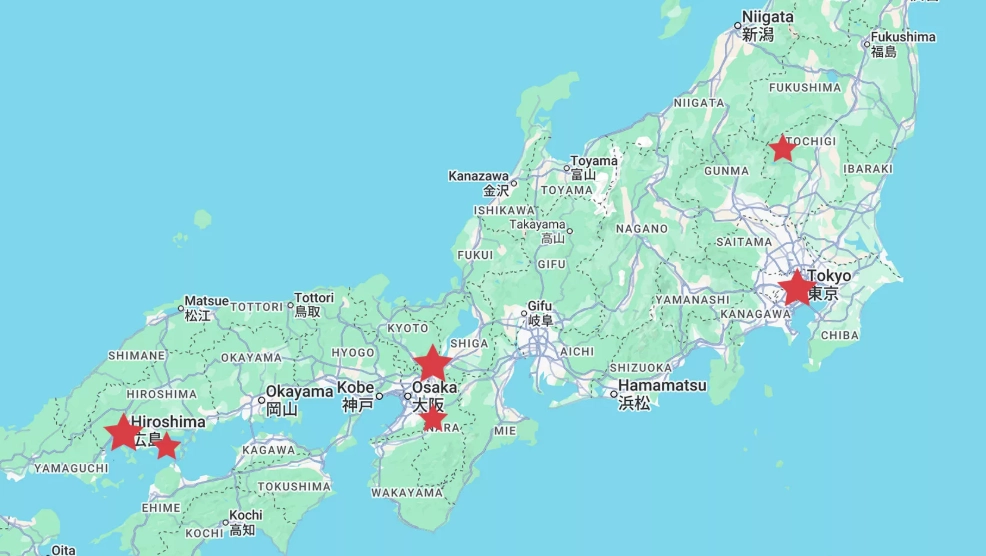
Navigating Transport Costs: Trains, Buses & Passes
Transport can be a budget-killer or a saver, depending on your choices.
The JR Pass Dilemma: The Japan Rail Pass price increased significantly in 2023. For a classic 2-week Tokyo-Kyoto-Osaka-Hiroshima round trip, a 7-day pass (used for the long journeys) might still break even. But if you're just doing Tokyo-Kyoto-Osaka, buying individual Shinkansen tickets is often cheaper. Use the official Jorudan or Google Maps to calculate point-to-point fares before buying a pass.
Regional Passes are Gold: Often overlooked, these can save you a fortune on day trips. The JR Tokyo Wide Pass (3 days) is great for Nikko, Karuizawa, and the Fuji area. The Kansai Area Pass is perfect for trips from Osaka/Kyoto to Nara, Kobe, and Himeji.
Local Transport: In cities, day passes are your friend. Tokyo Metro has a 24/48/72-hour subway ticket for tourists (¥800/¥1,200/¥1,500) sold at airports and major stations. In Kyoto, the ¥700 bus一日乗車券 (One-day bus pass) is essential as buses are the main way to reach temples.
A Sample 14-Day Japan Itinerary with Cost Estimates
Let's attach numbers to a popular route: Tokyo (5 nights) -> Hakone (1 night) -> Kyoto (4 nights) -> Osaka (3 nights). This assumes mid-range travel.
Days 1-5: Tokyo
Accommodation: ¥10,000/night x 5 = ¥50,000
Food: ¥3,500/day x 5 = ¥17,500
Activities: Senso-ji (Free), teamLab Planets (¥3,200), Ghibli Museum (¥1,000), Shibuya Sky (¥1,800) = ~¥6,000
Local Transport: 72-hr Metro pass (¥1,500) + extra trips = ¥2,500
Tokyo Subtotal: ~¥76,000 ($670)
Day 6: Hakone Day Trip/Overnight
Transport from Tokyo: Hakone Free Pass (Odakyu line version) ¥6,100 (covers round trip and local transport)
Food/Onsen/Accommodation: ¥10,000 - ¥20,000
Hakone Subtotal: ~¥18,000 ($160)
Days 7-10: Kyoto
Transport (Tokyo->Kyoto): Shinkansen Nozomi, ¥13,870 (if no JR Pass)
Accommodation: ¥11,000/night x 4 = ¥44,000
Food: ¥3,500/day x 4 = ¥14,000
Activities: Kiyomizu-dera (¥400), Fushimi Inari (Free), Kinkaku-ji (¥400), Arashiyama Bamboo Grove (Free) = ~¥1,500
Local Transport: Bus day passes x 3 days = ¥2,100
Kyoto Subtotal: ~¥75,470 ($665)
Days 11-13: Osaka & Day Trips
Transport (Kyoto->Osaka): Local JR train, ¥560
Accommodation: ¥9,000/night x 3 = ¥27,000
Food: ¥3,500/day x 3 = ¥10,500
Activities: Osaka Castle (¥600), Dotonbori (Free), Day trip to Nara (¥1,400 for transport + park) = ~¥2,500
Local Transport: Subway passes = ¥1,500
Osaka Subtotal: ~¥42,060 ($370)
Day 14: Return to Tokyo/Departure
Transport (Osaka->Tokyo): Shinkansen, ¥14,140
Final Transport: ¥14,140 ($125)
Itinerary Running Total: ~¥226,670 (approx. $2,000). This aligns with our lower-mid range table and covers a fantastic two-week experience.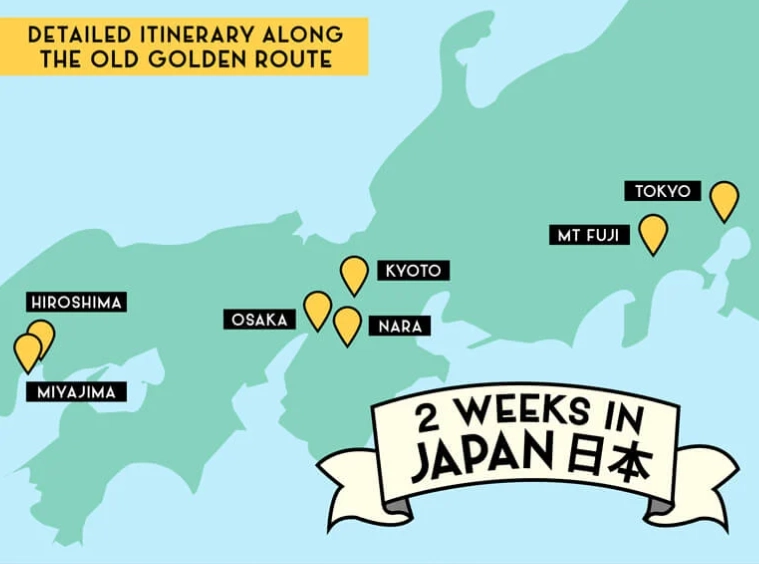
Attraction Tickets & Activity Costs You Can't Miss
Japan isn't just temples. Budget for these experiences:
- TeamLab Planets/Borderless: ¥3,200 - ¥4,000. Book online in advance.
- Ghibli Museum: ¥1,000. Tickets sell out months ahead on the 10th of each month.
- Observation Decks: Shibuya Sky (¥1,800), Tokyo Skytree (¥2,100+), Abeno Harukas (¥1,500). Pick one.
- Major Temples/Shrines: Typically ¥300-¥800. Kiyomizu-dera is ¥400, Todai-ji in Nara is ¥600.
- Castles: Himeji Castle (¥1,000) is the best original. Osaka Castle (¥600) is a modern museum inside.
- Onsen Town Visit: Hakone or Kusatsu. The Hakone Free Pass includes some onsens, others charge ¥1,000-¥2,000 for entry.
Pulling It All Together: Your Total 2-Week Japan Budget
So, what's the final number? Based on our deep dive, here’s what you can expect to spend for a fulfilling 2 weeks in Japan:
- Tight Budget (Backpacker): $1,800 - $2,200 per person. Capsule hotels/hostels, conbini meals, buses over Shinkansen, careful activity selection.
- Comfortable Mid-Range (Recommended): $2,500 - $3,500 per person. This is our sample itinerary range—business hotels, mix of cheap and nice meals, selective Shinkansen use, all major sights.
- Luxury-Leaning: $4,000+. Boutique hotels/ryokan, fine dining, unlimited Shinkansen travel, guided tours.
The sweet spot for most travelers wanting comfort, culture, and good food without excess is around $3,000 per person. Flights are extra, of course.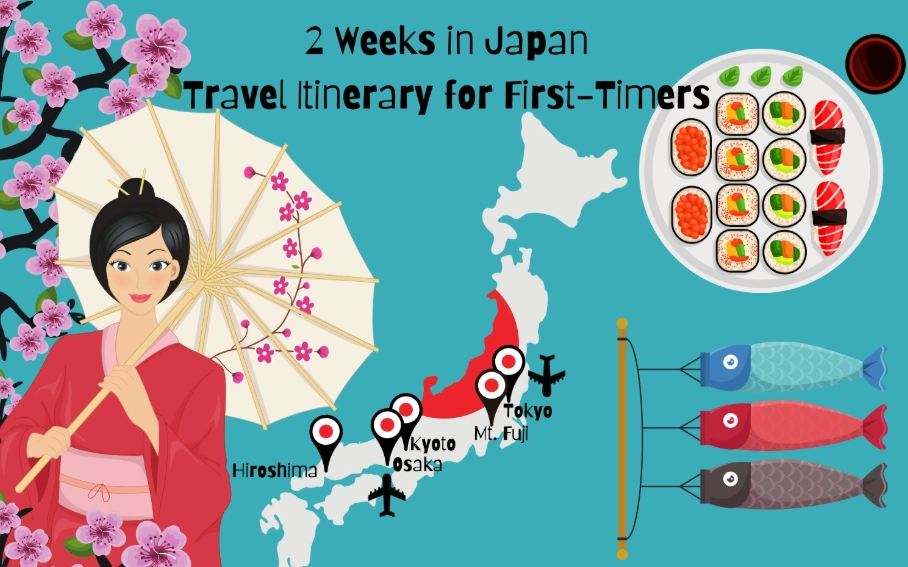
Japan Budget Travel FAQ: Your Tough Questions Answered
Is the JR Pass worth it for a 2-week Japan budget trip in 2024?
It's no longer a no-brainer. The price hike changed the game. For a Tokyo-Kyoto-Osaka-Hiroshima round trip, a 7-day JR Pass might still save you a little. For anything less, calculate the individual fares on Hyperdia or Jorudan first. Often, a combination of one-way Shinkansen tickets and regional passes (like the Kansai-Hiroshima Pass) is more cost-effective.
Can I realistically do Japan on a tight budget of $100 per day?
Yes, but it requires discipline and compromises. That's $1,400 for two weeks. You'd need to stay in hostel dorms (¥2,500-¥3,500/night), eat primarily from convenience stores and supermarket bentos, use overnight buses instead of Shinkansen, and limit paid attractions to one every few days. It's doable, especially for solo travelers, but you'll miss out on some quintessential mid-range experiences like a nice izakaya meal or a relaxing onsen hotel.
 What's the single biggest mistake people make when budgeting for Japan?
Underestimating local transport and daily incidentals. People budget for the Shinkansen but forget the ¥200 subway rides that add up to ¥1,000 a day in Tokyo. Or they don't account for the constant small purchases: a drink from a vending machine, a street food snack in Dotonbori, a souvenir towel, laundry coins. These "micro-costs" can easily add ¥500-¥1,500 ($5-$15) to your daily spend without you noticing.
Should I exchange cash or use my card for a Japan budget trip?
Use a combination, but lean on cash for daily budgeting. While credit cards are accepted in major hotels, department stores, and chain restaurants, cash is still king at small restaurants, temples, markets, and rural areas. Withdraw yen from 7-Eleven ATMs (they accept foreign cards and have English menus) as needed. Using cash helps you physically see your daily budget deplete, which is a powerful psychological tool to avoid overspending.
How can I save money on food without missing out on the experience?
Master the art of the lunch set and the department store basement (depachika). As mentioned, lunch is always cheaper. For dinner, visit a depachika just before closing (around 7-8 PM) for heavily discounted, high-quality prepared foods like sushi, bento, and side dishes. It's a feast for a fraction of the restaurant price. Also, don't feel pressured to order a drink at every restaurant—water or tea is almost always free.

Comments