Ask anyone what Kyoto is famous for, and you'll likely get a quick list: golden temples, geisha, and maybe some fancy food. That's true, but it barely scratches the surface. Having spent years exploring its backstreets and seasons, I see Kyoto as a living museum where history isn't just displayed—it's practiced. Its fame rests on three unshakable pillars: an unparalleled collection of historical temples and shrines, a culinary tradition that treats food as art, and the preservation of intangible cultural arts like the geiko (Kyoto's term for geisha) tradition. But the real magic happens when you move past the iconic snapshots and understand how to engage with the city's depth.
Your Kyoto Journey at a Glance
The Three Pillars of Kyoto's Fame
Let's break down why Kyoto holds its unique place. It's not just one thing; it's a convergence.
1. A Treasury of Temples and Shrines
With over 1,600 Buddhist temples and 400 Shinto shrines, Kyoto is the spiritual heart of Japan. This isn't just about quantity. It's about diversity and preservation. You have the dazzling gold leaf of Kinkaku-ji (the Golden Pavilion), the serene rock garden of Ryoan-ji, and the endless vermilion gates of Fushimi Inari Taisha. Each represents a different school of thought, aesthetic, and purpose. Unlike many historical cities, these sites aren't mere relics; they are active places of worship and community. The mistake many make is trying to tick them all off a list. It's better to fully experience a few.
2. The Epicenter of Japanese Cuisine
Kyoto's food culture is born from its history as the imperial capital and its inland geography. Lacking fresh seafood, chefs perfected techniques with local vegetables, tofu, and preserved foods. This led to kaiseki, the multi-course haute cuisine that is as much about seasonality and presentation as taste. But it's also the home of yudofu (simmered tofu), matcha sweets, and refined Buddhist vegetarian cuisine (shojin ryori). The city's fame in food is about a philosophy—respect for ingredients and moment—that permeates from high-end restaurants down to a simple pickled vegetable sold at Nishiki Market.
3. A Living Archive of Traditional Arts
This is where Kyoto feels most alive. The geiko and maiko (apprentice) districts, particularly Gion and Pontocho, are the world's most famous hubs for this performing art. But it extends to tea ceremony schools, ikebana (flower arranging), kodo (incense appreciation), and traditional crafts like Kiyomizu pottery and Nishijin textiles. Kyoto protects these arts not behind glass, but through ongoing practice. You can hear the click of okobo (wooden sandals) on an evening street or see a tea master's precise movements in a century-old tea house. This tangible connection to the past is a large part of its allure.
Must-Visit Attractions: A Practical Breakdown
Here’s a detailed look at the sites that define Kyoto’s fame. I’ve included the nitty-gritty details you need to plan, plus a tip you won't find in every guidebook.
| Attraction | What It's Famous For | Address & Access | Hours & Admission | Pro Tip |
|---|---|---|---|---|
| Fushimi Inari Taisha | Thousands of vermilion torii gates forming trails up a sacred mountain. | 68 Fukakusa Yabunouchicho, Fushimi Ward. 5-min walk from JR Inari Station or Keihan Fushimi-Inari Station. | Always open (24/7). Shrine buildings: dawn to dusk. Free. | Most crowds cluster in the first 200 meters. For relative solitude, hike for 30-40 minutes to the Yotsutsuji intersection. The view back over Kyoto is worth it. |
| Kinkaku-ji (Golden Pavilion) | A Zen temple covered in gold leaf, reflecting perfectly in a pond. | 1 Kinkakujicho, Kita Ward. Take Kyoto City Bus #101 or #205 from Kyoto Station (~40 mins). | 9:00 AM - 5:00 PM. Admission: 500 yen (adult). | It's stunning, but the viewing path is a one-way, crowded conveyor belt. Go at opening time. Don't expect a quiet contemplation spot. |
| Kiyomizu-dera | A massive wooden stage jutting out over the hillside, offering panoramic views. | 294 Kiyomizu, Higashiyama Ward. A 20-min uphill walk from bus stops serviced by routes #100, #206. | 6:00 AM - 6:00 PM (hours vary seasonally). Admission: 400 yen. | The temple is under long-term renovation (until 2024/2025). The main hall is scaffolded, but you can still go onto the stage. The surrounding Higashiyama streets are the real highlight here. |
| Arashiyama Bamboo Grove | A soaring pathway through dense, towering bamboo stalks. | Sagaogurayama Tabuchiyamacho, Ukyo Ward. Short walk from JR Saga-Arashiyama Station or Hankyu Arashiyama Station. | Always accessible. Free. | It's a short path and insanely crowded by 9 AM. Arrive by 7:30 AM to experience its famous ethereal light and quiet. Then, explore the nearby Okochi Sanso Villa for a better, paid garden experience. |
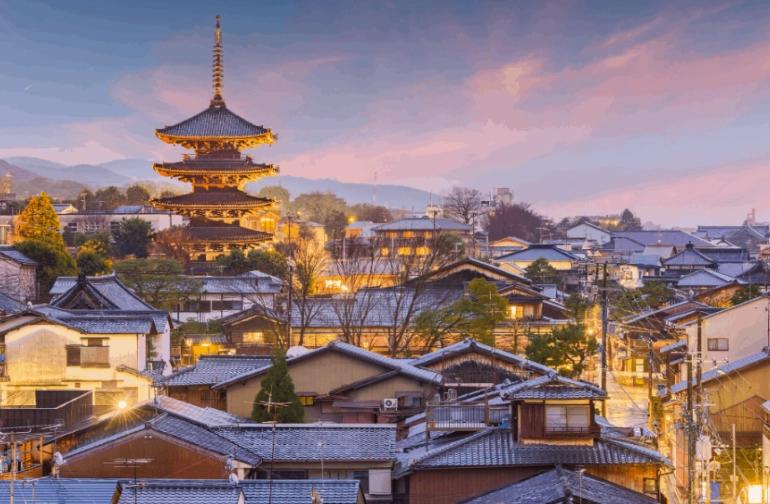
| Gion District | The iconic geisha district with preserved machiya (wooden townhouses). | Gion, Higashiyama Ward. Accessible from Gion-Shijo Station (Keihan line) or Kawaramachi Station (Hankyu line). | Public streets always open. Teahouses are by private invitation only. | Evening is the best time to feel the atmosphere. Be respectful—it's a residential workplace. Do not block geiko/maiko or use flash photography. For a guaranteed cultural show, book a performance at Gion Corner. |
The Kyoto Food Map: From Street Snacks to Haute Cuisine
You can't talk about what Kyoto is famous for without getting into the food. Here’s where and what to eat.
Nishiki Market: The 400-Year-Old Kitchen
Dubbed "Kyoto's Kitchen," this narrow, 400-meter-long covered market is a sensory overload. It's not really a place for a full meal but for grazing and discovery.
- Must-try: Tako tamago (baby octopus stuffed with a quail egg), fresh matcha soft serve, various pickles (tsukemono), and soy doughnuts.
- Location: Nakauoyacho, 209 Nishikikoji Higashiiru, Nakagyo Ward. Parallel to Shijo-dori.
- Hours: Most shops 9:00 AM - 6:00 PM, many closed Wednesdays or Sundays.
Kaiseki: The Ultimate Culinary Experience
This is Kyoto's most famous culinary export. A kaiseki meal is a seasonal story told in 10-14 small courses. It's expensive but unforgettable.
- For a splurge: Kikunoi (Michelin 3-star). Address: 459 Shimokawarachō, Higashiyama Ward. Expect 30,000+ yen per person. Reservations are mandatory, often months ahead.
- For a more accessible introduction: Look for lunchtime kaiseki sets. Many mid-range ryokan (inns) also offer exquisite kaiseki dinners to staying guests, which can be better value than a standalone restaurant.
Yudofu: Kyoto's Humble Masterpiece
Simmered tofu in a delicate kelp broth. It sounds simple, but the quality of Kyoto's water and tofu makes it sublime.
- Top Pick: Okutan at Nanzen-ji Temple. Dining in a historic temple sub-building overlooking a garden. Address: 86-8 Fukuchicho, Nanzenji, Sakyo Ward. Lunch sets around 3,000-4,000 yen. Open 11:00 AM - 4:30 PM.
How to Experience Kyoto's Living Culture
Seeing is one thing; doing is another. Here are ways to actively participate.
Tea Ceremony with a Modern Twist
Skip the overly touristy, 20-minute demos. Look for smaller studios run by tea masters. I recommend Camellia Flower Tea Experience in Higashiyama. They explain the philosophy in excellent English in an authentic tea room. It feels genuine, not staged. Booking online is easy.
Dressing in a Kimono
Wandering Higashiyama's old streets in a kimono or yukata (summer version) is immensely popular. It changes your perspective—you walk slower, notice more. Rentals are everywhere, like Vasara or Yumeyakata. Book the earliest slot (9 AM) to get the best selection of patterns and avoid the dressing rush. A common mistake is choosing an overly elaborate kimono; a simpler, elegant one often looks more authentic in the historic setting.
Discovering a Quiet Garden
Kyoto's fame for gardens goes beyond the rock of Ryoan-ji. Seek out smaller, paid-entry gardens attached to temples. They are oases of calm. Shosei-en Garden, a 10-minute walk from Kyoto Station, is a stunning example rarely on the tourist trail. Admission is 500 yen, and you might have it all to yourself.
Planning Your Trip: Essential Kyoto Travel Tips
When to Go (And When to Think Twice)
- Best: Late March/April (cherry blossoms) and late October/November (fall colors). Book everything a year in advance. Seriously.
- Great Alternatives: Early December (beautiful autumn leaves linger, Christmas lights start), February (plum blossoms, fewer crowds).
- Challenging: Golden Week (late April/early May), Obon (mid-August), and peak summer (hot, humid, crowded).
Getting Around: The Bus is Your Friend
Kyoto's subway covers limited areas. For temples, you'll rely on buses. The Kyoto City Bus One-Day Pass (700 yen) is a lifesaver. Buy it from the driver on your first ride. Google Maps is accurate for bus routes and times.
Where to Stay: Location Matters
Staying near Kyoto Station is great for transport but lacks old-Kyoto charm. Gion/Higashiyama is atmospheric but expensive and can be noisy at night. Central Downtown (Kawaramachi) offers a good mix of restaurants, shopping, and access. For a unique, quieter stay, consider a ryokan in the western Arashiyama area.
A Sample 3-Day Kyoto Itinerary
- Day 1 (East Kyoto): Kiyomizu-dera → Sannenzaka/Ninenzaka streets → Yasaka Pagoda → Kodai-ji Temple → Maruyama Park → Gion at dusk.
- Day 2 (Arashiyama & North): Arashiyama Bamboo Grove (early!) → Tenryu-ji Temple garden → Kinkaku-ji → Ryoan-ji.
- Day 3 (Fushimi & Downtown): Fushimi Inari Taisha (early!) → Nishiki Market for lunch → Nijo-jo Castle → Pontocho Alley for dinner.
Comments