So you've got ten days for Japan and want to hit the golden triangle: Tokyo, Kyoto, and Osaka. It's the classic first-timer route, and for good reason. You get neon-lit futurism, timeless temples, and unbeatable street food all in one trip. But fitting it all in without feeling like you're on a forced march is the real challenge. After multiple trips and helping friends plan theirs, I've refined a 10-day Japan itinerary that balances iconic sights with local flavor, smart logistics with spontaneity. Let's get straight into it.
Your Journey at a Glance
Your 10-Day Japan Itinerary: Day-by-Day Breakdown
This plan assumes you're flying into Tokyo (Narita/Haneda) and out of Osaka (Kansai). The rhythm is 4 nights Tokyo, 3 nights Kyoto, 2 nights Osaka, with a day trip from Kyoto. It's fast but doable if you're organized.
Days 1-4: Tokyo - The Electric Metropolis
Day 1: Arrival & Shinjuku. Land, clear immigration, pick up your pocket Wi-Fi or SIM, and take the Narita Express or limousine bus to your hotel. Don't plan much. Just settle in, maybe head to the Tokyo Metropolitan Government Building (free, open until 10:30 PM) for a panoramic night view. Dinner? Find a ramen shop in Shinjuku's Omoide Yokocho ("Piss Alley").
Day 2: Shibuya & Harajuku. Morning at Meiji Jingu (free, opens at sunrise). Exit into Takeshita Street – it's chaotic, but try a giant rainbow cotton candy. Honestly, Shibuya Crossing is cool for about five minutes. The real gem is the scramble crossing view from the Magnet by Shibuya 109 building (rooftop observation deck, ~¥1,000). For dinner, head to Nonbei Yokocho ("Drunkard's Alley") for yakitori.
Day 3: Asakusa & Akihabara. Get to Senso-ji Temple early to beat the crowds. Nakamise-dori street is touristy but has good souvenirs. Afternoon in Akihabara for anime and electronics. Feeling brave? Try a themed maid cafe. I find them overpriced and awkward, but it's an experience.
Day 4: Day Trip Option or Shinjuku Deep Dive. Choices: 1) TeamLab Planets TOKYO in Toyosu (book weeks ahead, ~¥3,800). 2) A half-day in Ueno Park (museums, zoo) and Ameya Yokocho market. 3) Explore Shinjuku's Kabukicho (just look, don't follow touts) and the fantastic Omoide Yokocho for more izakaya vibes.
Days 5-7: Kyoto - The Heart of Tradition
Day 5: Travel to Kyoto & Gion. Take the morning Shinkansen (bullet train) from Tokyo Station to Kyoto Station (about 2h15m). Store luggage at your hotel or station lockers. Head straight to Fushimi Inari Taisha. Most people crowd the first few gates. Hike up for at least 30 minutes – the paths get quieter and more serene. Evening stroll through Gion, Kyoto's geisha district. Spotting a geiko or maiko is rare, but the old wooden machiya houses are beautiful.
Day 6: Arashiyama & Kinkaku-ji. Go to Arashiyama Bamboo Grove by 7:30 AM. It's magical when empty. Afterwards, visit Tenryu-ji Temple (garden entrance ¥500) and maybe take a short riverboat ride. Afternoon at Kinkaku-ji (Golden Pavilion, ¥400). It's stunning but always packed. A lesser-known alternative is Ginkaku-ji (Silver Pavilion) with its stunning sand garden.
Day 7: Day Trip to Nara & Uji. This is my non-consensus tip. Most do a full day in Nara. Combine it with Uji for a richer experience. Morning train to Nara (45min from Kyoto). Feed the deer in Nara Park, see the giant Buddha at Todai-ji (¥600). After lunch, take a train to Uji (20min). This town is the home of matcha. Visit Byodo-in Temple (¥600, on the 10-yen coin) and drink the best matcha of your life at a shop like Nakamura Tokichi.
Days 8-9: Osaka - The Kitchen of Japan
Day 8: Travel to Osaka & Dotonbori. Short train ride from Kyoto (30min). Drop your bags. Head to Osaka Castle (¥600). The museum inside is modern, but the views are good. Save your energy for the evening in Dotonbori. This is street food paradise. Must-tries: takoyaki from Kukuru, okonomiyaki from Mizuno, and kushikatsu. Just follow the giant moving crab and octopus signs.
Day 9: Shinsekai & Umeda. Morning in Shinsekai, a retro-futuristic district with the Tsutenkaku Tower. It feels like old Osaka. Eat more kushikatsu here. Afternoon shopping and exploring the dizzying skyscrapers and underground malls of Umeda. For a final night view, the Umeda Sky Building Floating Garden Observatory (¥1,500) is spectacular.
Day 10: Departure. Last-minute souvenir shopping at Kuromon Ichiba Market ("Osaka's Kitchen") or head straight to Kansai International Airport (KIX) via the convenient Nankai Line or limousine bus.
How to Get Around: Transport Logistics Made Simple
The Japan Rail Pass (JR Pass) is a hot topic. For this specific 10-day Tokyo-Kyoto-Osaka itinerary with a Nara/Uji side trip, do the math. If you're taking the round-trip Shinkansen between Tokyo and Kyoto/Osaka, a 7-day JR Pass activated on your Tokyo-Kyoto travel day often pays off. If you're flying into one city and out of the other (open-jaw), a pass might not be worth it. Use the official Japan Rail Pass website calculator or a site like Japan Guide to compare.
Within cities, get an IC card (Suica or Pasmo). Tap in, tap out for all subways and buses. You can even use them at convenience stores. Google Maps is incredibly accurate for train times and platform numbers in Japan.
Where to Stay: Neighborhood Picks for Each City
Location saves you hours. Here’s a quick breakdown of good areas and a few specific hotel ideas across budgets.
| City | Best Neighborhoods for First-Timers | Hotel Examples (Name, Area, Note) |
|---|---|---|
| Tokyo | Shinjuku: Major transport hub, nightlife. Shibuya: Youthful, central. Ginza/Tokyo Station: Upscale, good for early Shinkansen. |
Hotel Gracery Shinjuku: Shinjuku, famous Godzilla head. Shibuya Excel Hotel Tokyu: Shibuya, directly connected to station. Mitsui Garden Hotel Ginza Premier: Ginza, great city views. |
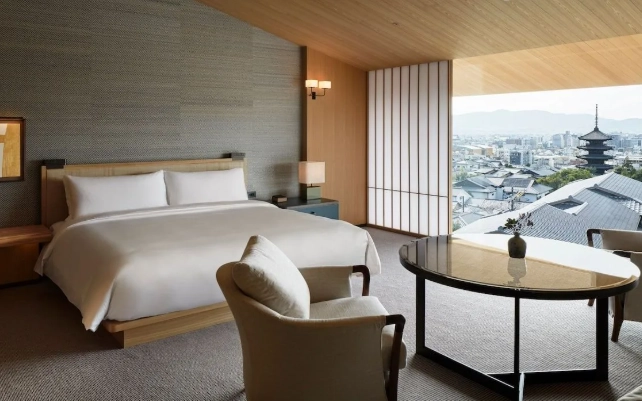
| Kyoto | Near Kyoto Station: Convenient for arrivals/departures. Gion/Higashiyama: Atmospheric, walkable to sights. Central Kyoto (Kawaramachi): Shopping, dining, river views. |
Hotel Granvia Kyoto: Inside Kyoto Station, ultimate convenience. Gion Hatanaka: Gion, traditional ryokan with kaiseki meals. The Royal Park Hotel Kyoto Sanjo: Kawaramachi, modern and central. |
| Osaka | Namba (Dotonbori): Heart of food and action. Umeda (Osaka Station): Major business/shopping hub. Shin-Osaka Station: Only if you have an early bullet train. |
Hotel Nikko Osaka: Namba, connected to Dotonbori. InterContinental Osaka: Umeda, luxury option. APA Hotel Shin-Osaka-Ekimae: Shin-Osaka, basic but functional. |
Can't-Miss Food Highlights in Each City
Each city has a signature. Don't leave without trying these.
Tokyo: Sushi – Skip the ultra-expensive. Go to a good conveyor belt (kaiten-zushi) like Sushiro or Kura Sushi for fun and value. For a proper sit-down, try Uogashi Nihon-Ichi in Shimbashi (standing sushi bar). Ramen – Ichiran is famous, but local shops in any station area are just as good.
Kyoto: Kaiseki (multi-course haute cuisine). Expensive but an experience. Yudofu (tofu hot pot) – try it near Nanzen-ji Temple. Matcha everything – from soft serve to parfaits in Uji or the Nishiki Market.
Osaka: Takoyaki (octopus balls) and Okonomiyaki (savory pancake). Head to Dotonbori. For kushikatsu (deep-fried skewers), Daruma in Shinsekai is an institution. Remember the rule: no double-dipping the shared sauce!

Comments