Let's cut to the chase: for a comfortable, mid-range two-week trip to Japan, you're looking at around $3,000 to $5,000 per person, excluding flights. That's based on my own travels and helping dozens of friends plan theirs. But that number swings wildly depending on your style—you can do it for under $2,000 if you're frugal, or blow past $10,000 with luxury digs and fine dining. This guide breaks down every cost, so you can tailor it to your wallet.
Your Quick Budget Map
Breaking Down the Costs: Where Your Money Goes
Most people underestimate Japan's costs because they forget about internal travel and those tempting convenience store snacks. Here's the real scoop.
Flights to Japan: Your Biggest Expense?
From North America, round-trip flights to Tokyo (Narita or Haneda) typically run $800 to $1,500 in economy, depending on season. I flew from Los Angeles last April for $950, booking three months out. From Europe, expect $700 to $1,200. Use tools like Google Flights and set alerts—flying into Osaka (KIX) can sometimes be cheaper if you're focusing on western Japan.
Accommodation: From Capsule Hotels to Ryokans
This is where budgets diverge. A night in a Tokyo business hotel like APA Hotel (locations everywhere, e.g., APA Hotel Shinjuku, 3-22-7 Shinjuku, Tokyo) costs $80 to $120 for a double room. Capsule hotels are cheaper at $30 to $50, but privacy is nil. For a traditional experience, a ryokan in Kyoto like Gion Hatanaka (505 Gionmachi Minamigawa, Higashiyama Ward, Kyoto) runs $300 to $500 per night with meals included—worth it for a night or two. Hostels range from $25 to $40 per bed. Over 14 nights, budget $600 to $1,400 for mid-range hotels.
Food and Dining: Sushi on a Budget
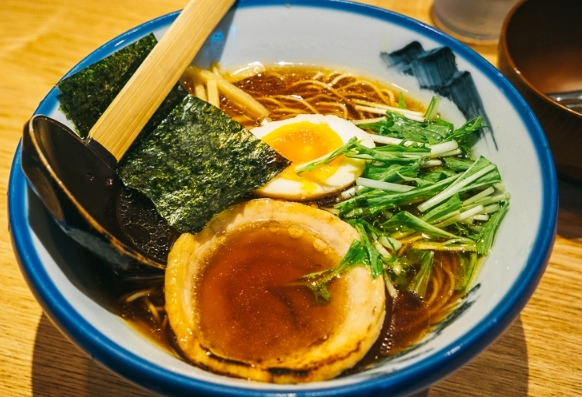
You can eat well without breaking the bank. Convenience store meals (7-Eleven, Lawson) cost $3 to $8. Ramen shops like Ichiran (multiple locations, e.g., 1-22-7 Jinnan, Shibuya, Tokyo, open 24/7) charge $10 to $15 per bowl. Mid-range sushi at Kura Sushi (a revolving chain) is about $2 per plate. Splurge on a kaiseki meal for $100+. Per day, I averaged $40 on food, mixing cheap eats with a few nice dinners. Don't skip street food in Osaka—takoyaki is $4 for six pieces.
Transportation: Navigating Japan's Efficient Systems
Internal travel adds up. The Japan Rail Pass (JR Pass) for 14 days costs around $440 for ordinary class, but it only pays off if you're doing long shinkansen trips, like Tokyo to Kyoto (about $130 one-way). For a typical two-week itinerary hitting Tokyo, Kyoto, Osaka, and maybe Hiroshima, the pass is worth it. Calculate using official JR Pass calculators. Local subway passes in cities: Tokyo Metro 24-hour ticket is $6. Osaka Amazing Pass is $20 for a day including attractions. Budget $300 to $500 for transport overall.
Activities and Sightseeing: Temples, Theme Parks, and More
Many temples in Kyoto charge $5 to $10 entry (e.g., Kinkaku-ji, 1 Kinkakujicho, Kita Ward, Kyoto, open 9 AM to 5 PM, $4). Tokyo Disneyland tickets are $80 to $100. Museums like the Ghibli Museum (1-1-83 Shimorenjaku, Mitaka, Tokyo, advance booking required) cost $10. Sumo tournament tickets start at $40. I spent about $300 on activities over two weeks, but you can easily double that with guided tours.
Pro tip: Book Ghibli Museum tickets months in advance—they sell out fast, and scalpers charge a fortune. I missed out once and had to settle for the gift shop.
A Sample 2-Week Japan Budget Itinerary
Here's a realistic day-by-day breakdown for a mid-range traveler, based on my own trip. Prices are per person in USD.
| Day | Location | Accommodation (per night) | Food & Drinks | Transport & Activities | Daily Total |
|---|---|---|---|---|---|
| 1-4 | Tokyo | $100 (business hotel) | $40 | $30 (metro + sights) | $170 |
| 5-7 | Kyoto | $120 (hotel) | $45 | $40 (bus + temples) | $205 |
| 8-10 | Osaka | $90 (hotel) | $50 (street food!) | $35 (train + Osaka Castle) | $175 |
| 11-12 | Hiroshima | $80 (hotel) | $40 | $50 (shinkansen + Peace Museum) | $170 |
| 13-14 | Back to Tokyo | $100 | $40 | $30 (last-minute shopping) | $170 |
Total for 14 days (excluding flights): around $2,400. Add flights ($1,000) and some buffer, and you're at $3,500 to $4,000. This assumes moderate spending—you can trim it by staying in hostels or skipping Hiroshima.
How to Save Money on Your Japan Trip
Everyone talks about the JR Pass, but here's a less obvious one: use overnight buses instead of shinkansen for long distances. Tokyo to Osaka overnight bus costs $50 vs. $130 for train, and you save a night's accommodation. Book via Willer Express. Also, eat lunch sets (teishoku) at department store basements—they're delicious and under $10. I found a great spot in Tokyo Station's Gransta area.
Another trick: avoid peak seasons like cherry blossom (late March to April) and Golden Week (early May). Prices spike, and crowds are insane. I went in late October and saved 20% on hotels. For accommodations, look beyond Airbnb—many are illegal now. Use booking sites like Rakuten Travel for Japanese-style deals.
Transport: Get a Suica or Pasmo card for easy tap-and-go on trains. They work in most cities. And walk! Cities like Kyoto are best explored on foot—I skipped buses and saved $5 a day.
Wrapping up, Japan doesn't have to be exorbitant. With smart choices, you can enjoy its wonders without draining your savings. Start by setting a daily budget, book flights early, and use this guide to adjust. Have a blast—and try the matcha soft serve, it's worth every yen.

Comments