So you've booked your tickets to Japan, and Kyoto is on the list. Good choice. But now you're staring at a map dotted with a thousand temples, wondering how to fit the essence of this ancient capital into just a few days without collapsing from exhaustion. Most itineraries you find online are either a brutal marathon or a superficial checklist. I've been visiting Kyoto for over a decade, and I've seen friends make the same mistakes: trying to see too much, going at the wrong times, and missing the subtle magic between the major sights. This Kyoto Japan travel itinerary is different. It's a balanced, realistic 3-day plan built around timing, logistics, and those quiet moments that make Kyoto special. We'll cover the must-sees, sure, but more importantly, we'll cover how and when to see them to avoid the crowds and actually enjoy yourself.
Your Kyoto Journey at a Glance
Day 1: Southeast Kyoto & The Iconic Gates
Let's hit the ground running. The biggest mistake on Day 1 is sleeping in. Your goal is to be at the first spot before it officially opens.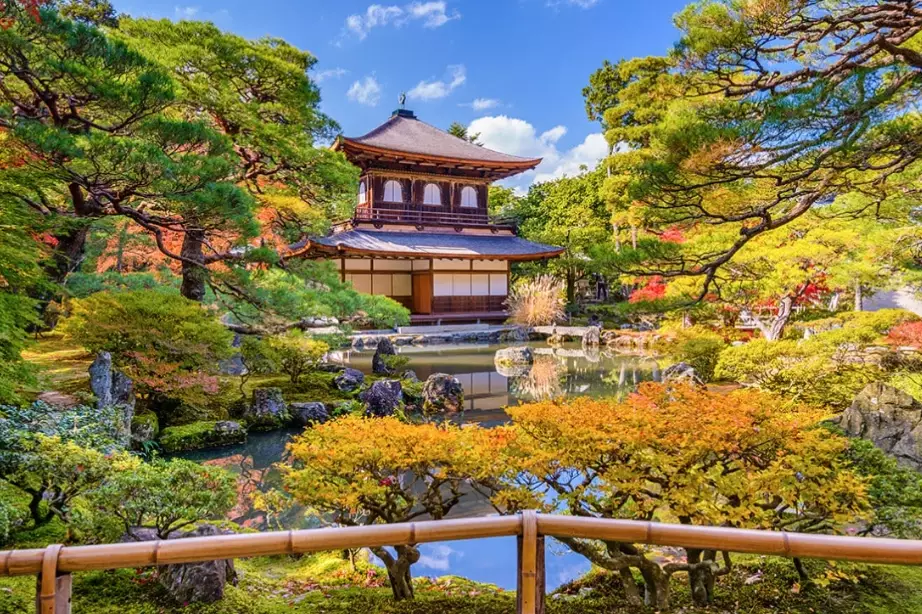
Morning (Start by 7:00 AM): Fushimi Inari Taisha
Address: 68 Fukakusa Yabunouchicho, Fushimi Ward, Kyoto. Admission: Free, open 24 hours. How to get there: Take the JR Nara Line from Kyoto Station to Inari Station (5 minutes, ¥150). The shrine entrance is right across from the station.
Forget the photos you've seen. At 7:30 AM, Fushimi Inari is a different world. The famous tunnel of vermilion torii gates is serene, almost empty. You'll hear birds, not tour guides. Most people only walk the first crowded section. My advice? Commit to the 30-45 minute hike to the Yotsutsuji intersection halfway up. The view over Kyoto is worth it, and 90% of the crowd vanishes before this point. You don't need to go all the way to the summit.
Late Morning (10:30 AM): Tofukuji Temple
Address: 15-778 Honmachi, Higashiyama Ward, Kyoto. Admission: Garden entry ¥400, Tsutenkyo Bridge area ¥400 extra (worth it in autumn). Hours: 9:00 AM - 4:00 PM (varies seasonally).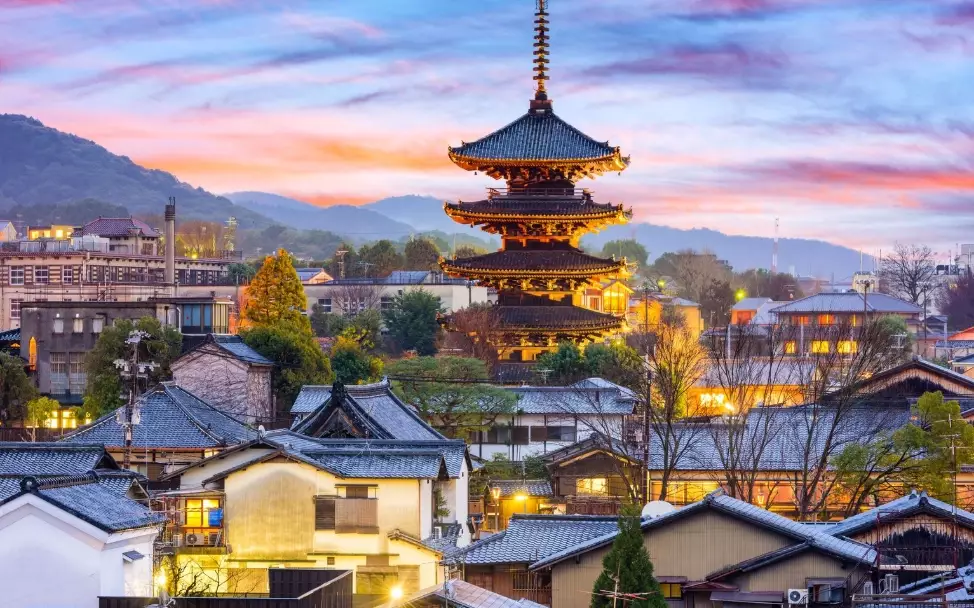
A 15-minute walk from Fushimi Inari's base. Tofukuji is often overlooked, but its massive wooden Sanmon gate and the Tsutenkyo bridge spanning a valley of maple trees are stunning. It's a lesson in Zen garden design without the elbow-to-elbow crowds of more famous spots.
Afternoon (1:00 PM Onwards): Sanjusangendo & Kyoto Station Area
Head back towards the city. Sanjusangendo Hall (657 Sanjusangendomawari, Higashiyama Ward) is a single, long hall housing 1,001 life-sized, gold-leafed statues of Kannon, the goddess of mercy. It's visually overwhelming in the best way. Admission is ¥600.
Afterwards, explore the architecturally stunning Kyoto Station building. Head to the 11th-floor Skyway for a free panoramic view. This is also the perfect time to figure out the station's layout for later trips.
Day 2: Central Kyoto, Philosophers & Geisha
Today is about the Higashiyama (Eastern Mountains) district. Wear good walking shoes.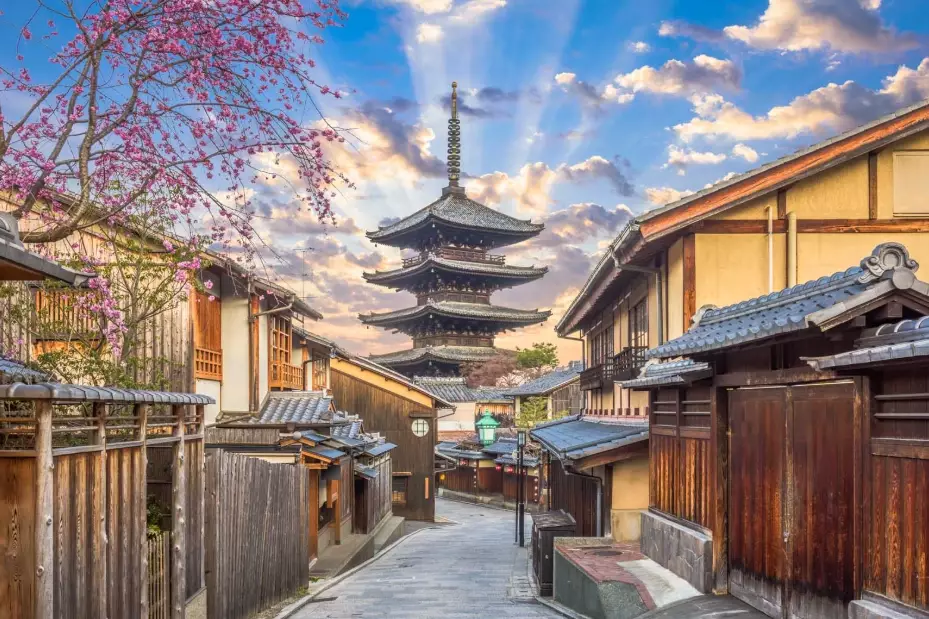
Morning Path: The Philosopher's Path (Tetsugaku-no-Michi)
Start at Ginkakuji (The Silver Pavilion) (2 Ginkakujicho, Sakyo Ward). It's not silver, but its sand garden is a masterpiece. Opens at 8:30 AM, ¥500. Then, walk the 2-kilometer stone path along a canal, lined with cherry trees (bloom in April) and cute cafes. It's peaceful. Halfway, detour to Honen-in Temple, a tiny, moss-covered haven that feels secret.
Late Morning Crush: Kiyomizu-dera
The path leads south to the bustling lanes of Ninenzaka and Sannenzaka. These preserved streets are packed with shops and snacks. They lead straight to Kiyomizu-dera (1-294 Kiyomizu, Higashiyama Ward). Yes, it will be crowded. The main hall's wooden stage juts out over the hillside. Admission ¥400. Go early or accept the crowd—it's iconic for a reason. The nearby Jishu Shrine is for love; try walking between the two "love stones" with your eyes closed for luck.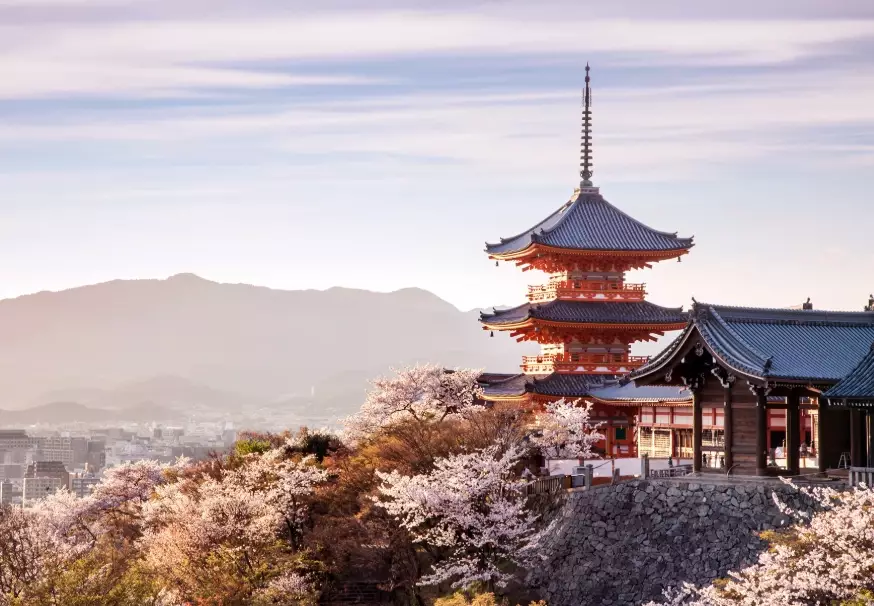
Evening (From 5:30 PM): Gion and Pontocho
As dusk falls, wander into Gion, Kyoto's famous geisha district. You're unlikely to see a geisha (geiko in Kyoto dialect) unless you're around 5:30-6:00 PM, when they may be heading to appointments. Be respectful—no chasing them for photos. For dinner, cross the Kamo River to Pontocho Alley, a narrow, atmospheric lane packed with restaurants. It can be pricey, but even just a walk here is an experience. For a more local (and affordable) dinner, head to the streets around Kiyamachi-dori.
Day 3: Arashiyama Bamboo & Golden Pavilion
We're splitting the day between two distinct areas west of the city center.
Morning (Start Early): Arashiyama Bamboo Grove
How to get there: Take the JR Sagano Line from Kyoto Station to Saga-Arashiyama Station (15 minutes), then walk 10 minutes.
The Arashiyama Bamboo Grove is another victim of its own beauty. By 9:30 AM, it's a human traffic jam. Get there by 8:00 AM. The light filtering through the tall bamboo is magical when it's quiet. After the grove, visit the nearby Tenryu-ji Temple (68 Susukinobabacho, Tenryuji, Ukyo Ward), a UNESCO site with a phenomenal landscape garden. Opens at 8:30 AM, garden entry ¥500.
Afternoon (1:00 PM): Kinkaku-ji (The Golden Pavilion)
From Arashiyama, take a bus (numbers 59 or 101, about 30-40 minutes) to Kinkaku-ji (1 Kinkakujicho, Kita Ward). This temple, covered in gold leaf, is reflected in a pond. It's stunning, but the experience is a single-file walking path around the pond. It's always crowded. Admission ¥400. Manage your expectations: you'll get a great photo, but you won't linger. It's worth it for the visual impact alone.
Where to Eat: Kyoto Food Spots You Can Actually Get Into
Kyoto cuisine (Kyo-ryori) is refined. But you don't need a Michelin budget to eat well.
| Name / Area | What to Try | Notes & Address (Approx.) |
|---|---|---|
| Nishiki Market (Downtown) | Street food sampler: grilled scallops, tamagoyaki (omelette), pickles. | Nakagyo Ward. Go hungry, arrive by 10 AM to beat crowds. A "Kitchen of Kyoto." |
| Menbakaichidai (Near Kyoto Station) | Fire Ramen (Kageyama). Noodles served with a literal flame burst. | It's a gimmick, but fun. 757-2 Minamiiseyacho, Shimogyo Ward. Expect a line. |
| Omen (Near Philosopher's Path) | Udon noodles. You dip the thick, chewy noodles in a savory broth. | 74 Jodoji Ishibashicho, Sakyo Ward. Reliable, tasty, and has an English menu. |
| Ippudo (Kawaramachi) | Tonkotsu Ramen. A famous chain, but consistently excellent. | 653-1 Bantoyacho, Nakagyo Ward. Great for a quick, satisfying bowl. |
A personal tip: The best kaiseki (multi-course) experience I had wasn't at a famous place, but at a small inn (ryokan) where I was staying. If your budget allows, a night at a ryokan with dinner included is the real Kyoto culinary immersion.
Where to Stay: Kyoto Accommodation for Any Budget
Location is everything. Staying near a major transit hub saves hours.
Near Kyoto Station: Best for first-timers and day trips. The Hotel Granvia Kyoto is inside the station building—ultimate convenience, but pricey. More budget-friendly options like the Mitsui Garden Hotel Kyoto Station are a short walk away.
Gion / Higashiyama: For atmosphere. You pay for the postcard location. The Celestine Hotel Gion is a lovely, quieter choice tucked away but still central.
Kawaramachi / Downtown: The nightlife and shopping hub. Great for food and access to buses/subways. Look at business hotels like Hotel MyStays Kyoto-Shijo or APA hotels for value.
Book months in advance, especially for peak seasons (cherry blossom, autumn leaves).
Kyoto Itinerary FAQ: Your Real Questions Answered
I only have one full day in Kyoto, what should I do?
Focus on Southeast Kyoto. Do Fushimi Inari at dawn, then take a taxi or train/bus to Kiyomizu-dera. Walk down through Sannenzaka/Ninenzaka to Yasaka Shrine, then into Gion. You'll get the gates, the big temple, the old streets, and the geisha district in one tight, walkable loop. Skip Arashiyama and Kinkaku-ji for this trip.
Is the JR Pass worth it for just Kyoto?
No. The Japan Rail Pass is for long-distance Shinkansen travel. Within Kyoto, you'll use city buses, the subway, and occasional local JR trains (like to Fushimi Inari or Arashiyama). Get an IC card (Suica or ICOCA) to tap-and-go on all transport. For lots of bus travel in one day, a Kyoto City Bus One-Day Pass (¥700) can pay off.
What's the biggest mistake people make with their Kyoto itinerary?
Over-scheduling. They plot 5 temples a day. By temple #3, it all blurs into a jet-lagged haze. Pick one or two highlight areas per day, build your route logically on a map, and leave space to get lost in a side street, sit in a cafe, or just absorb the atmosphere. Quality over quantity, always.
How do I deal with the crowds at major spots like Kinkaku-ji?
Embrace the early morning or accept the flow. For Kinkaku-ji, there's no secret time—it's busy from open to close. Go, follow the path, take your photo, enjoy the glittering view, and move on. The frustration comes from expecting a serene experience where one isn't possible. For places like the Bamboo Grove or Fushimi Inari, the 7:00-8:30 AM window is your only hope for peace.
Where can I store my luggage if I'm arriving or departing on a day of sightseeing?
Kyoto Station is your best friend. There are hundreds of coin lockers of all sizes in the basement and on various floors. They fill up by mid-morning. If lockers are full, go to the "Baggage Storage" (Left Luggage) counters near the central Karasuma exit. They can hold your bags for a similar fee. This lets you explore freely before checking in or after checking out.
This Kyoto Japan travel itinerary isn't about checking every box. It's about crafting a few perfect days that balance iconic sights with personal discovery. You'll see the big-ticket items, but you'll also find your own quiet corner of a temple garden or a fantastic little noodle shop you can tell your friends about. That's the real Kyoto experience. Now go pack your most comfortable shoes.


Comments