Let's cut to the chase. As an American who's visited Tokyo over a dozen times in the last ten years, my answer is a resounding yes. But it's a specific kind of friendly. Don't expect the gregarious, back-slapping hospitality you might find in Texas or the casual banter with a New York cabbie. Tokyo's friendliness is rooted in a profound sense of duty, respect, and an almost obsessive desire for order and cleanliness. It manifests as safety, efficiency, and a willingness to help—even if there's a language barrier. You won't feel unwelcome, but you might feel a bit lost if you don't know the cultural playbook. This guide isn't just about telling you it's friendly; it's about showing you exactly how that friendliness works and how you can access it.
Your Quick Guide to Navigating Tokyo
- Safety, Cleanliness, and Public Order: The Foundation
- Conquering the Language Barrier: It's Easier Than You Think
- Cultural Etiquette: The Unspoken Rules of Friendliness
- Practical Navigation: Trains, Taxis, and Getting Help
- Food & Dining: A Universal Language of Deliciousness
- Where to Stay & Explore: Neighborhood Breakdown
- Expert FAQ: Your Tokyo Concerns, Answered
Safety, Cleanliness, and Public Order: The Foundation
This is the most tangible aspect of Tokyo's friendliness for an American. You can walk almost anywhere at night, even as a solo traveler, with a level of safety that makes most U.S. cities pale in comparison. I've left my laptop at a café table to use the restroom and returned to find it untouched. Women traveling alone consistently report feeling secure.
The cleanliness is staggering. You'll find spotless subway cars, public restrooms that are actually usable (and often have high-tech toilets), and virtually no litter on the streets. This isn't accidental; it's a collective social contract. The friendliness here is in the shared respect for public space.
Conquering the Language Barrier: It's Easier Than You Think
Yes, English signage is not ubiquitous. But the system is designed for you to succeed without fluent Japanese.
Signage and Technology is Your Best Friend
All major train and subway stations have signs in English, Chinese, and Korean. Station names are written in Roman letters (romaji). Google Maps is hyper-accurate for train times and platform numbers. For translation, don't just rely on Google Translate's camera mode for menus—use its conversation mode. Speak into it in English, show the Japanese translation to the staff. It works wonders.
How to Get English-speaking Help
Major tourist hubs have official "Tourist Information Centers" (look for the "i" sign) with fluent English staff. Places like Tokyo Station, Shinjuku, and Asakusa have them. For general help, younger Japanese are more likely to speak some English. If you're lost, find a police officer (kōban). They are incredibly helpful, and many have translation devices or phrasebooks.
Cultural Etiquette: The Unspoken Rules of Friendliness
Following these isn't about being a perfect visitor; it's about showing respect, which is reciprocated with warmer, more helpful interactions.
Bowing: A slight nod of the head when saying thank you (arigatō gozaimasu) or receiving something goes a long way.
On Public Transport: Stay quiet. Phone calls are a major faux pas. Set your phone to silent mode (called "manner mode" in Japan). Priority seats are for the elderly, pregnant, etc.—avoid them if the train is busy.
Money Handling: Use the little tray at cash registers to place your cash or card. Don't hand money directly to the cashier. They will give you change the same way. It's hygienic and polite.
Shoes On/Shoes Off: Pay attention to the flooring. If you see a step up, a genkan (entryway), or tatami mats, shoes come off. Slippers are often provided. There are usually separate bathroom slippers—don't wear those out of the bathroom.
Practical Navigation: Trains, Taxis, and Getting Help
Tokyo's train system is a marvel, but it can intimidate. Here's how to master it.
| Transport Mode | Best For | Key Tips & Cost Estimate | How to Access |
|---|---|---|---|
| Tokyo Metro / Toei Subway | Getting around central Tokyo quickly and cheaply. | Get a rechargeable Suica or Pasmo card at any station vending machine. Tap in/out. A typical ride within the 23 wards costs 180-300 JPY ($1.20-$2.00). | Vending machines have English menus. You can also add these cards to your iPhone's Wallet app. |
| JR Yamanote Line (Green Loop) | Hitting major hubs: Shibuya, Shinjuku, Tokyo Station, Ueno, Ikebukuro. | This above-ground train is a lifesaver. It runs every few minutes. Covered by the Japan Rail Pass, but also works with Suica. | Follow the green signs in stations. The platform displays show the next stop in English. |
| Taxis | Late nights, groups with luggage, or when you're exhausted. | Expensive. Starting fare is ~500 JPY ($3.30) for the first km. A 20-minute ride can cost 3000+ JPY ($20+). Door opens and closes automatically—don't touch it. | Find a taxi stand or hail one (red light in lower left corner means available). |
| Walking | Exploring neighborhoods like Harajuku, Shinjuku's alleys, Asakusa. | Tokyo is a fantastic walking city. Major crosswalks like Shibuya Scramble are an experience. Use Google Maps pedestrian view. | Just step outside. Most sidewalks are wide and well-maintained. |
A non-consensus tip: When looking at a complex subway map, don't just find your destination station. Find the color-coded line it's on first. Then trace that single color from your origin. It reduces visual clutter dramatically.
Food & Dining: A Universal Language of Deliciousness
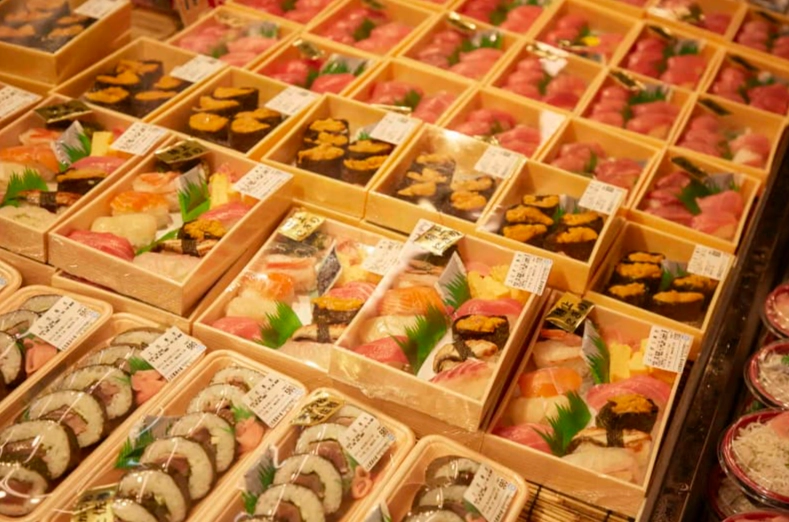
This is where Tokyo shines. You can have a world-class meal or a fantastic, cheap bite with minimal language skills.
Ramen Shops with Vending Machine Ordering: This is the ultimate hack. You select your meal on a machine (often with pictures), pay, get a ticket, and hand it to the staff. Minimal speaking required. Try Ichiran (multiple locations) for solo booths or Afuri for a lighter, yuzu-flavored broth.
Conveyor Belt Sushi (Kaiten-zushi): Just grab what you want. Plates are color-coded by price. Genki Sushi in Shibuya or Uobei have touch-screen ordering in English. A meal can be 1000-2000 JPY ($7-$14).
Izakayas (Japanese Pubs): For a more social experience, head to an izakaya in Shinjuku's Omoide Yokocho or Shimbashi. Many have picture menus. Point, smile, say "kore, onegaishimasu" (this, please). Order a beer (biiru) and some yakitori.
Where to Stay & Explore: Neighborhood Breakdown
Tokyo is a city of neighborhoods, each with its own vibe. Picking the right base makes a huge difference.
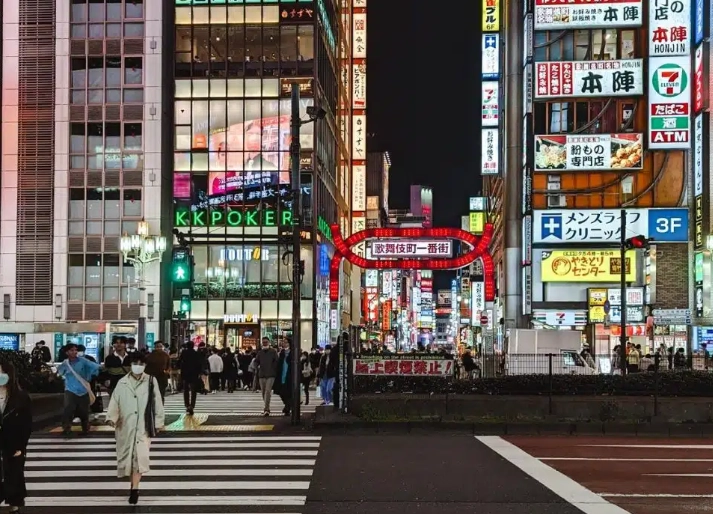
Shinjuku: Best for first-timers who want to be in the center of it all. It's a massive transport hub, so getting anywhere is easy. Has everything from skyscrapers (Tokyo Metropolitan Government Building for free views) to the chaotic nightlife of Kabukicho. Hotel Gracery Shinjuku (Godzilla Hotel) is a fun, mid-range option right in the action.
Shibuya: Youthful, trendy, and fast-paced. Famous for the Scramble Crossing, great shopping, and music bars. Stay here if you want energy. The Shibuya Excel Hotel Tokyu has rooms directly overlooking the crossing.
Ginza/Tokyo Station: More upscale, polished, and quieter at night. Excellent for luxury shopping and fine dining. Convenient for bullet train (Shinkansen) trips. The Mitsui Garden Hotel Ginza Premier offers great value for the location.
Asakusa: Offers a more traditional, old-Tokyo feel. Home to the famous Senso-ji Temple and Nakamise shopping street. It's slightly removed from the ultra-modern centers, giving a different perspective. The Gate Hotel Asakusa Kaminarimon has a stunning rooftop bar view of the temple.
Expert FAQ: Your Tokyo Concerns, Answered
So, is Tokyo friendly to American tourists? Absolutely. Its friendliness is a system—one built on safety, respect, and incredible efficiency. It asks for a little awareness in return. Learn a few phrases, master the Suica card, respect the quiet on the train, and don't walk while eating your taiyaki. Do that, and you'll find Tokyo not just friendly, but one of the most rewarding, fascinating, and welcoming cities on earth. Your adventure in this orderly, delicious, and endlessly surprising metropolis awaits.

Comments