So you're dreaming of Japan – the neon lights of Tokyo, the ancient temples of Kyoto, the incredible food. But as a traveler from the Philippines, the big question is: how much will a one-week trip to Japan actually cost? The short answer: you can do it for as low as PHP 60,000 per person if you're smart, but a comfortable mid-range experience will land you around PHP 85,000 to PHP 110,000. This isn't just a random number. I've planned trips for friends and family back home for years, and the biggest mistake I see is underestimating daily cash expenses. Let's break it down, peso by peso, so you can plan without surprises.
Your Japan Budget Roadmap
The Complete Budget Breakdown Table
First, let's get the big picture. This table is based on current average prices (2024) for a solo traveler from the Philippines. Costs are in Philippine Peso (PHP) and assume a 1 JPY = 0.38 PHP conversion rate (check XE.com for live rates). For couples or groups, accommodation and some transport costs can be shared.
| Expense Category | Budget (PHP) | Mid-Range (PHP) | Notes & Tips |
|---|---|---|---|
| Return Flight (MNL to NRT/HND) | 15,000 - 20,000 | 20,000 - 28,000 | Book 3-4 months ahead. Use promo fares from Cebu Pacific, AirAsia, or Philippine Airlines. |
| Accommodation (6 nights) | 12,000 - 18,000 | 24,000 - 36,000 | Budget: Capsule hotels/hostels. Mid-range: Business hotels (APA, Toyoko Inn) or Airbnb. |
| Local Transportation | 5,000 - 7,000 | 8,000 - 12,000 | Includes IC cards (Suica), a few Shinkansen trips, and local buses. |
| Food & Drinks | 10,500 - 14,000 | 17,500 - 24,500 | PHP 1,500-2,000 per day for budget; PHP 2,500-3,500 for mid-range. |
| Attractions & Activities | 3,000 - 5,000 | 6,000 - 10,000 | Temples, museums, observation decks. Some are free! |
| Travel Insurance | 1,000 - 1,500 | 1,500 - 2,500 | Non-negotiable. Covers medical and trip delays. |
| Sim Card / Pocket WiFi | 1,000 - 1,500 | 1,500 - 2,000 | Rent at the airport or book online via Klook. |
| Souvenirs & Miscellaneous | 3,000 - 5,000 | 7,000 - 12,000 | Don't forget pasalubong! Set a limit. |
| TOTAL (Approx.) | 50,500 - 72,000 | 85,500 - 127,500 | Per person. A realistic target is PHP 85,000 - 110,000. |
How to Find Cheap Flights from Manila to Japan
This is your biggest fixed cost. The golden rule is flexibility. If you must travel during peak season (cherry blossom in late March-April, autumn in November, or Christmas), expect to pay a premium.
I've found the sweet spot is booking about 12-16 weeks in advance for the best prices on legacy carriers. Set up price alerts on Google Flights or Skyscanner. Don't ignore the low-cost carriers (LCCs) like Cebu Pacific and AirAsia. Their base fare from Manila to Tokyo (Narita) can go as low as PHP 8,000 one-way during seat sales, but remember to add baggage and meal costs. A round-trip with 20kg luggage often ends up around PHP 18,000-22,000, which is still a great deal.
Consider flying into different cities. Osaka (KIX) sometimes has cheaper fares than Tokyo. A popular trick is an "open-jaw" itinerary: fly into Tokyo and out of Osaka, or vice versa. This saves you time and a backtracking Shinkansen ticket.
Where to Stay Without Breaking the Bank
Forget the fancy hotels. Japan excels at clean, efficient, and small accommodations.
Business Hotels Are Your Best Friend
Chains like APA Hotel, Toyoko Inn, and Dormy Inn offer rooms for PHP 3,500 - 6,000 per night. The rooms are compact (you'll learn to live out of your suitcase), but they are impeccably clean, have private bathrooms, and often include free breakfast. Location is key – staying near a major train station like Shinjuku or Ueno in Tokyo, or Namba in Osaka, saves you hours and transport money.
Capsule Hotels & Hostels
For the ultimate budget option, try a capsule hotel for the experience (PHP 1,800 - 3,000/night). They're not for everyone – it's tight and shared facilities – but it's uniquely Japanese. Hostels with private pods are also a great social and affordable choice.
Airbnb can be good for groups or longer stays, but regulations are strict. Ensure the listing has a valid license number.
Navigating Trains and Buses: The Real Cost
This is the most confusing part for first-timers. Here’s the simple version.
Get a Suica or Pasmo card immediately at the airport. This rechargeable IC card works on almost all trains, subways, and buses in major cities, and even at convenience stores. Tap in, tap out. No fumbling for change. Load it with about JPY 3,000-5,000 to start.
Is the Japan Rail Pass Worth It for a 1-Week Trip?
Probably not. The JR Pass has gotten expensive. For a 7-day ordinary pass costing around PHP 20,000+, you'd need to take a round-trip Shinkansen between Tokyo and Kyoto/Osaka just to break even. If your itinerary is just Tokyo and maybe a day trip to Hakone or Kamakura, it's a money loser. Calculate point-to-point tickets on Japan Rail Pass or Hyperdia first.
For a Tokyo-Kyoto-Osaka loop in 7 days, a 7-day JR Pass might just pay off. But you'll be rushed. My take? For a relaxed first trip, focus on one region (e.g., Kanto around Tokyo, or Kansai around Osaka/Kyoto) to minimize long-distance transport costs.
Eating Well in Japan on a Filipino Budget
You can eat like a king without a king's ransom. The secret is avoiding tourist traps in places like Shibuya Crossing.
- Lunch Specials (Teishoku): Many restaurants offer amazing set meals for lunch (JPY 800-1,200) that cost almost double at dinner. Eat your main meal at lunch.
- Convenience Stores (Konbini): 7-Eleven, FamilyMart, Lawson. These are lifesavers. Quality onigiri, sandwiches, salads, and hot snacks for JPY 200-500. Perfect for breakfast or a quick bite.
- Standing Sushi Bars & Ramen Shops: Look for small, busy local joints. A hearty bowl of ramen costs JPY 800-1,200. Conveyor belt sushi can be JPY 100-300 per plate.
- Department Store Basements (Depachika): Visit after 7 PM for discounted, high-quality prepared foods and bento boxes.
Budget JPY 2,000-3,000 per day for food, and you'll eat very well. And drink tap water – it's safe and free everywhere.
A Realistic 7-Day Japan Itinerary and Cost Breakdown
Let's follow "Juan," a Filipino traveler on a mid-range budget, focusing on the classic Tokyo-Kyoto highlights.
Day 1-4: Tokyo Arrival & Exploration
Fly into Haneda (HND). Take the Keikyu Line to Shinagawa station (JPY 300). Check into a business hotel near Shinjuku (PHP 4,500/night).
Activities: Senso-ji Temple (Free), Shibuya Crossing, Meiji Shrine (Free), Shinjuku Gyoen National Garden (JPY 500). One splurge: Tokyo Skytree observation deck (JPY 2,100).
Food: Mix of konbini breakfasts, ramen lunches, and izakaya dinners. (~JPY 2,800/day).
Local Transport: Suica card top-ups (~JPY 700/day).
Day 5: Travel to Kyoto
Take the Nozomi Shinkansen from Tokyo Station to Kyoto Station (JPY 13,320 – booked in advance). Check into a hotel near Kyoto Station (PHP 4,000/night).
Afternoon visit to Fushimi Inari Shrine (Free, open 24/7).
Day 6: Kyoto Temple Day
Buy a Kyoto City Bus Day Pass (JPY 700). Visit Kinkaku-ji (Golden Pavilion, JPY 400) and Arashiyama Bamboo Grove (Free). Evening in Gion district.
Day 7: Osaka & Departure
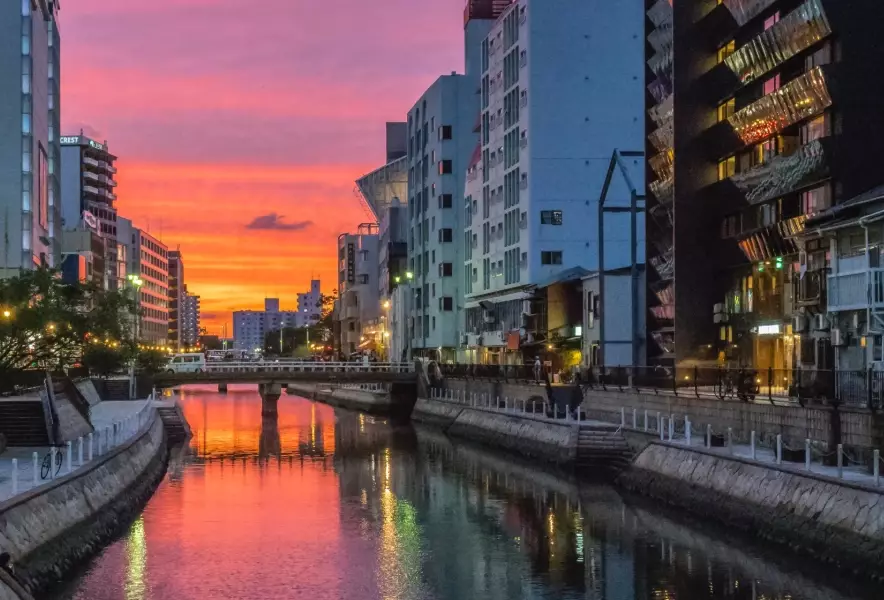
Quick train to Osaka (JPY 560). Visit Dotonbori for street food and last-minute shopping. Fly out from Kansai International Airport (KIX) in the evening.
Juan's Estimated Total (PHP): Flight (22,000) + Accommodation (30,000) + Transport (10,000) + Food (19,000) + Activities (6,000) + Insurance (2,000) + Misc (5,000) = PHP 94,000.
Your Japan Budget Questions Answered
Planning your budget is the first step to a stress-free Japanese adventure. It's not the cheapest trip from the Philippines, but with smart planning—focusing on flights, using business hotels, eating like a local, and mastering the Suica card—you can experience the magic of Japan without financial panic. Start saving, set your alerts, and get ready for an unforgettable week.

Comments