This Japan solo travel itinerary for 7 days is built from the ground up for the independent traveler. Forget generic lists. We're going deep on a Tokyo-Kyoto-Osaka loop that balances iconic sights with secret alleys, hyper-efficient transport with moments of perfect stillness, and all the logistics you actually need to know—hotel names, train times, restaurant addresses.
Your 7-Day Japan Solo Travel Roadmap
- How to Plan Your Japan Solo Travel Itinerary for 7 Days
- Days 1 & 2: Tokyo - Neon Lights & Ancient Shrines
- Days 3 & 4: Kyoto - Temples, Bamboo & Geisha Districts
- Day 5: Osaka - Street Food & Castle Views
- Days 6 & 7: Return to Tokyo & Departure
- Where to Stay: Solo Traveler Hotel Picks
- Japan Solo Travel: Your Questions Answered
How to Plan Your Japan Solo Travel Itinerary for 7 Days
First, the non-negotiable: get a Japan Rail (JR) Pass for 7 days. For this itinerary, it pays for itself after the round-trip Shinkansen (bullet train) between Tokyo and Kyoto/Osaka. Order it before you arrive in Japan. A common mistake? Trying to see too much. Hokkaido, Hiroshima, and Okinawa are for another trip. This loop is dense but doable.
Fly into and out of Tokyo's Narita (NRT) or Haneda (HND) airports. Haneda is closer. I landed at Narita at 3 PM, took the sleek N'EX (Narita Express) train directly to Shinjuku Station (about 80 minutes, covered by JR Pass), and was checked into my hotel by 6 PM. It was seamless.
Pro Tip Most Blogs Miss: Don't over-schedule mornings. Jet lag is real. Plan one key sight for the morning and leave the afternoon flexible. That flexibility led me to a tiny, life-changing tempura bar in Shinjuku I'd never have found otherwise.
Days 1 & 2: Tokyo - Neon Lights & Ancient Shrines
Day 1: Shinjuku & Shibuya Immersion
After settling in, dive into Shinjuku. Walk through the Kabukicho district (safe, just busy) to see the Godzilla head. Then, head to the Tokyo Metropolitan Government Building for a free, panoramic view of the city skyline—better than paying for Skytree on your first jet-lagged day. For dinner, navigate the tiny bars of Omoide Yokocho (Memory Lane). Try yakitori (grilled skewers). Don't be shy to point at what others are eating.
Address for the observatory: 2-8-1 Nishishinjuku, Shinjuku City. Open 9:30 AM to 11:00 PM (North Tower). Free.
Day 2: Asakusa, Akihabara & a Foodie Evening
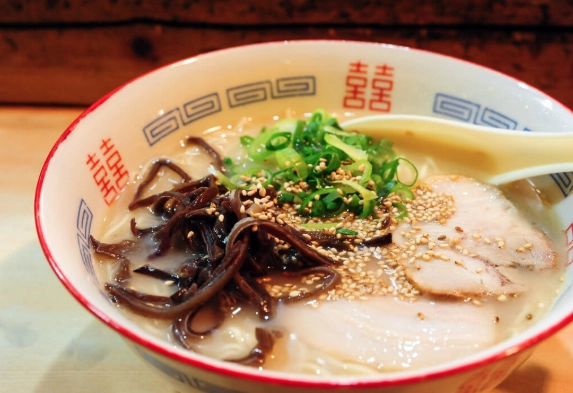
Morning at Senso-ji Temple (Tokyo's oldest). Go early, before 9 AM, to avoid the crushing crowds. The temple grounds open always, but the main hall opens at 6:00 AM. Walk down Nakamise-dori for snacks. Then, take the Ginza Line to Akihabara, the electronics and anime hub. It's a sensory overload. For lunch, find a ramen shop. Ippudo or Ichiran are chains, but consistently good for a first-timer.
Evening: Head to Ginza. It's fancy, but the window-shopping is unreal. For a real meal, duck into the basement food hall (depachika) of a department store like Mitsukoshi. It's a paradise of ready-to-eat gourmet food, perfect for a solo traveler to sample many things.
Days 3 & 4: Kyoto - Temples, Bamboo & Geisha Districts
Day 3: Travel to Kyoto & Southern Higashiyama
Take a morning Shinkansen from Tokyo Station to Kyoto Station (about 2 hours 15 minutes on the Hikari train, covered by JR Pass). Store your luggage in a station locker (¥300-700).
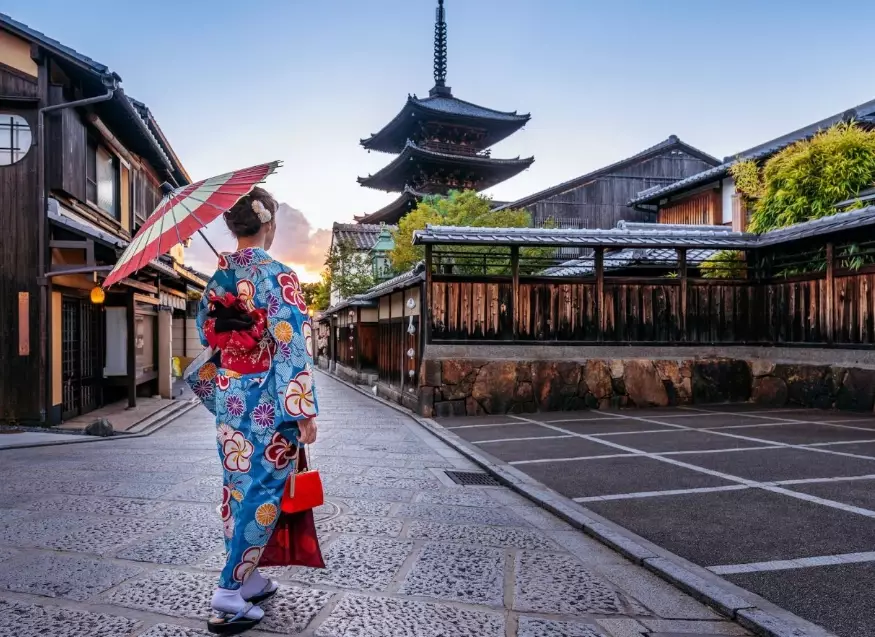
Start at Fushimi Inari Taisha. Yes, it's crowded at the base. But here's the secret: keep walking. The higher you go, the fewer people. The entire hike takes about 2-3 hours. You don't need to do it all. Just go far enough to get your own photo of the iconic torii gates. After, take the train back to Gion, Kyoto's geisha district. Wander the preserved streets like Hanami-koji at dusk. You might spot a geiko or maiko (the local terms) rushing to an appointment.
Day 4: Arashiyama & Kinkaku-ji
Go to Arashiyama Bamboo Grove as early as humanly possible. I arrived at 7:15 AM and had moments of near-solitude. By 8:30 AM, it was a parade. After the grove, visit the nearby Tenryu-ji Temple (opens at 8:30 AM, ¥500). Its garden is a masterpiece.
Afternoon: Take a bus across town to Kinkaku-ji, the Golden Pavilion (¥400). It's stunning, but it's a look-and-leave spot—very crowded, no interior access. For a more contemplative experience, I preferred Ryoan-ji and its famous rock garden, a short bus ride away.
Day 5: Osaka - Street Food & Castle Views
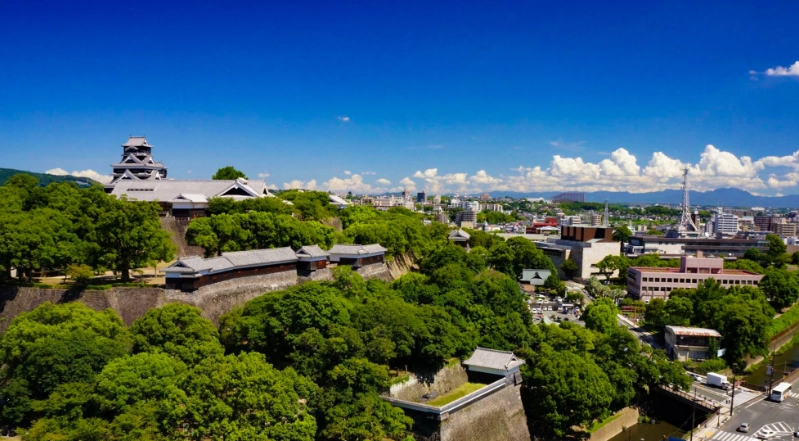
A quick 30-minute train ride from Kyoto (not covered by JR Pass, about ¥400). Drop bags in a station locker. Head straight to Osaka Castle. The park is vast and beautiful. You can pay to enter the modern museum inside (¥600), but the best view is from the outside, across the moat.
The real magic happens at Dotonbori at night. This is street food heaven. Must-tries: takoyaki (octopus balls) from Kukuru, okonomiyaki (savory pancake) at Mizuno, and anything from the long line at Ichiran Ramen. Just point and eat. Return to Kyoto to sleep—hotels are often cheaper and quieter than in Osaka.
Days 6 & 7: Return to Tokyo & Departure
Day 6: Last Tokyo Discoveries
Morning Shinkansen back to Tokyo. Use this afternoon for what you missed: maybe the teamLab Borderless digital art museum (book tickets weeks in advance), the upscale shopping of Omotesando, or a deeper dive into a neighborhood like Daikanyama. I spent my last afternoon in Ueno Park, visiting the Tokyo National Museum.
Day 7: Souvenirs & Skyline Views
Your flight is likely in the evening. Check out of your hotel, leave bags. Do some last-minute shopping for souvenirs at Don Quijote (the multi-story discount chain has everything) or for high-quality treats at Tokyo Station's Character Street and Gransta area. For a final view, consider the Shinjuku Gyoen National Garden if it's sunny, or the observation deck at Shibuya Sky (book ahead) for a 360-degree farewell. Then, head to the airport via Narita Express or Keisei Skyliner.
Where to Stay: Solo Traveler Hotel Picks
Location is everything. You want to be near a major train station. Here are specific, vetted options across budgets. I've stayed in the mid-range ones personally.
| City | Hotel / Accommodation | Why It's Good for Solo Travel | Approx. Price/Night | Nearest Station |
|---|---|---|---|---|
| Tokyo | The Millennials Shibuya | Pod-style hotel with amazing social lounge, free happy hour. Perfect for meeting people. Pods are private and high-tech. | ¥8,000 - ¥12,000 | Shibuya |
| Tokyo | Hotel Gracery Shinjuku | Right in Kabukicho, Godzilla on the roof! Modern rooms, excellent location for exploring. More traditional hotel feel. | ¥12,000 - ¥18,000 | Shinjuku |
| Kyoto | Piece Hostel Sanjo | Consistently rated one of the world's best hostels. Private rooms available. Spotless, great kitchen, and social but not a party place. | ¥4,000 (dorm) - ¥12,000 (private) | Sanjo Keihan / Kyoto Shiyakusho-mae |
| Kyoto | Hotel The M's Kyoto | Directly above Shijo Station. Compact but efficient rooms. Fantastic public baths (onsen) on the top floor after a long day of walking. | ¥9,000 - ¥14,000 | Shijo (Keihan Line) |
Japan Solo Travel: Your Questions Answered
Is Japan safe for solo female travelers?
Japan is one of the safest countries I've traveled in alone. Crime rates are extremely low. That said, standard precautions apply. In crowded trains, be aware (rare groping incidents happen). Women-only train cars are available during rush hours. I felt comfortable walking alone at night in well-lit areas like Shinjuku and Gion. Hotels and hostels are very secure.
How much cash do I need for a 7-day Japan solo travel itinerary?
More than you think. While credit cards are accepted in hotels and department stores, most small restaurants, street food stalls, temples (for entry fees), and local shops are cash-only. I withdrew ¥50,000 (about $350) at the airport ATM and needed a top-up mid-week. Budget around ¥5,000-¥8,000 per day for food, local transport (non-JR), and temple entries, on top of your pre-paid accommodation and JR Pass.
What's the biggest mistake solo travelers make with their Japan itinerary?
Overpacking their schedule down to the minute. Japan's beauty is often in the unexpected—a quiet garden you stumble upon, a conversation in a tiny bar. Building in buffer time is crucial for dealing with train navigation, long lines at popular spots, or just fatigue. My rule: one major area or two key sights per half-day. Anything more is a recipe for stress, not enjoyment.
Can I get by with just English in Japan?
Yes, for the practicalities of travel. Train signs are in English and Japanese. Menus often have pictures or plastic food models outside. People in service industries are polite and will try to help, though deep conversation is rare. Learn a few key phrases: "Arigatou gozaimasu" (Thank you), "Sumimasen" (Excuse me/Sorry), and "Eigo no menyu arimasu ka?" (Do you have an English menu?). A translation app on your phone is invaluable for complex situations.
This Japan solo travel itinerary for 7 days is a blueprint, not a cage. Use the structure for the logistics—the hotels, the train passes, the opening hours. Then fill it with your own curiosity. Get lost in a department store basement. Sit in a temple garden for an hour. Order the thing you can't pronounce. That's where the real trip happens.
Comments