Figuring out Japan's visa rules feels like deciphering a code sometimes. I remember helping a friend plan a trip, and we spent hours cross-referencing confusing embassy pages. The short answer? It completely depends on your passport. For some, it's a breeze – just book your flight. For others, it's a meticulous paperwork process. This guide cuts through the noise. We'll look at exactly who can enter visa-free, who needs to apply, the different types of visas, and I'll share some hard-won tips to avoid the common pitfalls that can delay or derail your application.
Your Quick Guide to Japan's Visa Rules
The Lucky List: Visa-Free & Visa-Waiver Countries
If you hold a passport from one of about 70 countries and regions, you're in luck for short-term visits. You don't need to apply for a visa in advance. You'll receive a temporary visitor status on arrival, which is typically a stamp or sticker in your passport.
But here's the crucial detail everyone glosses over: "visa-free" isn't a universal 90-day stay. The permitted duration varies. This is where people get tripped up.
| Passport From | Permitted Stay (for tourism/business) | Key Condition |
|---|---|---|
| United States, Canada, UK, Australia, EU member states, South Korea, Singapore | 90 days | Passport must be valid for the entire stay. |
| United Arab Emirates | 30 days | Requires an ordinary passport. |
| Thailand, Malaysia, Brazil | 90 days | Visa exemption is for tourism only, not paid work. |
| Indonesia, Philippines | 15 days | Strictly for tourism; requires a return/onward ticket. |
You must have a valid passport and a return or onward ticket. Immigration officers have the discretion to ask about your itinerary and proof of funds, though they often don't. I always recommend having a printed hotel confirmation and bank statement handy, just in case. It's never been asked of me, but I've seen others get flustered.
Important: "Visa-free" does NOT mean you can work. Engaging in any paid activity requires the appropriate work visa, regardless of your nationality. The temporary visitor status is strictly for tourism, short business meetings, conferences, or visiting family/friends.
Who Definitely Needs a Visa for Japan?
If your country isn't on the visa-waiver list, you must obtain a visa before traveling. This includes citizens of many nations across Asia, Africa, the Middle East, and some in Eastern Europe. The most common scenario is applying for a temporary visitor visa (tourist visa).
Let's get specific. If you hold a passport from China, India, Russia, Vietnam, or Sri Lanka, you need a visa for tourism. There's no way around it. The process is managed through Japanese embassies or consulates in your country, and they often outsource the application collection to designated visa application agencies like VFS Global.
A common misconception is that having a US or Schengen visa guarantees entry to Japan. It doesn't. While it might strengthen your application by showing travel history, it does not replace the Japanese visa requirement. Your application is judged on its own merits against Japan's specific rules.
Japan Visa Types Explained: Tourist, Business, and More
"Japan visa" is an umbrella term. The type you need depends entirely on your purpose of visit. Applying for the wrong one is a fast track to rejection.
1. Temporary Visitor Visa (Tourist Visa)
This is the one most people seek. It's usually single-entry and valid for 90 days from issue, allowing a stay of 15, 30, or 90 days upon entry (the duration is decided by the consulate). Requirements are standard: application form, photo, passport, itinerary, proof of financial means (bank statements), and hotel/flight bookings. For some nationalities, it's remarkably straightforward; for others, the financial proof requirements are stringent.
2. Business Visa
For meetings, signing contracts, or market research. You'll need a letter of invitation from the Japanese company you're visiting and a letter of guarantee. This is different from engaging in revenue-generating work, which requires a work visa.
3. Work Visas (Engineer/Specialist in Humanities, Instructor, etc.)
A complex category. Your future employer in Japan must first obtain a Certificate of Eligibility (COE) from the Immigration Services Agency of Japan. Only with this COE can you apply for the visa at your local consulate. This process takes months.
4. Student Visa
Similar to the work visa path, your Japanese school or university secures a COE for you first.
5. Spouse or Dependent Visa
For those joining a family member who is a Japanese national or a long-term resident in Japan.
A Critical Point Most Guides Miss: The validity of your visa and the duration of stay granted at immigration are two different things. A tourist visa might be valid for 3 months, but the immigration officer at Narita Airport may only stamp a permission to stay for 15 days. Always check the stamp or sticker placed in your passport upon entry—that's your legal allowed stay period.
The Step-by-Step Visa Application Process
Let's walk through applying for a tourist visa, assuming you're from a country that requires one. I'll use a hypothetical scenario: Ravi, an Indian passport holder, planning a 2-week holiday to Tokyo and Kyoto.
Step 1: Determine Your Jurisdiction. Find the Japanese embassy or consulate responsible for your state or region. Their website is your bible. Rules can vary slightly between consulates.
Step 2: Gather the Core Documents. This is where precision matters.
- Visa Application Form: Download the latest version from the consulate's site. Type it, don't handwrite it if possible. Inconsistencies with other documents are a red flag.
- Photo: 45mm x 45mm, white background, taken within the last 6 months. Glue it, don't staple it.
- Passport: Must have at least two blank pages and be valid for the duration of your stay.
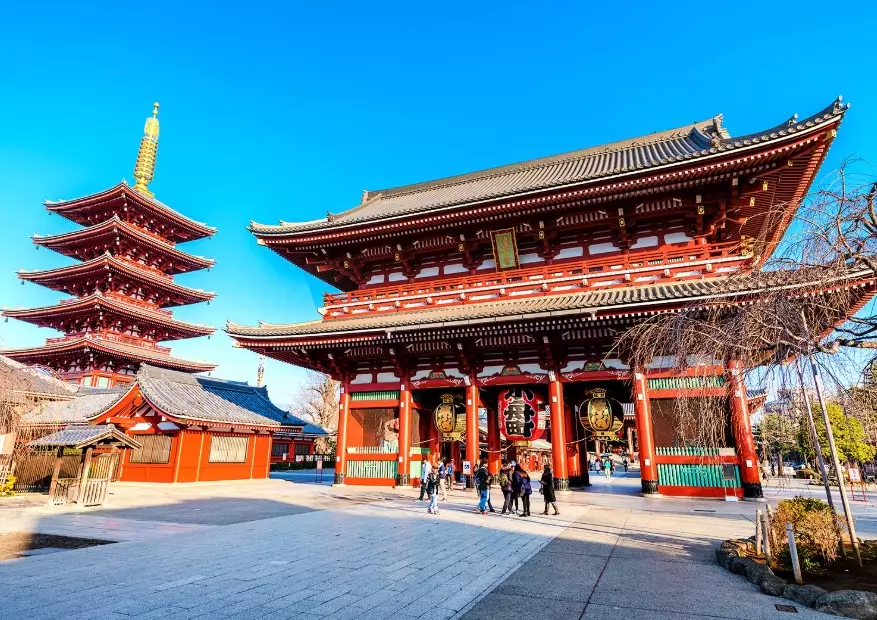
- Detailed Day-by-Day Itinerary: Use a table. Include dates, cities, flight numbers, hotel names and addresses, and activities. "Day 3: Tokyo. Visit Senso-ji Temple" is better than "Sightseeing."
- Air Ticket Reservation: A booked return ticket. Don't buy fully flexible tickets until the visa is approved, but a confirmed reservation is usually needed.
- Hotel Confirmations: For every night of your stay. Book refundable rates.
Step 3: The Financial Proof (The Make-or-Break). This is the most scrutinized part.
- Bank Statements: Typically the last 3-6 months. The balance should show you can comfortably afford the trip. There's no fixed number, but a sudden large deposit right before applying looks suspicious. The funds should reflect your regular income and savings pattern.
- Income Tax Returns: Often required (e.g., the last 2-3 years' ITR forms in India).
- Employment Letter: Stating your position, salary, and approved leave dates.
Step 4: Submission. You usually cannot apply directly to the embassy. You must go through an authorized visa application agency. Book an appointment, submit your file, and pay the fee (often nominal, around $20-30 USD).
Step 5: Processing & Collection. Standard processing is about 5 working days, but can take longer. Do not plan any non-refundable parts of your trip until that passport is back in your hand with the visa sticker.
Ravi's mistake to avoid? He initially only provided a 1-month bank statement with a recent large deposit from his parents. We went back and got 6 months of statements plus his salary slips and ITRs to show consistent employment, which led to approval.
Your Japan Visa Questions, Answered
The bottom line is this: Japan's visa system is logical but strict. Start early, follow your consulate's checklist to the letter, and ensure your documents tell a clear, consistent story of a genuine temporary visitor with the means to support themselves. When in doubt, over-prepare. A little extra effort with that itinerary or bank statement can be the difference between a stamp of approval and a disappointing rejection letter.




Comments