Putting together a Japan itinerary for 12 days feels like trying to solve a delicious but complex puzzle. You've got ancient temples, futuristic cities, serene mountains, and food that'll change your life, all competing for space. The classic mistake? Trying to cram in too much and spending half your vacation on trains. After multiple trips, I've refined a 12-day loop that hits the iconic spots without the burnout, balancing structure with flexibility. Let's get straight into it.
Your 12-Day Japan Journey at a Glance
The Classic "Golden Route" Overview
This itinerary follows the popular Golden Route—Tokyo, Hakone/Mt. Fuji, Kyoto, Osaka, with a day trip to Nara. It's popular for a reason: it delivers a phenomenal first-timer experience. We'll start in Tokyo for urban energy, then move to a scenic onsen town, dive into traditional culture in Kyoto, and end in vibrant Osaka. The key is pacing.
Pro Tip from a Local Guide: Most blogs tell you to activate a 7-day Japan Rail Pass for this route. That's often a waste. For this specific 12-day itinerary, a 7-day pass activated on Day 4 (when you leave Tokyo for Hakone/Kyoto) can work, but do the math. With the recent price hikes, individual Shinkansen tickets from Tokyo to Kyoto and back might be cheaper. Always check fares on the official JR East and JR West websites before committing.
Detailed Day-by-Day Breakdown
Days 1-4: Tokyo – The Neon Metropolis
Fly into Narita (NRT) or Haneda (HND). Haneda is closer. Take the Narita Express (N'EX) or Keisei Skyliner to the city, or a limousine bus. Get a Suica/Pasmo card immediately.
Day 1: Shinjuku & Shibuya. After settling in, head to Shinjuku. Visit the Tokyo Metropolitan Government Building (free observatory). Get lost in the alleyways of Omoide Yokocho for skewers. In the evening, experience the Shibuya Scramble Crossing. Dinner at one of the ramen joints in the area.
Day 2: Asakusa & Ueno. Start early at Senso-ji Temple (Asakusa Kannon Temple) to beat crowds. Address: 2 Chome-3-1 Asakusa, Taito City. Free to enter, open 6:00-17:00. Nakamise-dori street is great for snacks. Walk to Ueno Park, home to several museums. The Tokyo National Museum (¥1000, 9:30-17:00) is stellar. Evening in Akihabara for anime/tech fans.
Day 3: Harajuku & Omotesando. Morning in Meiji Jingu shrine (free, opens at sunrise). Then dive into Takeshita Street for quirky fashion and crepes. Afternoon, stroll down Omotesando for architecture and high-end shopping. Consider a short train to Shimokitazawa for vintage shops and a less touristy vibe.
Day 4: TeamLab & Odaiba. Book a morning ticket for teamLab Planets TOKYO in Toyosu. Address: 6 Chome-1-16 Toyosu, Koto City. Tickets: ¥3800-¥4200, book weeks ahead. Opens at 9:00. Afterwards, take the Yurikamome line to Odaiba for futuristic sights like the Gundam statue and Rainbow Bridge views.
Days 5-6: Hakone – Fuji Views & Onsen
Take the Odakyu Romancecar from Shinjuku Station to Hakone-Yumoto (about 85 mins). Buy the Hakone Free Pass (from Shinjuku) – it covers transport and offers discounts.
Day 5: The Hakone Loop. Do the classic circuit: Hakone-Yumoto → Lake Ashi cruise (pirate ship!) → Hakone Ropeway up to Owakudani (boiling valley with black eggs) → Cable car down to Gora. Stay in a ryokan (traditional inn) with a private onsen. Gora Hanaougi or Hakone Yutowa are excellent mid-range choices. Expect ¥30,000-¥50,000 per person with kaiseki dinner and breakfast.
Day 6: Relax & Travel to Kyoto. Enjoy a leisurely morning, maybe visit the Hakone Open-Air Museum. In the afternoon, take a train to Kyoto (about 2.5-3 hours via Odawara Station and Shinkansen).
Days 7-9: Kyoto – Temples & Tradition
Kyoto's sights are spread out. Get a bus/subway day pass.
Day 7: Arashiyama. Go early, by 7:30 AM, to the Arashiyama Bamboo Grove. It's magical before the crowds. Then visit Tenryu-ji Temple (¥500, 8:30-17:30). Walk through the scenic district, maybe see the monkeys at Iwatayama. Afternoon, explore Gion. You might spot a geiko or maiko in the evening.
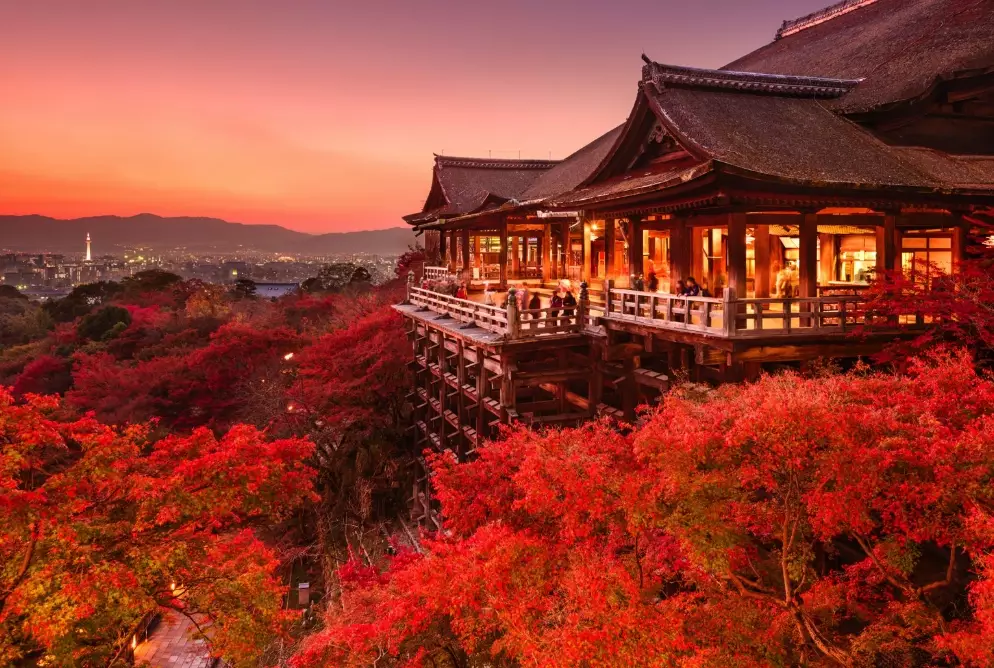
Day 8: Higashiyama. The historic heart. Start at Kiyomizu-dera (¥400, 6:00-18:00). Walk down Sannenzaka and Ninenzaka preserved streets to Yasaka Pagoda. Continue to Maruyama Park, then to Fushimi Inari Taisha. Go late afternoon—most tour groups are leaving. The torii gates are stunning in the late light. The shrine is free, open 24/7.
Day 9: Philosopher's Path & Downtown. Morning stroll along the Philosopher's Path (best in cherry blossom season). Visit Ginkaku-ji (Silver Pavilion, ¥500). Afternoon in downtown Kyoto: Nishiki Market for food samples, then explore Pontocho Alley and Kiyamachi Street along the river.
Days 10-11: Osaka – Food & Castle
It's a quick 30-minute train from Kyoto to Osaka. Drop bags at your hotel.
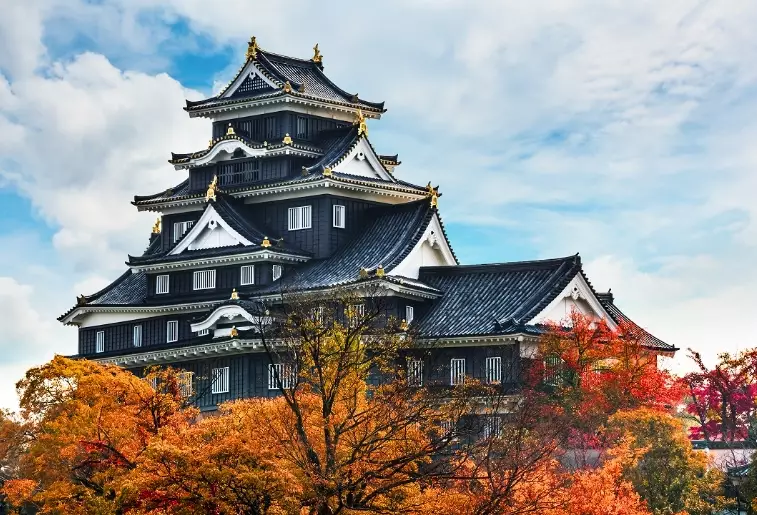
Day 10: Osaka Castle & Dotonbori. Osaka Castle (¥600, 9:00-17:00) is impressive from the outside; the museum inside is okay. The surrounding park is lovely. Spend the rest of the day in Shinsekai and then the epicenter of street food: Dotonbori. Must-tries: takoyaki from Kukuru, okonomiyaki from Mizuno, and ramen from Ichiran (it's a chain, but reliably good). Just point and eat.
Day 11: Day Trip to Nara. 45-minute train from Osaka. Feed the (sometimes pushy) deer in Nara Park. Visit the colossal Todai-ji Temple (¥600, 7:30-17:30) housing the Great Buddha. Kasuga Taisha Shrine is also beautiful. Return to Osaka for a final night feast.
Day 12: Departure
Last-minute shopping in Shinsaibashi or Umeda. Take the Haruka express train from Shin-Osaka Station to Kansai International Airport (KIX) for your flight home.
Essential Japan Travel Logistics
| Item | Details & Recommendations |
|---|---|
| Budget (Mid-Range) | ¥15,000-¥25,000 per person per day (excluding flights). Covers decent hotels, local meals, transport, and entry fees. |
| Best Time to Go | Spring (late March-April) for cherry blossoms (busy!). Autumn (October-November) for fall colors. Shoulder seasons (May, Sept) offer good weather and fewer crowds. |
| Getting Around | Suica/Pasmo IC cards are indispensable for trains/buses in cities. For intercity, compare JR Pass vs. individual tickets. Use Hyperdia or Japan Travel by Navitime apps. |
| Internet | Rent a pocket Wi-Fi (e.g., Ninja WiFi) or buy a SIM card (e.g., Sakura Mobile). Pick up at the airport. |
| Cash vs Card | Carry cash. Many small restaurants, temples, and markets are cash-only. 7-Eleven ATMs accept foreign cards. |
Where to Stay: Accommodation Picks
Location is everything. Here are specific, tested recommendations.
Tokyo (Shinjuku/Shibuya): Hotel Gracery Shinjuku (for Godzilla fans, mid-range). Shibuya Excel Hotel Tokyu (connected to the station, great views). For a quieter, more local feel, Mitsui Garden Hotel Jingugaien near Sendagaya.
Kyoto (Near Kyoto Station/Gion): Hotel Granvia Kyoto (right atop the station, luxurious convenience). For a more traditional feel in Gion, Gion Hatanaka (ryokan with kaiseki meals). A great budget-friendly option is The Millennials Kyoto (capsule-style with smart pods).
Osaka (Namba/Umeda): Stay in Namba for food and nightlife. Cross Hotel Osaka (excellent location near Dotonbori). Hotel Monterey Grasmere Osaka (good value, connected to Nankai Namba Station for airport access).
Must-Try Food & Dining Spots
Don't just eat; have culinary missions.
Tokyo: Sushi. For a mind-blowing, budget-friendly lunch, queue at Sushi Dai in Toyosu Market (expect a 2-3 hour wait, opens 5:30 AM). Or, try Uogashi Nihon-Ichi (standing sushi bar) in Shibuya for fresh, fast, and cheap.
Kyoto: Kaiseki & Soba. Splurge on one kaiseki dinner. Kikunoi (3 Michelin stars) is legendary. For excellent soba, try Honke Owariya, a 500-year-old shop near the Imperial Palace.
Osaka: Everything Street Food. In Dotonbori, Kukuru for takoyaki, Creo-Ru for kushikatsu (deep-fried skewers). For a more local, less crowded experience, head to Kuromon Ichiba Market.
A specific hack: Department store basements (depachika) like Isetan or Takashimaya are food heavens for high-quality bento, sweets, and samples, perfect for a picnic.

Comments