Let's cut to the chase. If you're an American planning a trip to Japan and wondering about safety, the short answer is a resounding yes. Japan consistently ranks as one of the safest countries in the world for travelers. But that broad-stroke answer doesn't help you plan. Your real question isn't just about crime stats—it's about navigating health protocols, understanding cultural nuances, and knowing what to do if something goes wrong. Having spent years traveling in and out of Japan, including recent trips, I can tell you that safety there is multi-layered. It's not just low theft rates; it's a society built on order, respect, and efficiency. This guide dives into what "safe" actually means for an American visitor right now, covering everything from official advisories to the stuff you only learn from experience.
In This Article: Your Safety Roadmap
What's the Current Safety Overview?
First, check the official sources. The U.S. Department of State gives Japan a Level 1: Exercise Normal Precautions advisory, its lowest tier. That's the same level as Canada or the UK. The Centers for Disease Control and Prevention (CDC) has no COVID-19 travel health notice for Japan. So, bureaucratically, you're in the clear.
On the ground, the feeling of safety is palpable. Violent crime against tourists is exceedingly rare. You can walk in most city neighborhoods at night, and leaving a bag unattended at a cafe is more likely to result in a staff member safeguarding it than it being stolen. Petty theft like pickpocketing happens, but it's far less common than in major European or American cities. The biggest risks you'll face are logistical and environmental, not criminal.
Key Takeaway: The official green light matches the on-the-ground reality. Japan's safety for travelers is rooted in social cohesion and respect for rules, not just policing.
How to Stay Healthy & Safe: Practicalities
Post-pandemic, health safety is a top concern. Japan's healthcare system is excellent but can be a maze for foreigners.
Accessing Medical Care
Hospitals (byōin) and clinics (shinryōjo) are top-notch. The hurdle is language and payment. Major cities have hospitals with English-speaking staff, like Tokyo Medical and Surgical Clinic or the International Clinic in Hiroo. Don't expect every neighborhood clinic to have an English speaker. Always carry your passport and insurance details.
A common mistake tourists make is going straight to a large hospital emergency room for a minor issue. You'll wait for hours. For non-emergencies, find an internal medicine or general practice clinic. They're faster and cheaper.
Pharmacies & Medications
Japanese pharmacies (yakkyoku or drug store) are well-stocked, but many common American over-the-counter drugs have different active ingredients or are unavailable. For example, pseudoephedrine-based decongestants are prohibited.
Bring a sufficient supply of any prescription medication in its original container, along with a copy of the prescription. Melatonin, while available in some specialized stores, is not widely sold as a sleep aid. If you rely on it, bring your own.
Food & Water Safety
Tap water is safe to drink everywhere. Food hygiene standards are exceptionally high. The risk of "traveler's diarrhea" from street food is lower than in many Asian countries, but it can still happen due to unfamiliar ingredients or oils. Yakitori stalls and festival food are generally safe bets. My personal rule: if there's a line of locals, it's good.
Watch Out For: Raw egg on rice (tamago kake gohan) or as a dip for sukiyaki. While Japanese eggs have stringent safety controls, if you have a compromised immune system, it's a risk. Also, some regional delicacies like fugu (pufferfish) must be prepared by licensed chefs—never try to source it yourself.
Navigating Cultural & Situational Safety
Safety isn't just physical; it's about avoiding major social faux pas that can lead to stressful situations.
Natural Disaster Preparedness
Japan experiences earthquakes, typhoons, and tsunamis. This isn't a reason to cancel your trip, but it's a reason to be prepared. When you check into your accommodation, locate the emergency exits and read the safety instructions (usually in a folder in the room). Download the NHK World Japan app or enable emergency alerts on your phone for real-time warnings in English.
If you feel an earthquake: Drop, Cover, and Hold On. Get under a sturdy table. Don't run outside. Most tremors are minor and over quickly. The building codes are designed for this.
Etiquette That Prevents Trouble
- On Public Transport: Don't talk loudly on the phone. It's considered rude. Keep conversations hushed. Priority seats are for the elderly, pregnant, and disabled—avoid them if you can.
- Money Handling: Use the trays provided at cash registers. Handing cash or a credit card directly to a cashier is less common. This isn't a safety issue per se, but doing it wrong marks you as oblivious.
- Onsens & Public Baths: Wash thoroughly before entering the bath. No swimsuits. Tattoos can still be problematic at many public onsens, as they're associated with organized crime. Look for "tattoo-friendly" (irezumi ōk) or use private baths at your hotel.
What Does Your Travel Insurance Really Need?
Don't skimp. Medical evacuation from Japan is astronomically expensive. Your credit card's built-in insurance is often insufficient. Look for a policy that explicitly covers:
| Coverage Type | Why It's Critical for Japan | Minimum Recommended |
|---|---|---|
| Medical Expenses | High-quality care means high costs. A simple hospital visit can easily exceed $1,000. | $100,000 |
| Medical Evacuation/Repatriation | If you need a specialized medevac flight home, costs soar into six figures. | $250,000 |
| Trip Cancellation/Interruption | Covers non-refundable costs if you fall ill before or during the trip. | 100% of trip cost |
| Natural Disaster Coverage | Specifically covers extra costs if a typhoon or earthquake disrupts your travel plans. | Included |
Read the fine print on "adventure activities." If you plan on skiing in Hokkaido or hiking in the Japanese Alps, ensure your policy covers it.
Planning a Safe & Realistic Itinerary
A safe trip is a well-planned trip. Overloading your schedule leads to exhaustion and poor judgment.
Accommodation Choices
Staying in a central, well-lit area is worth the extra cost. For a first-time visitor, neighborhoods like Shinjuku, Shibuya, or Ginza in Tokyo, or Umeda or Namba in Osaka, offer easy transit access and plenty of evening foot traffic. Business hotels like APA or Dormy Inn are clean, safe, and functional. Ryokans offer incredible cultural immersion, but be prepared for strict rules—read reviews carefully.
Getting Around Safely
Public transportation is safe, punctual, and clean. Taxis are safe but expensive. A little-known tip: late-night trains can get very crowded with commuters, and isolated incidents of groping (chikan) do occur on packed carriages. Women-only cars are available during rush hours on many lines—look for pink signs on the platform. Using them is a smart precaution.
For navigation, Google Maps is incredibly accurate for train schedules. Have a portable Wi-Fi hotspot or a local SIM card. Being lost and unable to communicate is a primary source of traveler anxiety.
A Sample 3-Day Safe Tokyo Core
Instead of a frantic checklist, here's a paced approach:
- Day 1 (Central Classics): Start at the Shibuya Crossing (free), visit Meiji Jingu Shrine (free), then explore Harajuku's Takeshita Street. Evening in Shinjuku, dining under the lights of Omoide Yokocho. All areas are busy and well-patrolled.
- Day 2 (Historical & Modern): Asakusa for Senso-ji Temple (free, open 6:00-17:00). Take the Sumida River boat to Hama-rikyu Gardens (300 yen). Afternoon in upscale Ginza. This mix avoids late-night travel to remote areas.
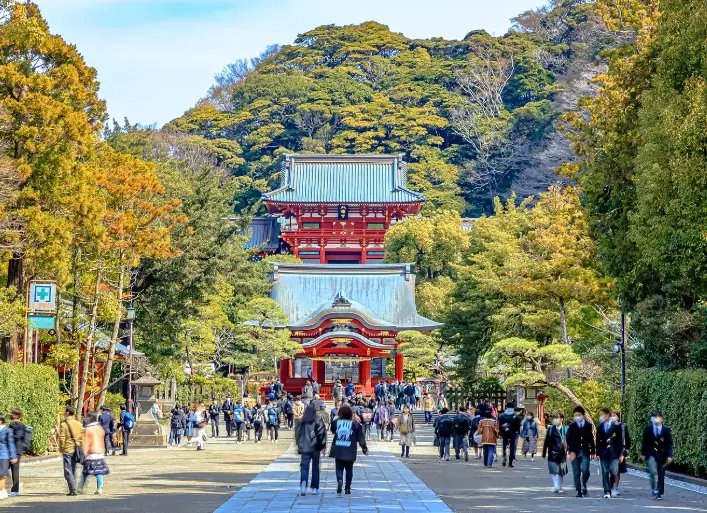
- Day 3 (Flex Day): Choose one: a day trip to Kamakura (great for temples and a relaxed vibe) or a deep dive into a museum like the Ghibli Museum (requires advance tickets). Building in a flexible, lower-intensity day prevents burnout.

Comments