Let's be honest. When most people plan a trip to Japan, Kanazawa isn't the first city that comes to mind. It's often overshadowed by Tokyo's neon buzz or Kyoto's temple overload. But that's the whole point. Kanazawa offers a different rhythm—a slower, more refined pace where traditional crafts aren't just museum displays but a living, breathing part of the city. I've lost count of how many times I've wandered its streets, and each time I find a new quiet lane, a hidden teahouse, or a view of Kenrokuen Garden that feels entirely my own. Forget the checklist mentality. Here’s how to actually experience Kanazawa, not just tick it off.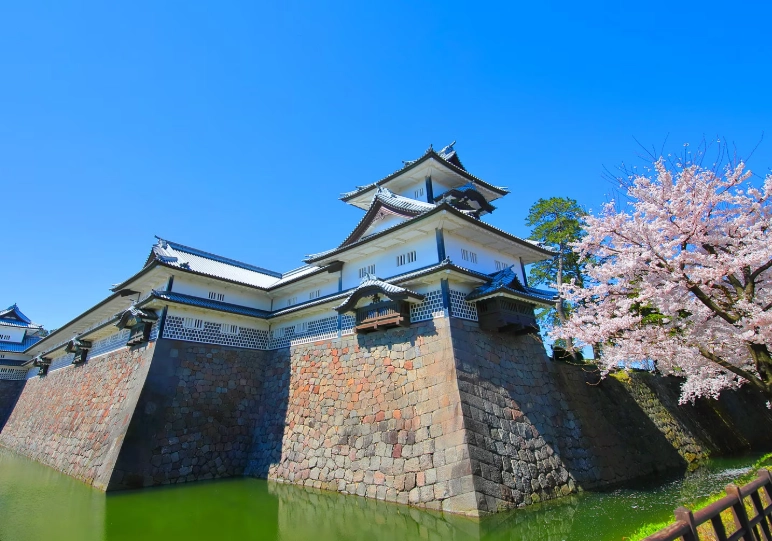
Your Quick Jump to Kanazawa's Highlights
The Unmissable Core: Kanazawa's Famous Landmarks
Okay, you have to see these. They're famous for a reason. But I'll show you how to see them right.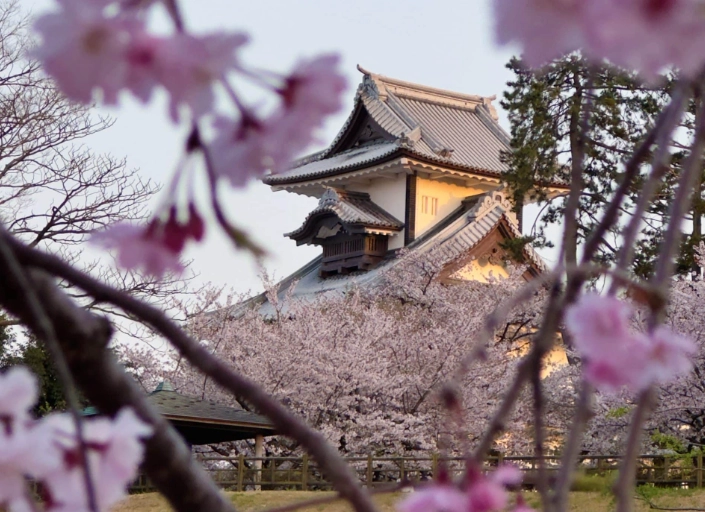
Kenrokuen Garden: More Than a Pretty Picture
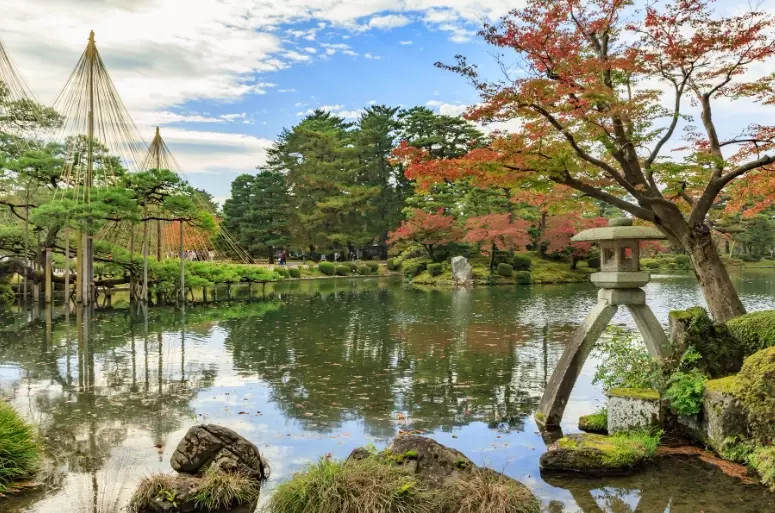
Kenrokuen Garden is consistently ranked as one of Japan's top three gardens. The name means "Garden of the Six Sublimities" (spaciousness, seclusion, artifice, antiquity, water, and panoramas). It's stunning in any season—cherry blossoms in spring, lush green in summer, fiery maples in autumn, and the iconic yukitsuri (rope structures) protecting pine trees from snow in winter.
Kenrokuen Garden: The Essentials
Address: 1 Kenrokumachi, Kanazawa, Ishikawa 920-0936.
Hours: 7:00 AM - 6:00 PM (Mar-Oct), 8:00 AM - 5:00 PM (Nov-Feb). Hours extend for special illuminations.
Admission: 320 yen for adults. A combined ticket with Kanazawa Castle Park is 500 yen.
Getting There: A 20-25 minute walk from Kanazawa Station, or take the Kanazawa Loop Bus (Right Loop) to "Kenrokuen-shita" stop.
Most visitors follow the main path in a loop and leave. Big mistake. The garden's magic is in its details and quiet corners. Instead of heading straight for the famous Kotojitoro Lantern (the two-legged one by the water), take the smaller path uphill first. You'll get a panoramic view most people miss. Visit right at opening or about 90 minutes before closing to avoid the midday tour groups. In my experience, a rainy morning here is almost better than a sunny one—the colors are deeper, the moss glows, and you'll have the place nearly to yourself.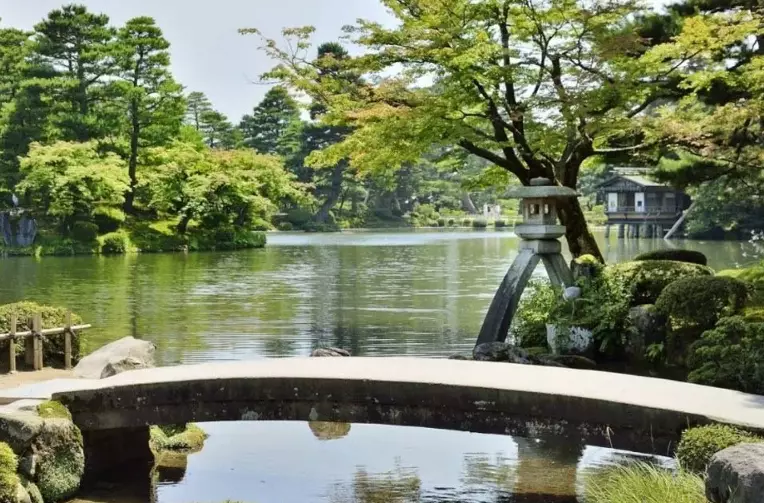
Kanazawa Castle Park & The 21st Century Museum
Right next to Kenrokuen, Kanazawa Castle Park is the restored seat of the powerful Maeda clan. The main keep is gone, but the imposing Ishikawa-mon Gate and the meticulously reconstructed Hishi Yagura turret and Gojikken Nagaya warehouse are impressive. Admission to the park grounds is free; it costs 320 yen to enter the reconstructed buildings. It's a great place for a stroll and offers fantastic photo angles of the castle walls with Kenrokuen in the background.
A five-minute walk away is the 21st Century Museum of Contemporary Art. Its circular, glass-walled design is a statement in itself. The museum's most famous piece is Leandro Erlich's Swimming Pool, where you can stand "underwater" while people look down at you from above. You need a timed ticket for this installation (360 yen), but the museum's free circulation area is worth exploring too. Check their official website for current exhibitions.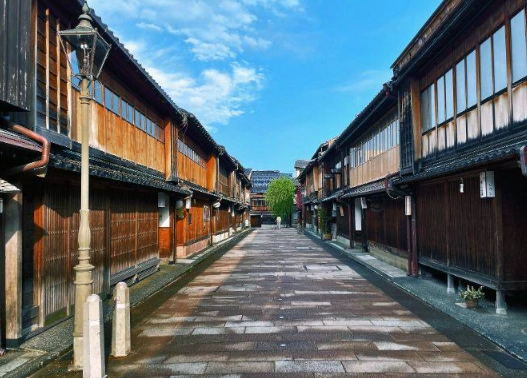
Beyond the Brochure: Local Gems & Cultural Deep Dives
This is where Kanazawa gets really interesting. Step away from the main tourist circuit.
Nagamachi Samurai District & The Ninja Temple
The Nagamachi Samurai District, with its earthen walls, narrow canals, and stone-paved paths, feels frozen in time. The Nomura-ke Samurai House (550 yen) is the star attraction, showcasing the lifestyle of a high-ranking samurai family with a beautiful interior garden. But just wandering the lanes is the real joy. Few people venture down the smaller alleys behind the main street. Do it. You'll find quiet corners where the only sound is water flowing in the canals.
Now, for a true hidden gem that most day-trippers skip: Myoryuji Temple, commonly called the "Ninja Temple" (500 yen, reservation mandatory). Despite the nickname, it wasn't for ninjas but was built by the Maeda lords as a secret defensive outpost. The 60-minute guided tour (Japanese with English pamphlet) takes you through a labyrinth of hidden rooms, trap doors, trick staircases, and escape routes. It's fascinating and feels like a real-life puzzle box. Book well in advance via phone or through your hotel.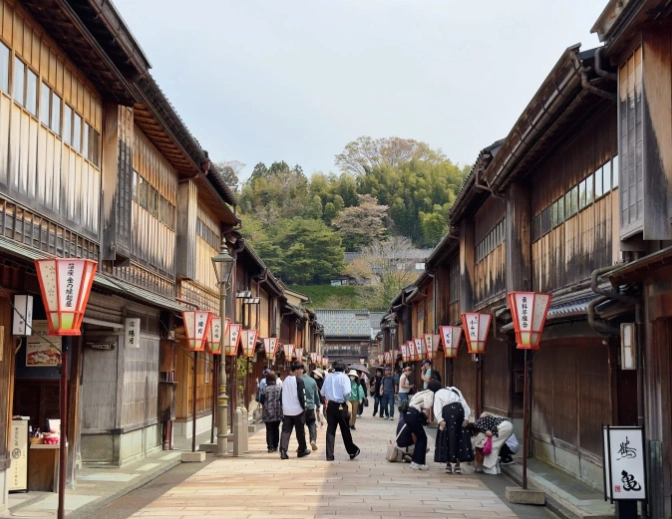
Higashi Chaya District: Skip the Main Street
Higashi Chaya is the largest and most famous of Kanazawa's geisha entertainment districts. The main street, with its iconic lattice-fronted wooden teahouses (chaya), is beautiful but can be packed. Everyone goes into Shima Teahouse (500 yen) for a glimpse of the geisha reception rooms. It's worth it, but then get off the main drag.
Local Tip: Turn onto any of the perpendicular side streets. You'll find smaller shops selling gold leaf products (Kanazawa produces 99% of Japan's gold leaf), quieter cafes, and workshops where you can see craftspeople at work. The atmosphere is completely different just one block away.
Hands-On Kanazawa: Crafts, Food & Evening Explorations
Kanazawa is a city to engage with, not just observe.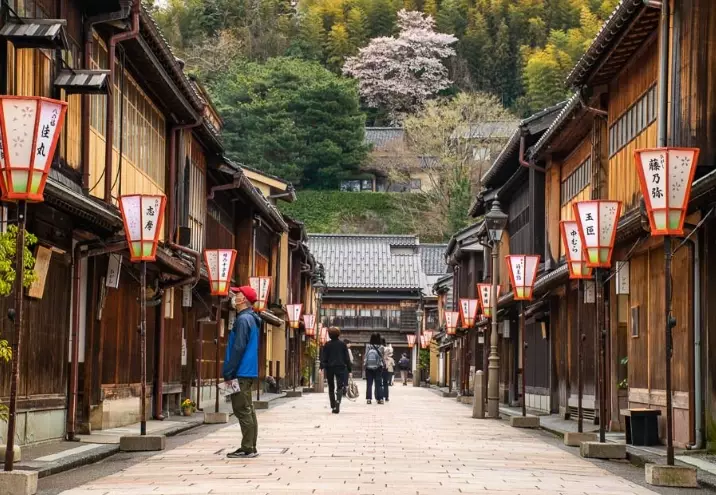
Omicho Market: A Food Lover's Playground
Omicho Market is Kanazawa's bustling kitchen, operating for over 300 years. Yes, you come here for incredibly fresh sushi and seafood bowls for lunch (places like Iki Iki Tei are legendary). But come hungry and curious. Don't just eat and leave. Wander the aisles. See the mountains of local produce, the strange and wonderful seafood, and sample things like jibuni (duck stew) croquettes or gold leaf soft serve ice cream from a stall. It's open from 9:00 AM to around 5:00 PM (many shops close by 3:00 PM, and it's closed on Sundays and some Wednesdays). Go in the late morning for the best energy.
Get Your Hands Dirty: Gold Leaf & Pottery
Kanazawa's crafts are its soul. You can easily spend a half-day doing a workshop. The two most accessible are:
- Gold Leaf Application: Several shops in the Higashi Chaya area offer sessions where you decorate a small item (like a coaster, lacquerware, or even a piece of glassware) with real gold leaf. It's easier than it looks and a fantastic souvenir. Expect to pay 1,000 to 2,500 yen for a 30-60 minute session.
- Kutani Pottery Painting: Kutani-yaki is the local porcelain style, known for its vibrant colors and detailed patterns. Studios like Kutani Kosen offer painting experiences where you glaze a pre-fired piece (a cup, plate, or small dish). They'll fire it and ship it to your home a few weeks later. This takes 1-2 hours and costs from 2,500 yen upwards.
How to Plan Your Kanazawa Trip: A Realistic Blueprint
Let's get practical. How many days do you need? What about transport?
Two days is the sweet spot. Day one for Kenrokuen, Castle, and the 21st Century Museum. Day two for Nagamachi, the Ninja Temple (booked in advance), Higashi Chaya, and Omicho Market. Add a third day if you want to do a craft workshop at a relaxed pace or take a short trip to the coastal town of Noto or the historic village of Shirakawa-go (though the latter is a long day trip).
Getting Around: The Kanazawa Loop Bus (Right and Left loops) is your best friend. A one-day pass costs 600 yen and covers all major sights from the station. It's efficient. However, the central areas (Kenrokuen, Nagamachi, Higashi Chaya) are very walkable and connected by a pleasant, flat landscape. I often find myself walking between them because you discover so much more.
Where to Stay: For first-timers, staying near Kanazawa Station is ultra-convenient for arrivals/departures and bus access. For more atmosphere, look for a traditional ryokan (inn) in a quieter area like near Kenrokuen. A mid-range hotel like the Hotel Nikko Kanazawa or a boutique ryokan like Yamamuro offer great value.
Comments