Ginzan Onsen is one of those places that feels like stepping into a postcard—a narrow valley in Yamagata Prefecture lined with traditional wooden ryokans, steaming hot springs, and a river running through it. I first visited in winter, and the snow-covered streets under lantern light were magical, but there's more to it than just pretty photos. This guide cuts through the hype to give you the real details on visiting Ginzan Onsen Japan, from logistics to hidden spots most tourists miss.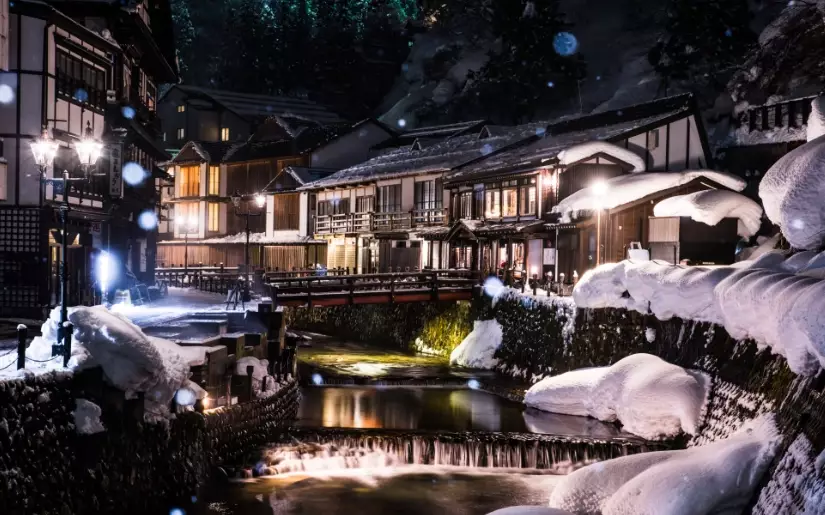
Jump to What You Need
What Makes Ginzan Onsen Special?
Ginzan Onsen isn't just another hot spring town. It's a preserved historical district that dates back to the Edo period, once a silver mining hub ("ginzan" means silver mountain). Today, it's famous for its architecture—multi-story wooden inns built in the Taisho era, many designated as cultural properties. The whole place feels frozen in time, but with modern comforts like indoor baths and Wi-Fi.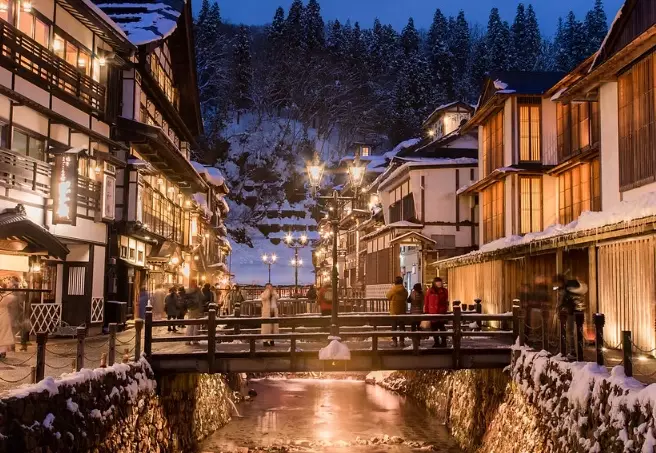
Why visit? For the onsen experience, sure, but also for the atmosphere. It's tiny, with just one main street about 500 meters long, so you can explore everything on foot. Most people come for the winter scenery, but I've found autumn offers vibrant foliage with half the crowds. A common mistake is rushing through in a day—stay overnight to soak in the ryokan culture and early morning quiet.
Key Info: Ginzan Onsen is in Obanazawa City, Yamagata Prefecture. No entrance fee to the town itself, but attractions and baths have separate charges. Open year-round, but some ryokans close for maintenance in off-seasons.
How to Get to Ginzan Onsen Japan
Getting there requires some planning, as it's remote. The nearest major city is Yamagata, but from Tokyo, it's a 3-4 hour journey. Here’s the breakdown:
- From Tokyo: Take the Yamagata Shinkansen to Oishida Station (about 2.5 hours). From there, a 40-minute bus ride to Ginzan Onsen. Buses run every 1-2 hours; check schedules on the Yamagata Kotsu website. I missed a bus once and had to wait—book ahead in peak season.
- From Yamagata City: Buses depart from Yamagata Station, taking around 1.5 hours. Less frequent, so time it with your ryokan check-in.
- By Car: Driving gives flexibility, but parking is limited. There's a paid lot near the entrance (¥500-1000 per day). Winter roads can be icy; rent a car with snow tires.
Public transport info is often outdated online. Double-check with your ryokan—they sometimes offer shuttle services from Oishida Station.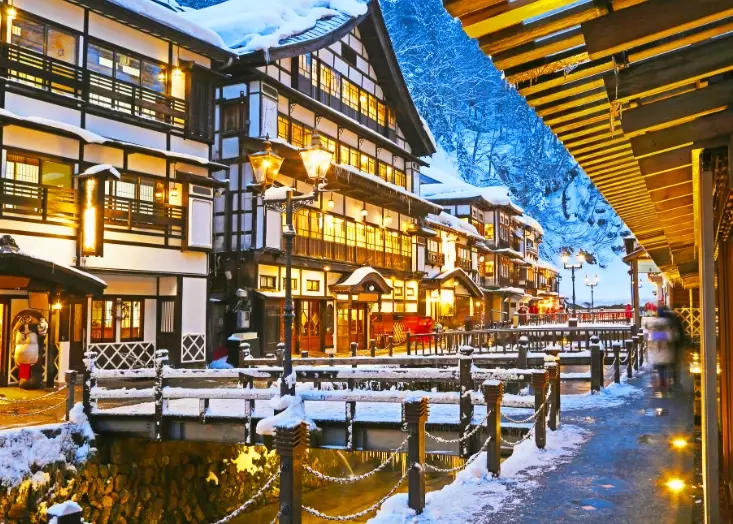
Top Things to Do in Ginzan Onsen
You won't find theme parks here. The charm is in slow exploration. Here’s what to prioritize:
1. Soak in the Hot Springs (Onsen)
Ginzan Onsen has several public baths and private ones in ryokans. The water is sulfate spring, said to help with muscle pain and skin issues. Two must-tries:
- Ginzan Onsen Public Bath (Shinzan So): Address: Ginzan Onsen, Obanazawa, Yamagata. Open 10:00 AM to 9:00 PM, last entry 8:30 PM. Fee: ¥500 for adults. It's basic but has indoor and outdoor pools. Go early to avoid tour groups.
- Ryokan Baths: Even if not staying, some ryokans offer day-use passes. Noto-ya Ryokan has a stunning outdoor bath for ¥1,000 (reserve ahead).
2. Stroll the Historic Streets
The main street is the attraction. Walk along the river, cross the red bridges, and admire the lanterns lit at dusk. No tickets needed, but wear comfortable shoes—the stone paths can be slippery in winter. Photography spots: the view from the upstream bridge at sunrise, when the steam rises from the baths.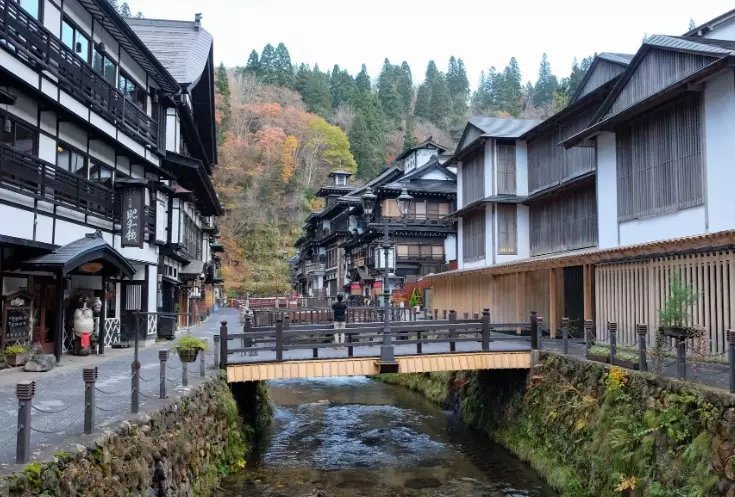
3. Visit the Ginzan Onsen Museum
A small museum near the entrance. Address: Ginzan Onsen, Obanazawa. Open 9:00 AM to 5:00 PM, closed Wednesdays. Fee: ¥300. It covers the mining history and has old photos. Worth 30 minutes if you're curious.
Most guides skip this, but I recommend hiking the short trail behind the town. It leads to a waterfall and offers a panoramic view. Free, but unmarked—ask a local for directions.
Where to Stay: Ryokan Picks
Staying overnight is key. Ryokans here offer kaiseki meals and private onsen. Book months ahead, especially for winter. Here’s a comparison of top choices:
| Ryokan Name | Address | Highlights | Price Range (per night) |
|---|---|---|---|
| Noto-ya | Ginzan Onsen, Obanazawa | Historic building, outdoor bath with river view, gourmet dining | ¥40,000 - ¥60,000 |
| Fujiya | Ginzan Onsen, Obanazawa | Modern rooms with traditional touch, family-friendly, includes breakfast | ¥30,000 - ¥50,000 |
| Takimikan | Ginzan Onsen, Obanazawa | Affordable option, private onsen available, near bus stop | ¥20,000 - ¥35,000 |
Prices are for two people with meals. Noto-ya is iconic but books out fast. Fujiya has better Wi-Fi, a plus if you need connectivity. Takimikan is cheaper, but the rooms are smaller—fine for budget travelers. I stayed at Fujiya and loved their local sake selection.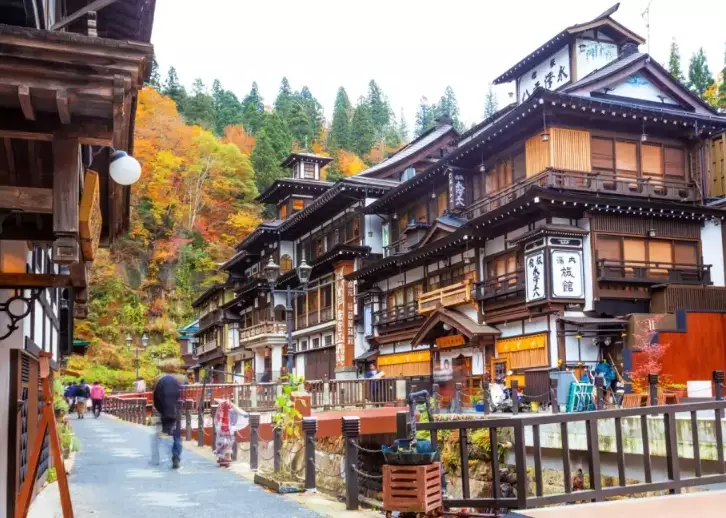
A tip: Ryokans often have strict check-in times (3:00 PM to 6:00 PM). If arriving late, notify them. Some don't accept credit cards, so carry cash.
What to Eat in Ginzan Onsen
Dining options are limited, but quality is high. Most meals come with your ryokan stay. For outside eats:
- Ginzan Soba: A local specialty—buckwheat noodles. Try at Ginzan Chaya, a small shop by the river. Address: Ginzan Onsen. Open 11:00 AM to 3:00 PM. Price: ¥1,200 per bowl. Cash only. It's simple but fresh.
- Ryokan Kaiseki: Multi-course dinners featuring Yamagata ingredients like beef and mushrooms. Noto-ya's version is praised, but Fujiya's includes grilled fish that's surprisingly good.
- Cafés: For coffee, Ginzan Café near the museum. Open 10:00 AM to 5:00 PM. Their sweet potato dessert is a hidden gem.
No fancy restaurants here. Embrace the homely vibe. If you have dietary restrictions, tell your ryokan when booking—they can adjust meals.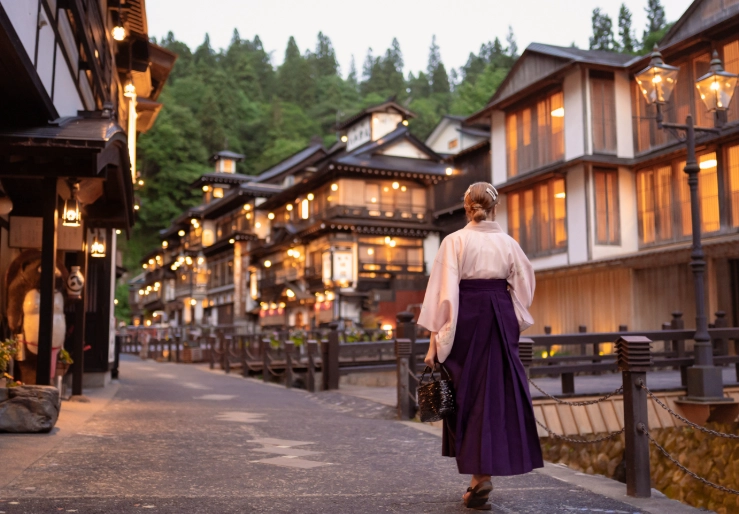
Seasonal Guide for Ginzan Onsen
Timing your visit matters. Here’s what to expect:
- Winter (December to February): The peak season. Snow blankets the town, and lanterns glow in the early dark. Temperatures drop to -5°C. Pack warm layers and waterproof boots. Crowds are heavy in January; visit on a weekday if possible. Ryokan prices spike.
- Spring (March to May): Snow melts, revealing greenery. Fewer tourists, but some baths may be under maintenance. April sees cherry blossoms nearby.
- Summer (June to August): Green and humid. Not ideal for onsen soaking, but hiking trails open. Less crowded, ryokans offer discounts.
- Autumn (September to November): My favorite. Foliage turns gold and red, weather is crisp. Crowds are moderate, perfect for photography. October is prime.
Winter gets all the attention, but autumn offers similar beauty without the freezing cold. Summer is quiet but can feel sleepy—good for a retreat.
FAQs Answered by a Local Expert
Ginzan Onsen Japan is more than a photo op; it's a slice of old Japan with modern quirks. Plan ahead, soak slowly, and don't rush. Whether you're here for the hot springs or the history, this guide should help you make the most of it. For more details, the Japan National Tourism Organization has updates on travel advisories, but local ryokans often have the latest info.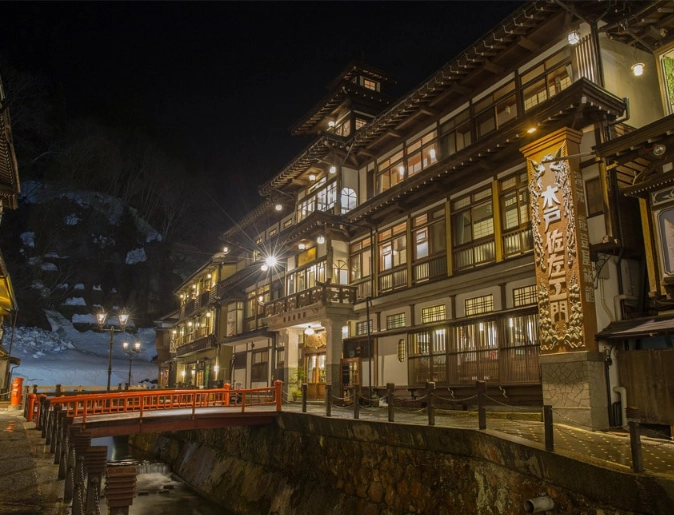


Comments