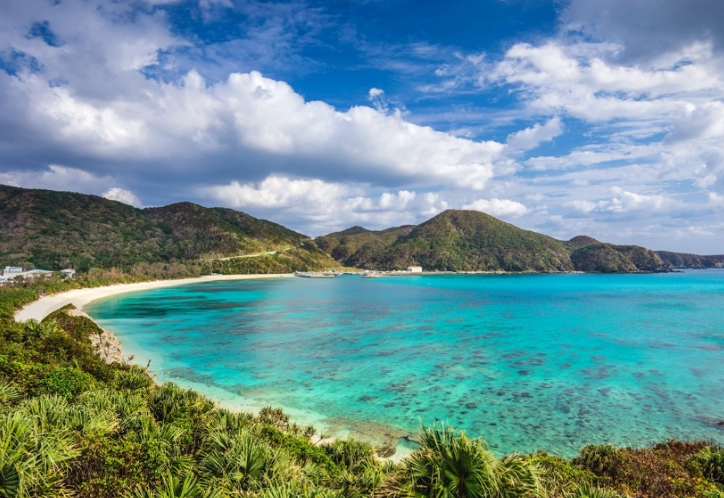
When you think of a Japanese beach, what comes to mind? For most, it's the postcard-perfect images of Okinawa – turquoise water, white sand, and coral reefs. That's absolutely real. But it's only one chapter of the story. Japan's coastline stretches over 18,000 miles, weaving through subtropical islands, volcanic peninsulas, and forest-backed bays where the water is surprisingly clear and cold.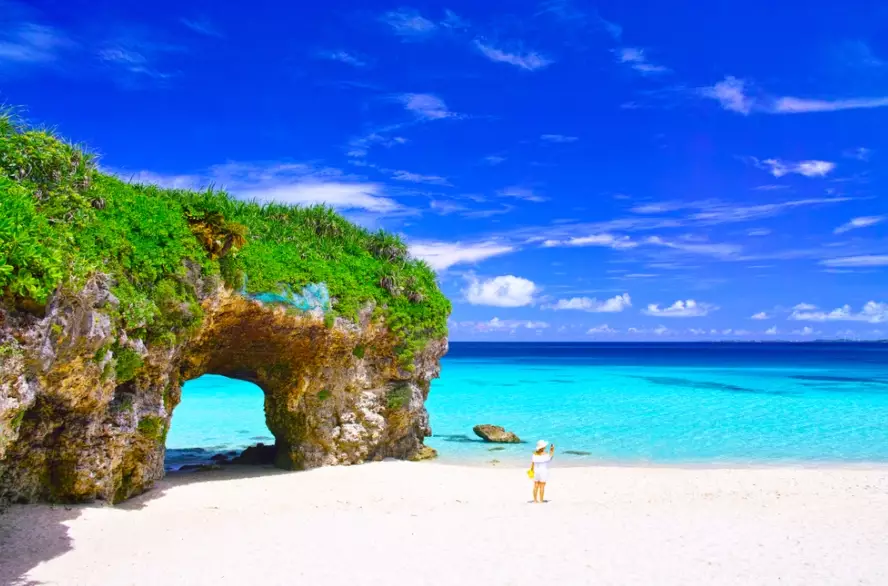
I've spent over a decade hopping between these shores, from getting pummeled by waves in Chiba to floating weightlessly over coral in Ishigaki. The biggest mistake first-timers make is assuming all Japanese beaches are the same, or that they're only worth visiting in the dead of summer. Let's fix that.
Your Beach Trip Roadmap
How to Choose the Right Japanese Beach for Your Trip
Picking a beach here isn't just about finding sand. It's about matching the coastline to your travel style. Are you lugging snorkel gear for the kids? Chasing the perfect wave? Or just want a stunning view without the hassle? Get this wrong, and you could end up at a beautiful but utterly wrong beach.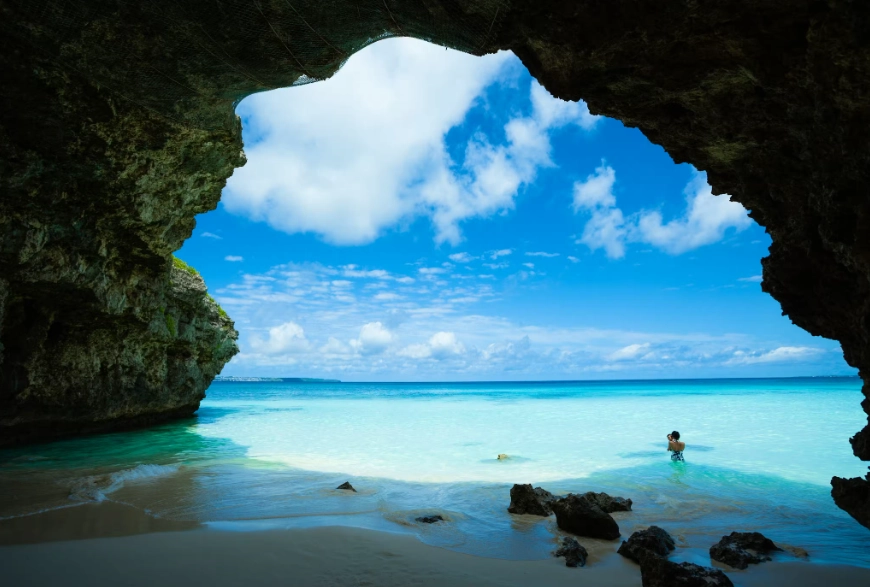
Here’s a breakdown by traveler type:
For Families & First-Timers
You want calm, shallow water, amenities (showers, toilets, food), and easy access. The Kansai region (near Osaka/Kyoto) and the Miura Peninsula near Tokyo are your friends. Beaches here are managed, safe, and often have a lively, festival-like atmosphere in summer.
For Snorkelers & Divers
Your compass points south, unequivocally. The Kerama Islands near Okinawa Main Island have some of the clearest water in the country. Ishigaki and Miyakojima offer incredible coral gardens and manta ray encounters. A pro tip: check recent typhoon reports. Major storms can damage reefs, and recovery takes time. Local dive shop blogs are more reliable than generic tourism sites for current conditions.
For Surfers
Japan has a split personality. The Pacific side (Chiba, Shizuoka, down to Kyushu) gets consistent swells. The Japan Sea side (Niigata, Ishikawa) gets powerful winter waves. Don't sleep on Hokkaido's coast either – it's raw and cold, but empty. If you're visiting in winter for snow, packing a board for the west coast isn't a crazy idea.
For the Seclusion Seeker
This is the hard mode of Japanese beach-going. The developed, easy-to-reach spots will be crowded in season. Your targets are the remote islands of Kagoshima (like the Amami Islands) or the Sanriku Coast in Tohoku. Access requires planning – often a long ferry ride or a rental car drive down winding coastal roads. The reward? Beaches you might have all to yourself.
My Top Japanese Beach Picks (Beyond the Obvious)
Everyone lists the famous ones. Here are a few that balance beauty, character, and a slightly more manageable crowd level, based on where you're coming from.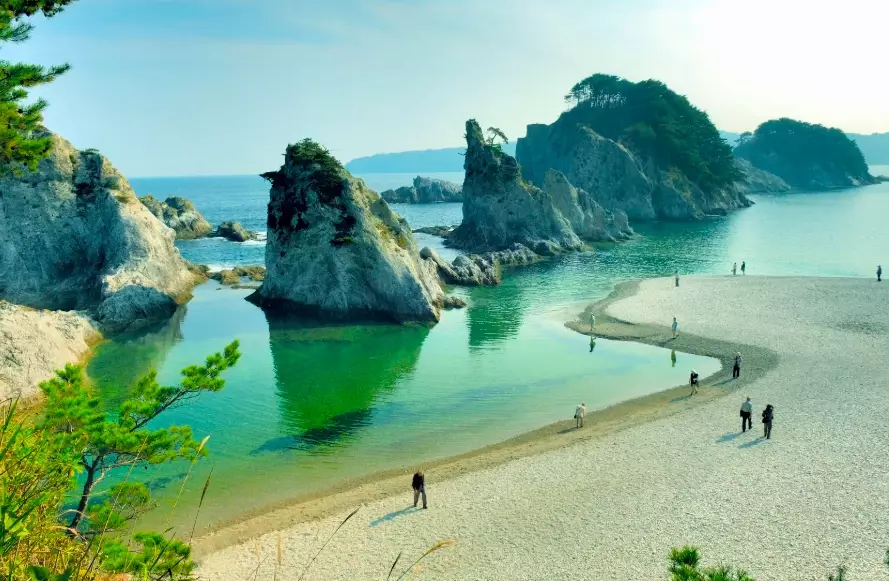
If You're Based in Tokyo
Forget just going to Kamakura's crowded Enoshima. You have options.
Zushi Beach & Hayama: Just past Kamakura, these areas feel a bit more upscale and relaxed than the tourist hub. The water quality is better, and the view of Mt. Fuji on a clear day is unbeatable. Hayama has a few chic cafes right on the sand. It's accessible by train from Tokyo (about 75 minutes to Zushi Station, then a short bus/walk).
Kujukuri Beach, Chiba: Need space? This is it. A nearly 40-mile long, straight stretch of sand on the Pacific coast. It's a surfer's haven, but there are calmer sections for swimming. The sheer length means the crowd dissipates. You'll need a car to explore it properly. Rent one in Chiba City and make a day of it.
The Kansai Classic (Osaka/Kyoto Area)
Shirahama Beach, Wakayama: Yes, it's famous. For a reason. The sand is brilliantly white and soft (it's imported quartz sand), and the water is a stunning blue. It gets packed, no sugar-coating it. Go on a weekday, go early. The town has an old-school onsen resort vibe, which is part of the charm. Direct express trains run from Osaka.
Tottori Sand Dunes & Beach: This is a beach experience you won't find elsewhere. Massive sand dunes roll right into the Sea of Japan. It's more for the dramatic landscape than for swimming (currents can be strong). Perfect for a unique afternoon. Fly into Tottori's small airport or take a limited express train from Osaka (about 2.5 hours).
The Okinawan Standouts (Beyond Main Island)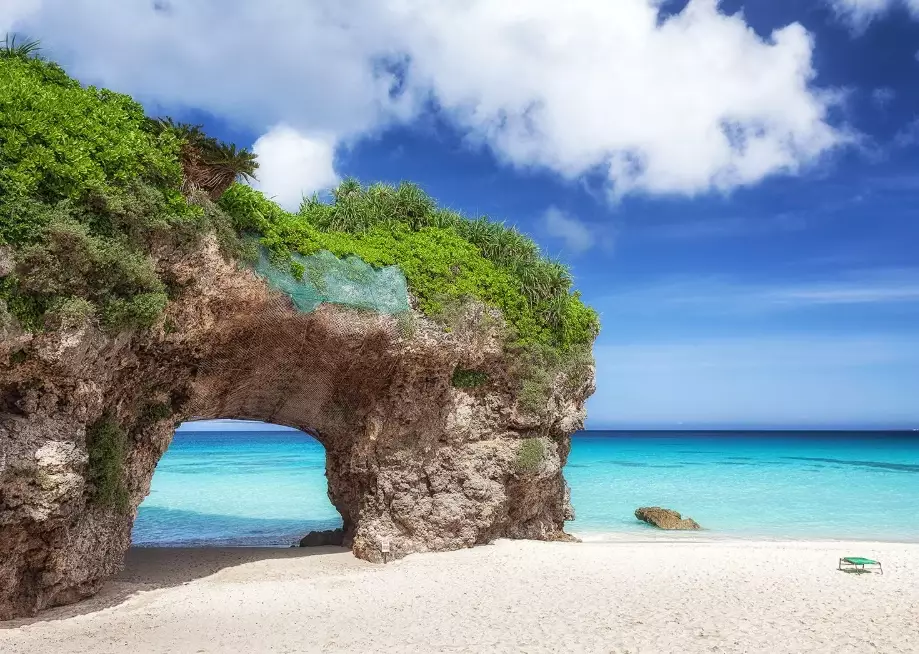
Okinawa's main island beaches near Naha (like Manza Beach) can be resort-heavy. To find magic, you need to hop on a ferry.
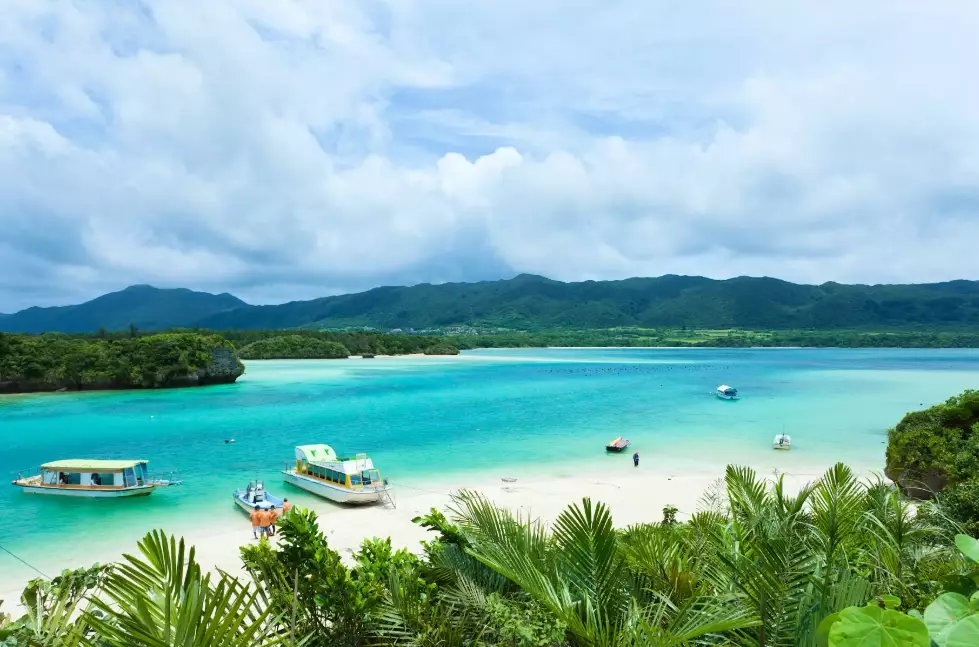
Kondoi Beach, Taketomi Island: A short ferry from Ishigaki, Taketomi feels frozen in time. Kondoi Beach has shallow, crystal-clear water that stretches out forever over white sand. It's like wading in a giant, warm swimming pool. You can rent a bicycle on the island and ride everywhere. This is my top recommendation for a stress-free, paradise-feeling day.
Sunayama Beach, Miyakojima: Miyakojima is known for its epic bridges and stunning coasts. Sunayama is a small, secluded cove reached by a short path through sand dunes. The arch rock formation frames the ocean perfectly. It's not a place to spend all day (limited facilities), but for a few hours of swimming and photos, it's unbeatable.
| Beach Name | Region | Best For | Key Access Point | Season Note |
|---|---|---|---|---|
| Zushi Beach | Kanagawa (Near Tokyo) | Easy access, views, swimming | JR Zushi Station | July-August busy; May/Jun/Sep pleasant |
| Shirahama Beach | Wakayama (Kansai) | Families, white sand, resort feel | Shirahama Station | Peak summer is very crowded |
| Kondoi Beach | Taketomi Isl. (Okinawa) | Snorkeling, shallow water, scenery | Ferry from Ishigaki | Great year-round; avoid rainy season (May-Jun) |
| Kujukuri Beach | Chiba | Surfing, long walks, space | Rental car from Chiba City | Pacific swells best for surf in autumn/winter |
The Nitty-Gritty: Transportation, Stay, and Beach Etiquette
This is where trips are made or broken.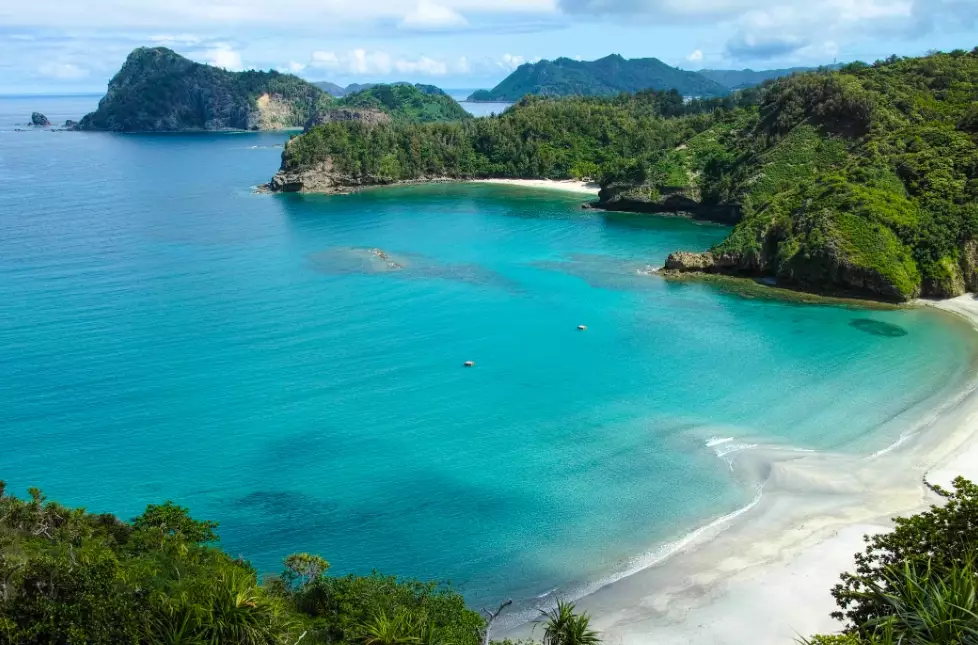
Getting There
For beaches near major cities, trains and buses work. For anywhere remotely special, a rental car is king. Japan's coastal bus networks can be infrequent. I've waited over an hour for a bus on a remote Okinawan island. Rent a car. The freedom to explore coves and stop at roadside fruit stands is worth it. International driving permits are required.
For Okinawa's outer islands, flights connect the hubs (Naha, Ishigaki, Miyako), and ferries connect the dots. Ferry schedules are weather-dependent, especially in typhoon season. Always have a flexible plan.
Where to Stay
Options range from luxury resorts to basic minshuku (guesthouses). In beach towns, a ryokan or resort with its own beach or pool access is a luxury that maximizes relaxation. In remote areas, minshuku run by local families offer the best value and often incredible home-cooked meals. Booking.com and Japanese sites like Jalan are useful. For a unique twist, look for "beachside cottages" on the Izu Peninsula or in Shikoku.
Beach Culture & Etiquette
Japanese beaches are generally clean and safe. Follow these unspoken rules:
- Trash: Many beaches have no public bins. You are expected to take all your trash with you. Bring a bag.
- Smoking: Designated smoking areas are common. Don't light up randomly on the sand.
- Swim Zones: Always swim within the roped-off areas (suiei jougen). Lifeguards are common at managed beaches in season.
- Facilities: Use the showers (shawa) to rinse off sand before entering changing rooms or returning to town. It's considered polite.
- Protection: The sun is intense. A rash guard is more common and practical than just sunscreen. Rent an umbrella (parasol) or tent for shade.
One more thing. Public nudity or topless sunbathing is absolutely not done. Even changing clothes discreetly under a towel is the norm.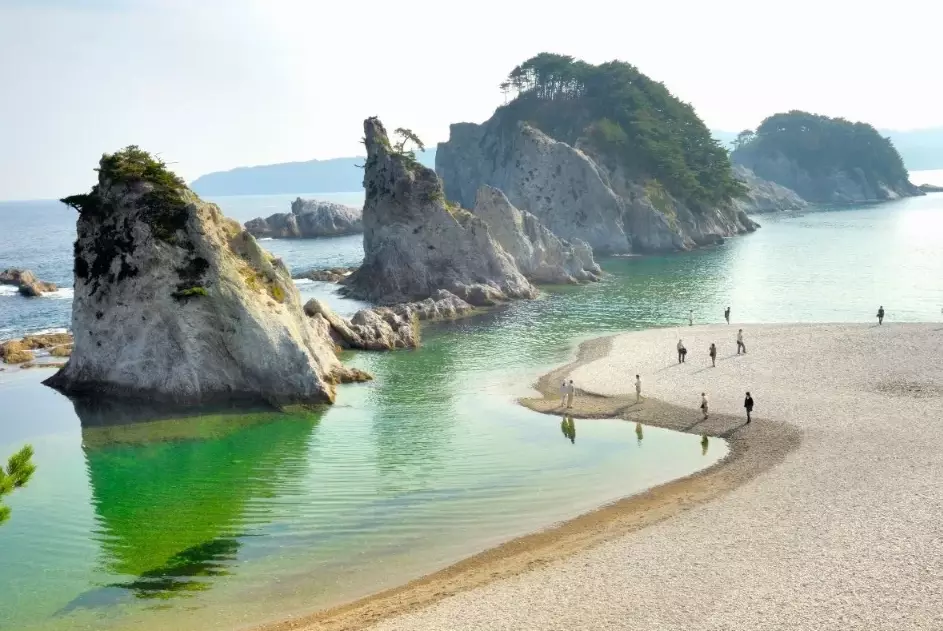
Answers to the Questions You're Actually Asking
 The real secret to a great Japanese beach trip is matching your expectations to the right slice of coast. Don't force a secluded, rustic experience if you only have a day trip from Tokyo. And don't settle for a crowded city beach if you've flown all the way to Okinawa. Do a little homework, embrace the local rhythms (early starts help), and you'll discover that Japan's shoreline has a unique charm for every kind of beach lover.
Comments