Your Quick Guide to This Article
So you're thinking about Shikoku. Maybe you've seen pictures of the Iya Valley vine bridges, or heard about the famous 88 Temple Pilgrimage. The first question that hits you is the practical one: how many days do you actually need?
The short, honest answer? It completely depends on what you want to do. A quick weekend getaway is possible, but to feel like you've genuinely experienced Shikoku's distinct character—its rugged coasts, deep valleys, and unique culture—you'll want more time.
I've traveled around Shikoku multiple times, once by train and bus, another time by rental car focusing on the pilgrimage route. The biggest mistake I see first-timers make is trying to cram too much into too few days, ending up exhausted and only seeing things from a bus window. Let's break down what's realistic.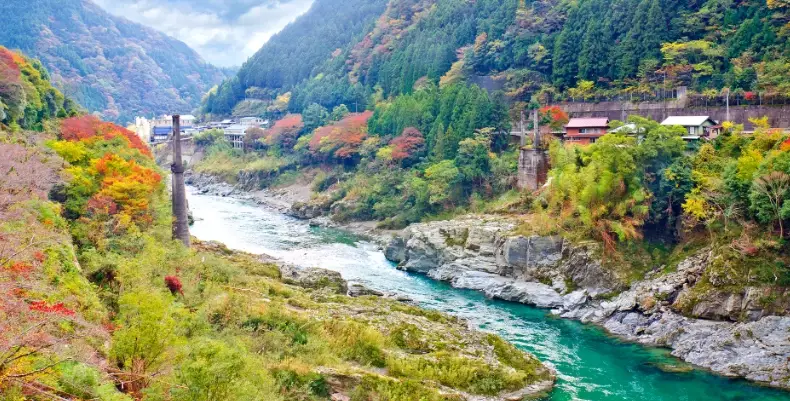
Understanding the Shikoku 88 Temple Pilgrimage
You can't talk about Shikoku without mentioning the Henro, the 88 Temple Pilgrimage. It's a 1,200-kilometer loop that circles the island. For many, this *is* the reason to visit.
But here's the thing most generic travel sites don't tell you: You don't have to be a pilgrim to enjoy Shikoku. In fact, most visitors aren't. The pilgrimage infrastructure—the temples, the paths, the culture of osettai (charitable giving)—shapes the island, but your trip can be entirely secular and still incredibly rich.
If you are interested in the pilgrimage, the time commitment skyrockets. Completing it on foot takes about 40-60 days. By car or bus, you could visit a selection of major temples in 10-14 days. This guide assumes you're a general traveler, not a dedicated pilgrim, but we'll touch on how to incorporate temple visits.
Key Factors That Determine Your Shikoku Trip Length
Before picking a number of days, ask yourself these questions. Your answers will point you to the right itinerary length.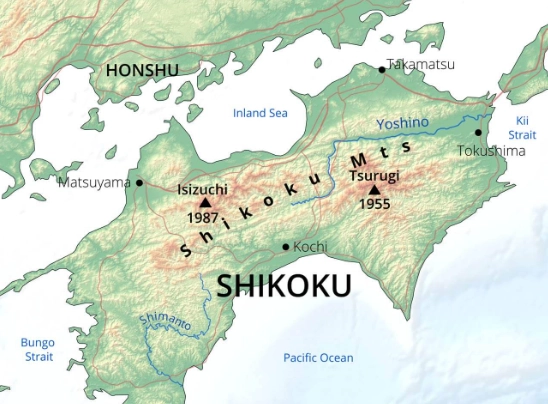
Your Travel Style: Are you a "checklist" traveler who wants to hit the top sights in each prefecture, or do you prefer to settle into one area and explore it deeply? The former needs more days for transit.
The Pilgrimage Question: Do you want to visit a handful of iconic temples (like Zentsū-ji, Temple 75, where Kobo Daishi was born), or are you content with just seeing them as part of the landscape?
Transport Mode: This is huge. A rental car gives you freedom and saves time reaching remote spots like the Iya Valley or Cape Ashizuri. Relying on trains and buses requires more buffer time for connections. I missed a bus in the Iya Valley once and had to wait three hours for the next one. Plan accordingly.
Season & Budget: Summer (Obon) and Golden Week are crowded. In winter, some rural routes and accommodations have reduced services. Your pace might be slower.
Detailed Shikoku Itineraries Based on Days
Here are concrete plans, from a whirlwind tour to a deep dive. These assume you're starting from a major gateway like Takamatsu (connected by rail from Okayama) or Matsuyama (which has an airport).
The 3-Day Taste (The Sampler)
Sample Route (Takamatsu & Naoshima Focus):
- Day 1: Arrive Takamatsu. Visit Ritsurin Garden (one of Japan's best historical gardens, 7:00-17:00, ~410 JPY). Eat famous Sanuki udon for lunch (try Tamachi Kagawa near the station). Afternoon: Explore Takamatsu Castle ruins (Tamamo Park). Stay in Takamatsu.
- Day 2: Day trip to the Naoshima art islands. Ferry from Takamatsu port (~50 mins). See the Chichu Art Museum (book online!), the Yellow Pumpkin. Return to Takamatsu. Evening: Sunport area.
- Day 3: Train to Kotohira (30 mins). Hike up to Kotohira-gu (Kompirasan), the sprawling shrine with 1,368 steps. Visit the Kanamaru-za kabuki theater. Return to Takamatsu for departure.
Verdict: You see a slice—great gardens, modern art, a major shrine. You miss the beaches of Kochi, the castles of Matsuyama, and the wild interior. It's a compelling appetizer.
The 5-Day Classic Circuit (Half-Island Explorer)
Sample Route (Takamatsu → Tokushima → Kochi):
- Days 1 & 2: As per the 3-day itinerary above (Takamatsu & Naoshima).
- Day 3: Train from Takamatsu to Tokushima (1h-1.5h). Visit the Awa Odori Kaikan museum to learn about the famous dance festival. If time and season permit, see the Naruto Whirlpools (check tide times!). Stay in Tokushima.
- Day 4: Rent a car or take a long bus to Iya Valley (2-2.5 hours by car). See the Kazurabashi vine bridge (550 JPY, 8:00-17:00). The drive itself is spectacular. Overnight in a ryokan in the valley for the full experience.
- Day 5: Travel from Iya Valley south to Kochi city (2.5-3h by car). Visit Kochi Castle (one of Japan's few original castles, 9:00-17:00, 420 JPY) and the lively Hirome Ichiba market for dinner. Depart from Kochi.
This gives you urban culture, remote valleys, and a historic castle. You're skipping Ehime (Matsuyama) entirely, but you get a substantial feel for Shikoku's diversity.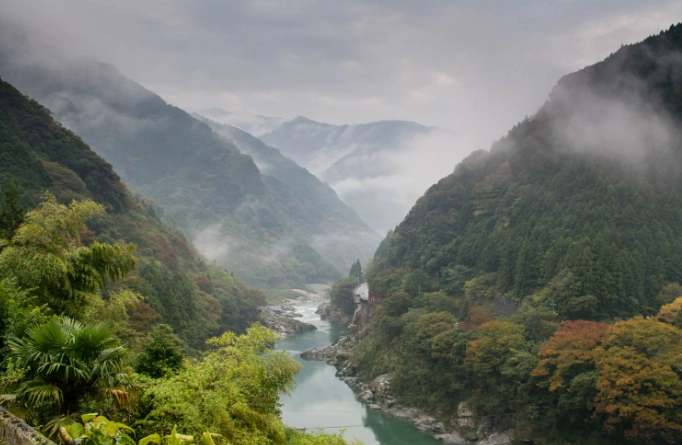
The 7-Day Ideal Loop (The Balanced Journey)
You can do this clockwise or counter-clockwise. Here’s a clockwise plan starting from Takamatsu:
| Day | Base / Route | Key Activities & Sights | Accommodation Tips |
|---|---|---|---|
| 1 | Takamatsu | Arrive. Ritsurin Garden, Sanuki udon, Takamatsu Castle. | Hotel Area One Takamatsu (near station, ~6,000 JPY). |
| 2 | Takamatsu → Tokushima | Morning ferry to Naoshima (art islands). Afternoon train to Tokushima. Awa Odori Kaikan. | Daiwa Roynet Hotel Tokushima (central, ~8,000 JPY). |
| 3 | Tokushima → Iya Valley | Rent a car. Drive to Iya Valley. Kazurabashi, Oboke Gorge boat ride. | Iya Onsen Hotel (with mountain view baths, ~15,000 JPY/person with meals). |
| 4 | Iya Valley → Kochi | Scenic drive to Kochi. Kochi Castle, Hirome Ichiba market. | Tosa-Terrace The Share Hotels (stylish, ~9,000 JPY). |
| 5 | Kochi → Matsuyama | Train to Matsuyama (2.5-3h). Dogo Onsen Honkan (historic bathhouse, entry from 420 JPY), explore the arcades. | Dogo Yaya (modern guesthouse near onsen, ~5,000 JPY). |
| 6 | Matsuyama | Matsuyama Castle (ropeway available). Ishite-ji Temple (a major pilgrimage site). Optional: Day trip to Uchiko for preserved townscape. | Same as Day 5. |
| 7 | Matsuyama → Departure | Last stroll, perhaps a final onsen visit. Fly out from Matsuyama or train back to Okayama. | -- |
This itinerary balances cities, hot springs, history, and remote nature. You touch on all four prefectures. The pace is active but manageable, with 2-night stays in key spots to unpack a bit.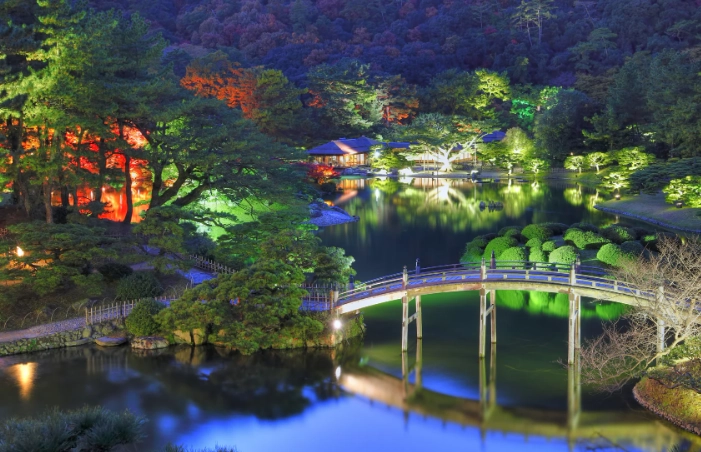
10 Days or More (Deep Dive or Pilgrimage Lite)
With 10+ days, you can relax the 7-day pace or add significant detours.
- Add the Southern Capes: From Kochi, drive south to Cape Ashizuri, Shikoku's southernmost point, with its dramatic lighthouse and temple (Kongōfuku-ji, Temple 38). This adds 1-2 days.
- Explore Western Ehime: Visit the historic Uwajima Castle and the quirky Uwajima Sex Museum (Taga Shrine). The coastal drive is beautiful.
- Dedicated Temple Route: Design a 10-day trip visiting 15-20 of the most scenic or significant 88 temples by car, mixing them with standard sightseeing.
- Pure Relaxation: Spend 3 nights in a single ryokan in the Iya Valley, doing nothing but hiking and soaking in onsens.
How to Get Around Shikoku Efficiently?
Transport dictates your pace. Here's the lowdown.
The JR Shikoku Rail Pass is a no-brainer if you're following a train-based itinerary and arriving from outside Shikoku. A 5-day pass costs about 10,000 JPY for foreign visitors. It covers most JR trains (including the limited express trains between major cities) and some buses. Calculate your long-distance trips to see if it pays off—it usually does for a 5 or 7-day trip. Buy it online before you arrive.
Rental Cars: Renting from major companies like Toyota or Nippon is straightforward. You'll need an International Driving Permit. Driving is on the left. For the Iya Valley, Cape Ashizuri, or temple-hopping off the main lines, a car is liberating. Parking in cities like Takamatsu or Matsuyama can be pricey, so plan to return the car before staying there.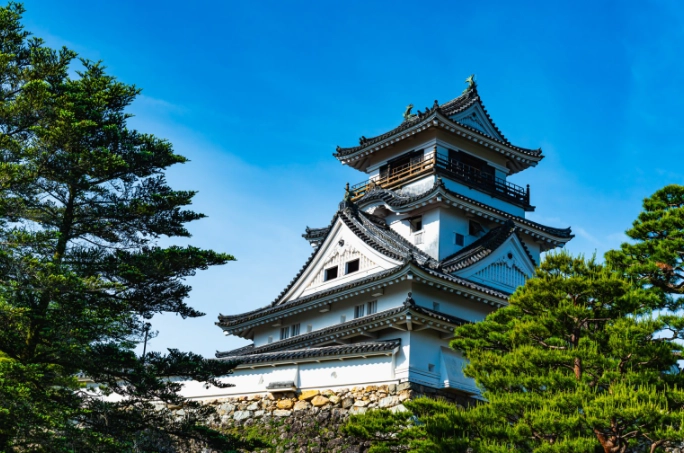
Buses: Essential for areas without train lines. The Shikoku Kūkō Limousine buses connect airports and cities. Local buses in rural areas can be infrequent—always check the latest timetable, not one from a year ago. I learned that the hard way.
Cycling: Shikoku is a dream for serious cyclists, but it's hilly. The Shimanami Kaido (to Hiroshima) starts in Imabari, Ehime, and is a world-class cycling route worth 1-2 days on its own.
Common Mistakes and Pro Tips for Shikoku Travel
Mistake #1: Underestimating Travel Times. Google Maps times are often optimistic for rural buses. Mountain roads are winding. A 60km drive can take 90+ minutes. Pad your schedule.
Mistake #2: Trying to "Do" the Pilgrimage in a Few Days. Visiting temples meaningfully takes time. Picking 3-5 major ones (like Zentsū-ji, Ishite-ji) is better than rushing to stamp books at 20.
Pro Tip: Book Rural Accommodation Early. Places in the Iya Valley or small onsen towns have limited rooms. They fill up, especially for ryokans with meal plans.
Pro Tip: Learn a Few Japanese Phrases. Outside major hotels and stations, English levels drop significantly. "Sumimasen" (excuse me), "arigatō gozaimasu" (thank you), and pointing at menus goes a long way. The effort is appreciated.
My Personal Take: Don't skip Kochi's Hirome Ichiba market. It's a vibrant, casual food hall where locals and tourists mingle. It feels more genuine than some of the more polished, tourist-focused markets in other cities.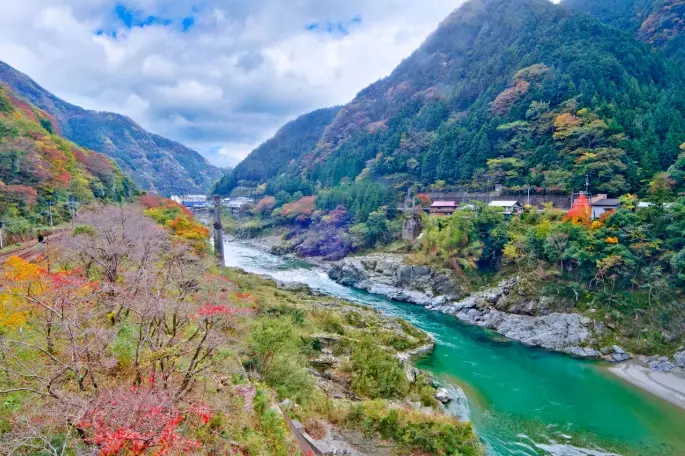
FAQs About Traveling in Shikoku
Is 3 days in Shikoku enough to see the main sights?
Three days is tight but workable if you focus on one prefecture. For example, you could base yourself in Takamatsu, explore Ritsurin Garden, take a day trip to Naoshima art island, and visit Kotohira-gu Shrine. You'll get a taste, but miss the diversity of the other three prefectures. It's a sampler, not the full meal.
What is the best time of year to visit Shikoku for good weather and fewer crowds?
Aim for the shoulder seasons: late March to early April for cherry blossoms without peak summer crowds, or October to November for autumn colors. Summer (July-August) is hot, humid, and busy with Obon holidays. Winter is mild but some mountain routes and rural guesthouses may have limited services. Early May (Golden Week) and mid-August are peak domestic travel times—book everything far in advance.
Do I need to rent a car to travel around Shikoku efficiently?
Not necessarily, but it depends on your itinerary. The train network connects major cities well (Takamatsu, Matsuyama, Kochi, Tokushima). For the 88 Temple Pilgrimage or exploring remote Iya Valley, a car is a huge advantage, saving hours on infrequent buses. For a 7-day classic circuit hitting cities and major sights, trains and buses are sufficient, especially with a JR Shikoku Rail Pass.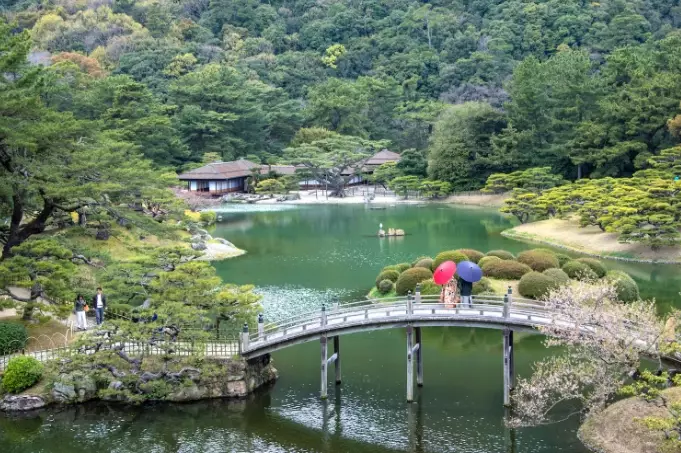
What's a realistic daily budget for a trip to Shikoku?
Budget around 8,000 to 15,000 JPY per person per day, excluding flights. On the lower end: staying in business hotels or guesthouses (4,000-7,000 JPY/night), eating at local ramen or udon shops, using rail passes. Mid-range: nicer ryokans or hotels (8,000-15,000 JPY/night), dining at good local restaurants, occasional taxis. Costs are generally lower than Tokyo or Kyoto, especially for accommodation.
Comments