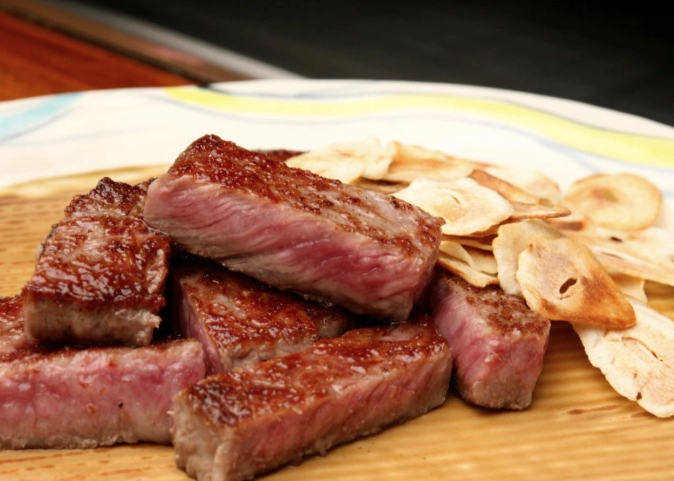
Let's cut to the chase. Is $1000 USD enough for a week in Japan? The short answer is yes, but it's tight and requires smart planning. You won't be staying in luxury ryokans or eating Kobe beef every night, but you can absolutely have an incredible, authentic experience. I learned this the hard way on my first trip, where I blew my budget in three days on impulsive convenience store snacks and last-minute train tickets. This guide is the one I wish I had—a realistic, no-BS breakdown of how to stretch that $1000 (roughly ¥150,000) into a memorable Japanese adventure.
Your Quick Answer & Roadmap
The $1000 Budget: A Line-by-Line Breakdown
First, a crucial distinction: this $1000 is for your in-country spending. We're assuming you've already paid for your round-trip flight separately. If you haven't, finding a flight for under $800 from the US or Europe is your first challenge. Now, let's slice that $1000 pie. This table is your financial blueprint.
| Category | Budget (USD) | Budget (JPY approx.) | Daily Average & Notes |
|---|---|---|---|
| Accommodation | $350 | ¥52,500 | $50/night. This means hostels, budget business hotels, or capsule hotels. |
| Food & Drink | $300 | ¥45,000 | $43/day. You can eat very well on this with konbini breakfasts, ramen/gyudon lunches, and casual dinners. |
| Transportation | $200 | ¥30,000 | Covers a 7-day JR Pass regional pass OR local IC cards & a few shinkansen trips. |
| Activities & Sightseeing | $100 | ¥15,000 | $14/day. Focus on free temples, parks, and neighborhoods. Pick 1-2 paid attractions. |
| Contingency / Souvenirs | $50 | ¥7,500 | For that extra matcha soft serve, a sudden downpour umbrella, or a small gift. |
| TOTAL | $1000 | ¥150,000 | It's possible, but every yen counts. |
See that $50 contingency? That's your buffer. Japan has a way of tempting you with a 300-yen melon pan from a bakery that smells like heaven. You'll need that buffer.
How to Make $1000 Work in Japan: The Strategy
Hitting these numbers isn't about deprivation; it's about optimization. Here’s where most blogs give generic advice. I’ll give you the specific, tactical moves.
Transportation: The JR Pass Gamble
The nationwide 7-day JR Pass is now ¥50,000. That's over a third of your entire budget—a non-starter. Instead, consider a regional JR Pass. For a Tokyo-Kyoto-Osaka loop, the JR Kansai-Hokuriku Area Pass (7 days, ¥25,000) or the JR Hokuriku Arch Pass (7 days, ¥27,000) can be brilliant, covering your long-distance shinkansen ride and local trains. Calculate your route on Japan Guide or Hyperdia before you buy anything.
For city travel, get a Suica or Pasmo IC card immediately. Tap and go. It's cheaper than single tickets and works on almost all subways and buses. Walking is your best friend. Tokyo's Shinjuku to Shibuya is a 50-minute, fascinating walk through backstreets you'd never see underground.
Eating: Avoid the Tourist Restaurant Trap
Lunch is your best meal. Many ramen, soba, and gyudon (beef bowl) shops have lunch specials for ¥800-¥1200 that are just as good as dinner. Stand-and-eat sushi bars (tachigui) near Tsukiji Outer Market offer incredible quality for ¥500-¥800 per two-piece plate.
For breakfast, embrace the konbini (convenience store). A onigiri (rice ball), banana, and coffee will cost you ¥300. A sit-down café breakfast can be ¥1500. Do the math over seven days.
My personal rule? One splurge meal. Maybe a good tonkatsu in Kyoto or a kaitenzushi (conveyor belt sushi) feast. Budget ¥3000 for it and savor every bite.
Activities: The Free Goldmine
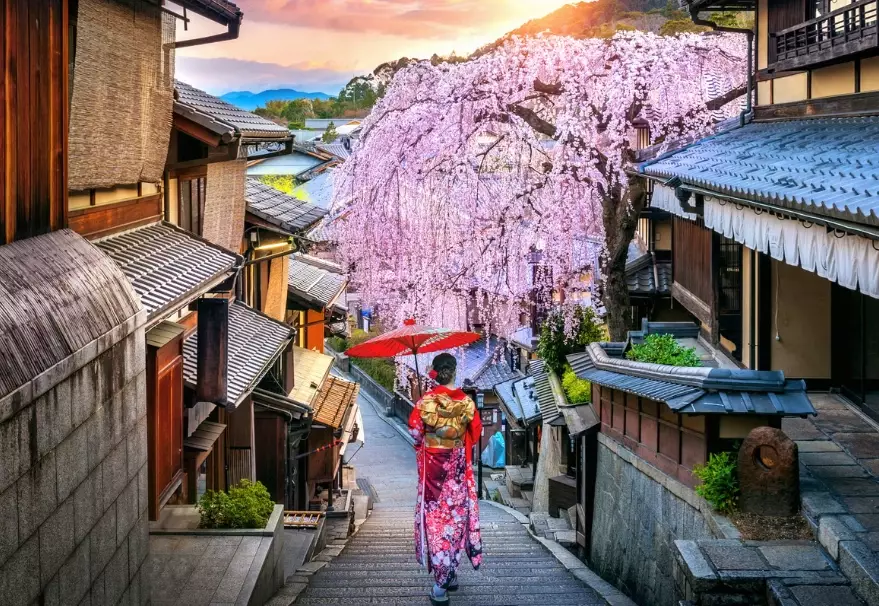
Japan's best sights are often free. In Tokyo: Senso-ji Temple, Meiji Jingu Shrine, the Imperial Palace East Gardens, and wandering neighborhoods like Shimokitazawa or Yanaka. In Kyoto: Fushimi Inari Shrine (go early!), the Philosopher's Path, and Gion district. Museums often have discounted or free days once a month—check their websites.
Skip the expensive observation decks. The Tokyo Metropolitan Government Building in Shinjuku has two free towers with stunning views. It’s better than paying ¥2200 for Tokyo Skytree.
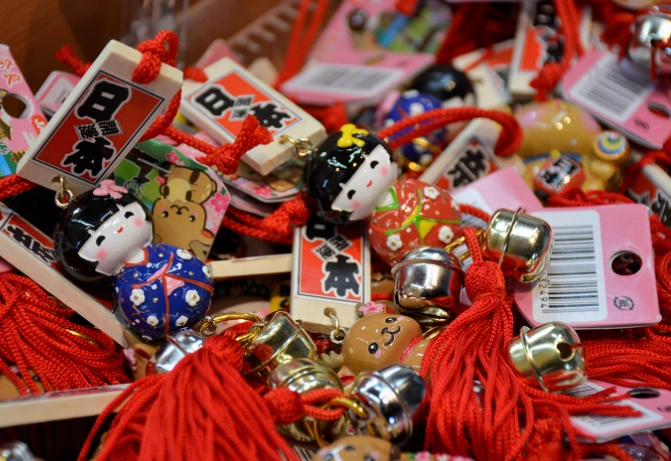
Pro Tip Everyone Misses: The biggest budget killer isn't the big ticket item; it's the death by a thousand small purchases. The ¥200 vending machine drink three times a day. The ¥300 souvenir sticker. The ¥400 temple fortune slip. Over a week, this "small change" can easily add up to ¥10,000 ($65). Carry a water bottle and refill it at your hotel or public parks.
A Sample 7-Day Budget Itinerary: Tokyo & Kyoto
Here’s how I’d structure a week to maximize experience and minimize cost. This assumes you fly into Tokyo and out of Osaka (Kansai).
Day 1-3: Tokyo
Stay in a hostel in Asakusa or Ueno. Day 1: Asakusa (Senso-ji, Nakamise Street), Ueno Park (free museums). Day 2: Shinjuku (Met Gov Building, Shinjuku Gyoen National Garden - ¥500 entry), Harajuku (Takeshita Street, Meiji Jingu). Day 3: Shibuya crossing, walk to Ebisu/Daikanyama, Shimokitazawa in the evening. Use Suica card for all transport.
Day 4: Travel to Kyoto
Take the morning Shinkansen using your regional JR Pass. Afternoon: Check into a hostel near Kyoto Station. Explore Higashi Hongan-ji Temple (free, massive), then Pontocho alley at night (just look, don't dine in the expensive restaurants).
Day 5-6: Kyoto
Day 5: Go to Fushimi Inari at 7 AM. Beat the crowds, it's free. Afternoon: Kiyomizu-dera Temple (¥400 entry). Walk down Sannenzaka. Day 6: Arashiyama Bamboo Grove (free, go early), Tenryu-ji Temple (garden entry ¥500). Afternoon: Philosopher's Path (free). Rent a bike (¥1000/day) for maximum efficiency.
Day 7: Osaka & Departure
Train to Osaka (30 mins from Kyoto). Leave bags in station locker. Explore Dotonbori for street food lunch (takoyaki, okonomiyaki), then head to Kansai Airport (KIX) for your flight.
Where to Stay on a Budget: Hotel & Hostel Picks
Booking 2-3 months out is non-negotiable. Prices double closer to the date.
Tokyo: The Grids Hostel Asakusa – Clean, modern pods, great location. Beds from ¥3,500/night. Hotel Mystays Asakusa-bashi – A reliable business hotel chain. Small rooms, but private. Rooms from ¥7,000/night if booked early.
Kyoto: Piece Hostel Kyoto – Consistently rated one of the best. Social but quiet. Beds from ¥3,800/night. Grids Premium Hotel Kyoto Karasuma – Offers both private rooms and capsules. Very central. Capsules from ¥4,500/night.
Consider one night in a capsule hotel for the experience. Just check if they accept guests with tattoos.
Common Budget Mistakes (And How to Avoid Them)
I've seen these derail too many trips.
Mistake 1: Not using luggage forwarding. Dragging a huge suitcase through subway stations costs you time, energy, and often a taxi fare. Use Yamato Transport's Ta-Q-Bin service. For about ¥2000, they'll send your suitcase from your Tokyo hotel directly to your Kyoto hotel. Travel with a day pack. It's a luxury that saves you pain.
Mistake 2: Buying water. Tap water is perfectly safe and delicious everywhere in Japan. A ¥100 bottle twice a day is ¥1400 ($9) gone.
Mistake 3: Exchanging money at the airport. The rates are terrible. Use your debit card at a 7-Bank ATM inside a 7-Eleven. They have the best rates and wide English support.
Your Japan Budget Questions Answered
So, is $1000 enough for a week in Japan? It's a budget that demands discipline and planning, but it's absolutely within reach. You'll experience the essence of Japan—the serene temples, the buzzing cityscapes, the incredible food—just without the frills. Prioritize what matters to you, book early, walk everywhere you can, and that ¥150,000 will take you further than you think. Your bank account might feel light, but your memories will be anything but.

Comments