Let's cut to the chase. A two-week trip to Japan from the United States for one person typically ranges from $2,500 to $5,500, excluding extravagant shopping. For two people, think $4,500 to $9,000. That's the ballpark. But that number is useless if you don't know what's inside it. I've planned trips for friends and traveled there myself multiple times, and the biggest mistake I see is people using a per-day estimate from a generic travel site. Japan's cost isn't uniform—it spikes in Tokyo, eases in Kyoto, and can be surprisingly manageable in smaller cities. This guide won't just throw averages at you. We'll dissect every cost, show you where the money really goes, and more importantly, where you can strategically save without sacrificing the experience.
What's Inside This Guide
- Breaking Down the Japan Trip Cost: A Realistic Budget
- The Big One: Flight Costs from the USA to Japan
- Where to Stay: Accommodation Budget for Every Traveler
- Daily Spending in Japan: Food, Transport & Activities
- How to Save Money on Your Japan Trip
- Putting It All Together: A Sample 10-Day Budget
- Your Japan Trip Cost Questions Answered
Breaking Down the Japan Trip Cost: A Realistic Budget
Forget round numbers. Your budget is a pie chart, and the slices vary wildly based on your style. A backpacker and a luxury traveler have completely different pies. Here’s a more honest look at where your dollars will go, presented as a percentage of your total trip cost (excluding international airfare, which is its own beast).
| Expense Category | Budget Traveler (%) | Mid-Range Traveler (%) | Luxury Traveler (%) | What It Covers |
|---|---|---|---|---|
| Accommodation | 25-30% | 30-35% | 40-50% | Hostels, business hotels, ryokans, luxury hotels. |
| Food & Drink | 20-25% | 25-30% | 15-25% | Convenience store meals, ramen shops, mid-range restaurants, fine dining. |
| Transportation | 20-25% | 15-20% | 10-15% | Local trains, buses, subways, Shinkansen (bullet train) passes, taxis. |
| Activities & Entrance | 10-15% | 15-20% | 10-15% | Temple/shrine fees, museum tickets, guided tours, special experiences. |
| Souvenirs & Misc | 10-15% | 10-15% | 15-20% | Gifts, snacks, SIM cards, unexpected costs. |
See the shift? As you spend more on hotels, your food percentage might drop because that fancy hotel includes breakfast. The transportation percentage shrinks if you're not moving cities every other day. This framework helps you adjust based on your priorities.
The Big One: Flight Costs from the USA to Japan
This is your single largest variable. From the West Coast, you might find a deal for $650. From the East Coast, $1,200 is a good price. I paid $830 from Chicago to Tokyo (Narita) last fall by booking exactly 4 months out and being flexible with my return airport (flying out of Osaka).
What Drives Flight Prices?
Season: Late March to April (cherry blossoms) and October to November (fall foliage) are peak. Prices can double. Shoulder seasons like May-June and September offer better weather and lower fares. Winter (excluding New Year) is often the cheapest, though northern Japan is cold.
Departure City: Major hubs win. Think LAX, SFO, SEA, JFK, ORD. If you live elsewhere, factor in a domestic connector flight's cost and time.
Airline & Route: Full-service carriers (ANA, JAL, United, Delta) cost more but offer better service and baggage. Budget airlines might have a tempting base fare but charge for every add-on—seat, bag, meal. A 14-hour flight without a meal is its own kind of hell.
My strategy? Use Google Flights' price tracking graph. Set alerts. Be open to flying into Tokyo (HND or NRT) and out of another city like Osaka (KIX). That "open-jaw" ticket often costs the same as a round-trip and saves you time and money on domestic travel back to Tokyo.
Where to Stay: Accommodation Budget for Every Traveler
Japanese rooms are famously compact. A "double" bed might be a full. Space is a premium. Here’s what you get for your yen.
- Budget ($40-$80/night): Hostels and capsule hotels. Tokyo's Book and Bed Tokyo in Ikebukuro is a fun concept (you sleep in a bookshelf nook). Capsule hotels like Nine Hours are clean, efficient, but not for claustrophobes or those with large luggage. Business hotel chains like Toyoko Inn or APA Hotel are everywhere—tiny but functional rooms, often with free breakfast.
- Mid-Range ($100-$250/night): This is the sweet spot for most. You get more space, often in great locations. Look at hotels like Mitsui Garden Hotel chain or Hotel Gracery in Shinjuku. In Kyoto, consider a machiya (traditional townhouse) rental for a unique experience.
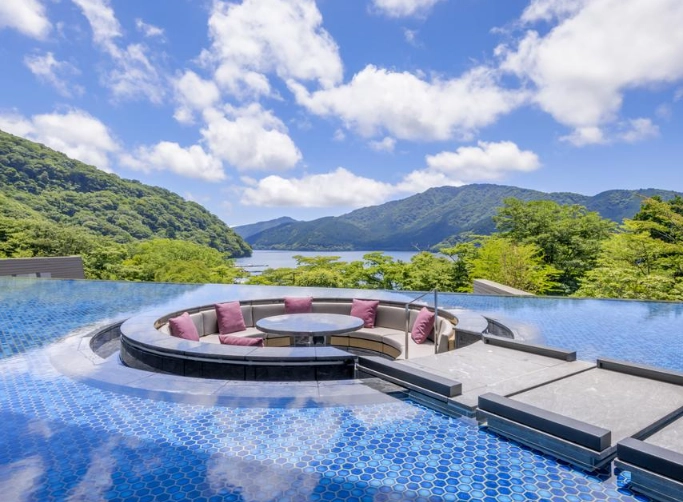
- Luxury ($300+/night): The iconic Park Hyatt Tokyo (of Lost in Translation fame), Hoshinoya Tokyo (an urban ryokan), or a traditional ryokan in Hakone with kaiseki dinner and onsen baths. A night at a top ryokan can run $500-$1,000 per person but is a cultural immersion.
Location tax is real. A hotel in Shinjuku, Tokyo, costs 30% more than a similar one in Ueno or Ikebukuro. Ask yourself if you need to be in the absolute center, or if being a 5-minute walk from a major subway line is good enough.
Daily Spending in Japan: Food, Transport & Activities
This is where your day-to-day life happens. Let's get granular.
Food & Drink Costs
You can eat like a king on a budget here. A misconception is that Japanese food is always expensive.
Breakfast: Combini (convenience store) for coffee and a pastry: $3-$5. Sit-down cafe: $8-$12.
Lunch: This is where you score. Many ramen, soba, and curry shops have lunch specials for $7-$12. A katsu curry at Coco Ichibanya is about $8. A bowl of phenomenal ramen in Tokyo is $10-$15.
Dinner: Casual izakaya (pub): $20-$35 for multiple small plates and a drink. Mid-range restaurant (like a nice tonkatsu place): $25-$40 per person. Sushi? A conveyer belt meal is $15-$25; a reservation at a famous sushiya starts at $100+.
Pro Tip: Department store basements (depachika) are food heavens. Around 7-8 PM, they discount their exquisite prepared meals and sushi bentos by up to 50%. It's the best quality-to-cost dinner hack.
Local Transportation Costs
Within cities, the subway and bus network is your lifeline. A single Tokyo metro ride starts at about $1.50 and increases with distance. You'll easily spend $6-$10 a day just zipping around a city.
The IC Card (Suica/Pasmo) is non-negotiable. Tap in, tap out. It works on almost all trains, buses, and even at convenience stores and vending machines. Load it with $20-$50 at a time.
Between Cities: The Shinkansen from Tokyo to Kyoto (about 2.5 hours) costs around $110 one-way for a non-reserved seat. This is why the JR Pass calculation matters. A 7-day Ordinary JR Pass is about $300. If your round-trip between Tokyo and Kyoto is your only long journey, you're at $220, making the pass a loss. Add a trip to Hiroshima, and it becomes valuable.
Activity & Entrance Fees
Most temples and shrines have a small entrance fee, typically $3-$6. Major ones like Tokyo's Senso-ji are free. Museums range from $10 (Tokyo National Museum) to $20+. A teamLab Planets digital art ticket in Tokyo is about $30. Factor in one or two paid attractions per day.
How to Save Money on Your Japan Trip
Smart saving isn't about deprivation; it's about allocation.
- Fly into a less common airport. Narita (NRT) often has cheaper flights than Haneda (HND), though it's farther out. The N'EX train into Tokyo is fixed-price and efficient.
- Use luggage forwarding. For about $20 per bag, services like Yamato Transport will send your suitcase from your Tokyo hotel to your Kyoto hotel. You travel with a day pack on the Shinkansen. It saves time, backache, and the hassle of large bags on crowded trains.
- Eat your big meal at lunch. Many high-end restaurants offer nearly identical courses at lunch for 40-60% of the dinner price.
- Get a regional rail pass instead of the nationwide JR Pass. The JR Kansai Area Pass or JR Kyushu Pass are often better value for focused itineraries.
- Stay in business hotel chains. They are reliable, clean, and often include free amenities like pajamas, toiletries, and sometimes even breakfast.
Putting It All Together: A Sample 10-Day Budget
Let's assume one person, flying from Los Angeles in shoulder season, doing a Tokyo-Kyoto-Osaka trip with mid-range preferences.
| Expense | Cost Estimate (USD) | Notes |
|---|---|---|
| Round-Trip Flight (LAX to HND) | $750 | Booked 3-4 months in advance. |
| Accommodation (9 nights) | $1,350 | $150/night average for business/mid-range hotels. |
| Food & Drink (10 days) | $600 | $60/day: Combini breakfast, lunch specials, casual dinners, occasional beer. |
| Local Transport & Shinkansen | $350 | IC Card top-ups + one-way Tokyo-Kyoto Shinkansen ($110) + local Kyoto/Osaka travel. No nationwide JR Pass. |
| Activities & Entrances | $250 | Temples, 1-2 museums, maybe a cultural workshop. |
| Souvenirs & Miscellaneous | $200 | Snacks, gifts, SIM card/eSIM data. |
| Total Estimated Cost | $3,500 | A realistic, comfortable mid-range budget. |
For a budget traveler, you could slash this to $2,200 by staying in hostels ($50/night), eating more combini/ramen ($40/day), and skipping paid attractions. For luxury, the sky's the limit—double or triple the accommodation and food lines.
Your Japan Trip Cost Questions Answered
Is Japan expensive for American tourists?
It depends on your benchmarks. Compared to Southeast Asia, yes. Compared to major US cities like New York or San Francisco, it's comparable or even cheaper for things like food and public transport. The perception of expense often comes from peak-season travel and not knowing the budget-friendly options that are everywhere. Quality for money is exceptionally high.
Can I do Japan on $100 a day after flights?
It's tight but possible with discipline. That's about 15,000 yen. Breakdown: $40 for a hostel bed, $30 for food (combini meals, one cheap restaurant meal), $15 for local transport, $15 for one attraction/shrine fee. This leaves zero room for Shinkansen travel, nights out, or meaningful souvenirs. You'd need to stay in one region (e.g., only Kansai) to avoid long-distance transport costs. I'd recommend aiming for $125-$150 per day for significantly less stress.
What's the single most overpriced thing tourists buy?
The nationwide Japan Rail Pass without doing the math. So many people buy it because it's "the thing to do," only to realize their itinerary didn't require enough long-distance travel to justify it. Calculate the cost of your individual long-distance trips on a site like Japan Travel by Navitime before you commit. Often, a combination of regional passes or even discount airline tickets (like Peach Aviation for Osaka-Sapporo) is cheaper.
How much cash should I carry daily?
Despite its high-tech image, Japan is still a cash society in many places—small restaurants, temples, markets, and ryokans often only take cash. I withdraw about 20,000-30,000 yen ($130-$200) at a time from 7-Eleven ATMs (they accept foreign cards and have English menus). Use your IC card and credit card where accepted, but always have a fold of cash in your wallet. You'll burn through it faster than you think on vending machine drinks, temple fortunes, and street food.
Are there any hidden costs I should budget for?
A few minor ones that add up: Hotel tourist taxes: Some cities charge a small per-person, per-night tax (like 100-200 yen). Luggage storage: If you need to store bags before check-in or after checkout, station lockers cost $3-$8 per use. Gacha/Gachapon: Those capsule toy machines are addictive and cost $2-$5 per spin. Towel rentals at onsens: If you don't bring your own, you'll pay a small fee. Budget an extra $50-$100 for these incidentals.
The final number for your Japan trip from the USA comes down to your choices. You control the biggest levers: flight timing, hotel style, and how much you move around. Focus your spending on what you truly value—maybe it's a once-in-a-lifetime kaiseki meal, or maybe it's extending your trip by three days. With this breakdown, you can make those calls confidently and start planning the details.
Comments