Let's cut to the chase. You're planning a trip to Japan and the biggest question hanging over your head is: how many days do I actually need? The internet is full of conflicting advice—some say 7 days is enough, others swear you need a month. The truth is, there's no single magic number. The right answer depends entirely on you. I've planned trips for first-timers who fell in love with Japan in a week and for return visitors who spent three weeks and still felt it wasn't enough.
After more than a decade of traveling to and writing about Japan, I can tell you the classic "7-day Tokyo-Kyoto-Osaka bullet train dash" is a recipe for exhaustion, not enjoyment. This guide won't just throw a number at you. We'll break down what you can realistically see and do with different timeframes, from a quick one-week trip to a deep three-week immersion. I'll give you concrete itineraries, tell you where most people go wrong, and help you match the trip length to your travel style.
Your Japan Trip Blueprint
How to Decide How Many Days You Need for Japan
Before we look at calendars, ask yourself these questions. Your answers are the real blueprint.
What's on your must-see list? Is it the futuristic buzz of Tokyo's Shibuya Crossing, the serene temples of Kyoto, the food paradise of Osaka, or the tragic history of Hiroshima? A list heavy on major cities requires less transit time than one that includes remote onsens in Hokkaido or the art islands of the Seto Inland Sea.
What's your travel pace? Are you a dawn-to-dusk sightseeing machine, or do you prefer leisurely mornings and getting lost in backstreets? Japan is dense with detail. Rushing through Kyoto's Arashiyama bamboo grove in 30 minutes misses the point entirely. I advise budgeting at least half a day for any major district or attraction.
What's your budget? More days mean more money, obviously. But Japan has a hidden cost: long-distance travel. The 7-Day Japan Rail Pass can be a great value, but it also tempts you to cram too much travel into a week. Sometimes, staying in one region longer saves money and sanity.
A Non-Consensus View: Most guides underestimate jet lag and transit time. Flying from North America or Europe, your first full day in Japan is often a write-off. Similarly, moving between cities eats up half a day—checking out, getting to the station, the train ride, finding your new accommodation, checking in. A "7-day itinerary" with three cities might only give you five real exploration days.
The 7-Day Japan Itinerary: The Express Tour
One week in Japan is tight but doable if you focus. The biggest mistake is trying to see Tokyo, Kyoto, Osaka, Hiroshima, and Nara. You'll spend more time on trains than in temples.
I recommend a two-city trip. The classic combo is Tokyo and Kyoto, connected by the Shinkansen (about 2.5 hours).
A Sample 7-Day Schedule
- Days 1-4: Tokyo. Arrive at Narita (NRT) or Haneda (HND). Base yourself in a well-connected area like Shinjuku or Shimbashi.
Day 2: Central Tokyo. Start at the iconic Shibuya Crossing. Visit the Meiji Jingu shrine in Harajuku (free entry, open sunrise to sunset). Explore the quirky Takeshita Street. In the evening, see the view from the Tokyo Metropolitan Government Building in Shinjuku (free).
Day 3: East Tokyo. Senso-ji Temple in Asakusa (free, opens 6:00 AM). Walk down Nakamise-dori for snacks. Then, head to the futuristic district of Odaiba for teamLab Borderless (advance tickets required, approx. ¥3,800).
Day 4: Day trip. Choose one: the ancient temples of Nikko (2-hour train) or the majestic views of Mt. Fuji and Lake Kawaguchiko (direct bus from Shinjuku). - Days 5-7: Kyoto. Take the morning Shinkansen to Kyoto (book your seat in advance).
Day 5: Arrive, drop bags. Head to Fushimi Inari Taisha. Go late afternoon—most tour groups are leaving, and the light through the torii gates is magical. The hike to the top takes 2-3 hours, but you can just do the first crowded section.
Day 6: The Golden Pavilion (Kinkaku-ji, ¥400, 9:00 AM-5:00 PM) opens early; go at opening. Then, take the bus to Arashiyama for the bamboo grove and the monkey park (Iwatayama Monkey Park, ¥550). This area needs a full day, don't rush it.
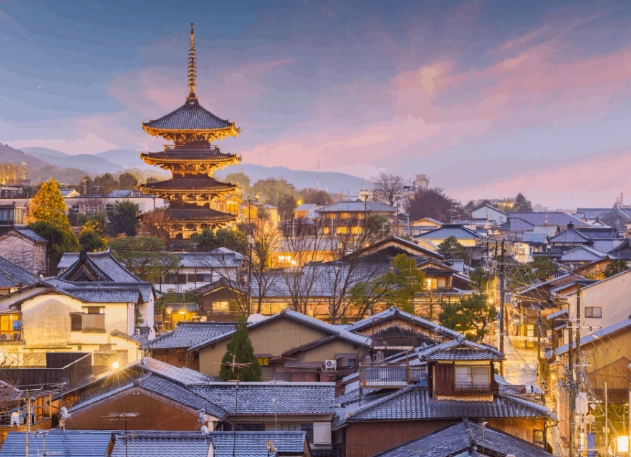
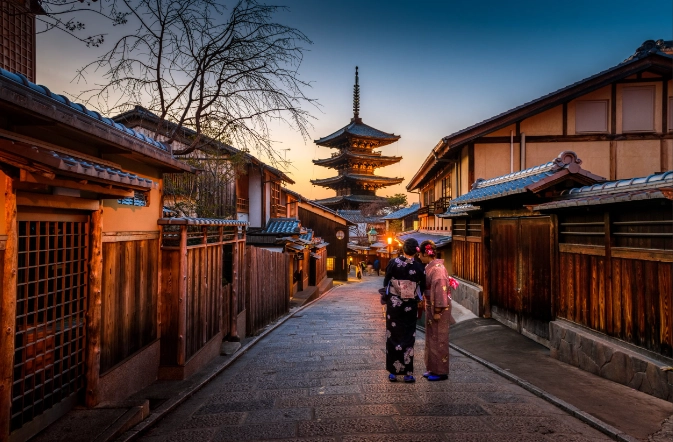
Day 7: Southern Higashiyama. Walk from Kiyomizu-dera temple (¥400) down Sannen-zaka and Ninen-zaka preserved streets to Yasaka Shrine. This is the postcard-perfect old Kyoto. Depart from Kansai International Airport (KIX).
This is a sprint. You'll get a powerful taste of modern and traditional Japan, but you'll need to be organized and accept you're just scratching the surface.
The 10-Day Japan Itinerary: The Sweet Spot for Most
Ten days is where Japan starts to open up. You can comfortably add a third major destination without feeling breathless. This is the itinerary I most often recommend for first-time visitors.
You can follow the 7-day plan above and simply add 3 days for Osaka and Nara. Or, redistribute the time for a more relaxed pace in Tokyo and Kyoto.
10-Day Itinerary with Osaka & Nara
| Day | Base | Highlights & Practical Details |
|---|---|---|
| 1-4 | Tokyo | As per the 7-day plan. Consider adding a day in Akihabara for electronics/anime or Shimokitazawa for vintage shopping. |
| 5-6 | Kyoto | Focus on Fushimi Inari, Arashiyama, and the Gion/Higashiyama area. With the extra day, visit the less-crowded Philosopher's Path or the stunning Ryoan-ji rock garden. |
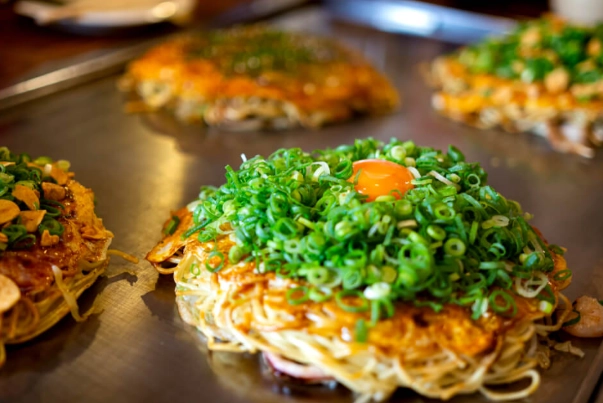
| 7-8 | Osaka | 30-min train from Kyoto. Stay near Namba. Dive into Dotonbori at night for takoyaki and okonomiyaki. Visit Osaka Castle (¥600, 9:00 AM-5:00 PM) and spend a half-day at the incredible teamLab Botanical Garden Osaka in Nagai Park (tickets required). |
| 9 | Day Trip to Nara | 45-min train from Osaka. Feed the famous deer in Nara Park (deer crackers ¥200). Visit Todai-ji Temple (¥600) to see the giant Buddha. Return to Osaka. |
| 10 | Departure | Fly out of Kansai (KIX) or return to Tokyo for a flight from Narita/Haneda. |
The advantage here is variety. You get Tokyo's energy, Kyoto's grace, Osaka's incredible food scene, and a memorable day with Nara's deer. The pace is still active but more sustainable.
The 14-Day Japan Itinerary: Deep Dive into Culture
Two weeks is a luxury that lets you explore a fourth region or slow down significantly. You can venture beyond the main tourist trail.
Option A: The Classic Extended Route. Tokyo (5 days) -> Hakone (1 day for onsens and Mt. Fuji views) -> Kyoto (4 days) -> Hiroshima/Miyajima (2 days) -> Osaka (2 days). This adds the profound historical site of the Hiroshima Peace Memorial Museum (free, closed some Mondays) and the iconic "floating" torii gate of Itsukushima Shrine on Miyajima island.
Option B: The Deep Regional Dive. Instead of ticking off more cities, spend your extra time in one area. For example:
Spend a full 7 days in Kyoto Prefecture, adding day trips to Uji for matcha, Kurama for mountain hiking and onsens, and Ohara for rural temples.
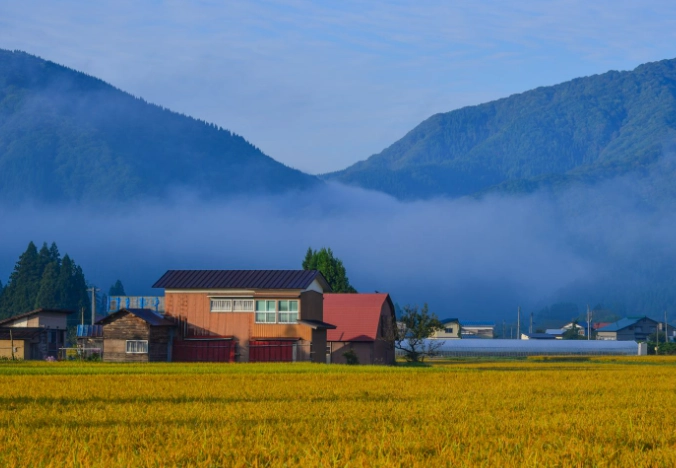
Or, after Tokyo and Kyoto, head north to the Japanese Alps (Takayama, Shirakawa-go) or south to subtropical Okinawa for a completely different vibe.
With 14 days, you can finally breathe. You have time for a slow morning in a café, an unplanned discovery, or simply recovering from all the walking. This is the length where you start to feel the rhythm of the country, not just its highlights.
How to Optimize Any Japan Itinerary
No matter how many days you have, these tips will make your trip smoother.
Get the right rail pass. The Japan Rail Pass price increased significantly in 2023. For a 7-day Tokyo-Kyoto-Osaka round trip, it's now often cheaper to buy individual Shinkansen tickets. Use the official JR Pass Calculator or the Japan Travel by Navitime app to run the numbers.
Book accommodation near a major train station. It might cost ¥1000 more per night, but saving 30 minutes and multiple subway transfers each day is worth it. In Tokyo, stations like Shinjuku, Shimbashi, or Ueno are hubs. In Kyoto, being near Kyoto Station or a subway line is key.
Schedule temple/shrine visits for early morning or late afternoon. The difference between 8:30 AM and 11:00 AM at Kiyomizu-dera is the difference between a spiritual experience and a crowded queue. Similarly, Fushimi Inari is open 24/7—go for sunrise or after dinner.
Don't over-plan meals. Japan's baseline food quality is astonishingly high. The ramen shop with a vending machine ticket system and a line of locals is often better than the Instagram-famous place. Wander down any shotengai (shopping street) and you'll find winners.
Your Japan Trip Questions, Answered
Is 7 days in Japan enough for a first-time visitor?
It's enough for a compelling introduction, but it will feel rushed. You'll see major sights in Tokyo and Kyoto, but you'll be constantly aware of the clock. If 7 days is all you have, go for it—focus on two cities max. But if you can stretch to 10 days, the quality of your experience improves dramatically.
How does the time of year affect how many days I need?
Seasonal crowds can slow you down. Late March to April (cherry blossoms) and November (autumn colors) are stunning but extremely busy. Attractions are more crowded, trains are fuller, and you may need to queue for popular restaurants. Adding a buffer day or two during these peak seasons is wise. Summer (June-August) is hot and humid, which can tire you out faster, potentially shortening effective sightseeing days.
I'm on a tight budget. Should I take a shorter trip or a longer, slower one?
This is counterintuitive, but sometimes a longer, slower trip can be more budget-friendly per day. A frantic 7-day sprint often means more expensive Shinkansen trips, less time to find affordable local eateries, and more stress-induced convenience store meals. A 10-day trip where you stay 5 days in Tokyo and 5 in Kyoto, using local trains and buses, can have a lower daily cost than trying to cram four cities into a week. The biggest fixed costs are your flight and the JR Pass (if you buy it). Spread those over more days.
Can I see both Tokyo and Kyoto in 5 days?
Technically yes, but I strongly advise against it. With jet lag and travel time, you'd have about 1.5 days in each city. You'd spend your entire trip in transit or recovering from transit, seeing almost nothing in depth. You'd leave with only a blurry impression. If you only have 5 days, pick one city and its surroundings. You'll have a much richer, more memorable experience.
What's the one thing most people forget to factor into their Japan itinerary?
Downtime. People plan every hour from 7 AM to 10 PM. Japan is stimulating, walking-intensive, and can involve complex navigation. You will get tired. You'll see a charming alleyway you want to explore. You'll stumble upon a festival. Schedule at least a few open-ended afternoons or evenings. Some of my best memories are from unscheduled time, not from checking off a list.

Comments