Let's be honest. Your first time in Tokyo feels like stepping onto another planet. The neon signs in Shinjuku, the silent efficiency of the subway, the dizzying peace of a hidden temple garden just steps from a roaring highway. I've been visiting for over a decade, and that feeling never quite goes away—it just gets more fascinating. This guide isn't just a list of places. It's the manual I wish I had, packed with the obvious sights you can't miss and the subtle details most guides skip. We'll cover how to navigate the city without losing your mind, where to eat without breaking the bank, and how to craft an itinerary that feels like an adventure, not a checklist.
Your Tokyo Travel Blueprint
- Why Tokyo Deserves Your Time
- Planning Your Days: Sample Itineraries
- Must-See Attractions & How to Tackle Them
- The Tokyo Food Map: From Sushi to Street Eats
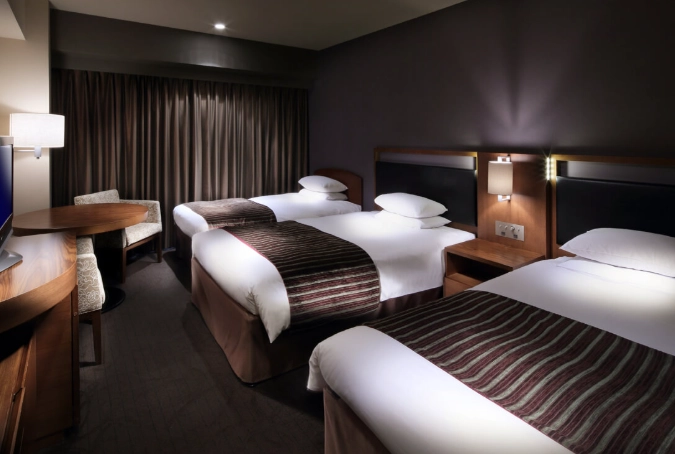
- Where to Stay: Neighborhoods for Every Traveler
- Getting Around Tokyo: A Survival Guide
- Pro Tips & Common Mistakes to Avoid
- Your Tokyo Travel Questions Answered
Why Tokyo Deserves Your Time
Tokyo is a city of layers. On the surface, it's all futuristic skyscrapers and hyper-consumerism. Scratch that surface, and you find centuries-old traditions, intimate neighborhood bars (izakayas), and a profound respect for craftsmanship in everything from a ¥10,000 sushi meal to the perfect plastic food model. It's incredibly safe, obsessively clean, and despite the language barrier, one of the most hospitable places you'll ever visit. The challenge—and the joy—is in learning to read its rhythms.
Planning Your Days: Sample Itineraries
Don't try to see it all. Tokyo is massive. Focus on one or two areas per day to avoid spending your entire trip underground on trains.
A Classic 3-Day Tokyo Blitz
Day 1: Old & New East. Morning at Senso-ji Temple and Nakamise-dori. Afternoon at Tokyo Skytree for panoramic views. Evening exploring the bars and tiny restaurants of atmospheric Asakusa backstreets.
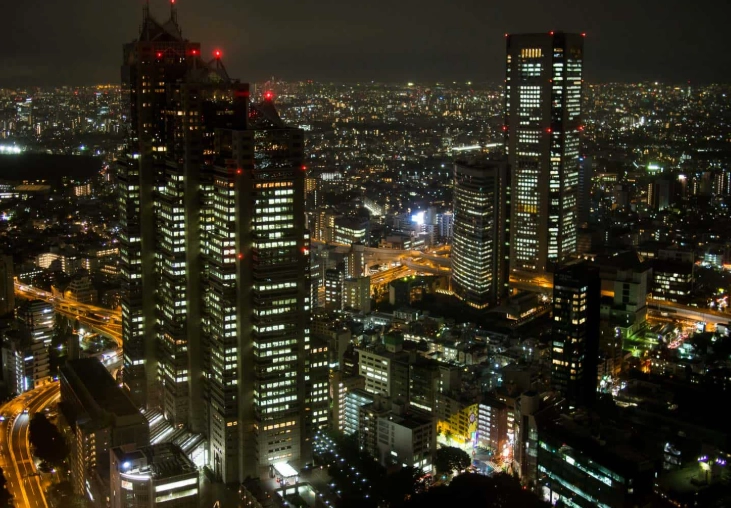
Day 2: Modern Heartbeat. Harajuku for Takeshita Street (go early!) and Meiji Jingu shrine. Walk to Shibuya for the scramble crossing and Hachiko statue. Evening in Shinjuku for Kabukicho lights and a drink at a rooftop bar in the Tokyo Metropolitan Government Building (it's free).
Day 3: Culture & Shopping. Tsukiji Outer Market for breakfast. TeamLab Planets or Borderless digital art museum (book weeks ahead). Late afternoon shopping in Ginza or Shinjuku.
If You Have 5-7 Days
Add a day trip. Kamakura for the Great Buddha and temple hikes is an easy hour by train. Nikko for stunning UNESCO-listed shrines is a bit farther but worth the journey. Within Tokyo, dedicate time to deeper exploration: a full day in the museums of Ueno Park, a relaxed bike ride along the Sumida River, or hunting for vintage fashion in Koenji.
My Itinerary Hack: Group attractions by their train line. For example, Harajuku, Shibuya, and Shinjuku are all on the JR Yamanote Line. Planning this way saves you time, money, and confusion.
Must-See Attractions & How to Tackle Them
Here's the breakdown of Tokyo's highlights, with the practical details you need to plan.
Traditional Culture & History
Senso-ji Temple (Asakusa): Tokyo's oldest temple. It's always packed, so go at 8 AM to experience it in relative peace before the tour buses arrive. The Nakamise-dori shopping street leading to it is touristy, but you can find decent souvenirs and fresh ningyo-yaki (small cakes). Address: 2-chome-3-1 Asakusa, Taito City. Open 24/7 for the grounds, temple buildings ~6:00-17:00. Free. Nearest station: Asakusa (Ginza Line).
Meiji Jingu (Harajuku): A vast, serene Shinto shrine dedicated to Emperor Meiji, nestled in a forest right next to hyper-trendy Harajuku. The contrast is stunning. Address: 1-1 Yoyogikamizonocho, Shibuya City. Open from sunrise to sunset. Free. Nearest station: Harajuku (JR Yamanote Line).
Modern Landmarks & Views
Shibuya Crossing: The iconic scramble. Don't just cross it—watch it from the second-floor Starbucks in the Tsutaya building (always crowded) or the Magnet by Shibuya 109 building's rooftop viewing deck (usually has a small fee). Best at dusk when the lights come on.
Tokyo Skytree: Tallest structure in Japan. The view is undeniably impressive, but it's expensive and can have long queues. For a cheaper, classic alternative with a great view of Tokyo Tower itself, try the Tokyo Metropolitan Government Building in Shinjuku. It's completely free. Tokyo Skytree Address: 1-chome-1-2 Oshiage, Sumida City. Hours: 10:00-21:00. Admission: Tembo Deck ~¥2,100. Nearest station: Tokyo Skytree Station.
Key Districts & Shopping
Shinjuku: A city within a city. East side for skyscrapers, department stores, and the chaotic (but safe) entertainment district of Kabukicho. West side for the sleek government buildings and Park Hyatt Tokyo (of Lost in Translation fame).
Ginza: High-end luxury shopping. Even if you're not buying, window-shop at the flagship stores. Don't miss the Ginza Six building's rooftop garden—a free oasis.
Akihabara: Electric Town for anime, manga, and electronics. Goes from quirky to overwhelming fast. A must for fans, but for others, an hour of sensory overload might be enough.
The Tokyo Food Map: From Sushi to Street Eats
Eating is a top activity here. You can spend a fortune or eat incredibly well for very little.
For Sushi: Skip the famous, impossible-to-book sukiyabashi Jiro. For a fantastic, accessible experience, head to the Tsukiji Outer Market or a reputable conveyor belt chain like Sushiro or Kura Sushi. For a mid-range omakase, try a place in Ginza like Sushi Dai (still requires queuing). Sample: Sushi Dai (Tsukiji). Address: 4-chome-13-9 Tsukiji, Chuo City. Expect to queue 1-2 hours. Set course from ~¥4,000.
Ramen: It's a religion. Don't just go to Ichiran (it's fine, but a chain). Explore the backstreets of Shinjuku or Ikebukuro. Look for a machine outside to buy your ticket—this is normal. My personal favorite hole-in-the-wall is Nakiryu in Otsuka, famous for its dandan noodles (it has a Michelin star but remains reasonably priced).
Izakaya (Pub Grub): Essential for dinner. Omoide Yokocho in Shinjuku is a famous warren of tiny stalls. For a less touristy feel, try Nonbei Yokocho near Shibuya. Point at what others are eating or order staples: yakitori (grilled skewers), edamame, and a cold beer (nama biru).
A Common Mistake: Trying to find a "dinner restaurant" that serves food from 6 PM to 11 PM like in the West. Many specialized Japanese restaurants have specific lunch (11:30-14:00) and dinner (17:00-21:00) hours, with last orders often an hour before closing. Plan ahead or rely on izakayas, which are more flexible.
Where to Stay: Neighborhoods for Every Traveler
Location is everything. Here’s a quick comparison of top bases.
| Neighborhood | Vibe | Best For | Price Range (Per Night) | Station Access |
|---|---|---|---|---|
| Shinjuku | Bustling, commercial, 24/7 energy | First-timers, nightlife, major transport hub | Mid to High | Shinjuku Station (multiple lines) |
| Shibuya | Youthful, trendy, fast-paced | Shopping, seeing the scramble, younger travelers | Mid to High | Shibuya Station (multiple lines) |
| Ginza / Tokyo Station | Upscale, polished, central | Luxury shopping, business travelers, day trips | High | Tokyo Station (Shinkansen hub) |
| Asakusa | Traditional, older charm, quieter nights | Budget travelers, temple access, old Tokyo feel | Low to Mid | Asakusa Station (Ginza Line) |
| Ueno | Local, relaxed, great museums | Families, museum-goers, park lovers | Low to Mid | Ueno Station (Shinkansen access) |
My recommendation for a first visit? Shinjuku or Shibuya. Being on the JR Yamanote Line is a game-changer for navigating the city. For a more local and slightly cheaper feel, Shimbashi or Hamamatsucho are excellent, less chaotic alternatives still on key train lines.
Getting Around Tokyo: A Survival Guide
The subway and train network is impeccable but complex.
Suica / Pasmo Card: Get one immediately at any station vending machine. Tap in and out on buses, trains, and subways. You can even use it to pay at convenience stores and vending machines. Load it with ¥3,000 to start.
Google Maps is your best friend. It gives precise train times, platform numbers, and fares. Follow it religiously.
JR Pass? Only consider a Japan Rail Pass if you are taking the Shinkansen bullet train to cities like Kyoto or Osaka. For travel within Tokyo only, it is almost never worth it. A Tokyo Metro 24/48/72-hour ticket can be economical if you plan to use the subway heavily on consecutive days.
Walking is key. Stations are often farther apart on the map than they seem. Wear comfortable shoes.
Pro Tips & Common Mistakes to Avoid
- Cash is still king. While credit cards are accepted in major stores, many small restaurants, temples, and market stalls are cash-only. Always carry ¥10,000-¥20,000.
- Don't speak on the phone on trains. It's considered rude. Text or stay silent.
- No tipping. Service is included. Tipping can confuse and embarrass staff. A simple thank you (arigatou gozaimasu) is perfect.
- Use luggage forwarding. If changing cities, use the takkyubin service (like Yamato Transport) to send your suitcase from your hotel to your next hotel. It's affordable (around ¥2,000 per bag) and saves you wrestling luggage on crowded trains.
- Convenience stores (Konbini) are lifesavers. 7-Eleven, FamilyMart, Lawson. They have great cheap food, clean bathrooms, and ATMs that accept foreign cards.
Your Tokyo Travel Questions Answered
How many days in Tokyo is enough?
I'd say five days is the sweet spot. It gives you three days for the major city highlights, one day for a deeper dive into a specific interest (anime, fashion, museums), and one day for a side trip to Kamakura or Hakone. With only three days, you'll be rushed but can hit the absolute essentials.
Is Tokyo expensive to visit?
It can be, but it doesn't have to be. Accommodation and long-distance transport are the big costs. You can eat extremely well for under ¥1,000 per meal at ramen shops, curry houses, and konbini. Many temples, parks, and neighborhoods are free to explore. Set a budget, prioritize, and you'll find it more manageable than cities like London or New York.
Can I travel in Tokyo without speaking Japanese?
Absolutely. Signs in train stations and major areas are in English and Japanese. Learn a few basic phrases (hello, thank you, excuse me), use Google Translate's camera function for menus, and don't be afraid to point or use simple words. People are generally patient and will try to help. The biggest barrier isn't language—it's understanding the unspoken social rules, like queuing orderly and being quiet in public spaces.
What's the best time of year to visit Tokyo?
Late March to early April for cherry blossoms (but it's crowded and expensive). October to November for crisp autumn weather and beautiful fall colors. May and late September can also be pleasant. I'd avoid the humid, rainy summer (June-August) and the chilly, short days of mid-winter unless you're coming for illuminations or skiing.
Where should I buy a JR Pass, and is it worth it for just Tokyo?
You must purchase the JR Pass Exchange Order outside of Japan before you travel. Once in Japan, you exchange it for the actual pass at major stations. For Tokyo-only travel, it is not worth it. The pass is designed for long-distance Shinkansen travel between cities. Within Tokyo, your Suica card and maybe a subway pass are all you need. A common tourist mistake is buying a 7-day pass for a Tokyo-only trip and losing money.

Comments