Japan on a budget? Absolutely possible. I've done it multiple times, spending under $50 a day without skipping the good stuff. Forget the myth that Japan is only for luxury travelers. With some smart moves, you can soak in the culture, eat well, and see the sights without draining your wallet. Let's dive into the practical details.
What You’ll Find Inside
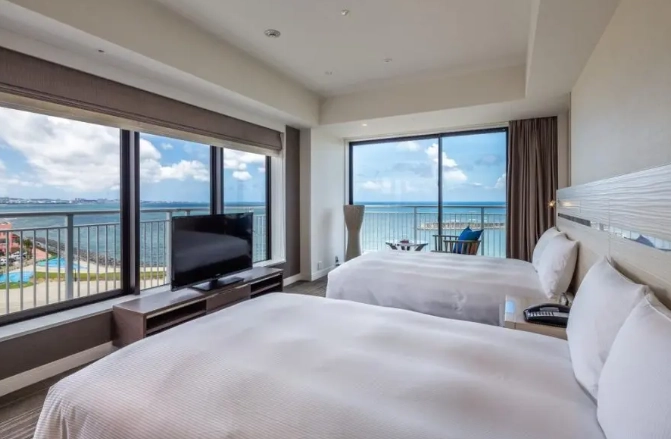
How to Save on Accommodation in Japan
Accommodation is your biggest expense, but it doesn't have to be. I learned this the hard way on my first trip, overspending on a hotel in Ginza. Now, I stick to budget options that are clean and convenient.
Capsule Hotels and Guesthouses: The Real Savers
Capsule hotels aren't just for novelty; they're efficient and cheap. For example, Nine Hours Shinjuku offers a pod for $30 per night. Address: 1-4-15 Hyakunincho, Shinjuku City, Tokyo. It's basic but has free Wi-Fi and showers. Guesthouses are better for socializing. Grids Hostel Asakusa costs $25 per night for a dorm bed. Address: 2-11-1 Asakusa, Taito City, Tokyo. The downside? Noise can be an issue, so bring earplugs.
Pro tip: Book 2-4 weeks in advance for the best rates. Avoid peak seasons like cherry blossom (late March to April) when prices double. Use sites like Booking.com, but filter by guest ratings above 8.0 to avoid dumps.
Business Hotels and Ryokan Deals
Business hotels like Toyoko Inn are chains with rooms around $40-$60 per night. They're no-frills but include breakfast. For a traditional experience, look for budget ryokan in rural areas. I stayed at K's House Ito Onsen in Izu Peninsula for $35 per night—it had shared baths and tatami rooms. Address: 12-13 Yukawa, Ito City, Shizuoka.
Here's a quick comparison of budget stays:
| Type | Average Price/Night | Best For | Example |
|---|---|---|---|
| Capsule Hotel | $20-$40 | Solo travelers, short stays | Nine Hours Shinjuku |
| Guesthouse/Hostel | $25-$40 | Social travelers, groups | Grids Hostel Asakusa |
| Business Hotel | $40-$60 | Comfort, convenience | Toyoko Inn chain |
| Budget Ryokan | $30-$50 | Cultural experience | K's House Ito Onsen |
Don't overlook Airbnb, but be cautious—some are illegal in residential areas. Stick to licensed ones, often cheaper in suburbs.
Budget-Friendly Eats in Japan: Where to Eat Cheap
Japanese food doesn't have to mean sushi at $100 a plate. You can eat delicious meals for under $10 if you know where to look.
Convenience Stores and Standing Bars
7-Eleven, FamilyMart, and Lawson are lifesavers. Their onigiri (rice balls) cost ¥100-¥200 ($0.70-$1.40), and bento boxes are ¥500-¥800 ($3.50-$5.60). I survived on these for breakfasts. For lunch, try standing sushi bars like Uogashi Nihon-Ichi in Tokyo. Address: multiple locations, including Shinjuku. A plate of sushi is ¥100-¥200 per piece, and you can fill up for under $10. They're cramped, but that's part of the charm.
Izakayas and Local Markets
Izakayas are Japanese pubs where small plates start at ¥300 ($2). Go for yakitori (grilled chicken skewers) or edamame. In Kyoto, Nishiki Market has street food like takoyaki (octopus balls) for ¥500 per serving. Address: Nakagyo Ward, Kyoto, open 9:00 AM to 6:00 PM. Avoid tourist traps near major stations—prices are inflated.
One mistake I made was assuming all ramen is cheap. Some specialty shops charge ¥1,500 ($10) or more. Stick to chain stores like Ichiran or local spots in residential areas. In Osaka, try Ramen Yashichi in Dotonbori—bowls start at ¥600 ($4). Address: 1-6-12 Dotonbori, Chuo Ward, Osaka.
Free and Cheap Attractions You Can't Miss
Japan is packed with free sights if you skip the paid tours. Here are my top picks.
Temples and Shrines
Most temples and shrines are free to enter, though some charge a small fee for gardens. Senso-ji Temple in Tokyo is free and open 6:00 AM to 5:00 PM. Address: 2 Chome-3-1 Asakusa, Taito City. In Kyoto, Fushimi Inari Shrine is free and open 24/7—go at sunrise to avoid crowds. Address: 68 Fukakusa Yabunouchicho, Fushimi Ward, Kyoto. The torii gates are stunning, but the hike can be tiring; wear comfy shoes.
Parks and Museums
Ueno Park in Tokyo is free and has museums nearby. The Tokyo National Museum charges ¥1,000 ($7), but check for free days—often on the first Sunday of the month. In Kyoto, the Philosopher's Path is a free walking trail along a canal, best in cherry blossom season. For city views, skip the Tokyo Skytree (¥2,100/$15) and head to the Tokyo Metropolitan Government Building in Shinjuku—it's free and open 9:30 AM to 11:00 PM. Address: 2-8-1 Nishishinjuku, Shinjuku City.
Here's a list of budget attractions with details:
- Senso-ji Temple, Tokyo: Free, 6:00 AM-5:00 PM, Asakusa Station.
- Fushimi Inari Shrine, Kyoto: Free, 24/7, Fushimi-Inari Station.
- Imperial Palace East Gardens, Tokyo: Free, 9:00 AM-4:30 PM, closed Mondays, Otemachi Station.
- Osaka Castle Park: Free to enter, castle tower ¥600 ($4), 9:00 AM-5:00 PM, Osakajokoen Station.
Many travelers overlook local festivals, which are often free. Check Japan National Tourism Organization for events during your visit.
Transportation Hacks for Budget Travelers
Getting around Japan can eat your budget if you're not careful. I've wasted money on taxis before learning these tricks.
Japan Rail Pass: Is It Worth It?
The Japan Rail Pass (JR Pass) costs around $250 for 7 days. It's only worth it if you're doing long-distance travel, like Tokyo to Kyoto (which costs ¥13,000/$90 one-way without the pass). If you're staying in one region, skip it. For example, for a Tokyo-focused trip, buy a Suica card and load it with ¥2,000-¥3,000 ($14-$21). Suica works on trains, buses, and at stores.
Local Passes and Buses
City passes save money. The Tokyo Metro 24-hour ticket is ¥600 ($4) for unlimited subway rides. In Kyoto, the bus one-day pass is ¥600 ($4)—buses cover most attractions. For intercity travel, consider overnight buses. Willer Express offers Tokyo to Osaka for ¥4,000-$6,000 ($28-$42), saving on a night's accommodation. Book online in advance.
Walking is underrated. In cities like Kyoto, many temples are within walking distance. I saved ¥500 daily by skipping short bus rides.
A Sample 7-Day Japan Budget Itinerary
Here's a realistic plan based on my own trips, keeping costs under $500 for the week excluding flights.
Day 1-3: Tokyo – Stay at a capsule hotel in Asakusa ($30/night). Day 1: Senso-ji Temple (free), Ueno Park (free). Day 2: Tokyo Metropolitan Government Building (free), Shinjuku exploration. Day 3: Day trip to Kamakura using a local train (¥900/$6 round-trip). Eat at convenience stores and standing bars.
Day 4-5: Kyoto – Take an overnight bus from Tokyo to Kyoto ($35). Stay at a guesthouse near Gion ($25/night). Day 4: Fushimi Inari Shrine (free), Nishiki Market (street food $5). Day 5: Philosopher's Path (free), Kinkaku-ji Temple (¥400/$3). Use the bus pass.
Day 6-7: Osaka – Train from Kyoto to Osaka (¥560/$4). Stay at a business hotel in Namba ($40/night). Day 6: Osaka Castle Park (free entry), Dotonbori for cheap eats. Day 7: Day trip to Nara by train (¥560/$4) to see free-roaming deer.
Total estimated cost: Accommodation $210, food $105, transport $80, attractions $20 = $415. Adjust based on your pace.
FAQs About Japan Budget Travel
Japan budget travel is about smart choices, not deprivation. With these tips, you can experience the essence of Japan without overspending. Start planning, and remember—the best memories often come from the simple, cheap moments.

Comments