Let's get straight to the point. Japan's cherry blossom season, or sakura, is magical, but planning a trip around it can feel overwhelming. When exactly do they bloom? Where should you go to avoid the postcard-perfect but nightmare-level crowds? How do you actually do a hanami (flower viewing) party like a local? I've been chasing sakura across Japan for over a decade, and I'm here to cut through the fluff. This guide gives you the hard facts, specific locations, and the kind of advice you only get from making mistakes (like showing up with a useless picnic blanket).
Your Sakura Journey at a Glance
Getting the Timing Right: The Sakura Forecast
This is the single most important thing you'll do. The bloom moves north like a wave, called the sakura zensen (cherry blossom front). Tokyo and Kyoto typically hit peak bloom (when 80% of buds are open) around late March to early April. But "typically" is the killer. A warm winter can push this forward by a week. A cold snap can delay it.
You must check the official forecast. The Japan Meteorological Corporation releases detailed predictions in late January, updating them weekly. Don't rely on generic blog posts from last year. Bookmark their page.
My Non-Consensus Tip: Everyone aims for "peak bloom." I actually prefer the few days just before peak. The trees are about 50-70% open, the crowds are slightly thinner, and you get beautiful blue skies framing the pink and white buds. Once full bloom hits, a strong rain or wind can end the party overnight.
Peak bloom lasts only about a week. After that, you get hazakura – falling petals like snow. It's stunning in its own right, especially at night under lights.
Where to Go: Top Cherry Blossom Spots Broken Down
Forget just listing pretty parks. You need to know what you're getting into – the vibe, the crowds, the logistics. Here’s a breakdown of iconic and personal favorite spots.
| Location & City | What's Special | Best For | Key Practical Info |
|---|---|---|---|
| Shinjuku Gyoen, Tokyo | A massive, diverse garden with over 1,000 trees of early & late-blooming varieties. It's a paid park. | >A relaxed, spacious stroll. Great if you miss the main peak.Address: 11 Naitomachi, Shinjuku City. Hours: 9:00-17:30 (last entry 16:30). Fee: ¥500. Big Pro: Alcohol is prohibited, keeping it calm. Nearest Station: Shinjuku-sanchome. |
|
| Chidorigafuchi, Tokyo | Boating on a moat surrounded by a tunnel of blossoms. The quintessential postcard shot. | >Romantic boat rides and incredible night illumination.Boat Rental: ~¥800 for 30 mins. Lines get insane (2+ hours) on weekends. Go on a weekday morning. No official "address," it's the moat northwest of the Imperial Palace. Nearest Station: Kudanshita or Hanzomon. |
|
| Philosopher's Path, Kyoto | A serene canal-side path lined with hundreds of trees, connecting temples. | >A peaceful, contemplative walk (if you go early).Address: Starts near Ginkaku-ji (Silver Pavilion). Free to walk. Critical Tip: Be there by 7:30 AM. By 10 AM, it's a slow-moving human river. The temples at either end (Ginkaku-ji, Nanzen-ji) are also stunning. |
|
| Maruyama Park, Kyoto | >The city's most famous hanami party spot, centered around a giant weeping cherry tree. >The full, bustling, festive hanami party experience with food stalls.Address: Next to Yasaka Shrine in Gion. Free. Gets packed by noon. Claim a spot early evening for night viewing (yozakura), which is spectacular here. Nearest Station: Gion-Shijo or bus to Higashiyama Yasui. |
||
| Osaka Castle Park, Osaka | >Over 3,000 trees with the iconic castle as a backdrop. Immense scale. >Families, big group picnics, and dramatic photos.Address: 1-1 Osakajo, Chuo Ward. Grounds are free (castle entry fee separate). Very crowded but space to spread out. Lots of food vendors. Great for an energetic, social vibe. Nearest Station: Osakajokoen or Tanimachi 4-chome. |
Consider a day trip if you're based in Tokyo or Kyoto. From Tokyo, Kawagoe offers blossoms with old warehouse scenery. From Kyoto, Nara Park is magical with deer wandering under blooming trees.
My personal hidden gem? The riverside in Yoshino, Nara Prefecture. It's a pilgrimage to get there, but you see thousands of trees covering entire mountain slopes. It feels ancient.
How to Throw a Perfect Hanami Party
This is the cultural heart of cherry blossom viewing. It's not just looking; it's celebrating under the trees.
What You Absolutely Need to Bring
First, the ground sheet. Don't bring a nice wool blanket. The ground is often damp, and you'll be sitting for hours. Japanese use large, thick blue plastic tarps. You can buy them at any Daiso or Don Quijote for ¥500. Get one bigger than you think. Pro tip: bring masking tape to secure the corners if it's windy.
Other non-negotiables:
- Wet wipes. For hands before eating.
- A dedicated trash bag. You are expected to take ALL your trash with you. Public bins are rare.
- Hand warmers (kairo). Evenings get cold quickly.
- Cash. For food stalls or drinks from nearby convenience stores.
- A portable battery pack. You'll be taking photos and maps drain phones.
The Food and Drink
You can go all out with a homemade bento featuring sakura-mochi (pink rice cake) or dango (sweet dumplings). Or, be practical: hit a 7-Eleven or FamilyMart. Their hanami bento boxes are surprisingly good and designed for the occasion. Grab some fried chicken (karaage), sandwiches, and onigiri.
For drinks, beer and sake are traditional. Happoshu (sparkling low-malt beer) is popular. Also consider sakura-flavored drinks or tea. Bring a thermos with hot green tea if it's chilly.
The biggest mistake I see tourists make? Not bringing enough warmth for the evening. The party starts sunny and ends with you shivering in a thin jacket.
Building Your Sakura Itinerary
Here’s how to structure your days, assuming a 5-7 day trip centered on Tokyo and Kyoto.
Day 1-2 (Tokyo): Hit one major spot early. Chidorigafuchi for morning boating (be in line before 9 AM). Afternoon, wander Ueno Park (it's huge and always festive, but very crowded) or Yoyogi Park for a more local, relaxed party vibe. Evening, see the illuminations at Roppongi Hills or Tokyo Midtown.
Day 3 (Day Trip from Tokyo): Take a train to Kamakura. See blossoms at Tsurugaoka Hachimangu Shrine and along the Komachi-dori shopping street. Less intense than central Tokyo.
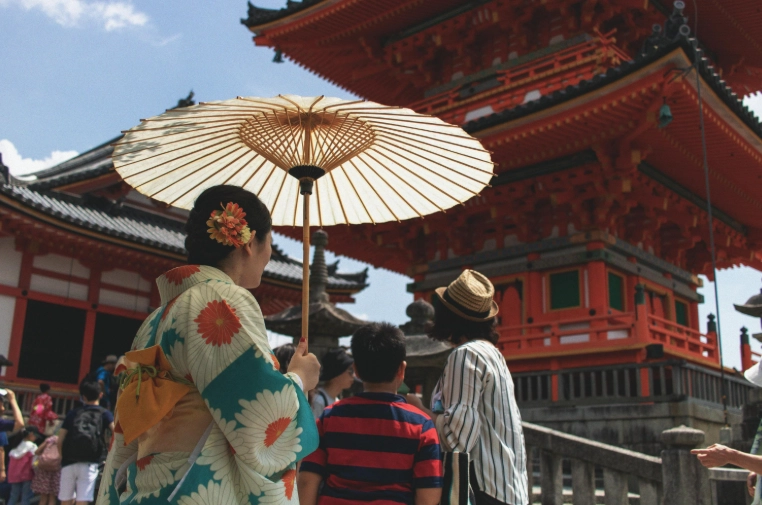
Day 4-5 (Kyoto): This is the early morning strategy zone. Philosopher's Path at sunrise. Then to Kiyomizu-dera (opens at 6 AM during season) for a breathtaking view over the city awash in pink. Afternoon, visit Maruyama Park to soak in the party atmosphere and stay for yozakura.
Day 6 (Nara Day Trip): Nara Park. Feed the deer, see the blossoms around Todaiji Temple. It's a perfect blend.
If you have more time, add Kanazawa (Kenrokuen Garden is sublime) or head north to Hirosaki Castle in Aomori for a late April bloom.
Capturing the Moment: Photography Tips
Everyone has a camera now. To make your shots stand out:
Light is everything. Golden hour (just after sunrise, just before sunset) makes the colors glow. Midday sun creates harsh shadows.
Find a focal point. A pagoda, a lantern, a person in a kimono. It gives the scene scale and story. Just a close-up of blossoms can look like stock photography.
Shoot from a low angle. Point up towards the sky through the branches. It helps eliminate crowded backgrounds.
For night shots (yozakura): Your phone will struggle. If you can, bring a small tripod. Rest it on a bench or railing. Use the night mode and a timer to avoid shake. The contrast of the lit blossoms against the dark sky is unforgettable.
Don't get so obsessed with getting the perfect shot that you forget to just sit and look. Some of my best memories are from when I put the camera away.


Comments