Let's cut to the chase. Planning where to stay in Shikoku isn't just about booking a bed. It's about choosing an experience that shapes your entire trip. I've spent years hopping between the island's prefectures, from the bustling streets of Takamatsu to the serene valleys of Iya, and I've seen travelers make the same mistakes—overpaying for bland hotels or missing out on authentic ryokan because they booked too late.
Jump Straight to What You Need
Why Shikoku Accommodation is Unlike Anywhere Else in Japan
Shikoku feels different. It's less crowded, more rooted in tradition, and that extends to where you sleep. Forget generic high-rises. Here, accommodation often blends with the landscape—think family-run minshuku nestled in citrus groves or historic ryokan overlooking pilgrimage routes. The value isn't just in the room; it's in the morning mist over a private garden onsen or the home-cooked breakfast using local sweet potatoes.
I remember staying at a place in Kochi where the owner drove me to a hidden waterfall at dawn. You won't get that in a chain hotel. But that intimacy means options can be limited, especially in rural areas. If you're aiming for a specific ryokan during the spring cherry blossom season, you need to move fast. Last year, I watched a friend panic because she assumed she could book a week out—everything was gone.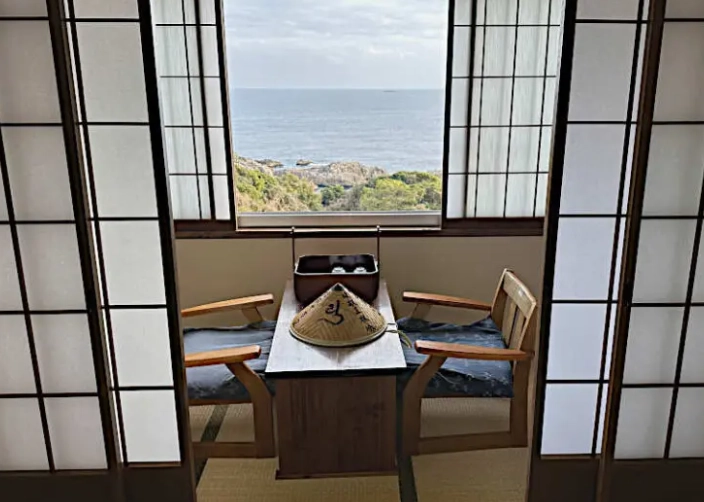
The Real Breakdown of Shikoku Stays: From Luxury to Budget
Let's get practical. Shikoku's accommodation falls into a few clear categories, each with its own vibe and price tag.
Traditional Ryokan: More Than Just a Room
Ryokan are the heart of Japanese hospitality. You're paying for an experience: tatami mats, futon beds, multi-course kaiseki dinners, and often included onsen access. Prices range from ¥15,000 to over ¥40,000 per person per night. But here's a nuance most guides miss—the quality of the onsen water varies. Some ryokan use natural hot springs (温泉), while others rely on heated tap water. Always check if they advertise "天然温泉" (natural spring). I once booked a ryokan in Matsuyama that promised an onsen, but it was just a fancy bath with added minerals. Still nice, but not the real deal.
Business Hotels: Reliable but Predictable
Think Toyoko Inn or APA Hotel. They're everywhere in cities like Takamatsu and Tokushima. You get a clean, compact room with Wi-Fi, often for ¥6,000 to ¥12,000 per night. Perfect if you're just crashing after a day of sightseeing. The downside? They can feel sterile. I use them when I need convenience, but they lack character. A pro tip: book directly on their Japanese websites for better rates—sometimes 10-15% cheaper than international booking platforms.
Minshuku and Guesthouses: Where Locals Shine
These are family-run guesthouses, often in rural areas. Prices are lower, around ¥4,000 to ¥8,000 per night with breakfast. You might share a bathroom, but the hospitality is warm. I stayed at a minshuku in the Iya Valley where the host taught me how to make soba noodles. The catch? English can be limited. Don't expect a fluent conversation, but a smile and a phrasebook go a long way. These places are gold for budget travelers wanting authenticity.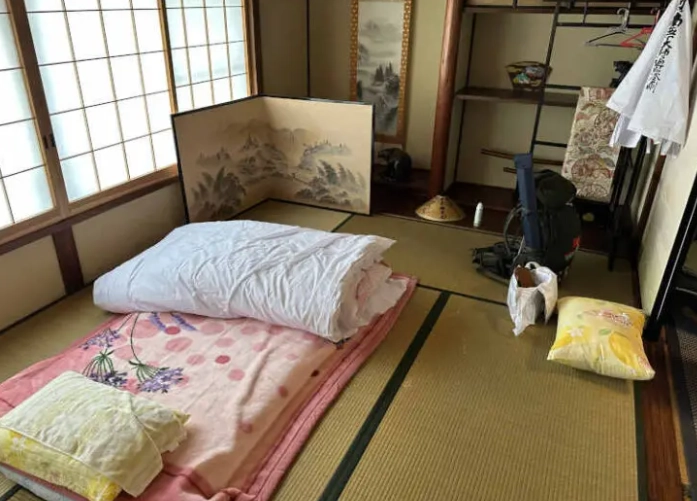
Personal take: If you're after culture, splurge on a ryokan for at least one night. If you're counting yen, minshuku offer the best value. Business hotels are your fallback when everything else is booked.
My Handpicked Accommodation Recommendations Across Shikoku
I've slept in dozens of places across Shikoku's four prefectures. Here are my top picks, based on recent visits. Prices are approximate per night for two people, and I've included why they stand out.
| Name | Location & Address | Type | Price Range (per night) | Highlights & My Notes |
|---|---|---|---|---|
| Yoshino River Ryokan | Tokushima City, Tokushima Prefecture. Near Tokushima Station. | Ryokan | ¥25,000 - ¥35,000 | Natural onsen with river views. Kaiseki dinner uses local awaodori chicken. Book months ahead for autumn foliage. Rooms are traditional but well-maintained. |
| Takamatsu Central Hotel | Takamatsu, Kagawa Prefecture. 1-2-3 Bancho, Takamatsu. | Business Hotel | ¥8,000 - ¥12,000 | Walking distance to Ritsurin Garden. Free breakfast buffet. Nothing fancy, but reliable and clean. Wi-Fi is fast—good for remote workers. |
| Iya Valley Minshuku | Miyoshi, Tokushima Prefecture. Deep in the Iya Valley. | Minshuku | ¥7,000 - ¥9,000 | Family-run, includes homemade dinner. Views of vine bridges. The owner picks you up from Oboke Station. Bathroom is shared, but spotless. |
| Matsuyama Guesthouse Umi | Matsuyama, Ehime Prefecture. 5-10 Dogo, Matsuyama. | Guesthouse | ¥4,500 - ¥6,000 | Budget-friendly, dorm and private rooms. Near Dogo Onsen. Social atmosphere, great for solo travelers. Kitchen available. No frills, but friendly staff. |
| Kochi Seaside Ryokan | Kochi City, Kochi Prefecture. Along the Katsurahama coast. | Ryokan | ¥20,000 - ¥30,000 | Private open-air onsen overlooking the Pacific. Dinner features fresh bonito. A bit isolated—rent a car. Worth it for the sunrise. |
Notice something? The best places aren't always in city centers. In Shikoku, staying rural often means a richer experience. But that comes with trade-offs—like needing a car or dealing with spotty public transport. I learned this the hard way when I booked a remote minshuku without checking bus schedules. Ended up hitchhiking.
How to Book Shikoku Accommodation Without Regrets
Booking here isn't like reserving a Tokyo hotel. Here's my step-by-step approach, refined from years of trial and error.
Timing is everything. For ryokan, book 3-6 months in advance, especially for peak seasons (late March-April for cherry blossoms, October-November for autumn). Minshuku and guesthouses might have last-minute openings, but don't bank on it. I once snagged a cancellation at a popular ryokan two weeks out, but that was pure luck.
Use multiple platforms. Start with Japanese sites like Rakuten Travel or Jalan—they often list smaller properties that don't appear on Booking.com. For international travelers, Agoda sometimes has better deals for business hotels. Always cross-check prices. A ryokan I wanted was ¥5,000 cheaper on its own website compared to a third-party site.
Read between the lines in reviews. Look for comments about noise, cleanliness, or host communication. If multiple reviews mention thin walls or cold rooms, believe them. I ignored a review about a noisy air conditioner in Takamatsu and regretted it all night.
Consider location logistics. Is the accommodation near a train station or bus stop? If not, factor in taxi costs or rental car expenses. In rural Shikoku, a ¥8,000 minshuku might end up costing ¥15,000 after transportation. A tip: use Google Maps to check walking distances—some places claim to be "near" stations but are a 30-minute hike uphill.
Common Mistakes I See Travelers Make (And How to Avoid Them)
Everyone makes blunders, but here are the big ones I've witnessed.
Overlooking included meals. Many ryokan and minshuku include breakfast or dinner. Skipping them to save money? Bad move. The meals are part of the experience and often use local ingredients you won't find elsewhere. I calculated it once—a kaiseki dinner at a ryokan would cost ¥8,000 if purchased separately, but it's included in the room rate.
Assuming English is widely spoken. Outside major hotels, English proficiency is limited. Use translation apps or learn basic Japanese phrases. I've seen travelers get frustrated when check-in takes longer because of language barriers. Embrace it—it's part of the adventure.
Ignoring cancellation policies. Shikoku accommodations, especially ryokan, have strict policies. Non-refundable rates are common. Read the fine print. A friend lost ¥20,000 because she canceled a week before her trip without checking.
Chasing the cheapest option. The lowest price might mean a cramped room far from attractions. Balance cost with convenience. For example, a ¥5,000 guesthouse in a remote village might require a ¥3,000 bus ride to see anything. Sometimes paying ¥2,000 more for a central location saves time and money overall.
Your Burning Questions Answered
Wrapping up, Shikoku's accommodation scene is diverse enough for any traveler, but it demands a bit more homework. Don't just book the first place you see. Think about what you want—immersion, convenience, or savings—and match it to the right type of stay. My final piece of advice? If you're on the fence about a ryokan, go for it. That memory of soaking in an onsen under the stars beats any hotel points.

Comments