Let's be honest. Picking where to stay in Hokkaido can feel overwhelming. The island is massive—it's Japan's largest prefecture—and the options range from neon-lit city towers in Sapporo to silent, snow-covered wooden inns deep in the mountains. Get it right, and your accommodation becomes the highlight of your trip. Get it wrong, and you're stuck with a long commute or a vibe that just doesn't fit.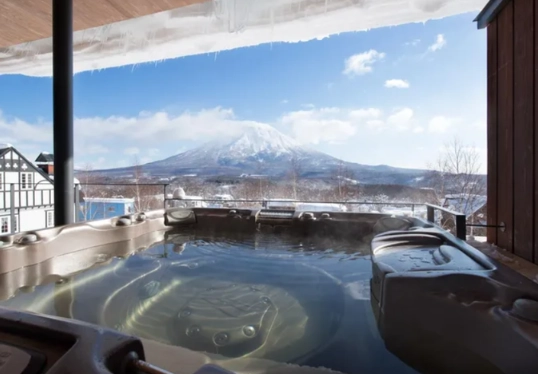
I've spent years traveling across Hokkaido in every season, from the frozen depths of February to the lavender-blanketed hills of July. I've stayed in everything from capsule hotels to ryokans where the dinner was a life-changing event. This guide cuts through the noise. We'll match you with the perfect Hokkaido accommodation based on where you're going, who you're with, and what you want to feel when you wake up.
Your Hokkaido Stay Navigator
Understanding Hokkaido's Regions and Their Vibe
You don't just book a hotel in "Hokkaido." You book in a specific area with its own personality. Picking the right region is step one.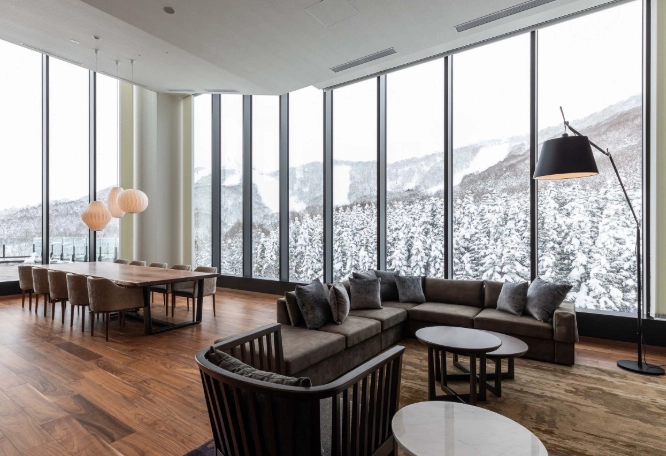
Central Hokkaido: Sapporo & Otaru
Sapporo is the bustling capital. Stay here for convenience, food, nightlife, and as a base for day trips. Neighborhoods like Susukino (nightlife, entertainment) and around Sapporo Station (transport, shopping) are most practical. Otaru, 30 minutes away by train, is a charming port city. Accommodation here is often in converted historic buildings, offering a quieter, more romantic alternative to Sapporo.
Southwestern Hokkaido: Noboribetsu, Lake Toya, Niseko
This is onsen and ski country. Noboribetsu is Japan's top hot spring resort, with ryokans built around hellish volcanic valleys. Lake Toya offers caldera lake views and family-friendly resorts. Niseko is a global ski destination—accommodation here means ski-in/ski-out condos, luxury hotels, and log cabins. In winter, this area books up a year in advance.
Central & Eastern Hokkaido: Furano, Biei, Daisetsuzan
The picture-postcard heartland. Furano is famous for summer lavender and winter powder. Stay on a farmstay (minshuku) for a genuine rural experience or in a small pension. Daisetsuzan National Park is for hikers and wilderness seekers; accommodation is sparse and simple, often just a few mountain huts and rustic lodges.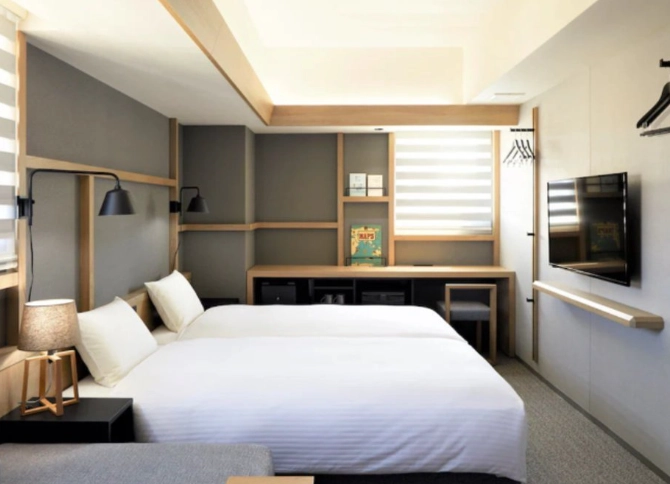
A crucial tip most blogs miss: Don't try to see all of Hokkaido from one hotel. The distances are deceptive. Sapporo to Furano is a 2-hour drive. Sapporo to the eastern wetlands of Kushiro is over 4 hours by train. Plan a multi-base itinerary. Spend a few nights in the city, then move to an onsen town, then a ski resort. It's less stressful and lets you soak in each area's unique feel.
The Main Types of Hokkaido Accommodation
Knowing the categories helps you narrow things down fast.
The Ryokan (Traditional Japanese Inn)
This is the quintessential Hokkaido experience, especially in onsen towns. You sleep on a futon on tatami mats, wear a yukata robe, and are served elaborate multi-course kaiseki dinners. Prices are per person and include dinner and breakfast. A mid-range ryokan runs about ¥20,000-¥40,000 per person per night. The luxury ones (like Takimoto Ryokan in Noboribetsu) can be double that but are unforgettable.
The Business Hotel & City Hotel
Your efficient, clean, and affordable base in cities like Sapporo and Hakodate. Rooms are compact (think 12-16 sqm), but they have everything you need: private bathroom, Wi-Fi, often a simple breakfast. Chains like APA Hotel, Dormy Inn, and Toyoko Inn are reliable. Expect to pay ¥8,000-¥15,000 per room per night. Dormy Inn often has a free public onsen on the top floor—a major perk after a day of exploring.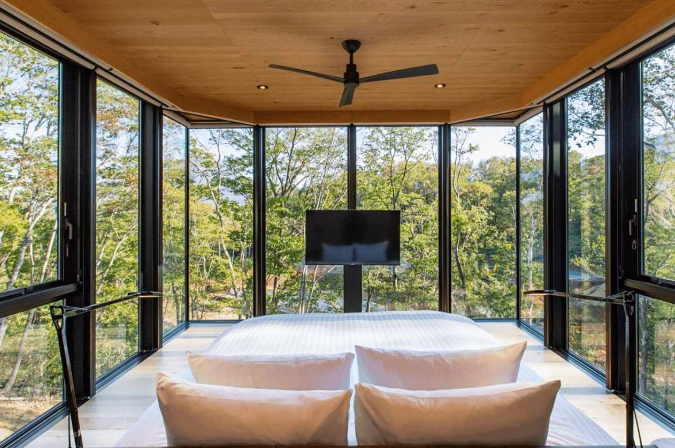
The Resort Hotel & Ski Lodge
Found in Niseko, Rusutsu, and Tomamu. These are large, Western-style hotels with multiple restaurants, pools, and direct access to slopes. The Hilton Niseko Village is a classic example. They're great for families and groups who want amenities and convenience. Prices skyrocket in peak ski season (Dec-Feb).
The Minshuku & Pension
These are family-run guesthouses, common in rural areas like Furano. They're more casual and affordable than ryokans. You might share a bathroom, and meals are often homestyle cooking. It's a fantastic way to meet locals. Look for places like Pension Furanui in Furano for a cozy, personal touch.
Top Picks for Different Travel Styles
Let's get specific. Here are my personal recommendations based on who you're traveling with.
For the Ultimate Onsen & Luxury Experience
You want to be pampered. Your priority is an exceptional kaiseki meal and a breathtaking bath.
- Takimoto Ryokan (Noboribetsu): The gold standard. Each room has a private open-air onsen bath overlooking the Jigokudani valley. The food is theatrical and exquisite. Book the "Hanare" villa for complete seclusion. It's pricey, but it's the definition of a splurge-worthy stay.
- Otaru Asari Classe Hotel (Otaru): A modern take on the ryokan. Stylish rooms, a stunning indoor/outdoor onsen with sea views, and French-Japanese fusion cuisine. It feels exclusive without being overly traditional.
For Skiers & Snowboarders
Your motto: first on the slopes, last off. Location is everything.
- The Vale Niseko: Right at the base of the Grand Hirafu gondola. Ski-in/ski-out is literal here. They offer luxury apartments, perfect for groups or families who want space and a kitchen.
- Ki Niseko: A hotel that feels like a boutique ryokan. It has a fantastic central location in Hirafu Village, an amazing onsen, and a cool, design-forward vibe. You're steps from the best restaurants and bars.
- Avoid the mistake of booking a "cheap" place in Kutchan town to save money. The 20-minute shuttle ride each morning and evening, especially in deep snow, gets old very fast. The convenience of being slopeside is worth the premium.
For Families
You need space, convenience, and maybe a kids' club.
- Club Med Sahoro - Hokkaido: All-inclusive and built for families. Kids' clubs for all ages, all meals, ski lessons, and evening entertainment are included. It takes the planning work out of your hands.
- JR Tower Hotel Nikko Sapporo: Connected directly to Sapporo Station. This is a game-changer with strollers and tired kids. The rooms are spacious by Japanese standards, and you have an entire department store and endless food options downstairs.
- Look for apartment hotels in Sapporo (like Mercure or Citadines) for separate bedrooms and a kitchenette. Being able to make simple meals and do laundry is a sanity-saver.
Booking Tips and Common Pitfalls
This is where experience pays off.
Book Early, Especially for Ryokans and Peak Seasons. I'm talking 6-12 months for popular ryokans during the Snow Festival, Golden Week, or Obon. For Niseko's Christmas/New Year period, 9-12 months isn't excessive. Use platforms like Japanican or Booking.com, but for top-tier ryokans, sometimes booking directly on their (often Japanese-only) website or using a specialized travel agent gets you better room choices.
Understand the Meal Plan. Most ryokans and many countryside hotels operate on a half-board (dinner & breakfast included) plan. It's not optional. Factor this into your budget—it's often where the real value and experience lie. In cities, you usually have the choice.
Check the Bathing Facilities. Does the ryokan have a konyoku (mixed-gender) bath? Does it have private family baths you can reserve? If you have tattoos, check their policy—many public onsens still prohibit them, though private ryokan baths are usually fine.
Consider Transportation. Does the hotel offer a shuttle from the nearest station? In rural areas, this is critical. A "5-minute drive from the station" can be a 30-minute walk in a snowstorm with your luggage.
Your Questions, Answered
What is the best area in Hokkaido to stay for first-time visitors?
Sapporo is the most practical base. It's the transportation hub, has the widest range of accommodation for all budgets, and offers easy day trips to places like Otaru and the Sapporo Beer Museum. For a more immersive winter experience focused purely on skiing and snow, Niseko is the top choice, though it requires more logistical planning.
How far in advance should I book a ryokan in Hokkaido, especially during peak seasons?
Book as early as you can, ideally 6 to 12 months in advance for peak periods like the Sapporo Snow Festival (February), summer lavender season (July), and the New Year holidays. Top-tier ryokans with private onsen baths or famous kaiseki dinners sell out incredibly fast. For popular ski resorts like Niseko, 9-12 months is not uncommon for the best slopeside lodgings.
Are there good Hokkaido accommodation options for families with young children?
Absolutely. Look for larger city hotels in Sapporo with adjoining room options. Many resort hotels in areas like Niseko and Tomamu are built for families, offering kids' clubs, game rooms, and spacious apartments. A key tip: confirm if your chosen ryokan accepts young children, as some traditional ones prefer a quieter atmosphere and may have age restrictions.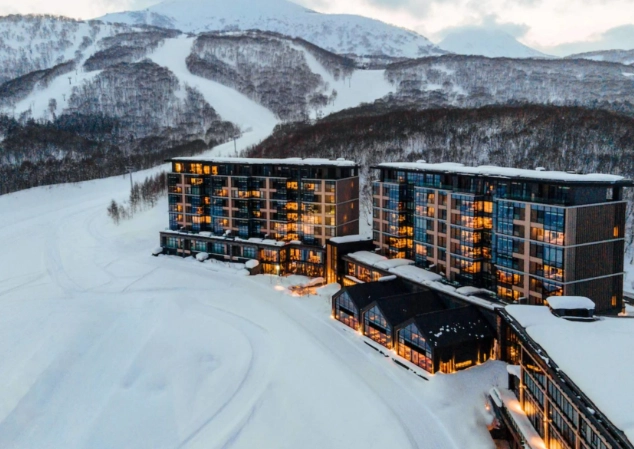
What's the one major mistake people make when choosing Hokkaido accommodation?
Underestimating travel time between locations. Hokkaido is vast. Staying in a single place like Sapporo and taking day trips to Furano, Asahikawa, and the eastern national parks is often unrealistic and exhausting. The better strategy is to plan a multi-base itinerary. For example, spend a few nights in Sapporo, then move to a ryokan in Noboribetsu or a resort in Niseko for a different experience.
Your choice of Hokkaido accommodation is more than just a place to sleep. It's your base for adventure, your sanctuary after a day in the snow, and a core part of your memory of the trip. Match the place to your priorities—be it a deep onsen soak, first tracks on fresh powder, or a convenient hub for your family—and you'll set yourself up for an incredible Hokkaido journey.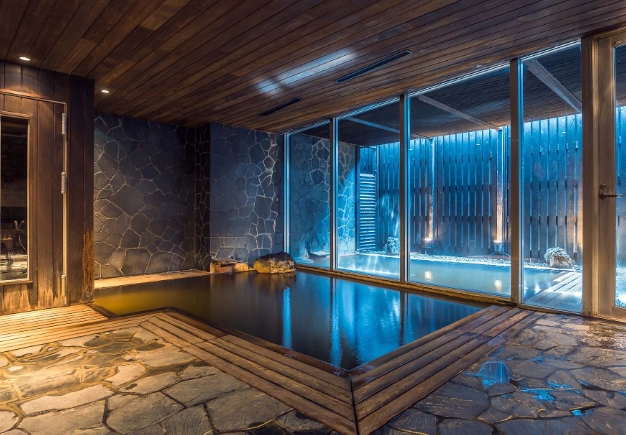

Comments