Let's be honest. Searching for "places to visit in Japan" can leave you with a list of 50 temples, 30 gardens, and a creeping sense of panic. How do you choose? Having traveled there for over a decade, I've seen the classics and stumbled upon spots most itineraries miss. This guide isn't just another list. It's a filter. We'll break down the must-sees, explain exactly why they're worth your time (or not), and then venture off the map. I'll give you the practical stuff—ticket prices, the best train line to take, that one viewpoint everyone walks past—so you can plan a trip that feels yours, not a copy-paste from a tourist board.
Your Japan Trip at a Glance
Beyond Tokyo and Kyoto: Picking Your Japan
Tokyo and Kyoto are essential, but they represent two extremes. Tokyo is the pulsating, neon-drenched future. Kyoto is the serene, moss-covered past. Your trip's flavor depends on what you add next.
Think of it like this:
| If You Add... | You Get This Vibe | Best For... | Travel Time from Tokyo (Bullet Train) |
|---|---|---|---|
| Osaka | Energetic street food & nightlife. Grittier, friendlier, obsessed with good eats. | Foodies, casual travelers, those who find Tokyo a bit too polished. | ~2.5 hours |
| Hiroshima & Miyajima | Profound history meets stunning nature. A deeply moving and beautiful combo. | History buffs, peace memorial visitors, lovers of scenic islands. | ~4 hours |
| Hokkaido (Sapporo/Otaru) | Vast landscapes, incredible seafood, and a frontier spirit. Completely different climate. | Outdoor enthusiasts, ski/snowboarders in winter, seafood lovers. | ~1.5 hours flight |
| Kanazawa | "Little Kyoto" without the massive crowds. Samurai districts, a legendary garden, gold leaf everything. | Culture seekers wanting a quieter experience, garden lovers. | ~2.5 hours |
My non-consensus take? First-timers often overload with Osaka because it's close to Kyoto. It's great, but it's another big city. If you have limited time, a day trip from Kyoto is enough to hit Dotonbori and Osaka Castle. Using that overnight for Hiroshima or Kanazawa gives you a much broader, more memorable slice of Japan.
Japan Must-See Spots: A Deep Dive
Here's where we get specific. Let's talk about the heavy hitters, with the nitty-gritty details most blogs gloss over.
Tokyo's Core: Shibuya, Shinjuku & Asakusa
Shibuya Crossing is exactly as chaotic and cool as the videos show. The trick isn't just crossing it—it's where to watch. Everyone goes to the Starbucks. Skip it. The second-floor window of the Magnet by Shibuya 109 building (it costs about ¥300 for the viewing deck) gives you the perfect aerial shot. Best time? Just after sunset when the lights come on.
Senso-ji Temple in Asakusa is Tokyo's oldest temple. It's beautiful, but the Nakamise shopping street leading to it is a tourist trap. Go early, before 8:30 AM, to have the temple grounds almost to yourself. The stalls don't open until later, so you get the atmosphere without the crowds. Address: 2-chōme-3-1 Asakusa, Taito City. Open 6:00 AM to 5:00 PM (from 6:30 AM Oct-Mar). Free to enter.
Shinjuku Gyoen National Garden is my top Tokyo respite spot. It's a massive, stunning garden that blends French formal, English landscape, and Japanese traditional styles. The ¥500 entry fee (about $3.50) keeps the crowds thin. It's the opposite of the frantic city outside. Address: 11 Naitomachi, Shinjuku City. Open 9:00 AM to 5:30 PM (last entry 5:00 PM), closed Mondays.
Kyoto's Spiritual Heart: Fushimi Inari & Kinkaku-ji
Fushimi Inari Shrine is famous for its thousands of vermilion torii gates. Everyone wants that photo. Here's the secret: 90% of visitors only walk the first 200 meters. If you hike the full 2-3 hour trail to the summit, the crowds vanish after about 15 minutes. You'll have whole sections of gates to yourself. There's no ticket fee, and it's open 24 hours. Go for a sunrise hike—it's safe, peaceful, and magical. Address: 68 Fukakusa Yabunouchichō, Fushimi Ward.
Kinkaku-ji, the Golden Pavilion, is covered in gold leaf. It's breathtaking. It's also one of the most crowded, rushed experiences in Kyoto. You follow a one-way path, it's packed, and you're out in 20 minutes. Is it worth it? For the iconic view, yes. But manage your expectations. It's a viewing experience, not a wandering one. Entry: ¥500. Address: 1 Kinkakujichō, Kita Ward. Open 9:00 AM to 5:00 PM.
My Alternative: If the thought of those crowds makes you tired, go to Ginkaku-ji, the Silver Pavilion, instead. It's not actually silver, but its moss garden and serene sand designs are, in my opinion, more authentically peaceful and beautiful. The crowd flow is just better.
The One Castle You Should See: Himeji
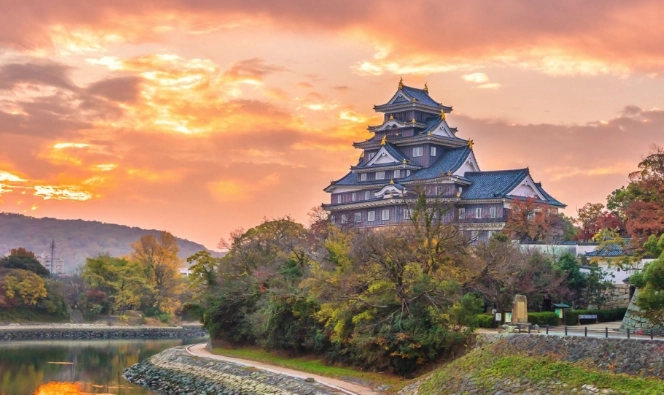
Japan has many castles. Most are concrete reconstructions. Himeji Castle is the original, a UNESCO site, and it looks like a white heron taking flight. It's about a 1-hour shinkansen ride from Osaka or Kyoto. You can tour the inside, climbing its wooden floors to the top keep. Combine it with the nearby Kokoen Garden. Entry is ¥1,050 for the castle, or ¥1,050 for a combined castle+garden ticket. It's closed December 29-31. Worth the trip? Absolutely, if you care about history and architecture. For just a photo op, maybe not.
How to Plan Your Japan Itinerary
This is where trips fall apart. People see distances on a map and think, "Oh, that's close."
Let's build a realistic 10-day first-timer itinerary:
Days 1-4: Tokyo. Land, fight jet lag. Hit Shibuya/Shinjuku one day, Asakusa/Akihabara another, a garden/museum day (Shinjuku Gyoen, teamLab Planets), and a day trip to Kamakura or Nikko.
Day 5: Travel to Kyoto. Take the morning shinkansen (book a seat on the right side for a potential view of Mt. Fuji). Don't plan major sights this day. Check in, wander Gion or Pontocho alley at night.
Days 6-7: Kyoto. One day for East Kyoto (Fushimi Inari early, then Sanjusangendo, Kiyomizu-dera). One day for West Kyoto (Arashiyama Bamboo Grove early—I mean 7 AM early—then Tenryu-ji temple, maybe Kinkaku-ji in the afternoon).
Day 8: Nara Day Trip. 45 minutes from Kyoto. Feed the (sometimes aggressive) deer at Nara Park, see Todai-ji Temple and its giant Buddha. A perfect, slower-paced day.
Day 9: Osaka Day Trip or Travel to Kanazawa. For food and energy, do Osaka. For a calmer, cultural capstone, head to Kanazawa (2.5 hours). See Kenrokuen Garden and the samurai district.
Day 10: Depart from Kansai Airport (Osaka) or return to Tokyo.
The Japan Rail Pass is a huge topic. For this itinerary, with a Tokyo->Kyoto->Osaka/Kanazawa->Tokyo loop, a 7-day pass activated on Day 5 might pay off. You must buy the exchange order BEFORE you arrive in Japan. Use the official JR Pass calculator or a site like Japan Guide to run the numbers.
Skip the Crowds: Japan's Hidden Gems
If you have more time or are a repeat visitor, these are the places that feel like discoveries.
Kurashiki (Okayama Prefecture): A picturesque canal district with willow trees and white-walled, black-tiled warehouses that now house museums and cafes. It feels like stepping into an Edo-period painting. It's about 1 hour from Okayama (which itself has a nice castle and garden). Almost no international crowds.
Shimanami Kaido (Ehime/Hiroshima Prefectures): This is a 70-km cycling route over a series of bridges connecting islands across the Seto Inland Sea. You rent a bike in Onomichi, cycle across six islands, and return the bike in Imabari. The views are incredible—turquoise water, citrus groves, and modern engineering marvels. You don't need to be a pro cyclist; electric bikes are available.
Takayama (Gifu Prefecture): A preserved old town in the Japanese Alps. Think narrow streets with dark wood sake breweries (you can taste-test!), morning markets, and a feel of old Japan without Kyoto's scale. It's the gateway to the thatched-roof villages of Shirakawa-go. Accessible by a scenic train ride from Nagoya.
These places require more logistical planning—often involving local trains rather than shinkansen—but the reward is a sense of connection to a Japan that moves at a different pace.
Comments