Let's cut to the chase. A one-week trip to Japan can cost you anywhere from $1,200 to over $5,000 per person. The number you'll actually spend depends entirely on your travel style. I've planned multiple trips there, and the biggest mistake I see is people using a "daily average" that doesn't account for the initial flight shock or the cost of moving between cities.
This guide won't just throw a single number at you. We'll build your budget from the ground up, using real 2024 prices for flights, hotels, food, and trains. I'll show you exactly where your money goes and how to control it, whether you're a backpacker, a comfort-seeking traveler, or looking for luxury.
Your Quick Guide to This Article
The Complete 1-Week Japan Cost Breakdown
Forget vague estimates. Your total cost is the sum of five main buckets. Flights and accommodation are the fixed hits you take upfront. Daily spending on food, transport, and activities is where you have the most control.
1. International Flights to Japan
This is your largest variable. From the US West Coast, you can find deals for $650-$900 roundtrip if you're flexible and book 3-4 months ahead. From Europe or the East Coast, expect $900-$1,400. Peak seasons (cherry blossom in late March-April, autumn foliage in November, and year-end holidays) easily add $300-$500.
A tip most blogs miss: Consider flying into Osaka (KIX) instead of Tokyo (HND/NRT). Sometimes it's significantly cheaper, and you can start your trip in Kyoto, working your way east. I saved nearly $200 doing this once.
2. Accommodation: Hotels, Hostels & Ryokans
Japan's accommodation is clean and efficient, but space is premium. Prices are per room, not per person, and they vary wildly by city and season.
| Type | Average Nightly Cost (Per Room) | What You Get & Where to Look |
|---|---|---|
| Budget Hostel / Capsule Hotel | $25 - $50 | A pod/bunk bed, shared facilities. Great for solos. Areas like Asakusa (Tokyo) or Downtown Osaka. |
| Business Hotel / 3-Star Hotel | $80 - $150 | A small private room with ensuite bathroom. The workhorse for most travelers. APA Hotel, Dormy Inn chains. |
| Boutique / 4-Star Hotel | $180 - $300+ | More space, better locations, amenities. Common in Ginza, Shibuya (Tokyo), or near Kyoto Station. |
| Traditional Ryokan (with meals) | $250 - $600+ per person | A cultural experience with futon, onsen, and kaiseki dinner. Worth at least one night in Hakone or Kyoto. |
Book early, especially for Kyoto. Its hotel supply is limited and prices skyrocket.
3. Daily Food & Drink Budget
You can eat incredibly well in Japan on any budget. A common misconception is that all sushi is expensive. It's not.
A Day of Eating in Tokyo (Real Prices)
Breakfast: Convenience store (7-Eleven, FamilyMart) – Onigiri, coffee, pastry: $4-$6.
Lunch: Ramen shop or standing sushi bar (kaitenzushi) – A hearty bowl or 8-10 plates of sushi: $8-$15.
Dinner: Izakaya (Japanese pub) or mid-range restaurant – Shared plates, a drink: $25-$40.
Snacks/Drinks: Vending machine drink, melon pan, matcha soft serve: $5-$10.
That's a realistic daily food spend of $42-$71. You can go lower with more convenience store meals, or much higher with fine dining.
4. Getting Around: Transport Costs
This is the second biggest surprise for first-timers. Local transport adds up fast.
The JR Pass Dilemma: As of October 2023, the price of the Japan Rail Pass increased significantly. For a classic 7-day Tokyo-Kyoto-Osaka-Hiroshima loop, it might still break even. For just Tokyo-Kyoto-Osaka, it often does NOT. You must calculate using a tool like Japan-Guide's Rail Pass Calculator.
Without a Pass: A one-way Shinkansen ticket from Tokyo to Kyoto is around $110. Local subway/bus rides cost $1.50-$3 per trip. A Pasmo/Suica IC card is non-negotiable for tap-and-go travel in cities.
5. Activities, Souvenirs & Entrance Fees
Temples and gardens usually cost $3-$6 to enter. Major museums are $10-$15. A day at DisneySea or USJ will set you back $70-$90 for the ticket alone. Budget $20-$40 per day for activities, plus whatever you plan for shopping.
Three Realistic Budget Levels: Which One Are You?
Let's put it all together. These estimates are per person, assuming twin-sharing for accommodation and mid-season travel.
| Budget Level | Total (1 Week) | Flights* | Accommodation | Daily Spend (Food, Transport, Fun) |
|---|---|---|---|---|
| Tight Budget Traveler | $1,200 - $1,800 | $700 | $35/night (hostel) | $50/day |
| Comfortable Mid-Range | $2,500 - $3,500 | $900 | $100/night (business hotel) | $100/day |
| Luxury / Premium Experience | $4,500+ | $1,400 | $250+/night (4-star/ryokan) | $150+/day |
*Flight cost is a sample placeholder from the US West Coast. Adjust based on your origin.
The Mid-Range Sweet Spot
In my experience, the $2,500-$3,500 range offers the best balance. You stay in private, convenient hotels, take the Shinkansen without guilt, enjoy sit-down meals and izakaya visits nightly, and can say "yes" to most paid attractions. It's the cost of a truly stress-free and immersive trip.
A 7-Day Sample Itinerary & Cost Analysis
Let's apply this to a classic first-timer route: Tokyo (3 nights) -> Hakone (1 night) -> Kyoto (2 nights) -> Osaka (1 night). Costs are estimated for a mid-range traveler.
Day 1-3: Tokyo Arrival & Exploration
Accommodation: 3 nights in a Shinjuku/Shibuya business hotel: $300 total ($150/person).
Key Activities: Senso-ji Temple (free), teamLab Planets ($30), Shibuya Crossing/Ginza window shopping, Omoide Yokocho dinner. Maybe a show like the Robot Restaurant (if it reopens).
Transport: Pasmo card top-ups, maybe a 72-hour Metro pass ($15).
Food: Mix of conveyor sushi, ramen, depachika (department store basement) lunches, and one nice izakaya dinner.
Day 4: Hakone Ryokan Experience
Transport: Romancecar train from Tokyo to Hakone: $35.
Accommodation: 1 night in a ryokan with kaiseki dinner & breakfast: $300-$400 per person. This is a splurge, but it's the cultural and relaxation heart of the trip.
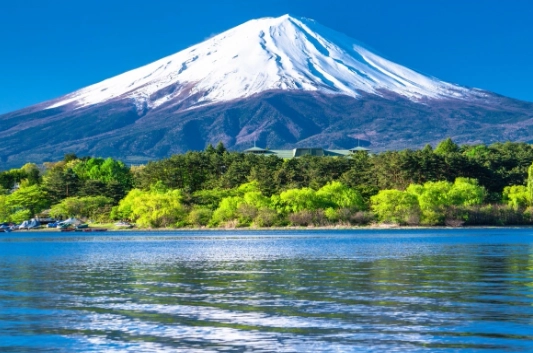
Activities: Hakone Free Pass for boats, cable cars, and seeing Mt. Fuji: $50.
Day 5-6: Kyoto Temples & Tradition
Transport: Shinkansen from Hakone to Kyoto (via Odawara): $100.
Accommodation: 2 nights near Kyoto Station: $200 total ($100/person).
Key Activities: Fushimi Inari Shrine (free, go early), Kinkaku-ji ($4), Arashiyama Bamboo Grove (free), Gion district walk. Rent a kimono for photos ($50).
Food: Try yudofu (tofu hot pot), matcha everything in Uji, and Kyoto-style sushi.
Day 7: Osaka & Departure
Transport: Local train from Kyoto to Osaka: $5. Flight out from Osaka (KIX) or bullet train back to Tokyo (Narita/Haneda).
Activity: Half-day in Osaka for Dotonbori street food (takoyaki, okonomiyaki) and Osaka Castle ($6).
Total Trip Cost Estimate (Mid-Range): Flights ($900) + Accommodation ($650) + Intercity Transport ($250) + Daily Spending ($700) = ~$2,500 per person.
Hidden Costs & Money-Saving Tricks (From Experience)
Guidebooks don't always mention these.
Cash is Still King: Many small restaurants, temples, and market stalls only take cash. Withdraw a large amount from 7-Eleven ATMs (they have the best rates and English menus). Don't get caught with a $20 bill at a tiny ramen shop.
Baggage Forwarding (Takuhaibin): If moving between cities, use Yamato Transport's black cat service. For about $20 per bag, they send your suitcase to your next hotel. It's a game-changer for traveling light on the Shinkansen. This cost adds up but is worth every yen for comfort.
Tax-Free Shopping: Spend over 5,000 yen (about $35) at participating stores and show your passport for tax exemption. Major electronics and department stores do this. Saves you 10%.
My Top Money-Saver: Lunch specials ("teishoku") at department store restaurants. For $10-$15, you get a gourmet, multi-course meal that would cost double at dinner. It's how locals eat well affordably.
Your Japan Trip Cost Questions Answered
Planning your Japan trip cost doesn't have to be stressful. Start with your non-negotiable flight budget, then allocate for the must-do experiences (a ryokan? a specific museum?). Build your daily spending around that. Japan is worth every penny—with a clear budget, you can enjoy it without financial anxiety.


Comments