Let's cut to the chase. The perfect Japan itinerary doesn't exist in a one-size-fits-all template. What's perfect for a solo foodie is a nightmare for a family with young kids. After a decade of planning trips here, I've found the "perfect" itinerary is the one you build yourself, armed with the right information. This guide gives you the framework—three core timelines (7, 10, and 14 days), hyper-specific details, and the local knowledge you need to avoid classic tourist traps and craft a trip that feels uniquely yours.
Your Japan Trip at a Glance
How to Plan Your Perfect Japan Itinerary
Before we jump into day-by-day plans, you need to grasp two non-negotiable rules. Ignoring these is the biggest mistake first-timers make.
Rule 1: Pace Over Places. Japan's cities are massive and its transport, while efficient, takes time. Trying to squeeze Tokyo, Kyoto, Osaka, Hiroshima, and Hokkaido into 10 days is a recipe for exhaustion. You'll spend your trip in train stations, not temples. Pick a region and explore it deeply.
Rule 2: The Japan Rail Pass Math. Everyone tells you to get a JR Pass. Don't buy it blindly. For a classic 7-day Tokyo-Kyoto-Osaka round trip, it pays off. But if you're flying into Tokyo and out of Osaka (an "open-jaw" ticket), or staying mostly in one city, it often doesn't. Use the official Japan Rail Pass calculator before you commit. In 2024, with significant price increases, this calculation is more critical than ever.
My Personal Bias: I always recommend at least 10 days for a first trip. Seven days is a whirlwind that leaves you wanting more. Fourteen days lets you breathe and discover places beyond the postcard spots.
7-Day Japan Itinerary: Tokyo & Kyoto Highlights
This is the classic, fast-paced introduction. You'll hit the major icons but will need to make tough choices. I suggest flying into Tokyo (NRT/HND) and out of Osaka (KIX) to avoid backtracking.
Days 1-3: Tokyo's Electric Pulse
Base yourself near a major Yamanote Line station like Shinjuku or Shimbashi for easy access.
Day 1: Arrive, settle in. Fight jet lag with an evening in Shinjuku. Skip the overhyped Robot Restaurant (it closed anyway), and instead go to the free observation deck at the Tokyo Metropolitan Government Building (open until 11 PM). Dinner in Omoide Yokocho ("Piss Alley") for yakitori.
Day 2: Central Tokyo day. Start at the serene Meiji Jingu shrine (opens at sunrise, free). Walk through Harajuku's Takeshita Street (go early to avoid the worst crowds), then explore the upscale Omotesando. Afternoon in Shibuya: see the scramble, then find the rooftop garden at Shibuya Scramble Square for the best paid view (approx. 2000 yen).
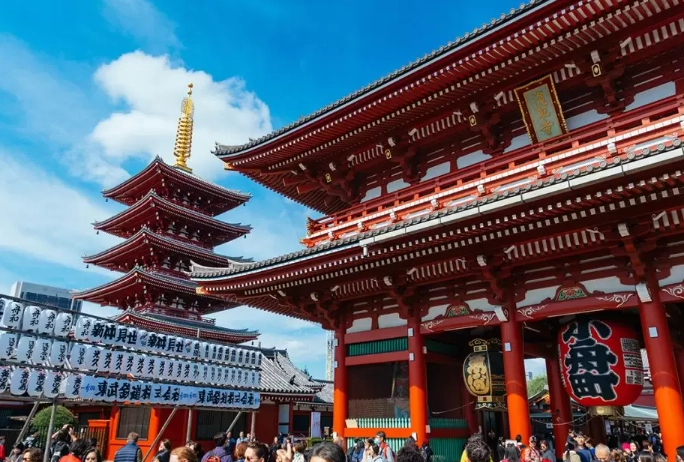
Day 3: East Tokyo. Senso-ji Temple in Asakusa (go by 8 AM). Then, a short walk to Tokyo Skytree (tickets from 2100 yen, book online). Alternatively, for a more local vibe, head to Ueno Park and the excellent Tokyo National Museum (entry 1000 yen). Evening in Akihabara for anime fans, or Ginza for upscale dining.
Days 4-5: Kyoto's Ancient Heart
Take the morning Nozomi or Hikari shinkansen from Tokyo Station to Kyoto Station (about 2h15m). A 7-day JR Pass activates here.
Day 4: Arrive Kyoto, drop bags. Head to Fushimi Inari Taisha. The key? Go beyond the first crowded tunnel of torii gates. A 30-minute hike up thins the crowds dramatically. Late afternoon explore Gion district. You might spot a geisha, but be respectful—no blocking their path for photos.
Day 5: Arashiyama & Kinkaku-ji. Another early start is non-negotiable. Get to the Arashiyama Bamboo Grove by 7 AM to experience its magic in relative peace. Afterwards, visit Tenryu-ji Temple's garden. In the afternoon, see the stunning Kinkaku-ji (Golden Pavilion, 400 yen). It's always crowded, but it's worth it.
Days 6-7: Osaka & Departure
A quick 30-minute train from Kyoto to Osaka. Dotonbori at night is essential—try takoyaki from a street stall and see the Glico Running Man sign. Osaka Castle is impressive from the outside; the museum inside is modern but can be skipped if short on time. On Day 7, depart from Kansai International Airport (KIX).
The 7-Day Reality Check: This itinerary is intense. You'll be constantly on the move. If you prefer a slower pace, cut Osaka and add a night in Kyoto, or just do Tokyo with a day trip to Hakone or Kamakura.
10-Day Japan Itinerary: Tokyo, Hakone, Kyoto, Osaka
This is my gold standard recommendation for first-timers. It adds a crucial element: relaxation and a glimpse of traditional Japan beyond the mega-cities.
| Day | Base | Highlights & Activities | Travel Notes |
|---|---|---|---|
| 1-3 | Tokyo | As per 7-day plan: Shinjuku, Shibuya, Harajuku, Asakusa, Akihabara/Ginza. | Consider a day trip to Kamakura or Nikko if templed-out. |
| 4 | Hakone | Hakone Loop: Lake Ashi pirate ship, Owakudani volcanic valley (try the black eggs), Open-Air Museum. Stay in a ryokan with kaiseki dinner and onsen. | Use the Hakone Free Pass for transport. Luggage forward to Kyoto. |
| 5-7 | Kyoto | Fushimi Inari, Arashiyama, Kinkaku-ji. Add Higashiyama District: Kiyomizu-dera, Sannenzaka/Ninenzaka lanes. Evening in Pontocho alley. | Rent a bike for a day. Buses get very crowded. |
| 8 | Nara (Day Trip) | Feed the deer in Nara Park, visit the colossal Todai-ji Temple (home to the Great Buddha). Kasuga Taisha shrine. | 45 min train from Kyoto. Easy day trip. |
| 9 | Osaka | Osaka Castle (exterior), Kuromon Ichiba Market, Shinsekai district, Dotonbori at night for street food frenzy. | Focus on food: okonomiyaki, kushikatsu. |
| 10 | Depart | Last-minute shopping at KIX or Umeda. Flight home from Kansai (KIX). | Allow time for airport train. |
The addition of Hakone is a game-changer. Soaking in an onsen after days of walking is heavenly. Using a luggage forwarding service (like Yamato Transport's Ta-Q-Bin) from Tokyo to Kyoto on Hakone day is worth every yen—travel with just a daypack on the loop.
14-Day Japan Itinerary: Deep Dive with Hiroshima & Kanazawa
With two weeks, you can venture further west and experience contrasting facets of Japanese culture.
The Core (Days 1-9)
Follow the 10-day itinerary above (Tokyo 3 days, Hakone 1, Kyoto 3, Nara 1, Osaka 1). This is your foundation.
The Western Extension (Days 10-13)
Day 10: Travel to Hiroshima. Take the early shinkansen from Osaka (about 1h40m). Visit the profoundly moving Peace Memorial Park and Museum (entry 200 yen). Then, take a short tram and ferry ride to Miyajima Island. See the iconic floating torii gate of Itsukushima Shrine. Stay on the island or back in the city.
Day 11: Morning on Miyajima, perhaps hike part of Mt. Misen. Afternoon shinkansen to Kanazawa (approx. 4h with transfer). This city is a gem, often called "Little Kyoto" but with far fewer tourists.
Day 12: Explore Kanazawa. Visit the exquisite Kenrokuen Garden (one of Japan's top three), the preserved samurai district (Nagamachi), and the geisha district (Higashi Chaya). The 21st Century Museum of Art is fantastic for modern art lovers.
Day 13: Return to Tokyo via the Hokuriku Shinkansen (about 2h30m to Tokyo). Last night for souvenir shopping in Shinjuku or Ginza.
Day 14: Depart from Tokyo's Narita (NRT) or Haneda (HND) airports.
This 14-day Japan itinerary balances modern cities, ancient temples, poignant history, and stunning landscapes. The pace in the second week is noticeably calmer, letting you absorb more.
Practical Details: Transport, Food & Where to Stay
Getting Around Efficiently
For all these itineraries, a Suica or Pasmo IC card is essential. Tap and go on subways, buses, and convenience stores. For intercity travel, the shinkansen is your friend. Book reserved seats for long journeys, especially during holidays. Hyperdia (website) or the Japan Travel by Navitime app are better for planning than Google Maps, which sometimes misses local train optimizations.
Where to Stay: My Top Picks by City
I avoid giant, impersonal chains. Here are places I've stayed at or would confidently recommend.
Tokyo (Shinjuku): Hotel Gracery Shinjuku - Right in the heart of Kabukicho, with a Godzilla head on the roof. Fun, well-connected, rooms are compact but clean. (~$120/night). For a quieter option in Shimbashi, Mitsui Garden Hotel Shimbashi offers great value and easy train access.
Kyoto: Hotel The M's Kyoto near Kyoto Station. Modern, fantastic public baths, and a 7-Eleven attached. The location is perfect for day trips. (~$100/night). For a more traditional feel, a ryokan in the Higashiyama area, like Ryokan Yachiyo, is unforgettable.
Hakone: Splurge on a ryokan. Gora Kadan is the ultimate luxury. For a fantastic mid-range option, Hakone Ginyu offers private onsen in every room. Book months in advance.
Can't-Miss Food Experiences
Tokyo: Sushi breakfast at Tsukiji Outer Market. Skip the old tuna auction, just eat. Try a conveyor belt sushi chain like Sushiro for fun and value. For the best ramen, Ichiran is a reliable chain, but venture to smaller shops in Shinjuku's Omoide Yokocho.
Kyoto: A kaiseki (multi-course) dinner at your ryokan is a must. For lunch, try Nishiki Market for samples. For a specific spot, Menbakaichidai for their famous fire ramen—it's a show and a meal.
Osaka: Street food is king. Takoyaki (octopus balls) from a Dotonbori stall, okonomiyaki (savory pancake) at Mizuno, and kushikatsu (deep-fried skewers) in Shinsekai. Remember the rule: no double-dipping the sauce!
Your Japan Itinerary Questions Answered
Is 7 days really enough for a Japan itinerary?
What's the biggest mistake people make when planning their Japan travel itinerary?
How can I avoid the worst crowds at major sites like Fushimi Inari or the Bamboo Grove?
Is the Japan Rail Pass worth it for a 10 or 14 day Japan trip itinerary?
What's one underrated place you'd add to a standard Japan trip itinerary?

Comments