Tokyo hits you like a wave of neon and tradition the moment you step out of Shinjuku Station. I remember my first time—lost in the scramble, clutching a paper map, and wondering how anyone navigates this city. But after a decade of visits, I've learned that Tokyo isn't just about chaos; it's a layered experience where ancient temples sit next to robot cafes. This guide isn't a generic list. It's the stuff I wish I knew before landing at Haneda Airport.
Jump to What Matters
Why Tokyo Should Be on Your Travel List
Let's cut to the chase. Tokyo isn't cheap, and it can be overwhelming. But the payoff? Unmatched food, surreal neighborhoods, and a safety level that lets you wander at 2 AM. I've met travelers who skipped Tokyo for Kyoto, only to regret it later. The energy here is addictive. According to the Japan National Tourism Organization, over 30 million visitors came to Japan in 2023, with Tokyo as the top entry point. It's a gateway to modern Japan.
How to Get Around Tokyo Without Losing Your Mind
Public transport is your best friend. Don't even think about renting a car—parking costs more than your hotel room. Here's the lowdown:
Trains and Subways: The JR Yamanote Line loops around central Tokyo, hitting key spots like Shibuya, Shinjuku, and Tokyo Station. Buy a Suica card at any station; load it with 2000 yen to start. It works on almost all trains, buses, and even vending machines.
Buses: Useful for areas like the Imperial Palace East Gardens. Pay with your Suica card.
Taxis: Expensive. Only use for late-night trips when trains stop around midnight. A ride from Shinjuku to Roppongi can cost 4000 yen.
Pro Tip: Download the Japan Travel app by Navitime. It gives real-time train schedules and fares. Google Maps works too, but Navitime includes platform numbers—a lifesaver in massive stations like Tokyo Station.
Top 5 Attractions in Tokyo You Can't Miss
Everyone talks about these, but I'll tell you how to do them right. Skip the tour groups and go early.
1. Senso-ji Temple (Asakusa)
Tokyo's oldest temple. Get there by 8 AM to beat the crowds. Address: 2-3-1 Asakusa, Taito City. Open 6 AM to 5 PM daily. Free entry. Don't just snap the Kaminarimon Gate; explore Nakamise Street behind it for cheap snacks like ningyo-yaki (sweet cakes). A common mistake? Spending hours here—it's worth 90 minutes max.
2. Shibuya Crossing
That iconic scramble. Best view is from the Starbucks on the second floor of the Tsutaya building. Go on a weekday morning for fewer people. Nearest station: Shibuya Station (JR Yamanote Line). It's free, just chaotic fun.
3. Tokyo Skytree
Tallest structure in Japan. Book tickets online to skip lines. Address: 1-1-2 Oshiage, Sumida-ku. Open 10 AM to 9 PM. Adult ticket: 2100 yen for the Tembo Deck. I found the view from the Tokyo Metropolitan Government Building in Shinjuku just as good and free, but Skytree has the bragging rights.
4. Meiji Shrine
A serene escape in Harajuku. Address: 1-1 Yoyogi-Kamizono-cho, Shibuya-ku. Open sunrise to sunset. Free entry. Visit early to see traditional weddings—I caught one on a Saturday at 10 AM. Avoid Sundays when it gets packed with locals.
5. Tsukiji Outer Market
For food lovers. The inner wholesale market moved, but the outer market remains. Address: 4-16-2 Tsukiji, Chuo-ku. Open 5 AM to 2 PM (many stalls close by noon). Try fresh tuna sashimi for 1000 yen a bowl. Get there by 7 AM for the best picks.
Where to Eat in Tokyo: A Foodie's Paradise
Tokyo has over 160,000 restaurants. You won't go hungry, but you might get decision fatigue. Here's a curated list based on my repeat visits.
| Restaurant | Address | Specialty | Price Range | Why It's Worth It |
|---|---|---|---|---|
| Ichiran Ramen (Shibuya) | 1-22-7 Jinnan, Shibuya-ku | Tonkotsu Ramen | 1000-1500 yen | Solo dining booths—no social pressure. Open 24/7. |
| Sushi Dai (Toyosu Market) | 6-5-1 Toyosu, Koto-ku | Omakase Sushi | 4000-5000 yen | Fresh from the market. Queue starts at 5 AM; go on a weekday. |
| Maisen (Harajuku) | 4-8-5 Jingumae, Shibuya-ku | Tonkatsu (Pork Cutlet) | 2000-3000 yen | Crispy, juicy, and worth the hype. Opens 11 AM. |
Don't overlook convenience stores like 7-Eleven. Their onigiri (rice balls) cost 150 yen and are perfect for breakfast on the go. I lived on them during budget trips.
Where to Stay in Tokyo: Neighborhood Breakdown
Pick your base based on your vibe. Here's my take after staying in all these areas.
- Shinjuku: Best for nightlife and transport. Hotels like Hotel Gracery Shinjuku (address: 1-19-1 Kabukicho, Shinjuku-ku; price: 15000 yen/night) offer convenience but can be noisy. Good for first-timers.
- Shibuya: Youthful and bustling. Try Shibuya Excel Hotel Tokyu (address: 1-12-2 Dogenzaka, Shibuya-ku; price: 18000 yen/night). Close to shopping, but rooms are small.
- Asakusa: Traditional and quieter. Asakusa View Hotel (address: 3-17-1 Nishi-Asakusa, Taito-ku; price: 12000 yen/night) has great temple views. Further from central nightlife.
- Ginza: Luxury and shopping. The Peninsula Tokyo (address: 1-8-1 Yurakucho, Chiyoda-ku; price: 50000 yen/night) is top-tier but pricey.
I prefer Shinjuku for the JR station access, but Asakusa gives a more cultural feel. Book 2-3 months ahead for peak seasons.
A Realistic 3-Day Tokyo Itinerary
This isn't a rushed checklist. It's balanced for actual humans.
Day 1: East Tokyo
Morning: Senso-ji Temple (8 AM). Walk to Tokyo Skytree (10 AM).
Afternoon: Lunch at Tsukiji Outer Market (12 PM). Explore Ginza for shopping.
Evening: Dinner in Shinjuku's Omoide Yokocho (alleyways) for yakitori.
Day 2: Central Tokyo
Morning: Meiji Shrine (9 AM). Stroll through Harajuku's Takeshita Street.
Afternoon: Shibuya Crossing (1 PM). Shop at Shibuya 109.
Evening: Dinner at Ichiran Ramen. See the night view from Shibuya Sky (book in advance).
Day 3: North Tokyo
Morning: Ueno Park and museums (opens 9:30 AM).
Afternoon: Akihabara for electronics and anime (if that's your thing).
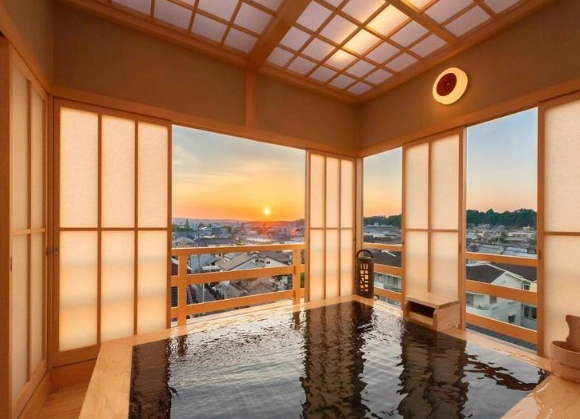
Evening: Relax at an onsen in Odaiba, like Oedo Onsen Monogatari (address: 2-6-3 Aomi, Koto-ku; entry: 2500 yen).
Feel free to swap days based on weather. Tokyo's metro makes it flexible.
Practical Tips from a Seasoned Traveler
These are the nuggets most guides gloss over.
- Money: Carry cash. Many small shops and temples only accept yen. 7-Eleven ATMs take foreign cards.
- Language: Basic English works in tourist areas. Learn "sumimasen" (excuse me) and "arigato" (thank you).
- Wi-Fi: Rent a pocket Wi-Fi at the airport. Hotel Wi-Fi can be spotty. I used Ninja Wi-Fi last time—unlimited data for 700 yen/day.
- Etiquette: Don't eat while walking. It's considered rude. Stand on the left side of escalators.
- Weather: Summers are humid; pack light clothes. Winters are chilly but dry. Spring (March-May) is ideal for cherry blossoms, but crowded.
One regret I had was overpacking my itinerary. Leave room for spontaneity—you might stumble upon a festival in Asakusa like I did.
Your Burning Questions Answered
Tokyo changes fast, but this guide focuses on timeless essentials. Pack your curiosity, and you'll find your own rhythm in this electric city. Safe travels!


Comments